

Meranoplus diversoides
- Scientific Name
- Meranoplus diversoides
- Tribe
- Crematogastrini
- Subfamily
- Myrmicinae
- Author
- Schödl, 2007
- Distribution
- Found in 1 countries
Meranoplus diversoides Overview
Meranoplus diversoides is an ant species of the genus Meranoplus. It is primarily documented in 1 countries , including Australia. Detailed taxonomic data and occurrence records can be further explored via authoritative databases such as AntWeb or the Global Biodiversity Information Facility (GBIF).
Meranoplus diversoides
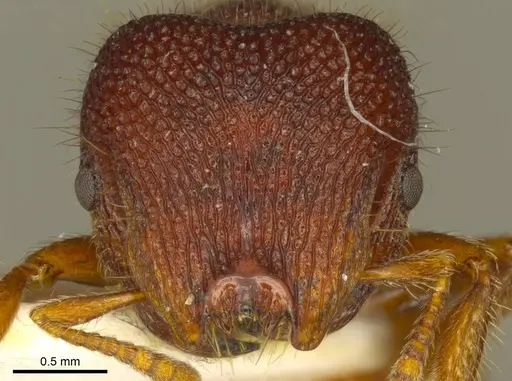
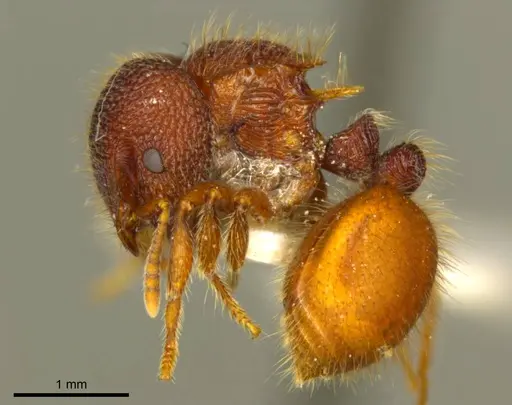
Meranoplus diversoides is a medium-sized myrmicine ant native to northern Australia. Workers measure 5.8-7.1mm and have a distinctive appearance with a dark brown to brown body and brighter gaster and appendages [1]. The genus Meranoplus is known for their unusually shaped workers with a broad, shield-like promesonotum that conceals the sides of the mesosoma, this gives them a somewhat armored look compared to typical ants [1]. This species belongs to the Meranoplus diversus group and is closely related to M. diversus, differing mainly in the less prominently developed clypeal structure on the head [2]. They nest in the ground and are one of the more unusual granivorous ants in the Australian ant fauna, actively collecting and consuming seeds as a primary food source [1].
Quick Summary
- Difficulty: Medium
- Origin & Habitat: Found throughout Queensland and the southernmost Northern Territory in Australia [1]. They nest in the ground in this subtropical to tropical region.
- Colony Type: Colony structure is unconfirmed, the species has not been studied in detail regarding queen number. Most Meranoplus species are single-queen colonies, but this specific species needs more documentation.
- Size & Growth:
- Queen: Not documented, queen measurements unavailable
- Worker: 5.8-7.1mm [1]
- Colony: Unknown, no colony size data available for this species
- Growth: Unknown, growth rate has not been studied
- Development: Unconfirmed, no direct development data exists. Based on typical Myrmicinae patterns in similar Australian species, estimate 6-10 weeks at optimal temperature. (Development timeline is unconfirmed for this species. Related Meranoplus species suggest several months from egg to mature worker.)
- Antkeeping:
- Temperature: Keep around 24-30°C, they are a tropical Australian species adapted to warm conditions. A heating cable on one side of the nest creates a suitable gradient.
- Humidity: Moderate humidity around 50-70%. Keep the nest substrate slightly moist but not waterlogged. Queensland has seasonal variation, so allow for some drying between waterings.
- Diapause: Likely minimal or no true diapause, Queensland remains warm year-round. However, colonies may reduce activity during cooler winter months. A slight cooling period to around 18-22°C for 2-3 months may be beneficial but is not strictly required.
- Nesting: Ground-nesting species, they prefer nests in soil or sandy substrates. A naturalistic setup with a soil chamber or a Y-tong/plaster nest with dirt chambers works well. Avoid overly compact substrates.
- Behavior: Workers are relatively slow-moving compared to many Myrmicinae. They are granivorous, actively collecting and processing seeds, this is unusual among ants and makes them interesting to observe. They are not particularly aggressive and will retreat rather than fight when disturbed. Escape risk is moderate, they are medium-sized ants but can climb smooth surfaces. Use standard barrier methods. They are primarily active during warmer parts of the day.
- Common Issues: seed viability, if providing seeds, ensure they are appropriate sizes and types for this species to actually consume, humidity control, being ground-nesters, they need moisture but mold can be an issue in enclosed nests, slow colony growth, without documented development times, beginners may lose patience, limited availability, this is not a common species in the antkeeping hobby, temperature drops, being tropical, they may struggle if kept too cool
Housing and Nest Setup
Meranoplus diversoides is a ground-nesting ant that naturally excavates chambers in soil or sandy substrates. For captivity, you have several good options. A naturalistic setup with a dirt-filled formicarium works well, use a mix of sand and soil that holds some moisture but drains well. Alternatively, a Y-tong (acrylic) nest with a dirt chamber or a plaster nest with soil-filled sections mimics their natural conditions. The key is providing enough depth for them to create proper tunnels and chambers. Avoid completely dry substrates, they need some moisture for tunnel stability and for the colony to regulate humidity. A water tube connected to a cotton reservoir can help maintain substrate moisture. [1]
Feeding and Diet
This species is granivorous, meaning they eat seeds as a primary food source, this makes them somewhat unusual among ant species [1]. Offer a variety of small seeds suitable for their size, such as grass seeds, millet, or commercially available ant seed mixes. They will also accept protein sources like small insects (fruit flies, small crickets, mealworms) especially when raising brood. Sugar water or honey can be offered occasionally, though seeds should form the bulk of their diet. Unlike many ants that immediately consume seeds, Meranoplus may store seeds in chambers, they have specialized behaviors for processing and consuming plant material. Remove any uneaten seeds that show signs of mold.
Temperature and Heating
Being from Queensland and Northern Territory, this species is adapted to warm subtropical to tropical conditions. Keep the nest area at 24-30°C for optimal activity and brood development. A heating cable placed on one side of the nest creates a temperature gradient that allows the colony to self-regulate. Place the heating on top of the nest rather than underneath to avoid excessive drying. Room temperature may be sufficient in warm climates, but most keepers will need supplemental heating. During winter, a slight reduction to around 20-24°C is acceptable, but avoid prolonged cool periods below 20°C. Watch for behavioral cues, if workers become sluggish and cluster together, increase temperature slightly. [1]
Colony Establishment
Since founding behavior is unconfirmed for this specific species, the best approach is to start with a established colony if available. If you obtain a founding queen, provide her with a test tube setup with moist cotton and offer small seeds and minimal protein. Most Meranoplus queens are likely claustral (they seal themselves in and raise the first brood alone without foraging), but this needs confirmation for diversoides. The first workers, called nanitics, will be smaller than normal workers. Once workers emerge, you can gradually expand their housing and begin regular feeding. Growth is likely slow, expect several months before you see significant colony expansion.
Behavior and Observation
Meranoplus diversoides workers have a distinctive appearance with their broad, shield-like promesonotum that makes them look somewhat armored [1]. They move more deliberately than many ant species, not the frantic activity of some Myrmicinae. When foraging, they will collect seeds and carry them back to the nest for processing. This granivorous behavior is fascinating to watch and sets them apart from most ant species commonly kept. They are not aggressive toward keepers and rarely bite. Their small eyes (REL 0.17) suggest they may rely less on vision and more on chemical cues [1]. Provide enrichment opportunities, scattered seeds, different substrate textures, and varied nest layouts will keep them active and engaged.
Frequently Asked Questions
How long does it take for Meranoplus diversoides to go from egg to worker?
The exact development timeline is unconfirmed for this species. Based on typical Myrmicinae patterns from related Australian species, expect approximately 6-10 weeks from egg to first worker at optimal temperature (around 26-28°C). This is an estimate, actual times may vary.
What do Meranoplus diversoides eat?
They are granivorous, meaning seeds form their primary diet. Offer small seeds like grass seeds, millet, or commercial ant seed mixes. They also accept protein sources like small insects and occasional sugar water. Remove uneaten seeds before mold develops.
Can I keep Meranoplus diversoides in a test tube?
A test tube is suitable for a founding queen or small colony initially. However, since they are ground-nesters that collect seeds, you will eventually need to move them to a naturalistic setup with soil or a formicarium with a dirt chamber. This allows them to exhibit their natural seed-collecting behavior.
What temperature do Meranoplus diversoides need?
Keep them warm at 24-30°C. They are a tropical Australian species adapted to warm conditions. A heating cable on one side of the nest creates a gradient. Avoid temperatures below 20°C for extended periods.
Are Meranoplus diversoides good for beginners?
This species is rated as Medium difficulty. While not the hardest ant to keep, there is limited documented care information since the species has not been well-studied. The granivorous diet and ground-nesting requirements are manageable for intermediate antkeepers willing to experiment.
How big do Meranoplus diversoides colonies get?
Colony size is unconfirmed for this species. Most Meranoplus colonies are likely moderate in size compared to some Myrmicinae. Without specific data, expect colonies of several hundred workers at maximum.
Do Meranoplus diversoides ants sting?
Meranoplus workers have a stinger but are not particularly aggressive. They are more likely to retreat than to attack. The sting, if used, would be mild for a medium-sized ant. Handle gently and they pose minimal risk.
Do Meranoplus diversoides need hibernation?
True hibernation is likely not required. Being from Queensland (subtropical to tropical Australia), they experience warm year-round conditions. A slight cooling period to 18-22°C for 2-3 months during winter months may be beneficial but is not strictly necessary.
When should I move my Meranoplus diversoides to a formicarium?
Move them when the colony reaches around 20-30 workers and the test tube setup becomes crowded. Since they are ground-nesters that collect seeds, provide a naturalistic setup with soil chambers or a formicarium with a dirt section.
Why are my Meranoplus diversoides not eating seeds?
Some Meranoplus species take time to discover or accept seeds. Try scattering seeds near nest entrances. Ensure seeds are appropriately sized, too large seeds may be ignored. Also offer small insects as an alternative protein source to confirm they are eating.
References

This caresheet is licensed under CC BY-SA 4.0 .
CASENT0919720
View on AntWeb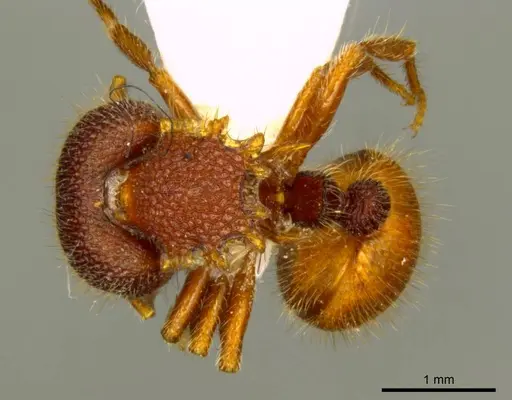
Literature
Loading...Loading products...