

Meranoplus christinae
- Scientific Name
- Meranoplus christinae
- Tribe
- Crematogastrini
- Subfamily
- Myrmicinae
- Author
- Schödl, 2007
- Distribution
- Found in 1 countries
Meranoplus christinae Overview
Meranoplus christinae is an ant species of the genus Meranoplus. It is primarily documented in 1 countries , including Australia. Detailed taxonomic data and occurrence records can be further explored via authoritative databases such as AntWeb or the Global Biodiversity Information Facility (GBIF).
Meranoplus christinae
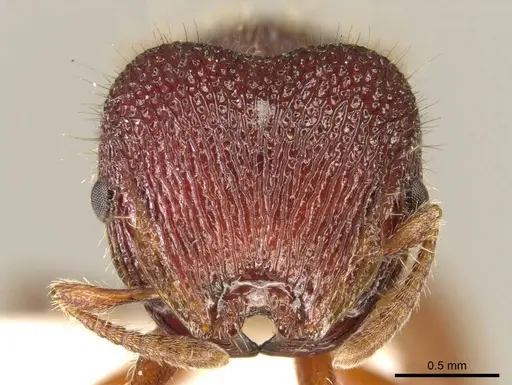
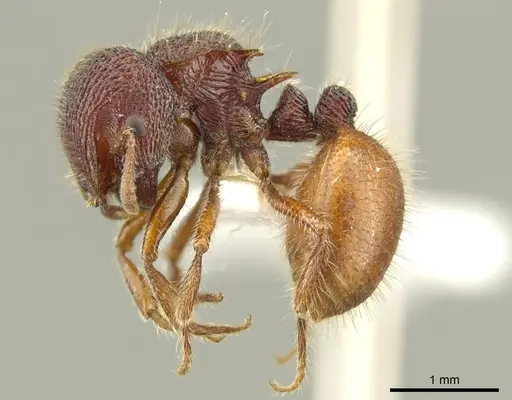
Meranoplus christinae is one of the larger species in the Meranoplus genus, with workers measuring 6.65-7.20mm [1]. These ants are native to south-central Queensland and New South Wales in Australia, where they nest in the ground in mulga (Australian woodland) habitats [1][2]. They have distinctive morphological features including a clypeal projection with two teeth, flanged frontal carinae, and a promesonotum with translucent margins. Workers are brown to dark brown, often with a slightly brighter-colored gaster [1]. This species belongs to the Meranoplus diversus group, which contains eight Australian species [3].
What makes M. christinae interesting is their granivorous diet, they are seed-eating ants, which is somewhat unusual among Myrmicinae and makes them relatively easy to feed in captivity. Their large size compared to many other Meranoplus species also makes them more visible and engaging for keepers. The species was described in 2007 by Stefan Schödl and named after his partner Christine [2].
Quick Summary
- Difficulty: Easy
- Origin & Habitat: South-central Queensland and New South Wales, Australia. Nests in the ground in mulga (Australian woodland) habitats [1].
- Colony Type: Colony structure is unconfirmed. No data on whether they are single-queen (monogyne) or multi-queen (polygyne) colonies.
- Size & Growth:
- Queen: Unconfirmed, queen measurements not available in primary literature
- Worker: 6.65-7.20mm [1]
- Colony: Unconfirmed, maximum colony size has not been documented
- Growth: Unknown, no development data available
- Development: Unconfirmed, no direct development data exists for this species. Based on typical Meranoplus patterns and Australian climate, estimate 6-10 weeks at warm temperatures. (Development timeline is unconfirmed. Related Meranoplus species in similar climates suggest several months from egg to worker.)
- Antkeeping:
- Temperature: Keep at roughly 22-28°C. Being from subtropical Queensland/NSW, they prefer warm conditions. A heating cable on one side of the nest creates a suitable gradient. Avoid temperatures below 18°C or above 32°C.
- Humidity: Moderate humidity. They nest in ground habitats in relatively dry mulga woodland, so aim for substrate that is lightly moist but not wet. Allow areas to dry between waterings. Avoid constant saturation.
- Diapause: Unknown, no specific data on overwintering requirements. Australian species from Queensland may have reduced activity in cooler months but likely do not require true hibernation. Keep at slightly reduced temperatures (18-20°C) during winter months.
- Nesting: Ground-nesting species. Use a naturalistic setup with soil substrate or a Y-tong/plaster nest with chambers filled with substrate. They will dig tunnels if given enough depth. Provide sand/soil mix for tunneling. Avoid overly compact substrates.
- Behavior: These ants are relatively calm and not particularly aggressive. They are granivorous, primarily eating seeds, but likely also supplement with small insects. Their large size makes them easy to observe. They have a functional stinger but are not known for aggressive stinging behavior. Escape risk is moderate, their size makes them easier to contain than tiny ants, but they are active and may explore. Use standard escape prevention (Fluon on test tube rims, tight-fitting lids).
- Common Issues: no documented colony structure means you may not know if your queen is alone or if multiple queens can coexist, no development data makes it hard to know if your colony is growing normally, be patient, granivorous diet means they need seeds as a primary food source, not just sugar and protein, wild-caught colonies may have parasites or diseases that cause colony failure in captivity, substrate drying out too quickly can stress colonies since they need moderate moisture
Housing and Nest Setup
Meranoplus christinae is a ground-nesting species that does well in captivity with a naturalistic setup. Use a container filled with a sand/soil mix (roughly 50/50 or more sand for drainage) at least 5-8cm deep to allow for tunneling. Alternatively, a Y-tong (acrylic) nest with a section of substrate chamber works well. The ants will dig their own tunnels and chambers if given proper substrate. Test tube setups are not ideal for this species since they need space to dig. Make sure the outworld (foraging area) is secure with tight-fitting lids, as these ants are active explorers. Provide a water tube with cotton wick for drinking water. [1]
Feeding and Diet
This species is granivorous, meaning they eat seeds as a primary food source [1]. Offer a variety of small seeds such as millet, sesame, chia, or grass seeds. Seeds should be crushed or small enough for the ants to handle. They will store seeds in their nest like a pantry. Additionally, offer small insects (fruit flies, small mealworms, crickets) as protein 1-2 times per week. Sugar water or honey can be offered occasionally, though seeds should form the bulk of their diet. Remove uneaten seeds periodically to prevent mold. Fresh water should always be available.
Temperature and Seasonal Care
Being from Queensland and NSW, these ants prefer warm conditions. Keep the nest area at 22-28°C. A heating cable placed on one side of the nest creates a temperature gradient that lets ants choose their comfort zone. During Australian winter (June-August), you may see reduced activity. You can lower temperatures slightly to 18-20°C during this period, but true hibernation is likely not required. Avoid sudden temperature changes and keep above 18°C. If your colony is active year-round, maintaining stable room temperature around 24°C is fine.
Behavior and Observation
Meranoplus christinae workers are relatively calm and not known for aggressive behavior. They are active foragers that will search for seeds and small prey throughout their territory. The workers are large (6-7mm) making them easy to observe. They have propodeal spines and a functional stinger, but they are not aggressive toward keepers and rarely sting. Their most interesting behavior is seed collection and storage, you may see them carrying seeds back to their nest chambers. They also have the characteristic Meranoplus morphology with a wide, shield-like promesonotum that gives them a distinctive appearance. Watch for them to establish defined foraging trails. [1]
Colony Establishment
When starting a colony from a wild-caught queen, place her in a test tube setup with water reservoir for founding. Since founding behavior is unconfirmed, assume she may be claustral (seals herself in) and not need to forage. Keep the setup dark and undisturbed for 4-6 weeks. Once workers emerge, you can gradually introduce them to a larger naturalistic setup with substrate. Wild-caught colonies may carry parasites or diseases that cause failure in captivity, this is a common issue with newly collected colonies. Quarantine and observe new colonies carefully before combining with existing setups. Patience is key since we do not have specific development timelines for this species.
Frequently Asked Questions
How long does it take for Meranoplus christinae to have first workers?
The exact timeline is unconfirmed for this species. Based on related Meranoplus species in similar climates, expect first workers (nanitics) approximately 6-10 weeks after the queen lays eggs, assuming warm temperatures (24-28°C). Be patient, without specific data, growth may be faster or slower than expected.
What do Meranoplus christinae eat?
They are granivorous, meaning seeds form the bulk of their diet [1]. Offer small seeds like millet, sesame, or grass seeds (crushed if large). Supplement with small insects (fruit flies, small mealworms) for protein 1-2 times per week. Sugar water or honey can be offered occasionally. Remove uneaten seeds to prevent mold.
Can I keep multiple Meranoplus christinae queens together?
The colony structure is unconfirmed, we do not have data on whether they are single-queen (monogyne) or multi-queen (polygyne) colonies. Until more is known, it is not recommended to combine unrelated foundress queens, as they may fight. If you capture a queen, keep her alone until her colony is established.
Do Meranoplus christinae ants sting?
They have a functional stinger but are not known for aggressive stinging behavior. They are relatively calm ants that are unlikely to sting unless directly handled or threatened. The sting is likely mild given their size, though this has not been specifically documented.
What temperature do Meranoplus christinae need?
Keep them warm at 22-28°C. Being from Queensland/NSW, they prefer subtropical warmth. A heating cable on part of the nest creates a gradient. Avoid temperatures below 18°C or above 32°C. Room temperature in most homes (20-24°C) is acceptable, with slight warming preferred.
What size colony do Meranoplus christinae reach?
Maximum colony size is unconfirmed, no scientific data exists on colony size for this species. Based on related Meranoplus species, expect several hundred workers at maturity. They are one of the larger Meranoplus species, so colonies may reach moderate sizes.
Are Meranoplus christinae good for beginners?
Yes, they are considered easy to keep. Their granivorous diet makes feeding straightforward (seeds are easy to provide and store), they are relatively calm to handle, and their larger size makes them easy to observe. The main challenges are the lack of specific care data and potentially slow growth. They are a good choice for keepers wanting something different from common Lasius or Camponotus species.
Do Meranoplus christinae need hibernation?
Diapause requirements are unknown. Being from Queensland (subtropical), they likely do not require true hibernation. You may see reduced activity during cooler months (Australian winter, June-August). If activity slows, you can lower temperatures slightly to 18-20°C, but this is optional rather than required.
When will Meranoplus christinae have nuptial flights?
Nuptial flight timing is unconfirmed. In Australia (southern hemisphere), ant mating flights typically occur in spring and summer (September-February). Queens likely fly during this period, but specific timing for M. christinae has not been documented.
Why is my Meranoplus christinae colony dying?
Common causes include: wrong moisture levels (too wet causes mold, too dry stresses ants), temperature stress (too cold below 18°C or too hot above 32°C), parasites from wild-caught colonies, and poor nutrition. Since we lack specific development data, slow growth may be normal, do not assume something is wrong. Ensure seeds are available and not moldy, small insects are offered regularly, and substrate is lightly moist but not wet.
References

This caresheet is licensed under CC BY-SA 4.0 .
CASENT0919718
View on AntWeb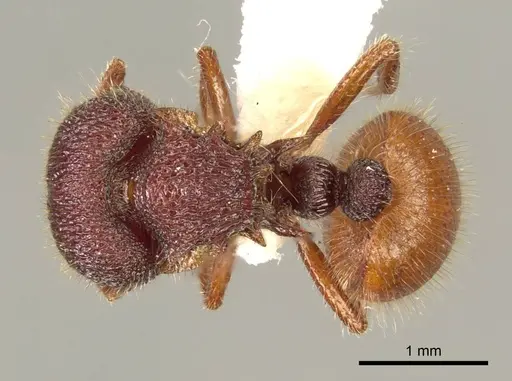
Literature
Loading...Loading products...