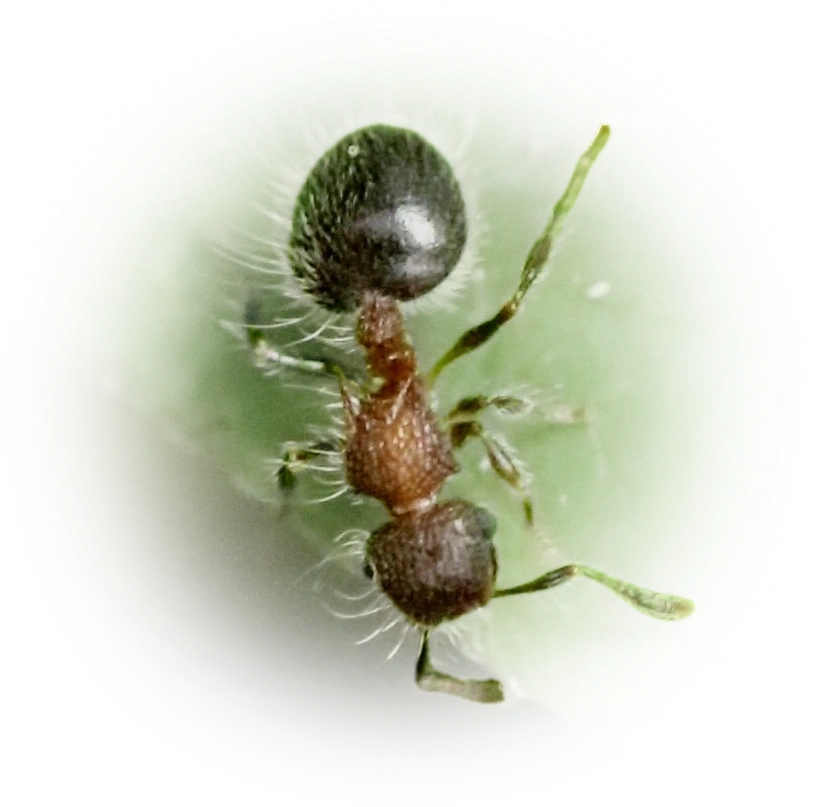

Meranoplus bicolor
- Scientific Name
- Meranoplus bicolor
- Tribe
- Crematogastrini
- Subfamily
- Myrmicinae
- Author
- Guérin-Méneville, 1844
- Common Name
- Bicolored Shield Ant
- Distribution
- Found in 8 countries
Meranoplus bicolor Overview
Meranoplus bicolor (commonly known as the Bicolored Shield Ant) is an ant species of the genus Meranoplus. It is primarily documented in 8 countries , including Bangladesh, Hong Kong, Indonesia. Detailed taxonomic data and occurrence records can be further explored via authoritative databases such as AntWeb or the Global Biodiversity Information Facility (GBIF).
Meranoplus bicolor - "Bicolored Shield Ant"
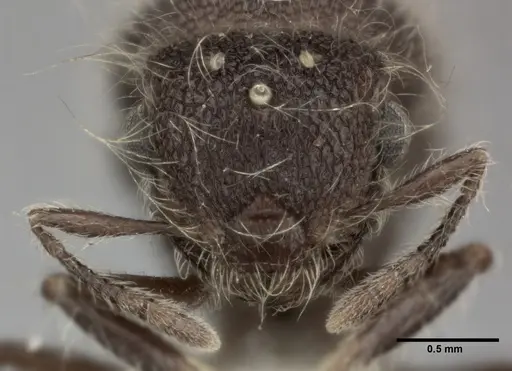
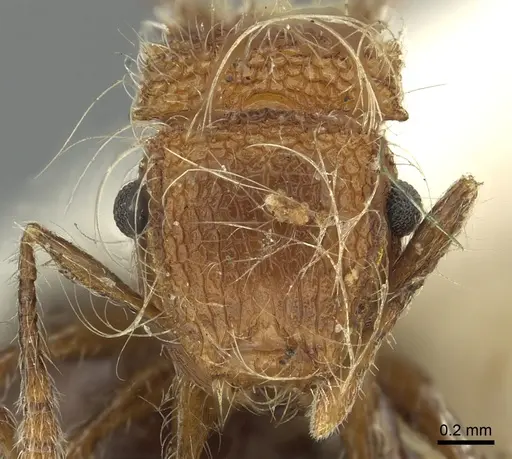
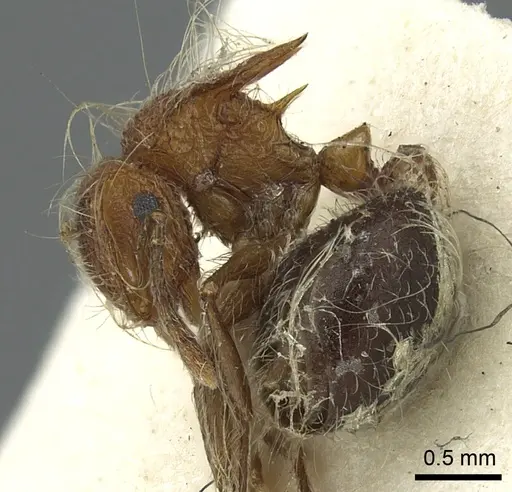
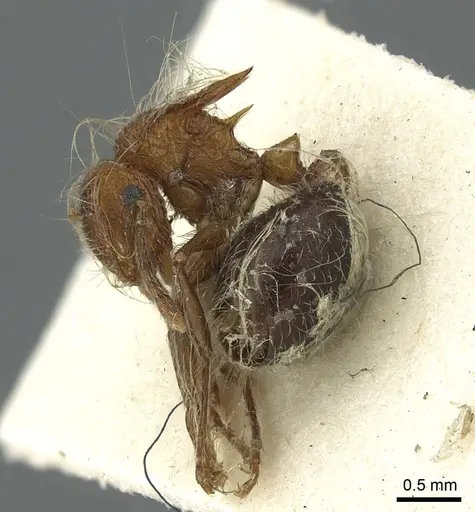
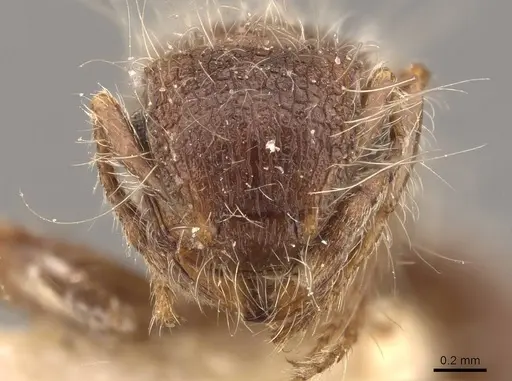
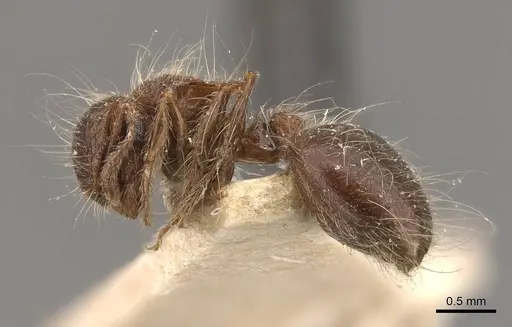
Meranoplus bicolor is a small to medium-sized ant native to South and Southeast Asia, one of the most common Meranoplus species in the Oriental region. Workers measure 3.7-4.5mm with a distinctive appearance: the head, mesosoma, and waist are reddish-ferruginous while the abdomen is dark brown to black, creating a striking bicolored look [1][2]. Their most recognizable features are the long posteriorly-directed spines on the mesosoma and the unusually long, soft hairs covering their body, a pilosity pattern found in no other Meranoplus species [1]. Queens are significantly larger at 7.75-8.08mm [3]. These ants inhabit bare lands, grasslands, and sparse forests across their range, nesting directly in soil [4][5]. What makes them fascinating is their defensive strategy: covered in toxic hairs that cause other insects to release them when grabbed, they also roll into a ball to play dead and can raise their abdomen to secrete formic acid from their stinger when threatened [4].
Quick Summary
- Difficulty: Easy
- Origin & Habitat: South and Southeast Asia, found across Pakistan, Nepal, Bhutan, India, Sri Lanka, Bangladesh, Myanmar, Thailand, Laos, Vietnam, China, Malaysia, Indonesia, Taiwan, Philippines, and Singapore [4][1][6]. Inhabits bare lands, grasslands, sparse forests, and agricultural areas, nests in soil at low elevations (0-600m) [3][5].
- Colony Type: Monogyne (single-queen colonies). Workers kill or remove extra queens, only one queen per colony [4].
- Colony: Monogyne
- Founding: Claustral
- Size & Growth:
- Queen: 7.75-8.08mm [3]
- Worker: 3.7-4.5mm [1][2]
- Colony: Up to 500-1000 workers at maturity (approximately 4 years) [4]
- Growth: Slow, colonies take about 4 years to reach maturity [4]
- Development: 6-8 weeks (estimated based on genus patterns) (Development is slow, colonies reach maturity in the 4th year. First workers (nanitics) are smaller than normal workers.)
- Antkeeping:
- Temperature: Keep at 24-28°C. Being a tropical species, they prefer warm conditions [3]. Room temperature within this range works well, or use a heating cable on one side of the nest for a gentle gradient.
- Humidity: Moderate to high. Keep the nest substrate consistently moist but not waterlogged. They naturally nest in soil and prefer damp conditions, mist occasionally and provide a water tube.
- Diapause: No true hibernation required. As a tropical species, they don't undergo diapause but may show reduced activity in cooler conditions. No specific winter rest period needed [4].
- Nesting: Soil-nesting species. A naturalistic setup with soil substrate or a Y-tong/plaster nest works well. They build shallow nests just a few inches deep with a few chambers. Provide a layer of damp soil about 1-2 inches deep.
- Behavior: Very timid and slow-moving. They are not aggressive and rely on passive defenses, playing dead by rolling into a ball, and using toxic body hairs that cause predators to release them [4]. When threatened, they may raise their abdomen and secrete formic acid, though this is rarely seen. Workers forage on the ground both day and night, scavenging and tending aphids for honeydew. They are moderate escape risks, not particularly flighty but standard barriers are recommended. Active foragers but move slowly [7][8].
- Common Issues: slow growth means colonies take years to develop, beginners may lose patience, founding colonies are fragile, queen may fail if disturbed during claustral period, timid nature makes them vulnerable to harassment by aggressive ant species, wild-caught colonies may carry parasites that can devastate captive colonies, slow-moving workers may be outcompeted for food by faster ants
Housing and Nest Setup
Meranoplus bicolor is a soil-nesting ant, so a naturalistic setup with a soil substrate works best. A Y-tong (AAC) nest or plaster nest with a soil chamber also works well. Fill the outworld with a layer of damp soil (about 1-2 inches deep) and some hiding structures like small stones or pieces of bark. They prefer shallow nests just a few inches deep with a few chambers [4]. The nest entrance is typically a simple hole, sometimes surrounded by a small crater of excavated soil. Keep the substrate consistently moist but not waterlogged, mist every few days and check that the soil doesn't dry out completely. A water tube in the formicarium ensures they always have access to fresh water.
Feeding and Diet
These ants are omnivores with a varied diet. In the wild, they are mainly scavengers that pick up small animals and insects killed by others, and they also tend to aphids for honeydew [4][9]. They are known to harvest seeds and have been observed carrying weed seeds back to their nests [3][10]. In captivity, offer a varied diet: protein sources like small insects (fruit flies, small mealworms, crickets), and sugar sources like sugar water, honey, or honeydew. They will also accept seeds, this aligns with their role as seed harvesters in the wild. Feed protein 2-3 times per week and keep a sugar source available constantly. Remove uneaten food after 24-48 hours to prevent mold.
Temperature and Heating
As a tropical species from South and Southeast Asia, Meranoplus bicolor prefers warm conditions. Keep the nest area at 24-28°C for optimal activity and brood development [3]. Room temperature within this range is often sufficient. If your room is cooler, use a heating cable placed on top of the nest (never underneath where it could dry out the substrate) to create a gentle warmth gradient. They are found in lowland areas up to 600m elevation and are classified as Hot Climate Specialists in functional studies, meaning they thrive in warmer conditions [11][12]. Avoid temperatures below 20°C for extended periods.
Behavior and Defense
This species is known for its timid nature and unique defensive behaviors. Workers move very slowly and are not aggressive [2][7]. Their primary defense is their toxic body hair, when picked up by other insects like ants, the predator releases them and tries to rub off the contacted areas [4]. They also display a fascinating 'playing dead' behavior, rolling into a ball to trick predators. When seriously threatened, they may raise their abdomen and secrete a small drop of formic acid from their stinger, though this behavior is rarely seen [4]. This passive defense strategy allows them to forage in areas occupied by more aggressive species like Diacamma and Oecophylla. In captivity, they are peaceful colony mates but may be outcompeted by more aggressive ants if housed together.
Colony Development and Growth
Meranoplus bicolor colonies grow slowly, reaching maturity in approximately 4 years [4]. A mature colony contains 500-1000 workers plus the queen and new reproductives. The queen is long-lived, one captive colony has a queen that was 5 years old in 2023 and was still producing eggs [4]. Colonies produce alates (reproductives) twice a year: once in spring (April-June) and again from November-February, though some colonies have alates year-round [4]. The founding queen digs a burrow about 4-5cm deep with a single chamber to lay her eggs. First workers (nanitics) are smaller than normal workers and emerge after several weeks of claustral development.
Frequently Asked Questions
How long does it take for Meranoplus bicolor to produce first workers?
First workers typically appear after 6-8 weeks of claustral development, though this is estimated based on genus patterns. The queen seals herself in and raises the first brood alone without foraging. Remember that this species grows slowly, colonies take about 4 years to reach maturity with 500-1000 workers [4].
Can I keep multiple Meranoplus bicolor queens together?
No. Meranoplus bicolor is strictly monogyne, colonies have only one queen, and workers will kill or remove any extra queens [4]. Never attempt to combine unrelated queens. If you find a dealate queen, she should be housed alone for claustral founding.
Do Meranoplus bicolor ants sting?
They have a stinger but rarely use it. Their primary defense is the toxic hairs covering their body, when grabbed, other insects release them and try to clean the contacted areas. They may also raise their abdomen and secrete formic acid when severely threatened, but this is rarely observed [4]. The sting is not considered dangerous to humans.
What do Meranoplus bicolor eat?
They are omnivores. Offer a varied diet including protein (small insects like fruit flies, small mealworms) and sugar sources (sugar water, honey, honeydew). They also readily accept seeds, which aligns with their natural seed-harvesting behavior [3][10]. Feed protein 2-3 times weekly with sugar available constantly.
Do Meranoplus bicolor need hibernation?
No. As a tropical species, they do not require true hibernation or diapause. They may show reduced activity in cooler conditions, but no specific winter rest period is needed [4]. Simply maintain their normal temperature range year-round.
Are Meranoplus bicolor good for beginners?
Yes, they are considered an easy species to keep. They are forgiving of minor care mistakes, don't require special hibernation, and are not aggressive. The main challenges are their slow growth (colonies take years to develop) and their timid nature, which means they may be outcompeted by more aggressive ants if housed together [4].
When should I move my colony to a formicarium?
You can keep them in a test tube setup for the founding stage. Once the colony has 20-30 workers and you see them actively foraging, you can move them to a naturalistic setup or Y-tong nest with soil substrate. They prefer soil nests, so a naturalistic setup works well.
Why is my Meranoplus bicolor colony not growing?
Growth is naturally slow, this species takes about 4 years to reach maturity. Ensure proper conditions: temperature 24-28°C, consistently moist (not wet) soil substrate, and varied diet. Also check that the queen is still alive and laying eggs. Founding colonies are particularly fragile and may fail if the queen was disturbed during the claustral period.
What makes Meranoplus bicolor different from other ants?
Their most distinctive features are the long posteriorly-directed spines on the mesosoma and the unusually long, soft hairs covering their entire body, a unique pilosity pattern not found in any other Meranoplus species [1]. They also have fascinating defensive behaviors including playing dead by rolling into a ball and using toxic body hairs that cause predators to release them.
References

This caresheet is licensed under CC BY-SA 4.0 .
CASENT0119844
View on AntWeb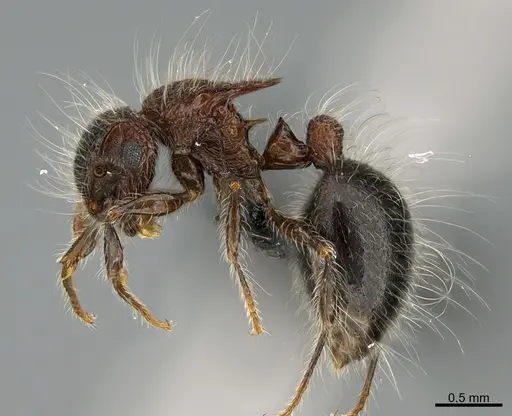
CASENT0217854
View on AntWeb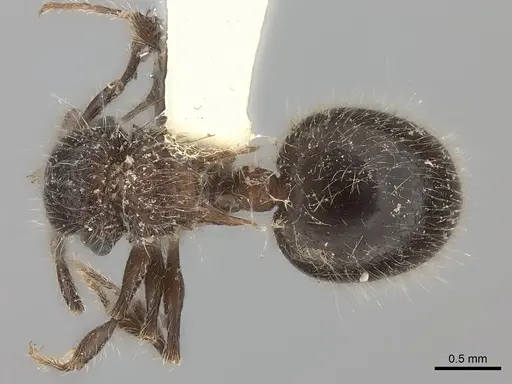

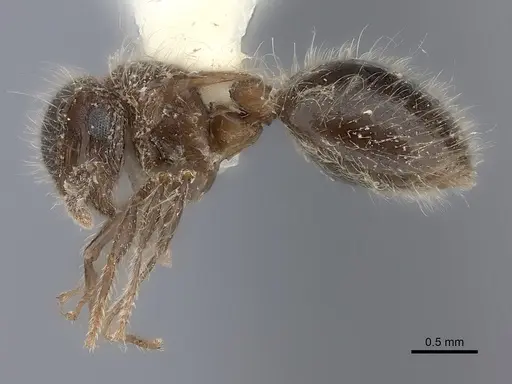
CASENT0246059
View on AntWeb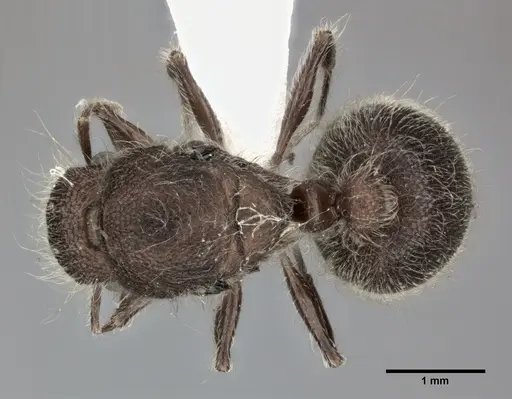

CASENT0246060
View on AntWeb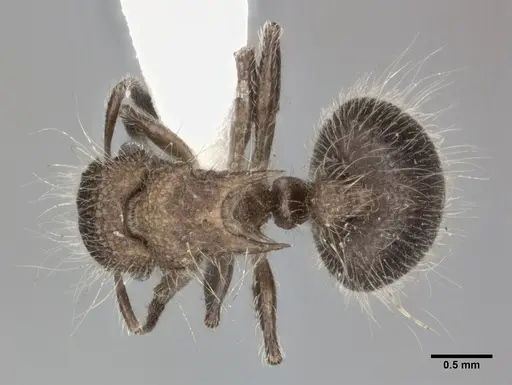


CASENT0740801
View on AntWeb


CASENT0902027
View on AntWeb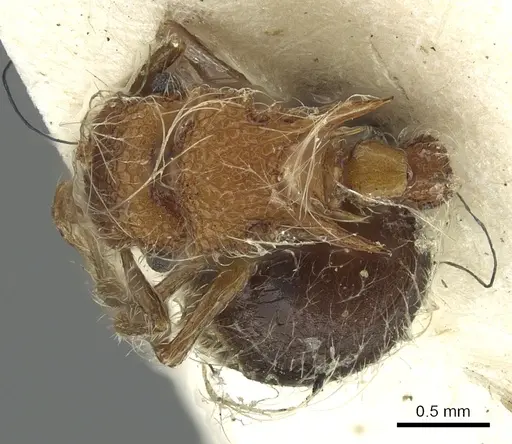
CASENT0908934
View on AntWeb
Literature
Loading...Loading products...