

Meranoplus berrimah
- Scientific Name
- Meranoplus berrimah
- Tribe
- Crematogastrini
- Subfamily
- Myrmicinae
- Author
- Schödl, 2007
- Distribution
- Found in 1 countries
Meranoplus berrimah Overview
Meranoplus berrimah is an ant species of the genus Meranoplus. It is primarily documented in 1 countries , including Australia. Detailed taxonomic data and occurrence records can be further explored via authoritative databases such as AntWeb or the Global Biodiversity Information Facility (GBIF).
Meranoplus berrimah
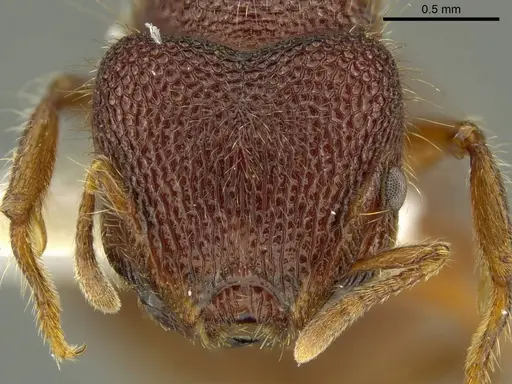
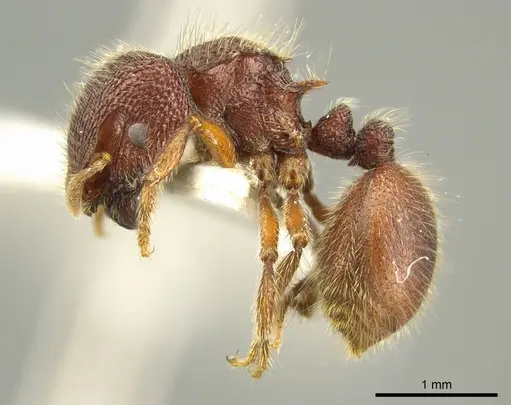
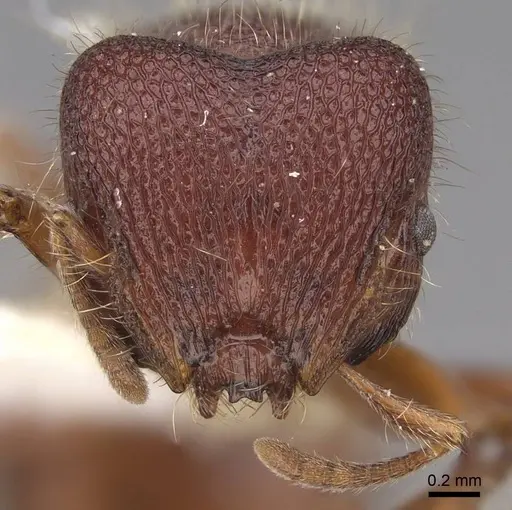
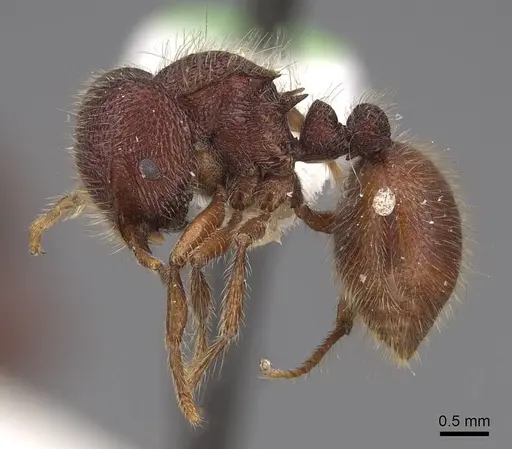
Meranoplus berrimah is a small to medium-sized myrmicine ant native to the Top End of Australia's Northern Territory. Workers measure 5.15-6.35mm with a head width of 1.58-1.80mm, and they have a distinctive appearance with a somewhat square head, small eyes, and a uniquely shaped clypeus (the area above the mouth) featuring prominent projections [1]. Their body is uniformly brown to dark-brown, and unlike some related species, their abdomen (gaster) is smooth and shiny rather than striated [1]. This species belongs to the Meranoplus diversus group and is known only from the Berrimah area near Darwin, making it a geographically restricted Australian endemic [1].
As granivorous ants, M. berrimah specializes in collecting and eating seeds, using their specialized mouthparts to crack open seed coats. They nest in the ground in tropical savannah habitats, fitting into the 'Hot Climate Specialists' functional group typical of northern Australian ants [2]. This combination of seed-eating behavior and tropical origin makes them an interesting species for antkeepers interested in Australian ants.
Quick Summary
- Difficulty: Medium
- Origin & Habitat: Top End, Northern Territory, Australia, secondary tropical savannah habitats [1]. This species is known only from the Berrimah area near Darwin, where it nests in the ground [1].
- Colony Type: Colony structure is unconfirmed, the founding behavior and queen number in established colonies has not been documented in available research.
- Size & Growth:
- Queen: Unknown, queen measurements not described in available literature [1]. Based on genus patterns, likely 7-9mm.
- Worker: 5.15-6.35mm total length,1.58-1.80mm head width [1].
- Colony: Unknown, colony size data not available. Based on related Meranoplus species, likely reaches several hundred workers.
- Growth: Unknown, development timeline has not been directly studied. Estimated as moderate based on tropical species patterns.
- Development: Unknown, no direct development data available. Based on typical Meranoplus patterns and tropical climate, estimated at 6-10 weeks at warm temperatures. (Development timeline is unconfirmed. Related Meranoplus species typically develop faster in warm conditions.)
- Antkeeping:
- Temperature: Keep warm, around 24-30°C. As a Hot Climate Specialist from tropical northern Australia, they need consistently warm conditions [2]. A heating cable on one side of the nest creates a gradient allowing workers to self-regulate.
- Humidity: Moderate to high humidity. The Top End has a tropical monsoon climate with distinct wet and dry seasons, aim for 60-80% humidity with a moist but not waterlogged nest substrate. Provide a water tube for drinking.
- Diapause: Likely minimal or no true diapause. As a tropical species from northern Australia, they probably remain active year-round with reduced activity during the dry season. No formal hibernation required.
- Nesting: Ground-nesting species, they excavate chambers in soil. In captivity, a Y-tong (AAC) nest with compacted earth chambers or a plaster nest with soil-filled chambers works well. Provide digging material.
- Behavior: Meranoplus berrimah is a relatively docile species with a calm temperament. Workers are active foragers that search for seeds and other food items on the ground surface. Their small size (around 5-6mm) means they can escape through small gaps, use fine mesh and tight-fitting lids. They are not aggressive and rarely sting, making them suitable for observation. As granivorous ants, they primarily forage for seeds but likely also collect honeydew and small insects. Escape prevention should be a priority due to their small size.
- Common Issues: escape prevention is critical due to their small size, they can squeeze through standard formicarium gaps, granivorous diet means they need seed offerings, protein-only feeding often fails, tropical species may struggle with cool or variable temperatures, humidity control is important, too dry causes deshydration, too wet causes mold, limited availability as a rarely-kept Australian endemic
Housing and Nest Setup
Meranoplus berrimah is a ground-nesting species that naturally excavates chambers in soil. In captivity, provide a nest setup that allows for digging behavior. Y-tong (AAC) nests with compacted earth chambers work well, as do plaster nests filled with soil or sandy substrate. The nest should have chambers scaled to their size, these are medium-sized ants, so chambers 10-15mm wide are appropriate. Include a water tube or moist substrate to maintain humidity. Since they come from tropical northern Australia, avoid glass or acrylic nests that might overheat quickly under heating cables. A naturalistic setup with a soil-filled container allows for natural digging behavior and is often the best choice for this species. [1][2]
Feeding and Diet
M. berrimah is granivorous, meaning they specialize in eating seeds [1]. In captivity, offer a variety of small seeds suitable for small ants, sesame seeds, chia seeds, millet, and grass seeds are all good options. Crush larger seeds to make them easier to process. They will also accept small protein sources like fruit flies, small mealworms, or cricket pieces. Offer sugar water or honey occasionally, though seeds should form the primary diet. Fresh water should always be available. Feed seeds every 2-3 days and protein 1-2 times per week, adjusting based on colony size and consumption rates.
Temperature and Heating
As a Hot Climate Specialist from tropical northern Australia, M. berrimah needs warm conditions [2]. Maintain nest temperatures between 24-30°C, with 26-28°C being ideal. Use a heating cable placed on top of the nest (never underneath where it can dry out the substrate) to create a temperature gradient. Room temperature alone is likely too cool, especially in air-conditioned spaces. Monitor with a thermometer placed near the nest. During the dry season in their natural range, temperatures remain warm year-round, so no hibernation or cooling period is needed. Keep them away from direct sunlight that could cause overheating.
Humidity and Water
The Top End of the Northern Territory has a tropical monsoon climate with high humidity during the wet season. Keep nest substrate consistently moist but not waterlogged, it should feel damp to the touch. Provide a water tube with a cotton wick so workers can drink directly. Mist the nest occasionally, but avoid constant dampness that promotes mold. A hygrometer can help monitor levels, aiming for 60-80% relative humidity. If the nest dries out too quickly, cover portions with plastic to retain moisture. The dry season brings lower humidity, so slight variation throughout the year is natural for this species.
Behavior and Colony Dynamics
Workers of M. berrimah are active foragers that search for seeds and other food on the ground surface. They are not aggressive and handle calmly during colony maintenance. The colony will establish granary-like storage of seeds in nest chambers. Workers are moderately sized at 5-6mm and can climb smooth surfaces reasonably well, though they are not particularly strong climbers. The species is not known for stinging and poses no danger to keepers. Colonies likely grow to several hundred workers over time, though exact colony size data is not available. Queens are larger than workers but exact measurements have not been documented. [1]
Frequently Asked Questions
How long does it take for Meranoplus berrimah to produce first workers?
The exact development timeline is unknown. Based on typical Meranoplus patterns and their tropical origin, expect first workers (nanitics) around 6-10 weeks after the queen lays eggs, assuming temperatures around 26-28°C. This is an estimate as this species has not been directly studied.
What do Meranoplus berrimah ants eat?
They are granivorous, seed-eaters. Offer small seeds like sesame, chia, millet, or grass seeds. Crush larger seeds for easier access. They also accept small protein (fruit flies, small mealworms) and occasionally sugar water or honey. Seeds should form the primary diet.
Do Meranoplus berrimah ants sting?
They are not known for stinging and are generally docile. While they have a stinger like all Myrmicinae ants, it is small and they are not aggressive toward keepers.
What temperature do Meranoplus berrimah need?
Keep them warm at 24-30°C, ideally around 26-28°C. As Hot Climate Specialists from tropical Australia, they need consistently warm conditions year-round [2]. A heating cable on the nest helps maintain proper temperatures.
Are Meranoplus berrimah good for beginners?
They are rated as Medium difficulty. They require warm temperatures and specific granivorous diet, which makes them slightly more challenging than common pet ants. Their limited availability as a rarely-kept Australian endemic also makes them more advanced.
Can I keep multiple Meranoplus berrimah queens together?
Colony structure is unconfirmed, we don't know if they are monogyne (single queen) or polygyne (multiple queens). It is not recommended to combine unrelated foundress queens as aggression is likely. Wait for a single queen to establish before adding others.
Do Meranoplus berrimah need hibernation?
No, as a tropical species from northern Australia, they do not require hibernation. They remain active year-round in warm conditions. Reducing feeding slightly during cooler periods is natural but not a true diapause.
How big do Meranoplus berrimah colonies get?
Exact colony size is unknown. Based on related Meranoplus species, colonies likely reach several hundred workers over time. Growth is moderate, expect 1-2 years to reach 100+ workers.
Why are my Meranoplus berrimah dying?
Common causes include: temperatures below 24°C (they need warmth), too dry conditions (need moisture), improper diet (they need seeds, not just protein), or escape through small gaps. Check all husbandry parameters before assuming disease. Wild-caught colonies may also carry parasites.
References

This caresheet is licensed under CC BY-SA 4.0 .
CASENT0919717
View on AntWeb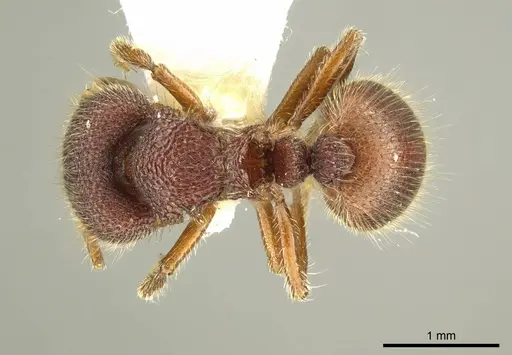
CASENT0922905
View on AntWeb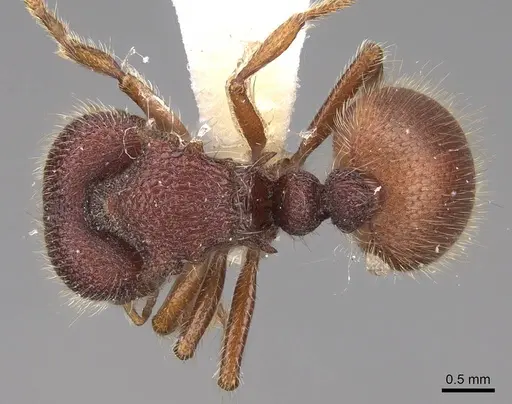
Literature
Loading...Loading products...