

Meranoplus aureolus
- Scientific Name
- Meranoplus aureolus
- Tribe
- Crematogastrini
- Subfamily
- Myrmicinae
- Author
- Crawley, 1921
- Distribution
- Found in 1 countries
Meranoplus aureolus Overview
Meranoplus aureolus is an ant species of the genus Meranoplus. It is primarily documented in 1 countries , including Australia. Detailed taxonomic data and occurrence records can be further explored via authoritative databases such as AntWeb or the Global Biodiversity Information Facility (GBIF).
Meranoplus aureolus
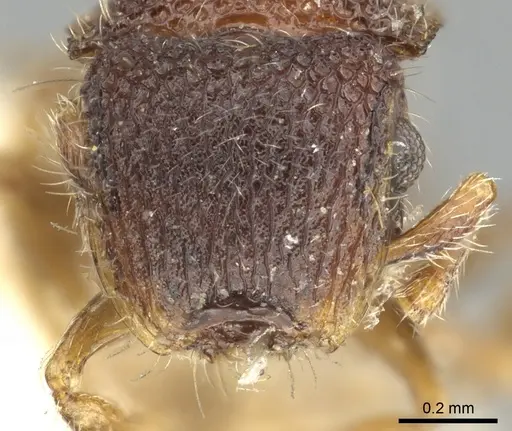
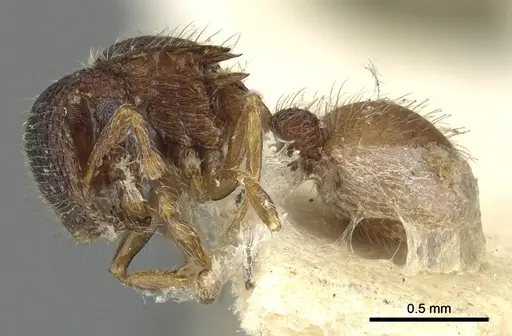
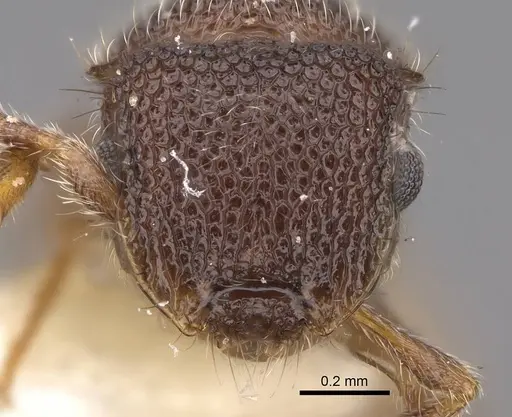
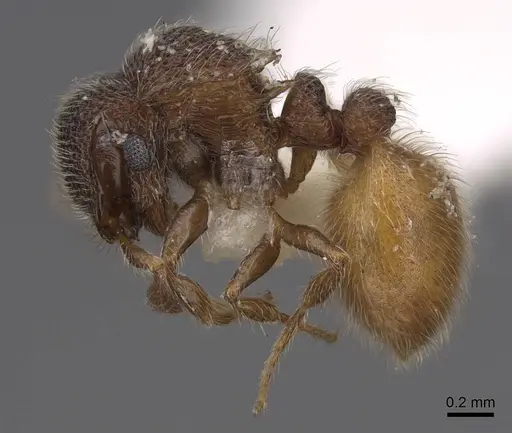
Meranoplus aureolus is a small myrmicine ant native to the Northern Territory of Australia. Workers measure around 3-4mm and feature the genus's distinctive shield-like pronotum, a wide, flattened structure that gives them their common name. The species has a promesonotal shield that is markedly wider than long, with a lateral pair of fully enclosed circular or elliptical translucent windows and opaque outer margins. Their body is covered with silky, white semi-appressed hairs, giving them a somewhat fuzzy appearance. These ants are found in the Top End region of the Northern Territory, where they nest in soil or under stones in tropical savanna habitats [1].
Quick Summary
- Difficulty: Medium
- Origin & Habitat: Northern Territory, Australia (Top End region). Found in tropical savanna habitats where they nest in soil or under stones.
- Colony Type: Likely monogyne (single queen colonies) based on typical Meranoplus patterns. Colony size appears small to moderate.
- Colony: Monogyne
- Founding: Claustral
- Size & Growth:
- Queen: Estimated 5-6mm based on genus patterns
- Worker: Approximately 3-4mm based on genus descriptions [1]
- Colony: Likely up to a few hundred workers based on typical Meranoplus colony sizes
- Growth: Moderate, based on related species
- Development: Estimated 6-8 weeks based on typical Myrmicinae development at warm temperatures (Development likely faster in warm conditions typical of their tropical habitat)
- Antkeeping:
- Temperature: Keep at 24-28°C. Being from the Australian Top End, they prefer warm conditions. A heating cable on one side of the nest creates a suitable gradient.
- Humidity: Moderate humidity around 50-60%. They come from a tropical region with distinct wet and dry seasons, so aim for consistently moist but not waterlogged nest substrate.
- Diapause: No, being from tropical northern Australia, they do not require hibernation. Maintain warm temperatures year-round.
- Nesting: Use a test tube setup for founding colonies, transitioning to a Y-tong or plaster nest as the colony grows. They prefer tight, snug chambers. Provide a moisture reservoir to maintain humidity.
- Behavior: These ants are generally calm and not aggressive. Workers are active foragers that search for honeydew and small insects. They have the typical Myrmicinae sting, though it's mild and rarely felt by humans. Their small size means escape prevention is important, use fine mesh barriers and tight-fitting lids. They are not known for wall-building or excessive digging.
- Common Issues: escape prevention is critical due to their small size, use fine mesh and tight lids, colonies may struggle if temperatures drop below 22°C for extended periods, overfeeding can lead to mold issues in nest setups, wild-caught colonies may have parasites that affect survival in captivity, slow founding phase may cause keepers to abandon colonies prematurely
Nest Preferences
In the wild, Meranoplus aureolus nests in soil or under stones in the Top End of the Northern Territory. This is a tropical savanna region with distinct wet (October-April) and dry (May-September) seasons. For captive care, start with a simple test tube setup for the founding queen. Once the colony reaches 20-30 workers, you can transition to a Y-tong (acrylic) or plaster nest. These ants prefer snug chambers rather than large open spaces. Keep the nest substrate consistently moist but not waterlogged, aim for damp soil conditions that don't drip. A built-in water reservoir in the nest setup helps maintain stable humidity. [1]
Feeding and Diet
Like most Meranoplus species, these ants are omnivorous. They feed on honeydew from aphids and scale insects, and supplement their diet with small insects and other protein sources. In captivity, offer sugar water or honey water as a constant energy source. For protein, provide small prey items like fruit flies, small crickets, or mealworm pieces. Feed protein 2-3 times per week, and replace uneaten prey after 24 hours to prevent mold. Fresh water should always be available. These ants are foragers and will send workers out to collect food, so provide a clear outworld space where you can observe their hunting behavior.
Temperature and Care
Being from the tropical Top End of the Northern Territory, Meranoplus aureolus requires warm conditions year-round. Keep the nest area at 24-28°C for optimal brood development. Temperatures below 22°C for extended periods can slow growth and potentially harm the colony. Use a heating cable or heating mat on one side of the nest to create a gentle temperature gradient, allowing ants to regulate their own exposure to warmth. Place the heating element on top of the nest rather than underneath to avoid excessive drying. No hibernation or winter rest is required, maintain consistent warm temperatures throughout the year.
Behavior and Temperament
Meranoplus aureolus workers are active foragers with a generally calm temperament. They are not particularly aggressive and pose no threat to keepers. The genus name 'Meranoplus' comes from Greek words meaning 'large shield' referring to their distinctive pronotal shield, which is their most recognizable feature. Workers will readily explore and forage in the outworld, making them interesting to watch. They have a typical Myrmicinae stinger, but due to their small size, it's rarely felt by humans. Their small size means they can squeeze through tiny gaps, excellent escape prevention with fine mesh barriers and tight-fitting lids is essential.
Colony Founding
The founding process follows typical Myrmicinae patterns. The queen seals herself in a small chamber (claustral founding) and raises the first brood alone using her stored fat reserves. She does not leave to forage during this period. The first workers (nanitics) are typically smaller than mature workers but will begin foraging once they emerge. During the founding phase, keep the queen undisturbed in darkness and avoid vibrations. The colony will remain in the test tube until the first workers emerge, then you can begin offering small food items in the outworld.
Frequently Asked Questions
How long does it take for Meranoplus aureolus to produce first workers?
Expect first workers (nanitics) to emerge in 6-8 weeks under optimal warm conditions (24-28°C). This is typical for Myrmicinae species in warm temperatures.
Can I keep multiple Meranoplus aureolus queens together?
Not recommended. This species appears to be monogyne (single queen), and combining unrelated queens typically leads to fighting. It's best to start with one queen per colony.
Do Meranoplus aureolus ants sting?
They have a stinger like all Myrmicinae ants, but due to their very small size, it's rarely felt by humans. They are not considered dangerous or aggressive.
What temperature do Meranoplus aureolus need?
Keep them warm at 24-28°C. Being from tropical northern Australia, they do not tolerate cool temperatures well. A heating setup is recommended.
Are Meranoplus aureolus good for beginners?
They are intermediate-level ants. Their small size and escape risk make them slightly more challenging than larger species, but their calm temperament and moderate care requirements make them manageable for keepers with some experience.
How big do Meranoplus aureolus colonies get?
Based on typical Meranoplus patterns, colonies likely reach several hundred workers. They are not among the largest ant species.
Do Meranoplus aureolus need hibernation?
No. Being from tropical northern Australia, they do not require hibernation or winter rest. Keep them warm year-round.
What do Meranoplus aureolus eat?
They are omnivorous. Offer sugar water or honey as an energy source, and small insects like fruit flies or cricket pieces for protein. They also collect honeydew in the wild.
When should I move Meranoplus aureolus to a formicarium?
Keep them in a test tube setup until the colony reaches 20-30 workers. At this point, you can transition to a Y-tong or plaster nest with a moisture reservoir.
Why are my Meranoplus aureolus escaping?
Their small size means they can squeeze through tiny gaps. Use fine mesh (0.5mm or smaller), tight-fitting lids, and apply fluon or similar barriers to all openings. Check for any cracks or gaps in your setup.
References

This caresheet is licensed under CC BY-SA 4.0 .
CASENT0902048
View on AntWeb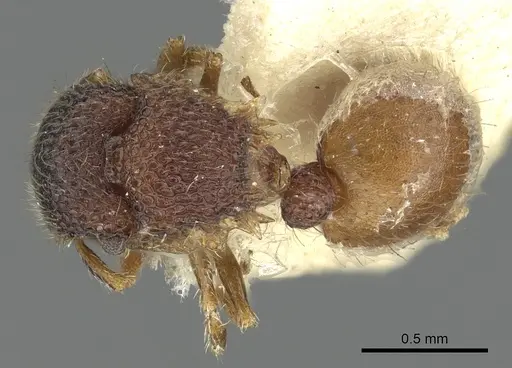
CASENT0922918
View on AntWeb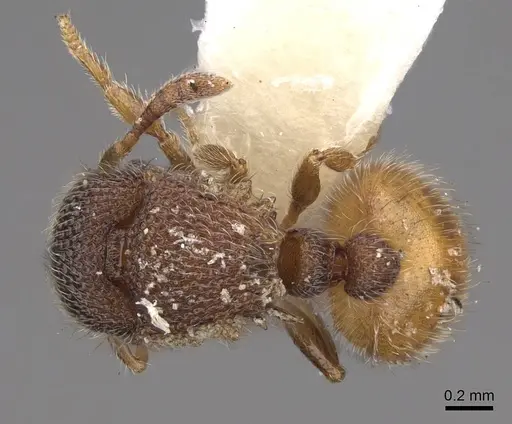
Literature
Loading...Loading products...