

Meranoplus armatus
- Scientific Name
- Meranoplus armatus
- Tribe
- Crematogastrini
- Subfamily
- Myrmicinae
- Author
- Smith, 1862
- Distribution
- Found in 1 countries
Meranoplus armatus Overview
Meranoplus armatus is an ant species of the genus Meranoplus. It is primarily documented in 1 countries , including Papua New Guinea. Detailed taxonomic data and occurrence records can be further explored via authoritative databases such as AntWeb or the Global Biodiversity Information Facility (GBIF).
Meranoplus armatus
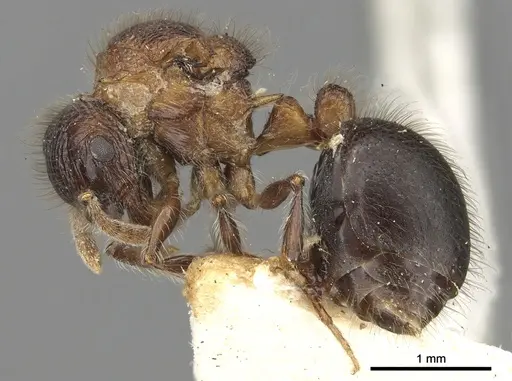
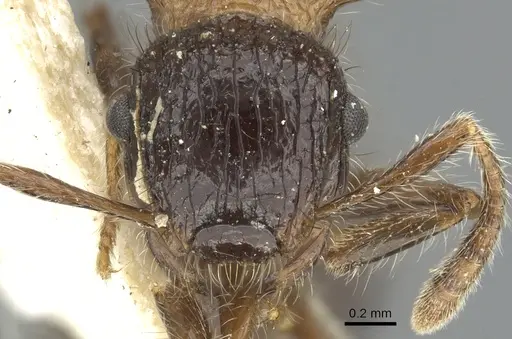
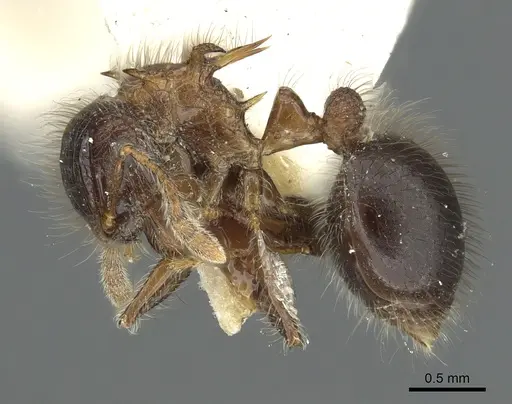
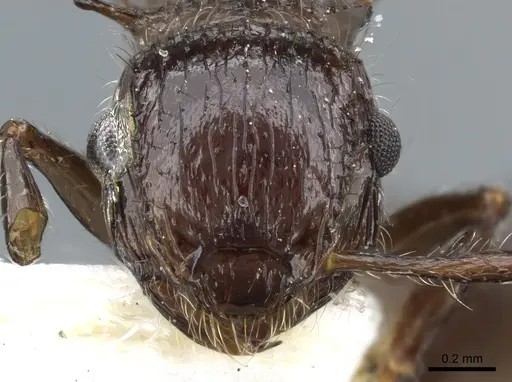
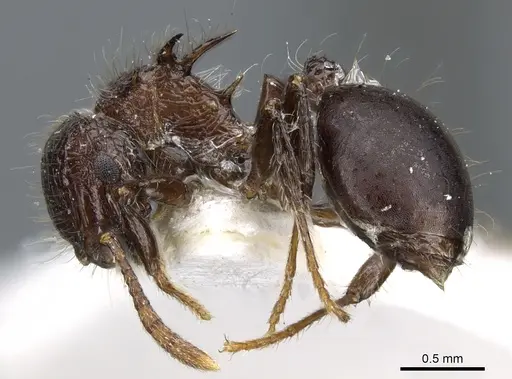
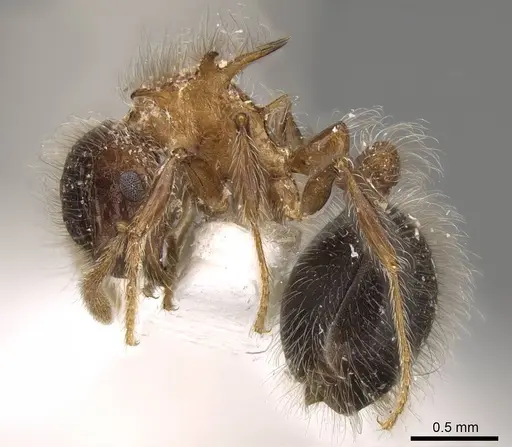
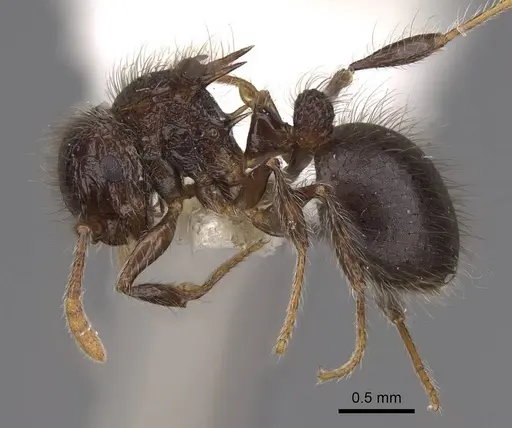
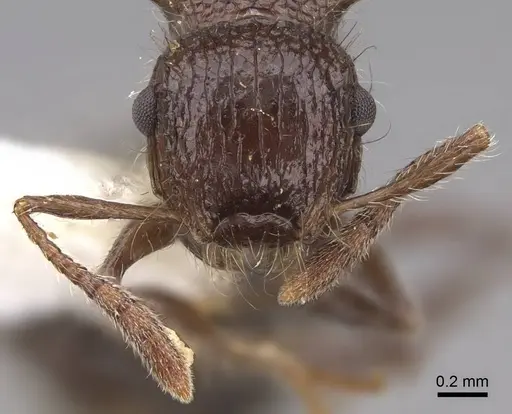
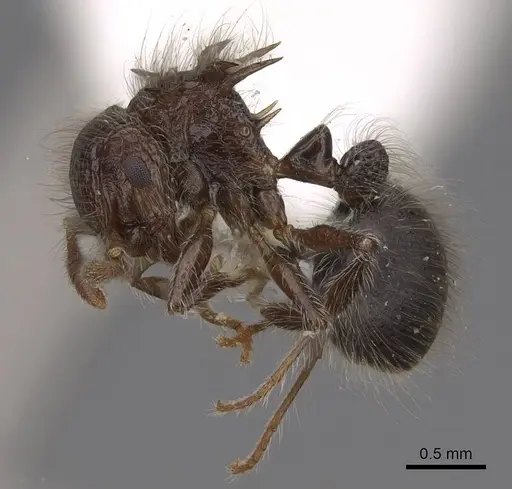
Meranoplus armatus is a small to medium-sized Myrmicinae ant known for its distinctive appearance. Workers have very extensive promesonotal shields with extremely long and spinose lateral and posterior projections, these spines are about as long as the width of the promesonotal dorsum or longer, giving them a dramatic armored look [1]. This species is widespread in Western Melanesia and the Moluccas, likely originating from northern Australia, Indonesia (Sulawesi or Sumatra), and Papua New Guinea [2]. They are very rare in Australia, known from only two species in that region [1].
This is a poorly studied species with limited documented information. Based on genus patterns, these ants likely inhabit rainforest environments and nest in soil or under stones. Their dramatic spines likely serve as defense against predators. They are not aggressive and likely have typical Myrmicinae diets.
Quick Summary
- Difficulty: Medium
- Origin & Habitat: Northern Australia, Indonesia (Sulawesi/Sumatra), and Papua New Guinea. Found in rainforest habitats in North Queensland and throughout Western Melanesia and the Moluccas [1][2].
- Colony Type: Colony structure is unconfirmed. Based on genus patterns, likely single-queen (monogyne) colonies.
- Size & Growth:
- Queen: Estimated 6-8mm based on genus patterns
- Worker: Estimated 4-6mm based on genus patterns
- Colony: Likely small to moderate, possibly several hundred workers based on related species
- Growth: Moderate, estimated based on genus patterns
- Development: Estimated 6-10 weeks at optimal temperature based on typical Myrmicinae development (Development timeline is not directly studied for this species. Estimates based on related Meranoplus species patterns.)
- Antkeeping:
- Temperature: Keep around 24-28°C. Being a tropical/subtropical species from rainforest habitats, they prefer warm and humid conditions [1]. A gentle gradient allowing them to self-regulate is ideal.
- Humidity: High humidity preferred, think damp rainforest floor. Keep nest substrate consistently moist but not waterlogged. Provide some drier areas for workers to choose.
- Diapause: Unknown for this species. Northern Australia and PNG populations may not require formal hibernation, but a slight cool period during winter months may be beneficial.
- Nesting: Based on genus patterns, they likely nest in soil or under stones in nature. In captivity, a Y-tong (AAC) nest or plaster nest with good moisture retention works well. Avoid very dry setups.
- Behavior: Based on genus patterns, these ants are not aggressive and are relatively calm. Workers are likely medium-active, foraging for honeydew and small prey. Their dramatic spines provide defense, so they may be less likely to bite than smooth-bodied ants. Escape risk is moderate, use standard mesh barriers. They likely form moderate-sized colonies.
- Common Issues: very limited species-specific information makes care recommendations uncertain, wild-caught colonies may have parasites or diseases since the species is rarely kept, high humidity requirements can lead to mold if ventilation is poor, tropical species may struggle in cool or dry environments, slow colony growth may frustrate beginners
Appearance and Identification
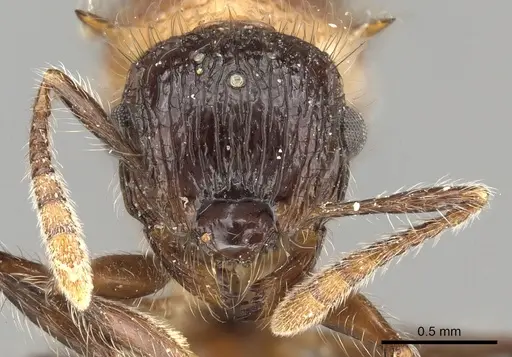
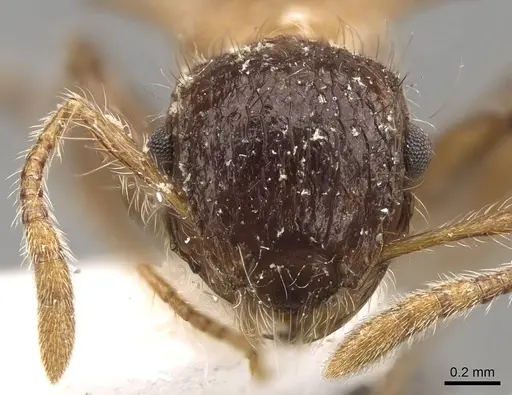
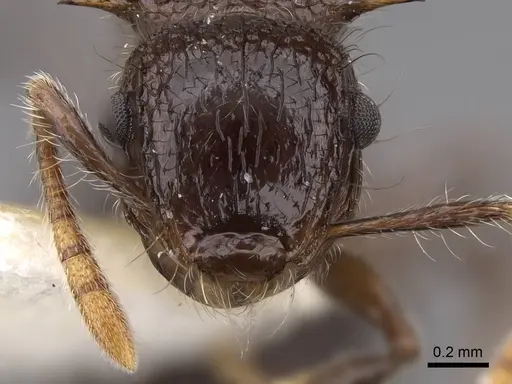
Meranoplus armatus workers are distinctive due to their very extensive promesonotal shields. These shields have extremely long and spinose lateral and posterior projections that are about as long as the width of the promesonotal dorsum or even longer [1]. This gives them a dramatic, armored appearance unlike many other Myrmicinae ants. The species was originally described by Smith in 1862 from either Sumatra or Sulawesi, with Sulawesi being considered more likely [2]. It was later confirmed as the senior synonym of Meranoplus armatus, which was described from Papua New Guinea [2]. This is a very rare species in Australia, known from only two documented specimens including M. armatus and one undescribed species [1].
Natural Distribution and Habitat
This species occurs across Western Melanesia and the Moluccas, with confirmed populations in northern Australia, Indonesia (Sulawesi or Sumatra), and Papua New Guinea [2]. In Australia, they are found in rainforest habitats in North Queensland [1]. The distribution pattern suggests they prefer tropical to subtropical moist environments. The species is considered probably indigenous to northern Australia, meaning it naturally occurs there rather than being introduced [2]. Given the rainforest habitat preference, they likely thrive in warm, humid conditions with plenty of cover and moisture.
Housing and Nesting
Based on typical Meranoplus behavior and the species' rainforest origin, provide a nest that maintains high humidity. Y-tong (AAC) nests or plaster nests work well for this type of ant. The nest should have chambers scaled to their size (workers estimated 4-6mm) with good moisture retention. The outworld should have space for foraging and a water source. Since they come from rainforest environments, avoid dry setups. Provide a humidity gradient by keeping one side moister than the other, allowing workers to self-regulate. Use standard escape prevention with appropriate mesh, their moderate size means standard barriers should work, but check for small gaps.
Feeding and Diet
Like most Myrmicinae ants, Meranoplus armatus likely accepts a varied diet. Offer sugar water or honey regularly as an energy source. For protein, provide small insects like fruit flies, pinhead crickets, or mealworms. Based on genus patterns, they likely also collect honeydew from aphids or scale insects if kept in a naturalistic setup. Feed protein 2-3 times per week and keep sugar sources available constantly. Remove uneaten prey after 24-48 hours to prevent mold. Since this species is rarely kept, acceptance of various foods may need to be observed experimentally.
Temperature and Humidity Requirements
As a tropical species from rainforest habitats in northern Australia and PNG, Meranoplus armatus prefers warm and humid conditions. Keep temperatures around 24-28°C for optimal colony health and development. A slight temperature gradient allowing workers to move between warmer and cooler areas is ideal. Use a heating cable on one side of the nest if room temperature is below 24°C. Humidity should be high, the nest substrate should feel consistently moist but never waterlogged. Mist the nest occasionally and monitor for condensation, which indicates good humidity. Poor humidity can slow colony growth and lead to worker mortality. [1]
Colony Development
The colony structure and development specifics are not well-documented for this species. Based on typical Myrmicinae patterns, founding queens likely seal themselves in a claustral chamber and raise the first workers alone using stored fat reserves. First workers (nanitics) will be smaller than normal workers. Colony growth is likely moderate, expect several months before the first workers appear, then several more months before the colony reaches significant size. Maximum colony size is estimated at several hundred workers based on related species. Be patient with this species as they are slow growers and limited breeding information exists.
Frequently Asked Questions
How long does it take for Meranoplus armatus to produce first workers?
The exact timeline is not documented for this species. Based on typical Myrmicinae development, expect 6-10 weeks from egg to worker at optimal temperature (24-28°C). Founding queens may take several weeks to lay eggs after establishing, so first workers could appear 3-6 months after the queen is caught.
What do Meranoplus armatus ants eat?
Like most Myrmicinae ants, they likely accept sugar sources (honey water, sugar water) and protein (small insects like fruit flies, pinhead crickets, mealworms). Feed protein 2-3 times per week and keep sugar water available constantly. This species is rarely kept, so exact food preferences may need to be observed.
Do Meranoplus armatus ants sting?
Most Myrmicinae ants have stingers, though they may be too small to penetrate human skin effectively. Based on genus patterns, they are not aggressive and their spines serve as primary defense. They are unlikely to be a significant stinging concern for keepers.
Are Meranoplus armatus good for beginners?
This species is not recommended for beginners due to very limited species-specific care information and the need for warm, humid conditions. Related Meranoplus species may be better choices for those new to ant keeping. If you do keep this species, expect some experimentation to find optimal care conditions.
What temperature do Meranoplus armatus ants need?
Keep them at 24-28°C, which is warm and typical for tropical rainforest species. Use a heating cable on part of the nest if your room temperature is below this range. They are unlikely to tolerate cool conditions well.
How big do Meranoplus armatus colonies get?
Colony size is not directly documented, but based on related species, they likely reach several hundred workers. This is a moderate-sized colony for a Myrmicinae ant. Growth is likely moderate, so colonies will develop over several years.
Do Meranoplus armatus need hibernation?
Diapause requirements are unknown for this species. Being from tropical regions (northern Australia, PNG), they may not need formal hibernation. A slight cool period during winter months (around 18-20°C) may be beneficial but is likely not required.
What makes Meranoplus armatus distinctive?
They have very extensive promesonotal shields with extremely long and spinose lateral and posterior projections, these spines are about as long as the width of the promesonotal dorsum or longer [1]. This gives them a dramatic, armored appearance unique among many ant species.
Can I keep multiple Meranoplus armatus queens together?
Colony structure is not documented for this species. Based on typical Myrmicinae patterns, they likely form single-queen colonies. Combining unrelated queens is not recommended as they may fight. If you catch a founding queen, house her alone until workers emerge.
References

This caresheet is licensed under CC BY-SA 4.0 .
CASENT0902041
View on AntWeb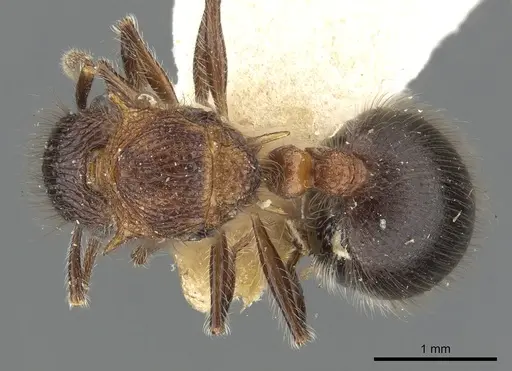
CASENT0902042
View on AntWeb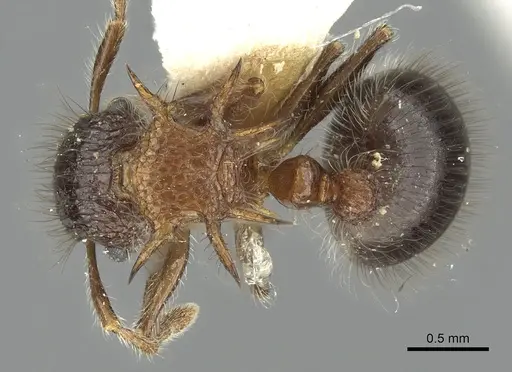
CASENT0904686
View on AntWeb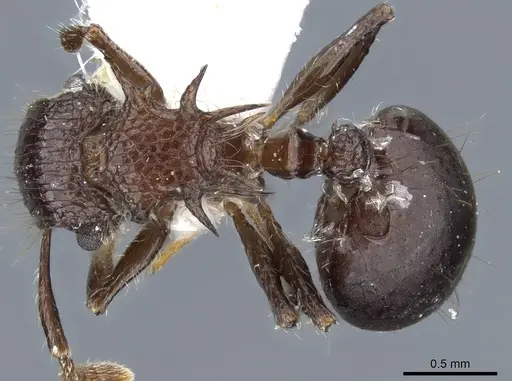
CASENT0914052
View on AntWeb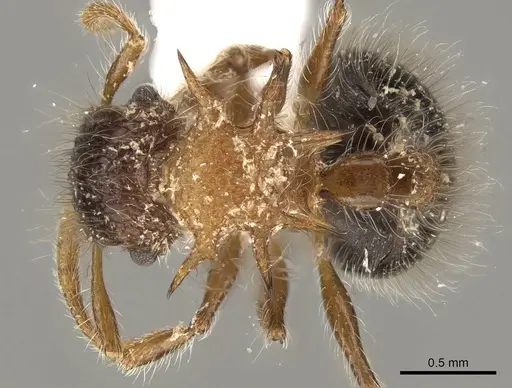
CASENT0922936
View on AntWeb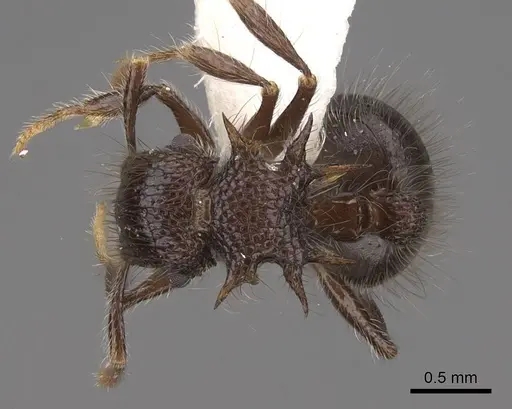
CASENT0922937
View on AntWeb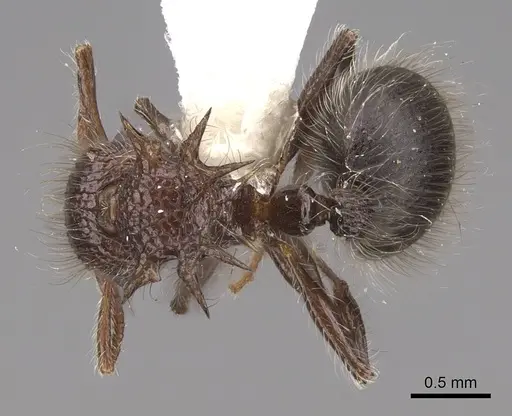
Literature
Loading...Loading products...