

Meranoplus angustinodis
- Scientific Name
- Meranoplus angustinodis
- Tribe
- Crematogastrini
- Subfamily
- Myrmicinae
- Author
- Schödl, 2007
- Distribution
- Found in 1 countries
Meranoplus angustinodis Overview
Meranoplus angustinodis is an ant species of the genus Meranoplus. It is primarily documented in 1 countries , including Australia. Detailed taxonomic data and occurrence records can be further explored via authoritative databases such as AntWeb or the Global Biodiversity Information Facility (GBIF).
Meranoplus angustinodis
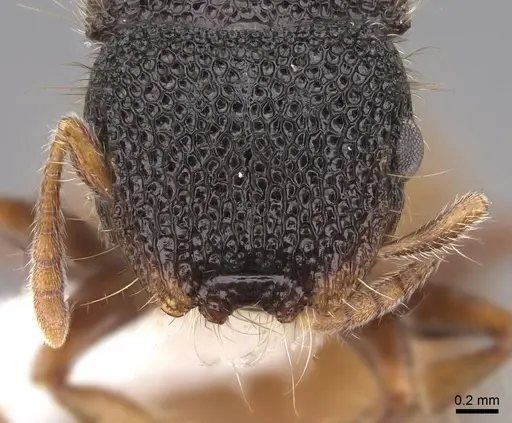
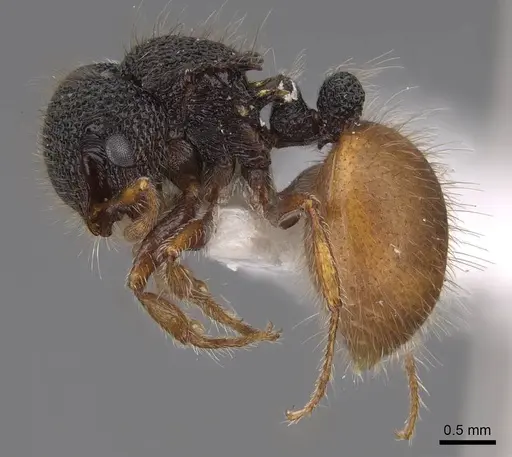
Meranoplus angustinodis is a medium-sized myrmicine ant native to south-eastern Australia, found throughout South Australia, Victoria, and New South Wales [1]. Workers measure 4.95-6.05mm and have a striking bicolored appearance, the gaster and appendages are yellow while the rest of the body is dark piceous (nearly black), with the femora darker at the base [1]. This species belongs to the M. taurus species group and is easily recognized by its narrowly triangular petiole and distinctive elongate postpetiole with a large basal tooth [1].
This is a ground-nesting species that forages on the ground surface. What makes M. angustinodis unusual among ants is its granivorous diet, it specializes in collecting and consuming seeds rather than hunting insects [1]. This seed-eating behavior is relatively rare in the Myrmicinae and makes their dietary needs quite different from typical antkeepers' fare.
Quick Summary
- Difficulty: Medium
- Origin & Habitat: South-eastern Australia (South Australia, Victoria, New South Wales). Inhabits dry to semi-arid grasslands and open woodland areas, nesting directly in the ground [1].
- Colony Type: Colony structure is unconfirmed. Based on typical Meranoplus patterns, likely single-queen colonies.
- Size & Growth:
- Queen: Unknown, not directly described in available literature [1].
- Worker: 4.95-6.05mm [1].
- Colony: Unknown, no colony size data available.
- Growth: Moderate, estimated based on typical Meranoplus development.
- Development: Estimated 6-10 weeks at optimal temperature based on related Meranoplus species. (Development timeline is not directly documented for this species. Expect moderate growth rate typical of ground-nesting Myrmicinae.)
- Antkeeping:
- Temperature: Keep at 22-26°C. Australian species from temperate to warm regions can handle room temperature in most homes. Provide a gentle heat gradient if possible.
- Humidity: Moderate humidity around 50-60%. These ants come from relatively dry Australian habitats, so avoid overly damp conditions. Allow the nest substrate to dry partially between waterings.
- Diapause: Yes, Australian temperate species will need a winter rest period. Reduce temperature to 10-15°C for 2-3 months during winter.
- Nesting: Ground-nesting species. Accepts test tubes with dirt chambers, plaster nests, or naturalistic setups with soil substrate. Provide a deep enough chamber for seed storage since they collect seeds.
- Behavior: Generally peaceful and not aggressive toward keepers. Workers are active foragers that search for seeds on the ground. They are moderate escape risks, use standard barrier methods. Their small to medium size means they can squeeze through small gaps, so ensure lids fit tightly.
- Common Issues: seed storage can attract mold if humidity is too high, balance moisture carefully, winter diapause is essential for long-term colony health, skipping it may cause problems, slow founding stage, queens may take months to produce first workers, ground-nesting means they need deeper nest chambers than surface-nesting species, granivorous diet requires appropriate seed offerings, protein alone may not sustain them
Housing and Nest Setup
Meranoplus angustinodis is a ground-nesting species that needs deeper nest chambers compared to surface-nesting ants. Test tube setups with a dirt chamber work well, or you can use a plaster nest with adequate depth. The nest should have a water reservoir to maintain moderate humidity without over-wetting. Since these ants collect seeds, provide enough space in the nest chamber for seed storage. A naturalistic setup with a soil layer of at least 2-3cm works well for this species. Outworld space should allow workers to forage, a simple foraging area with seed dishes and occasional protein offerings is sufficient. Escape prevention should be standard, these are medium-sized ants but can still squeeze through small gaps, so use fluon on edges and ensure lids are tight [1].
Feeding and Diet
This is a granivorous species, they primarily collect and eat seeds in the wild [1]. In captivity, offer a variety of small seeds appropriate for their size, such as grass seeds, millet, or commercial ant seed mixes. Seeds should be small enough for workers to handle. Unlike purely predatory ants, M. angustinodis can sustain themselves on seeds as a primary food source. However, offering occasional protein sources like small insects or protein jelly helps ensure balanced nutrition. Sugar water or honey can be offered occasionally but is not required for this species. Fresh water should always be available. The key difference from typical antkeeping is that you'll need to provide a consistent seed offering rather than focusing on insect prey.
Temperature and Seasonal Care
Keep your colony at 22-26°C for optimal activity and brood development. This species comes from temperate south-eastern Australia and does well at typical room temperature. A heating cable on one side of the nest can create a gradient if your room runs cool. During the Australian winter (roughly June-August in the southern hemisphere), these ants enter a rest period. Reduce temperatures to 10-15°C for 2-3 months to simulate winter conditions. This diapause period is important for colony health and may trigger reproductive behavior in spring. Do not feed heavily during diapause, reduce food offerings and allow the colony to slow down. In summer, they can tolerate warmer temperatures but avoid extreme heat above 30°C.
Colony Development and Growth
Colony growth is expected to be moderate. The founding stage may be slow, claustral queens typically seal themselves in and raise first workers alone, which can take several months. Once the first workers (nanitics) emerge, the colony should begin growing steadily. Expect the first major growth phase in the first year after founding. Since colony size data is not available for this species, plan for a colony that reaches several hundred workers over 2-3 years under good conditions. The distinctive morphology, narrow triangular petiole and toothed postpetiole, becomes visible once workers are around 3mm or larger. Monitor for queen activity and brood production as indicators of colony health.
Behavior and Observation
Workers are active foragers that search for seeds on the ground surface. They are not particularly aggressive and typically ignore keeper interference. You may observe them carrying seeds back to the nest, this granivorous behavior is their most distinctive trait. Workers communicate through chemical trails rather than the tandem-running seen in some other genera. The bicolored appearance (yellow gaster, dark body) makes them visually distinctive in the outworld. They are primarily diurnal, foraging during daylight hours. Colonies are not known for being particularly defensive, making them manageable for observation. Their moderate size makes them easy to observe without magnification. [1]
Frequently Asked Questions
What do Meranoplus angustinodis ants eat?
They are granivorous, seed-eating ants. Offer small seeds like grass seeds, millet, or commercial ant seed mixes as their primary food. They can also accept occasional protein like small insects, but seeds should make up the bulk of their diet [1].
How long does it take for Meranoplus angustinodis to produce first workers?
The exact timeline is unconfirmed, but based on related Meranoplus species, expect 6-10 weeks from egg to first worker at optimal temperature. Founding can be slow, queens may take several months to seal in and raise their first brood.
Do Meranoplus angustinodis need hibernation?
Yes. As an Australian temperate species, they need a winter rest period. Reduce temperature to 10-15°C for 2-3 months during winter. This diapause is important for long-term colony health.
What size colony does Meranoplus angustinodis reach?
Colony size is not documented in scientific literature. Based on related species, expect several hundred workers over 2-3 years under good conditions.
Are Meranoplus angustinodis good for beginners?
They are rated Medium difficulty. The seed-based diet is unusual and requires different feeding than typical ants. Their ground-nesting needs and winter diapause requirements add complexity. Not the best choice for complete beginners, but manageable for those with some antkeeping experience.
Do Meranoplus angustinodis ants sting?
They have a stinger but are not aggressive. They are unlikely to sting keepers during normal observation. As Myrmicinae, they possess venom but typically use it for prey subduction rather than defense.
Where is Meranoplus angustinodis found in the wild?
They are native to south-eastern Australia, found in South Australia, Victoria, and New South Wales. They inhabit dry to semi-arid grasslands and open woodland areas, nesting in the ground [1].
Can I keep multiple Meranoplus angustinodis queens together?
Colony structure is unconfirmed. Combining unrelated queens has not been documented for this species. It is not recommended to attempt multi-queen setups without evidence they accept it.
Why is my Meranoplus angustinodis colony declining?
Common issues include: too high humidity causing mold (they prefer drier conditions), skipping winter diapause, insufficient seed offerings, or stress from disturbance during founding. Check that seeds are being stored properly and that humidity is balanced.
References

This caresheet is licensed under CC BY-SA 4.0 .
CASENT0919714
View on AntWeb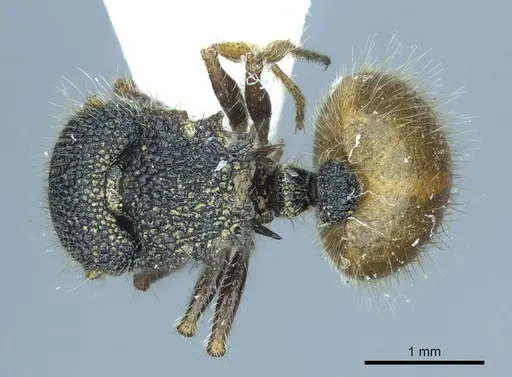
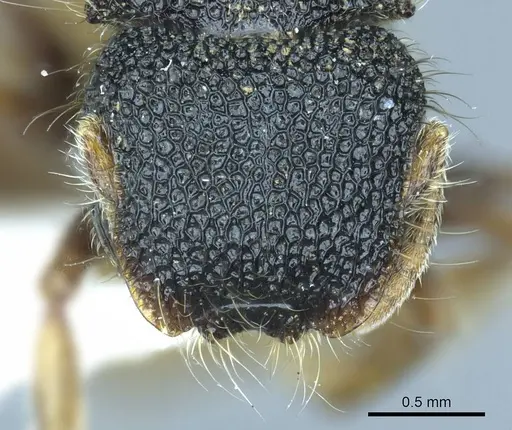
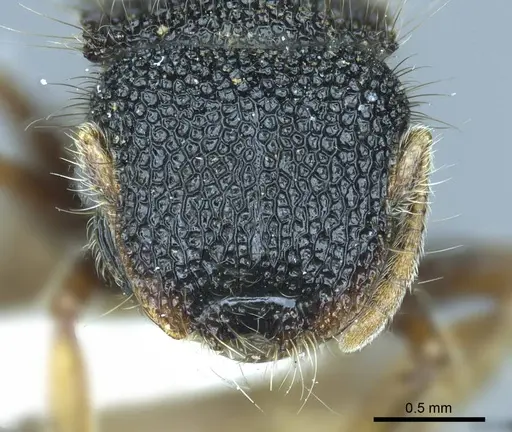
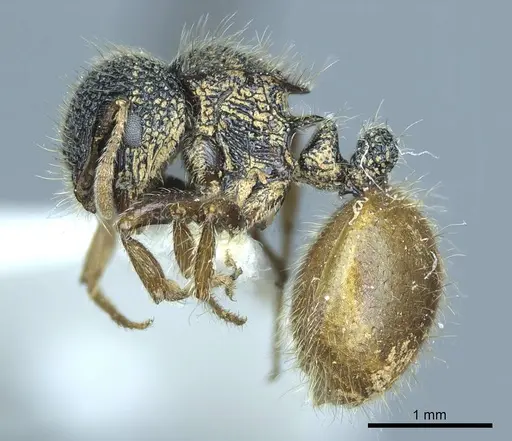
CASENT0922908
View on AntWeb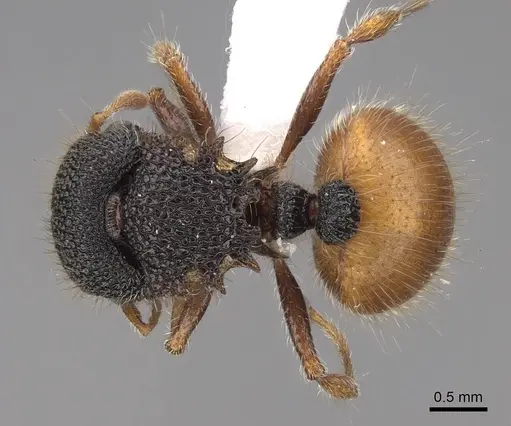
Literature
Loading...Loading products...