

Meranoplus ajax
- Scientific Name
- Meranoplus ajax
- Tribe
- Crematogastrini
- Subfamily
- Myrmicinae
- Author
- Forel, 1915
- Distribution
- Found in 1 countries
Meranoplus ajax Overview
Meranoplus ajax is an ant species of the genus Meranoplus. It is primarily documented in 1 countries , including Australia. Detailed taxonomic data and occurrence records can be further explored via authoritative databases such as AntWeb or the Global Biodiversity Information Facility (GBIF).
Meranoplus ajax
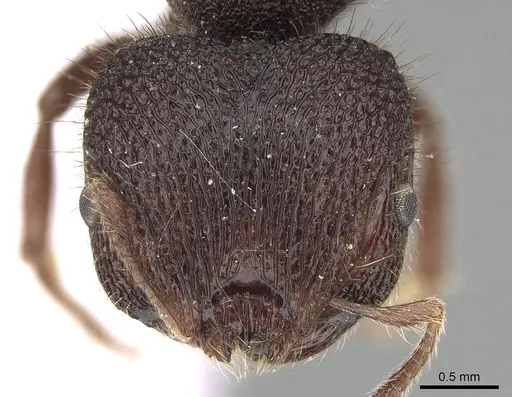
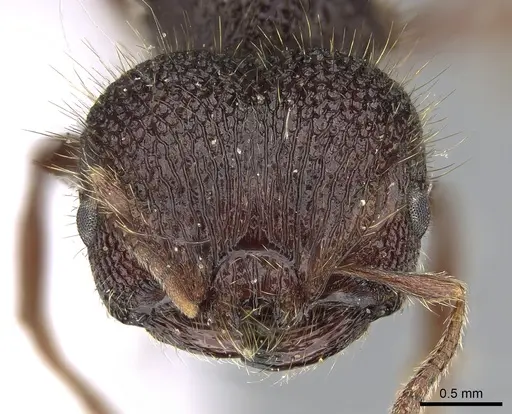
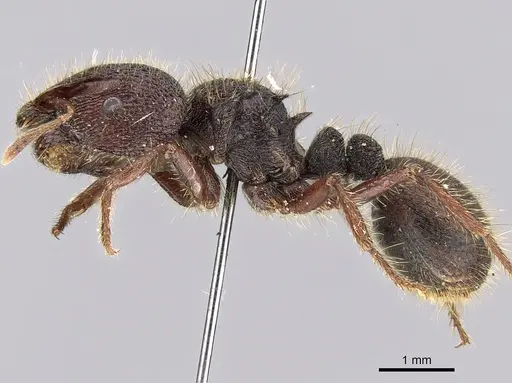
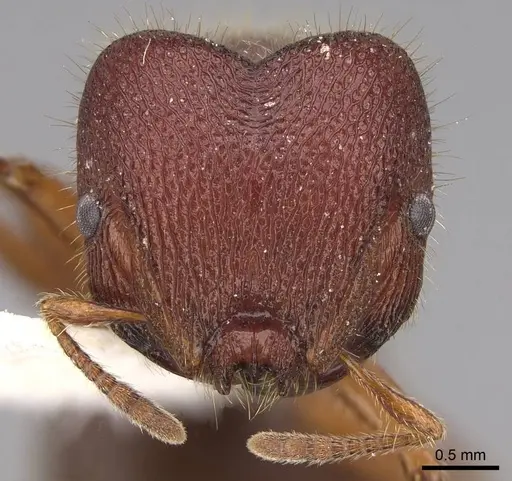
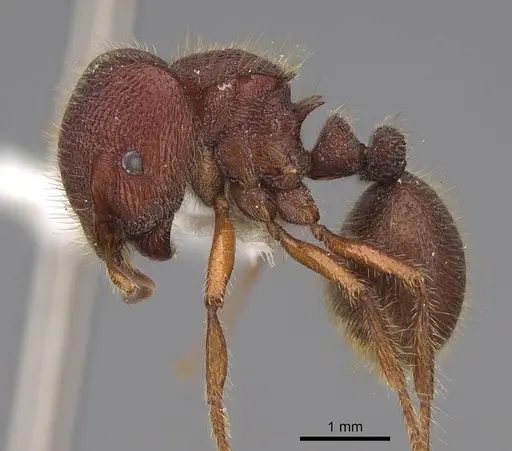
Meranoplus ajax is a medium-large Myrmicinae ant native to Australia, measuring 6.5-9.25mm in total length. Workers have a distinctive appearance with a broad, shield-like head that is wider than long, a three-pointed clypeal projection, and long slender propodeal spines. Their coloration ranges from brown to dark brown, often with a slightly brighter gaster. This species belongs to the Meranoplus diversus group and shows significant variation across its range, southern populations have more pronounced gastral striation and longer pilosity, while northern populations tend to have reduced striation and shorter, stouter hairs [1].
This is a ground-nesting ant found throughout most of arid to monsoonal Australia, absent only from the southernmost regions. As a Hot Climate Specialist with Eyrean biogeographic affinities, they are adapted to Australia's challenging hot and often dry conditions. They are granivorous, meaning they collect and eat seeds, though they likely supplement their diet with protein from small insects [1].
Quick Summary
- Difficulty: Medium
- Origin & Habitat: Native to Australia, found throughout arid to monsoonal regions. Absent from southernmost parts. Nests in the ground [1].
- Colony Type: Colony structure is unconfirmed. Most Meranoplus species are single-queen (monogyne) colonies. Ergatoid replacement reproductives have not been documented for this species.
- Size & Growth:
- Queen: Unconfirmed, no queen measurements in available literature. Based on worker size (6.5-9.25mm), queens likely measure 10-14mm [1].
- Worker: 6.5-9.25mm total length [1]
- Colony: Unconfirmed, no colony size data available. Based on related species, likely reaches several hundred workers.
- Growth: Moderate, inferred from typical Meranoplus patterns
- Development: Unconfirmed, no direct development data. Based on similar Myrmicinae in warm climates, estimated 6-10 weeks at optimal temperature. (Development timeline is estimated based on genus patterns and Australian climate conditions.)
- Antkeeping:
- Temperature: Keep at 24-30°C. As Hot Climate Specialists, they prefer warmer conditions. A heating cable on one side of the nest creates a suitable gradient [2].
- Humidity: Moderate humidity preferred, allow substrate to dry partially between waterings. These ants are adapted to arid to monsoonal conditions and tolerate drier conditions better than constant moisture.
- Diapause: Unconfirmed, Australian species may have reduced winter activity but proper hibernation requirements are unknown. Some Meranoplus species from temperate regions may require a cool period.
- Nesting: Ground-nesting species. In captivity, a naturalistic setup with soil or a Y-tong/plaster nest works well. Provide digging medium and ensure the nest chamber is appropriately sized for their medium-large size.
- Behavior: Workers are active foragers that collect seeds. They are not particularly aggressive but will defend their nest. As medium-large ants, they have moderate escape risk, standard barrier methods work well. They are diurnal and adapted to hot conditions [2].
- Common Issues: colony structure unconfirmed, careful observation needed when establishing colonies, granivorous diet requires appropriate seed offerings alongside protein, escape prevention important during feeding, workers may carry seeds to hidden locations, humidity management critical, too wet can be harmful, they prefer drier conditions, limited availability in antkeeping hobby, may be difficult to acquire
Housing and Nest Setup
Meranoplus ajax is a ground-nesting ant that requires appropriate housing for medium-large Myrmicinae. In captivity, you can use a naturalistic setup with a soil-filled container or a commercial formicarium. For a naturalistic setup, use a mix of sand and soil (about 70:30 sand to soil) to allow for digging and tunnel construction. Ensure the substrate is compact enough to hold tunnels but not so dense it collapses. A Y-tong or plaster nest also works well, choose one with chambers sized appropriately for their 6-9mm workers. Provide an outworld area for foraging. Since they are granivorous, scatter some small seeds in the foraging area. Use a water tube for drinking and mist the nest occasionally for humidity. [1]
Feeding and Diet
This species is granivorous, meaning seeds form a significant part of their diet [1]. In captivity, offer a variety of small seeds suitable for ant consumption, grass seeds, millet, and commercial ant seed mixes work well. They should also receive protein sources like small insects (fruit flies, pinhead crickets, mealworms) approximately twice weekly. A sugar source (honey water or sugar water) can be offered occasionally but is not required if they are getting enough seeds and protein. Remove uneaten seeds and insects regularly to prevent mold. Fresh water should always be available.
Temperature and Heating
As Hot Climate Specialists, these ants prefer warmer temperatures in the range of 24-30°C [2]. This aligns with their natural habitat in arid to monsoonal Australia. Use a heating cable or heating mat placed on one side of the nest to create a temperature gradient, allowing workers to regulate their temperature by moving between warmer and cooler areas. Place the heating on top of the nest (not underneath) to avoid excessive drying. Night-time temperature drops are generally acceptable as long as they don't drop below room temperature. Avoid temperatures below 20°C for extended periods.
Humidity and Water
Meranoplus ajax is adapted to arid to monsoonal conditions in Australia, meaning they tolerate drier conditions better than constant moisture. Keep the nest substrate moderately moist but allow it to dry partially between waterings. The substrate should feel damp to the touch but not be waterlogged. Provide a constant water source via a test tube with a cotton wick or a small water dish in the outworld. Mist the nest occasionally rather than keeping it constantly damp. Good ventilation is important to prevent mold growth while maintaining appropriate humidity. [1]
Colony Establishment
If you acquire a founding queen, she will need a claustral setup, a small test tube or founding chamber where she can seal herself in and raise her first workers. Based on typical Myrmicinae behavior, she is likely claustral (seals herself in and lives off stored fat reserves until first workers emerge). Provide a small water tube and keep the setup dark and undisturbed. Once the first workers (nanitics) emerge, you can begin offering small seeds and protein. Wait several weeks before checking, disturbance can cause queens to abandon or eat their brood. Colony growth is moderate, with workers reaching 6-9mm in size.
Behavior and Activity
Workers are active foragers that search for seeds and small insects. They are not particularly aggressive toward humans but will defend their nest if threatened. As medium-large ants, they can be handled with care but avoid frequent disturbance. They are diurnal and adapted to hot conditions, remaining active even in warmer parts of the day when other ant species might seek shade. Workers have the distinctive Meranoplus appearance with a broad head and long propodeal spines. They communicate through chemical trails and will recruit nestmates to food sources. [1]
Frequently Asked Questions
How long does it take for Meranoplus ajax to produce first workers?
The exact development timeline is unconfirmed, but based on similar Myrmicinae in warm climates, expect 6-10 weeks from egg to first worker at optimal temperature (24-30°C). This is an estimate as specific development data for this species is not available.
What do Meranoplus ajax ants eat?
They are granivorous, meaning they eat seeds. Offer small seeds like grass seeds, millet, or commercial ant seed mixes. Also provide protein sources like small insects (fruit flies, pinhead crickets, mealworms) twice weekly. A sugar source can be offered occasionally.
What temperature do Meranoplus ajax ants need?
Keep them at 24-30°C. As Hot Climate Specialists from Australia, they prefer warmer conditions. Use a heating cable on one side of the nest to create a gradient.
Are Meranoplus ajax ants good for beginners?
They are rated as Medium difficulty. They require warmer temperatures and have specific humidity needs (preferring drier conditions). Their granivorous diet is somewhat unique. They may be challenging to acquire as they are not common in the antkeeping hobby.
How big do Meranoplus ajax colonies get?
Colony size is unconfirmed, but based on related species, they likely reach several hundred workers. Workers measure 6.5-9.25mm in length.
Do Meranoplus ajax ants need hibernation?
Hibernation requirements are unconfirmed. Australian species may have reduced activity in cooler months but proper hibernation (true diapause) has not been documented. Some Meranoplus species from temperate regions may require a cool period.
What type of nest is best for Meranoplus ajax?
They are ground-nesting ants. A naturalistic setup with soil or a Y-tong/plaster nest works well. Ensure chambers are appropriately sized for their medium-large workers (6-9mm).
Do Meranoplus ajax ants sting?
As Myrmicinae ants, they have a stinger but it is rarely used defensively. They are not considered dangerous to humans. The stinger is more effective against prey insects.
Can I keep multiple queens together?
Colony structure is unconfirmed for this species. Most Meranoplus species are single-queen (monogyne) colonies. Combining unrelated queens is not recommended as it has not been documented.
Why are my Meranoplus ajax dying?
Common issues include: too much moisture (they prefer drier conditions), temperatures below 20°C, insufficient seed offerings (they are granivorous), and disturbance during founding. Ensure proper humidity balance, adequate heating, and provide appropriate diet.
References

This caresheet is licensed under CC BY-SA 4.0 .
CASENT0317389
View on AntWeb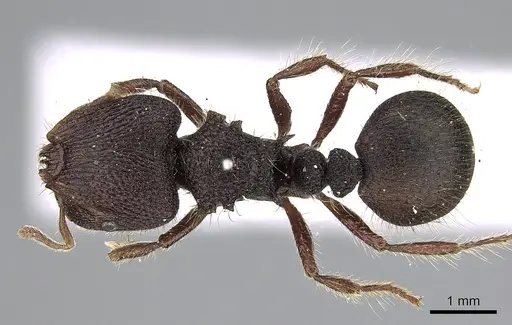
CASENT0922904
View on AntWeb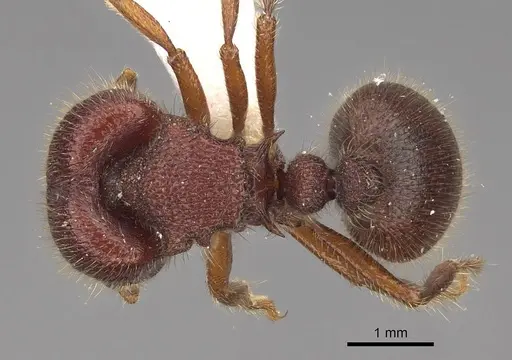
Literature
Loading...Loading products...