

Melophorus wheeleri
- Scientific Name
- Melophorus wheeleri
- Tribe
- Melophorini
- Subfamily
- Formicinae
- Author
- Forel, 1910
- Distribution
- Found in 1 countries
Melophorus wheeleri Overview
Melophorus wheeleri is an ant species of the genus Melophorus. It is primarily documented in 1 countries , including Australia. Detailed taxonomic data and occurrence records can be further explored via authoritative databases such as AntWeb or the Global Biodiversity Information Facility (GBIF).
Melophorus wheeleri
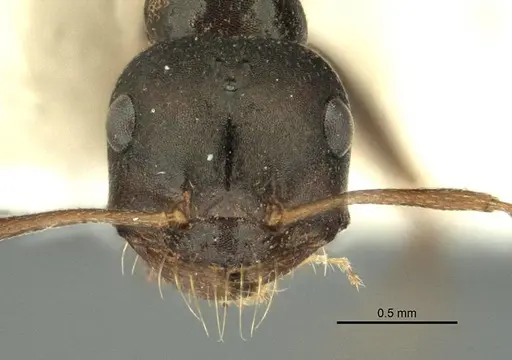
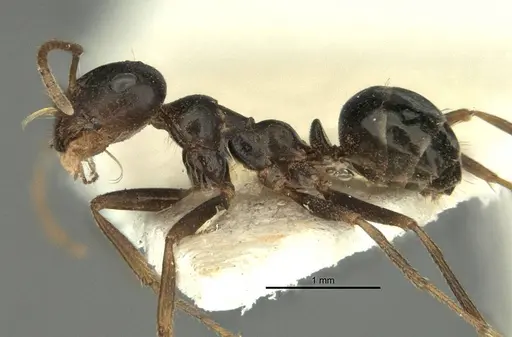
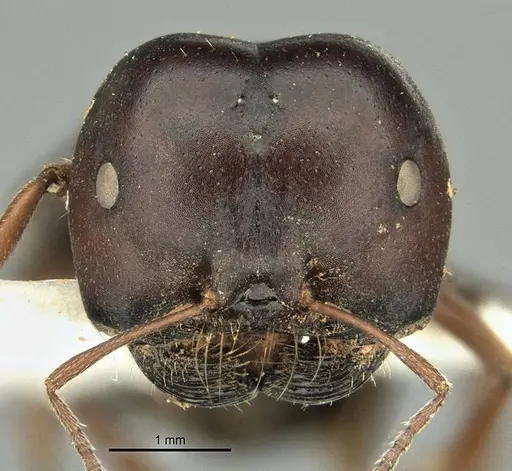
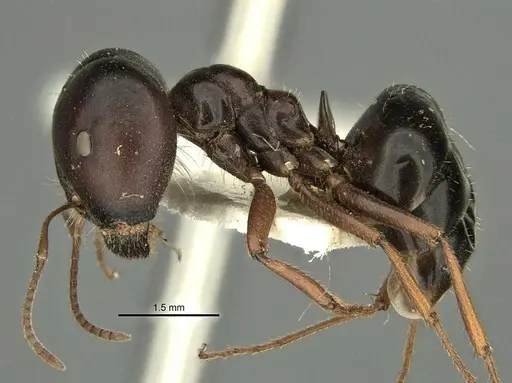
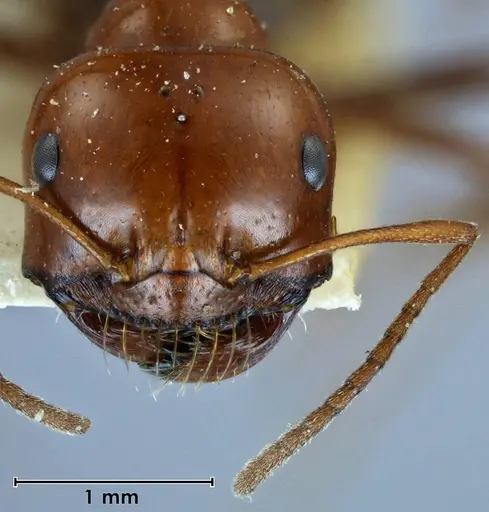
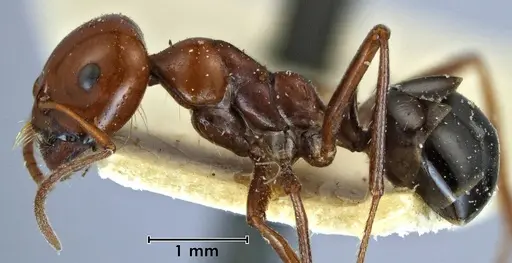
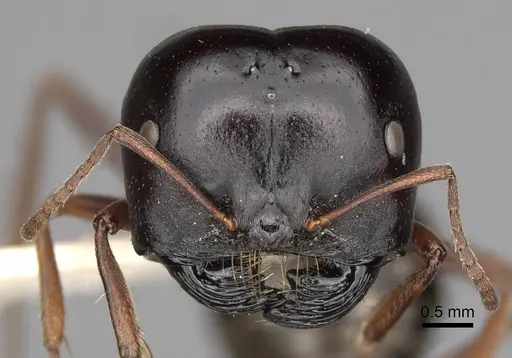
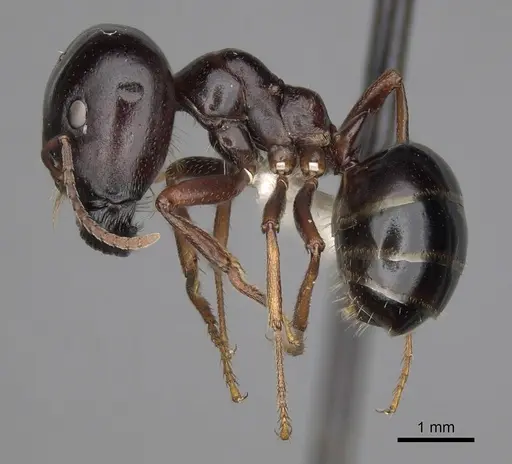
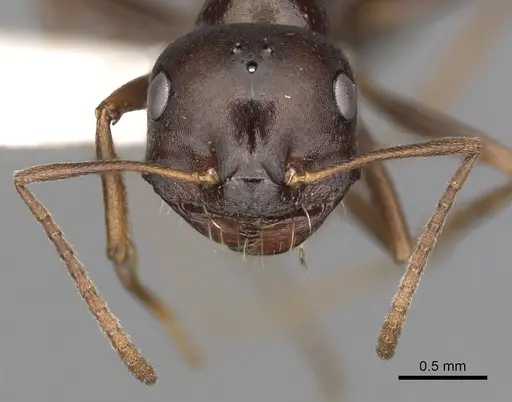
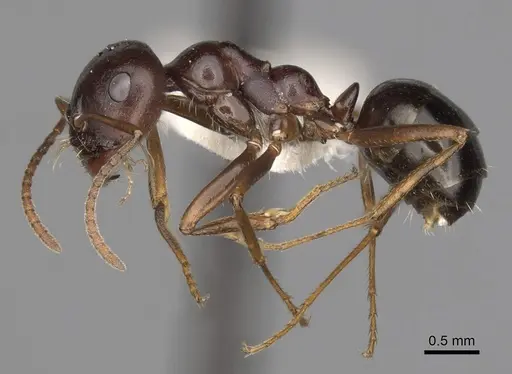
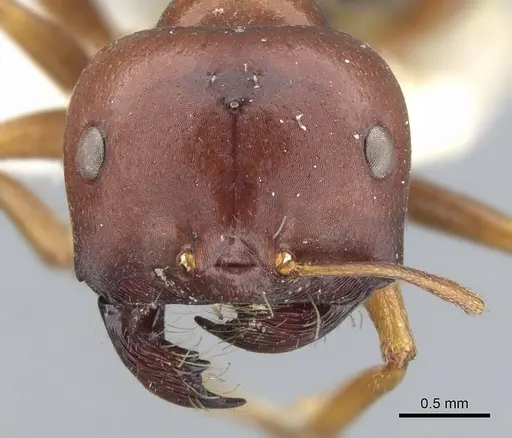
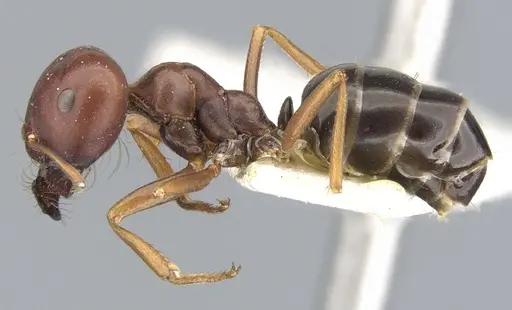
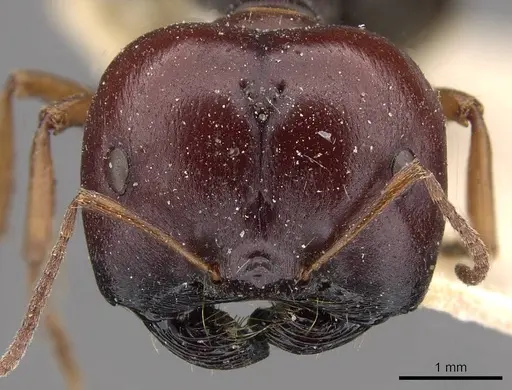
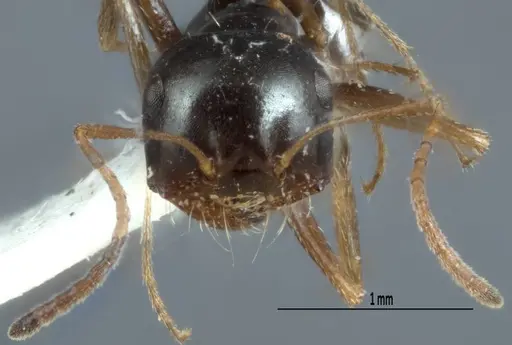
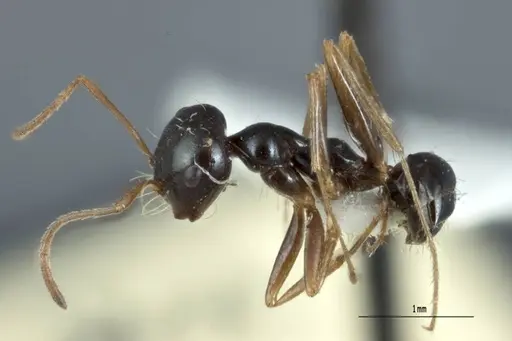
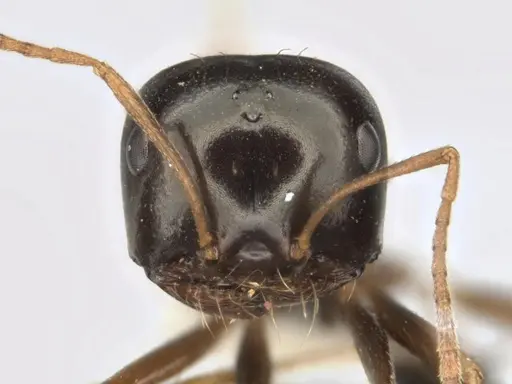
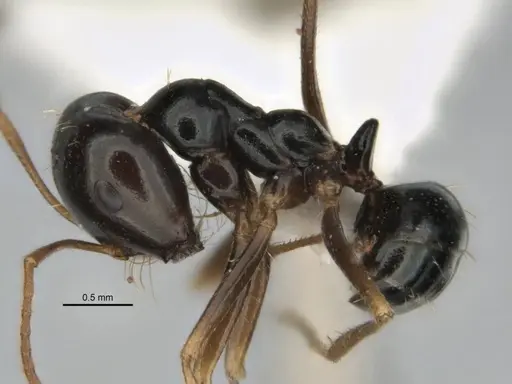
Melophorus wheeleri is a medium-sized Australian ant belonging to the Melophorus wheeleri species complex. Workers come in three sizes: minor workers are small and slender, media workers are intermediate, and major workers have distinctive massive heads with powerful, truncate, inwardly curved mandibles designed for seed processing [1]. The species shows considerable color variation, western populations are dark crimson to blackish-red while eastern populations are orange tan to vermillion, with the gaster always being dark brown to blackish-brown [2].
This ant is a specialist seed harvester, one of the few Formicinae known to be obligate granivores [1][3]. It builds large nests in arid and semi-arid areas across Australia (NT, QLD, SA, WA), with nests typically littered with small pebbles and plant debris like seed husks and stems [2]. Workers are commonly seen carrying small seeds back to their nests, making them a fascinating species for antkeepers interested in granivorous ants.
Quick Summary
- Difficulty: Medium
- Origin & Habitat: Arid and semi-arid areas of Australia, found across NT, QLD, SA, and WA. In WA, range extends from the Pilbara region down to the wheatbelt as far west as Kellerberrin, and the species has been recorded as far south as Perth in recent years [4][2].
- Colony Type: Colony structure is unconfirmed. Multiple worker subcastes (minor, media, major) are present, but queen number and colony founding behavior have not been specifically documented in scientific literature.
- Size & Growth:
- Queen: Unconfirmed, queen measurements not specifically documented in available sources
- Worker: Minor workers: HW 0.74mm+, Major workers: HW up to 3.57mm [2]
- Colony: Large colonies based on large nest sizes observed in the wild [2]
- Growth: Moderate, estimated based on seed-harvesting specialist behavior
- Development: Unconfirmed, no specific development data available for this species (Development timeline has not been directly studied. Related Melophorus species suggest several months from egg to worker in warm conditions.)
- Antkeeping:
- Temperature: Based on arid Australian habitat, keep at warm temperatures around 24-30°C. Room temperature (22-25°C) is likely suitable. Provide a temperature gradient so ants can self-regulate.
- Humidity: Low to moderate. These ants come from arid regions and prefer dry conditions. Keep nest substrate relatively dry with occasional moisture zones. Avoid overly damp conditions.
- Diapause: Unlikely, being an Australian arid species, they probably don't require true hibernation. They may have reduced activity during extreme hot or dry periods.
- Nesting: In nature, they nest in soil with pebble-covered mounds. In captivity, a naturalistic setup with dry substrate and a small water chamber works well. Y-tong or acrylic nests with dry to slightly moist areas are suitable. They handle disturbance well, specimens have been collected from a golf course [2].
- Behavior: Specialist granivores, major workers use their massive heads and powerful mandibles to process seeds [1][4]. Workers actively forage for seeds and carry them back to the nest. They are not aggressive and pose no sting threat. Escape risk is moderate, use standard barrier methods. These ants tolerate disturbance well and can adapt to modified landscapes.
- Common Issues: seed preparation, may need to offer seeds already cracked or provide grit to help them process whole seeds, humidity sensitivity, too much moisture can be harmful since they're adapted to arid conditions, slow initial growth, founding colonies may take time to establish, patience is required, limited acceptance of non-seed foods, they're specialist granivores and may ignore protein or sugar sources, colony founding is slow, seed-harvesting specialists typically have longer development times
Nest Preferences and Housing
Melophorus wheeleri nests in soil in arid and semi-arid areas, building large characteristic nests often littered with small pebbles and plant debris like seed husks and stems [2]. For captive housing, a naturalistic setup works best, use a dry to slightly moist substrate (sand/soil mix) with a small water chamber for humidity control. Y-tong nests or acrylic formicaria with chambers scaled to their size are suitable options. These ants tolerate disturbance well, so you don't need to be overly cautious about nest inspections. The key is providing dry conditions with just enough moisture to prevent complete desiccation. A layer of small pebbles or grit on the nest floor mimics their natural nest construction.
Feeding and Diet
This is an obligate granivore, a specialist seed harvester, which is extremely unusual in the Formicinae subfamily [1][3]. Workers are frequently observed transporting small seeds back to their nests. In the wild, they've been recorded carrying seeds of Lepidium phlebopetalum (a Brassicaceae) in Western Australia, and in southern WA they feed on seeds of the exotic grass Avena barbata [1]. In captivity, offer a variety of small seeds, grass seeds, millet, sesame, and similar small seeds work well. You may need to provide some seeds already cracked or offer fine grit to help major workers process whole seeds with their powerful mandibles. Sugar water or honey may be accepted but shouldn't be the primary food source, these are true seed specialists.
Temperature and Seasonal Care
Being from arid and semi-arid regions of Australia, these ants prefer warm conditions. Aim for temperatures in the range of 24-30°C, with room temperature (22-25°C) being a suitable baseline. Provide a temperature gradient so the colony can self-regulate, a heating cable on one side of the nest creates this option. Unlike temperate species, they likely don't require true hibernation or diapause. They may reduce activity during extreme heat or dry periods, which is natural for an arid-adapted species. Avoid keeping them in cool or damp conditions, these ants are built for hot, dry environments and will struggle in humid, cool setups. [2]
Behavior and Colony Structure
Melophorus wheeleri has distinct worker castes: minor workers are small and slender, media workers are intermediate, and major workers have the characteristic massive heads with powerful mandibles that make this species unmistakable [4]. The major workers' large heads house the muscles needed to move their powerful grinding mandibles, specifically adapted for seed processing [4]. Workers forage individually for seeds and transport them back to the nest. The species is not aggressive and poses no sting threat. Colonies build large nests in the wild, indicating they can reach substantial sizes. They tolerate disturbance well, the species has been collected from a golf course at Meekatharra, WA, demonstrating adaptability to modified landscapes [2].
Growth and Development
The development timeline for Melophorus wheeleri has not been specifically documented in scientific literature. However, being a seed-harvesting specialist in an arid environment, growth is likely moderate rather than rapid. The presence of multiple worker castes (minor, media, major) indicates complex caste development. Founding colonies will take time to establish, seed-harvesting specialists typically have longer development times than predatory species. Be patient with new colonies and avoid disturbing them excessively during the founding phase. Provide consistent warmth and appropriate seed foods to support development.
Common Keeping Issues
Several issues can arise when keeping these specialist granivores. First, seed preparation is important, major workers need seeds they can process with their powerful mandibles, but very small seeds or already-cracked seeds may be more readily accepted. Second, humidity control is critical, these arid-adapted ants suffer from overly damp conditions, so keep the nest relatively dry. Third, don't expect them to accept standard ant foods like sugar water or protein as readily as other species, they're obligate granivores. Fourth, founding colonies grow slowly, so patience is essential. Finally, while they tolerate disturbance once established, minimize disruption during the founding stage.
Frequently Asked Questions
Can I keep Melophorus wheeleri in a test tube?
Test tubes can work for founding colonies, but these ants prefer dry conditions and may do better in a naturalistic setup once established. If using test tubes, keep the water chamber small and allow the nest area to dry out between rehydration.
What do Melophorus wheeleri ants eat?
They're specialist seed harvesters, offer small seeds like grass seeds, millet, sesame, or cracked seeds. They may accept other foods experimentally, but seeds should form the primary diet [1].
How long until first workers in Melophorus wheeleri?
The exact egg-to-worker timeline is unconfirmed for this species. Based on related Melophorus species and their seed-harvesting biology, expect several months (likely 3-6 months) from founding to first workers in warm conditions.
Are Melophorus wheeleri good for beginners?
They're rated as medium difficulty. They're more challenging than common species because they require specific seed-based diets and dry conditions. Experience with antkeeping basics is recommended.
What temperature do Melophorus wheeleri need?
Keep them warm at 24-30°C. Room temperature (22-25°C) is a suitable baseline. Provide a temperature gradient so the colony can self-regulate if needed.
Do Melophorus wheeleri need hibernation?
No, being an Australian arid species, they don't require true hibernation. They may have reduced activity during extreme heat or dry periods, which is natural behavior.
How big do Melophorus wheeleri colonies get?
They form large colonies in the wild based on the large nest sizes observed. The exact maximum size is unconfirmed, but expect substantial colony development over time.
Can I keep multiple Melophorus wheeleri queens together?
Colony structure (monogyne/polygyne) is unconfirmed for this species. Combining unrelated queens has not been documented and is not recommended.
Why is my Melophorus wheeleri colony not growing?
Common causes include: too much humidity (they prefer dry conditions), insufficient seed food, or temperatures that are too cool. Ensure they're warm, dry, and have appropriate seeds to process.
When should I move Melophorus wheeleri to a formicarium?
Move them once the colony reaches moderate size (50+ workers) and the test tube setup becomes cramped. They adapt well to different nest types but prefer dry conditions.
Are Melophorus wheeleri invasive anywhere?
No, they're native to Australia and haven't been documented as invasive elsewhere. They're found only in arid and semi-arid regions of Australia.
References

This caresheet is licensed under CC BY-SA 4.0 .
ANIC32-900219
View on AntWeb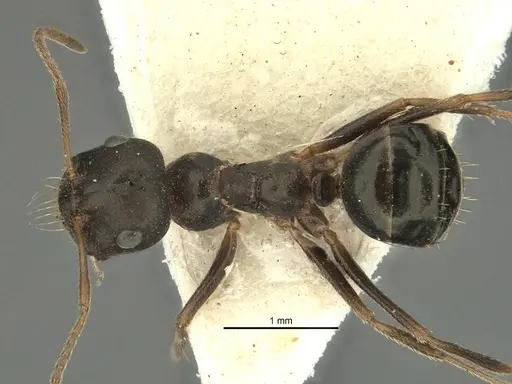
ANIC32-900220
View on AntWeb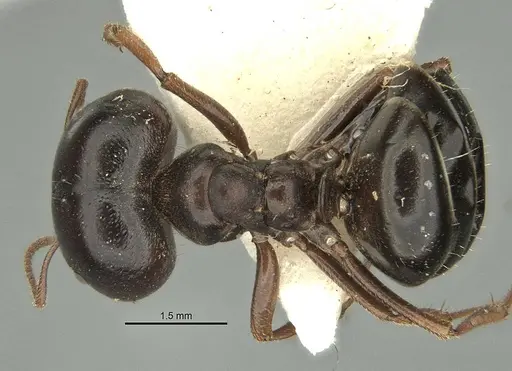
ANTWEB1038581
View on AntWeb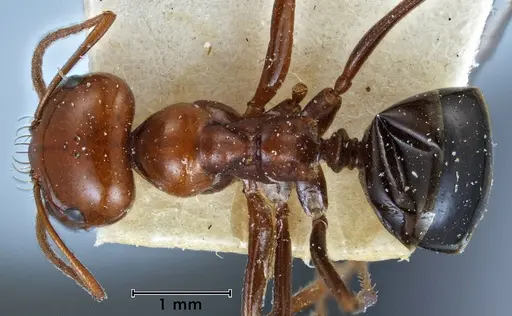
CASENT0280502
View on AntWeb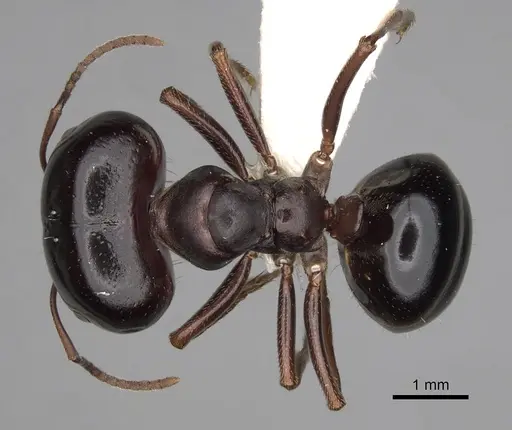
CASENT0280503
View on AntWeb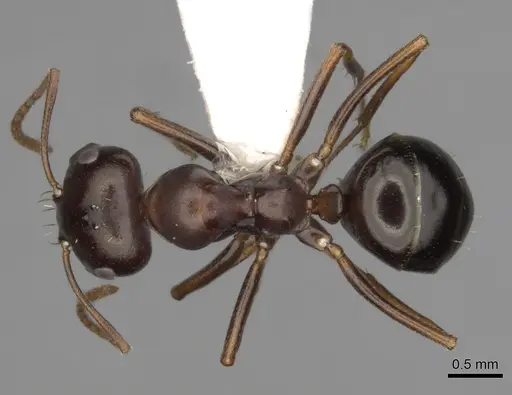
CASENT0903262
View on AntWeb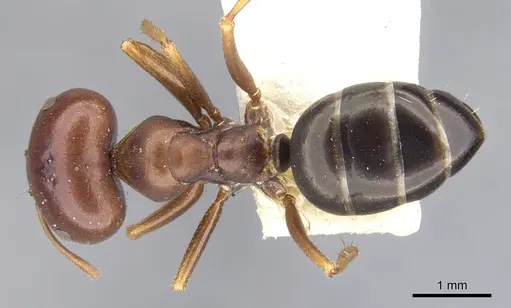
CASENT0909826
View on AntWeb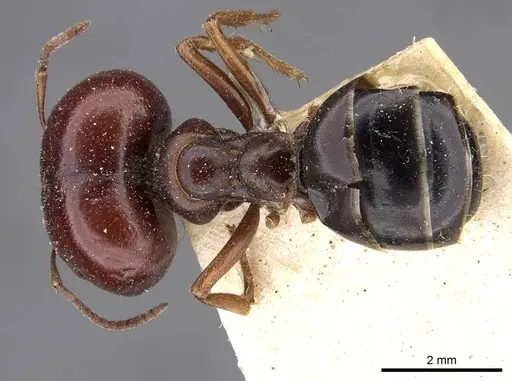
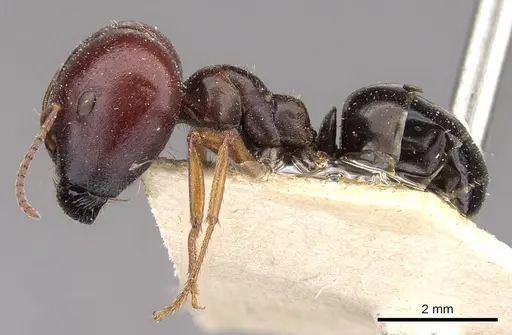
CASENT0909827
View on AntWeb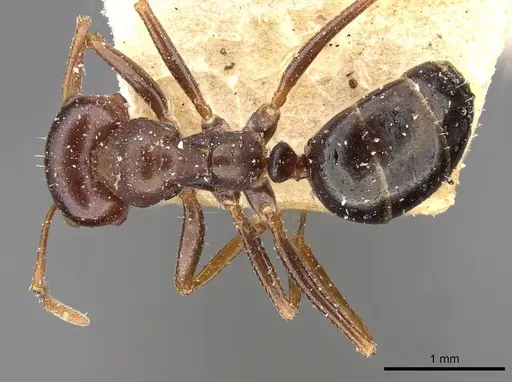
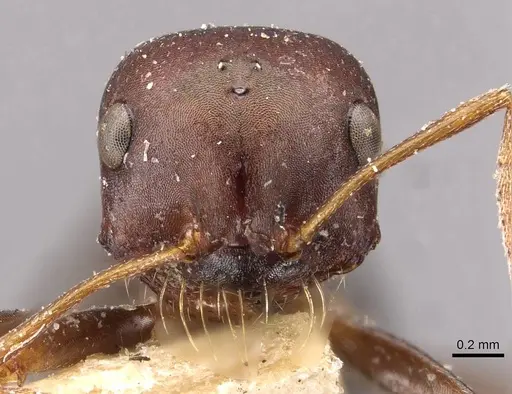
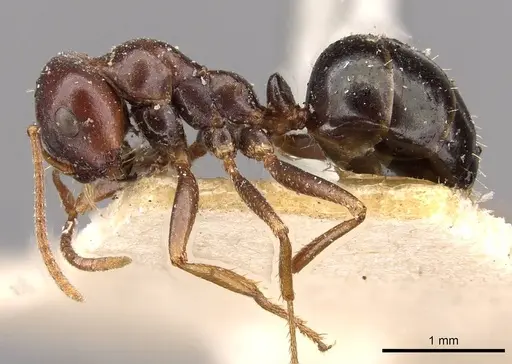
JDM32-001883
View on AntWeb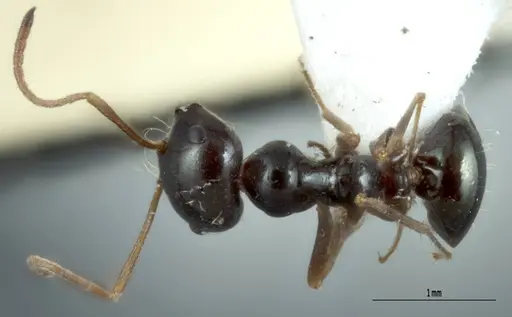
JDM32-001885
View on AntWeb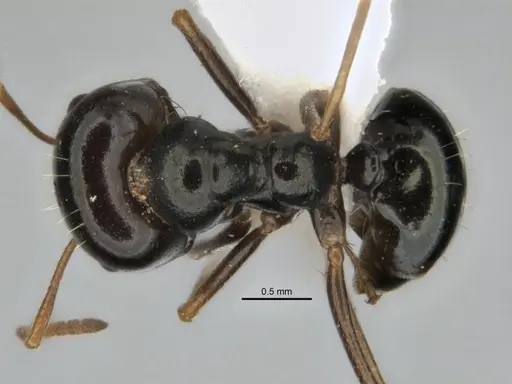
Literature
Loading...Loading products...