

Melophorus sulla
- Scientific Name
- Melophorus sulla
- Tribe
- Melophorini
- Subfamily
- Formicinae
- Author
- Forel, 1910
- Distribution
- Found in 1 countries
Melophorus sulla Overview
Melophorus sulla is an ant species of the genus Melophorus. It is primarily documented in 1 countries , including Australia. Detailed taxonomic data and occurrence records can be further explored via authoritative databases such as AntWeb or the Global Biodiversity Information Facility (GBIF).
Melophorus sulla
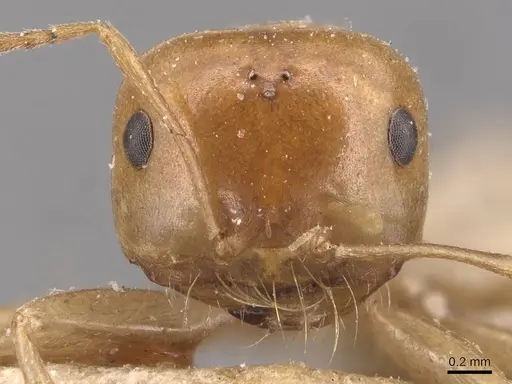
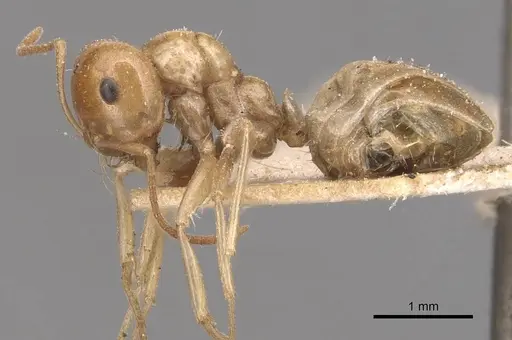
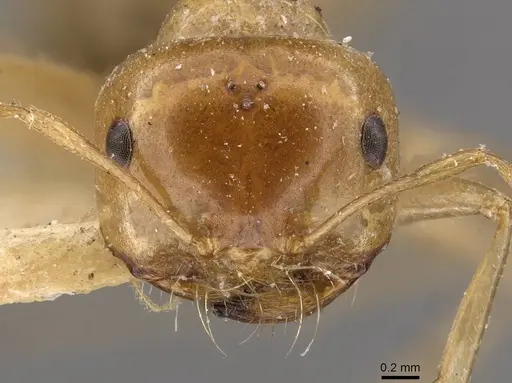
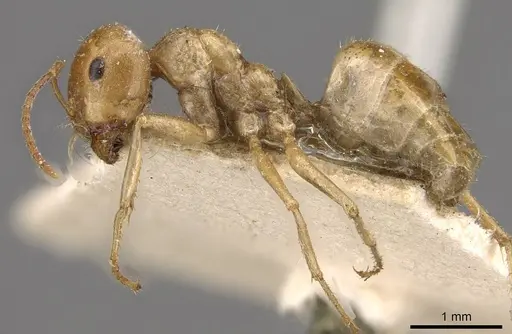
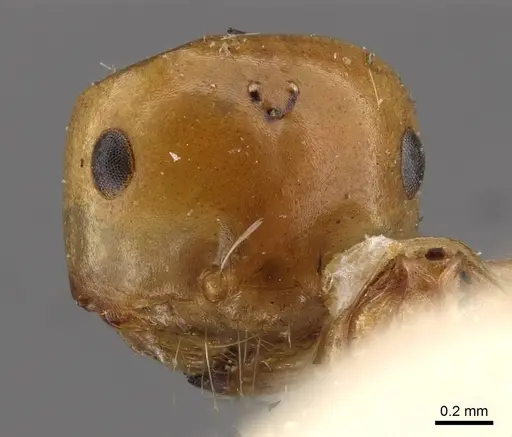
Melophorus sulla is a small to medium-sized ant native to Australia, belonging to the Formicinae subfamily. Workers display a distinctive pale yellow-orange coloration, often with a two-toned head capsule that is darker above and paler around the lower face. This species shows significant size variation: minor workers measure around 0.43-0.87mm in head width, while major workers can reach up to 1.69mm, giving them a notably larger head and mandibles. The ants have long, spindly legs and a smooth, glossy appearance with minimal body hair. They inhabit arid and semi-arid regions across all mainland Australian states, particularly favoring sandy areas like dunes, dry watercourses, and clay soils [1][2].
These ants are known for their intriguing foraging behavior, they are extremely timid and leave the nest in rapid pulses of activity, with multiple workers streaming in and out to forage or move sand grains at high speed. Between these activity bursts, there is no movement around the nest. This pulsing behavior likely helps them avoid predators while navigating the hot Australian soil surface. They are most active around the middle of the day when surface temperatures are warmest [1].
Quick Summary
- Difficulty: Medium
- Origin & Habitat: Arid and semi-arid habitats throughout mainland Australia (all states). Found in very sandy areas including dunes, dry watercourses, and clay soils. Associated with vegetation including gidgee, mallee, Casuarina, and Eucalyptus dumosa [1][2].
- Colony Type: Colony structure is unconfirmed. Based on typical Melophorus genus patterns, likely single-queen colonies. No documented ergatoid (wingless replacement queen) systems have been described for this species.
- Size & Growth:
- Queen: Undocumented in primary literature, estimated 6-8mm based on genus patterns
- Worker: Minor workers: 0.43-0.87mm head width, Major workers: up to 1.69mm head width [1]
- Colony: Undocumented, likely moderate colonies typical of Melophorus genus
- Growth: Moderate, based on typical Formicinae development patterns
- Development: Estimated 6-8 weeks at warm temperatures based on typical Melophorus and Formicinae development (Development time is estimated as no specific study exists for this species. Warm temperatures typical of their arid habitat likely accelerate development.)
- Antkeeping:
- Temperature: Keep at 26-32°C (warm end) to mimic their arid Australian habitat. A temperature gradient allowing workers to choose their preferred zone is ideal. They are adapted to hot conditions and will be most active at warmer temperatures
- Humidity: Low to moderate, these are arid habitat ants. Keep nest substrate relatively dry, similar to sandy dune conditions. Provide a small water source but avoid damp conditions. Think desert-like, not rainforest
- Diapause: Likely reduced activity during cooler months but strong diapause not required. Australian species from temperate to tropical latitudes may tolerate cooler temperatures without true hibernation. If kept in temperate climates, a cool period (15-18°C) for 2-3 months may be beneficial
- Nesting: Y-tong (acrylic) nests work well for this species. Their small size and preference for sandy substrates suggests they would do well in nests with compact chambers. Natural setups with sand or sandy soil also appropriate given their dune habitat. Avoid overly humid environments
- Behavior: Extremely timid and fast-moving. Workers forage in rapid pulses rather than continuous activity. They are not aggressive and will flee rather than engage threats. Their pale coloration helps reflect heat in their sunny Australian habitat. Escape prevention is important due to their small size, use fine mesh barriers. They are diurnal, most active during the warmest part of the day [1].
- Common Issues: escape prevention is critical due to their very small size, they can squeeze through tiny gaps, arid-adapted species may struggle in overly humid conditions, keep nesting area dry, timid nature means they may be stressed by excessive disturbance during colony establishment, slow founding phase is typical, claustral queens may take weeks to seal in and longer to produce first workers, wild-caught colonies may carry parasites that can devastate captive colonies
Housing and Nest Preferences
Melophorus sulla is well-suited to Y-tong (acrylic) nests due to its small worker size and preference for compact nesting spaces. The species naturally inhabits sandy soils in arid Australia, so a naturalistic setup with a sandy substrate also works well. These ants do best in warm, relatively dry conditions, avoid the mistake of keeping them too humid. A small water chamber or test tube water reservoir connected to the nest provides adequate moisture without creating damp conditions. Because of their very small size, ensure all connections and barriers are tight-fitting. Minor workers are tiny (head width under 1mm), so standard test tube setups work but watch for escape routes around cotton plugs. Major workers are significantly larger and can handle slightly bigger chambers, but the species overall prefers tight, cozy spaces.
Feeding and Diet
In the wild, Melophorus sulla forages for nectar, honeydew, and small insects. As Formicinae, they likely have a sweet tooth and will readily accept sugar water, honey, or diluted syrup. Protein should come from small live or frozen insects appropriate to their size, fruit flies, pinhead crickets, small mealworms, or similar micro-prey. Given their timid nature and small size, prey items should be appropriately sized. They are not large predators, so avoid offering prey that is too big. Feed protein 2-3 times per week and keep a constant sugar source available. Remove uneaten prey within 24-48 hours to prevent mold issues in their dry nest environment.
Temperature and Heating
As an arid Australian species, Melophorus sulla thrives in warm conditions. Maintain nest temperatures between 26-32°C, with the warmer end preferred for active foraging and brood development. A heating cable or mat on one side of the nest creates a useful temperature gradient, allowing ants to regulate their body temperature by moving between warmer and cooler areas. Place heating on top of the nest rather than underneath to avoid drying out the substrate too quickly. These ants are naturally adapted to high temperatures and will be most active when kept warm. Cooler temperatures (below 22°C) may reduce activity and slow brood development significantly.
Behavior and Colony Dynamics
Melophorus sulla exhibits a fascinating pulsing behavior where workers leave the nest in rapid bursts rather than continuous foraging. This likely evolved as a predator avoidance strategy in their exposed, hot Australian habitat. The ants are extremely fast-moving when they do venture out, racing across the hot sand surface between pulses of activity. They are not aggressive and will retreat from threats rather than defend the nest. Major workers have larger heads and mandibles, but their primary role appears to be food processing rather than defense. The colony likely grows gradually, with the queen producing workers over an extended period. Be patient during founding, claustral queens may take 2-3 months or longer to produce their first workers (nanitics) [1].
Frequently Asked Questions
How long does it take for Melophorus sulla to produce first workers?
Based on typical Formicinae development, expect 6-8 weeks from egg to first worker at warm temperatures (around 28-30°C). The exact timeline for this species is unconfirmed, so times may vary. Be patient during founding, queens seal themselves in and can take several weeks before eggs appear.
What temperature should I keep Melophorus sulla at?
Keep them warm at 26-32°C. These arid Australian ants prefer the warmer end of this range. A heating cable on one side of the nest creates a gradient. They are adapted to hot conditions and will be most active at higher temperatures.
Can I keep multiple Melophorus sulla queens together?
The colony structure for this species is unconfirmed. Based on typical Melophorus patterns, they are likely single-queen (monogyne) colonies. Combining unrelated queens has not been documented and is not recommended. If you capture a founding queen, keep her alone until workers emerge.
Are Melophorus sulla good for beginners?
This species is rated as Medium difficulty. They require warm, dry conditions which can be easier to maintain than humid setups, but their small size and timid nature require careful attention to escape prevention and minimal disturbance during founding. They are not as forgiving as some beginner species but can be kept by dedicated intermediate antkeepers.
Do Melophorus sulla need hibernation?
Strong diapause is not required for this Australian species. However, they may benefit from a cooler period (15-18°C) for 2-3 months during winter if kept in a temperate climate. This mimics their natural seasonal cycle and may improve colony health long-term. Monitor for reduced activity rather than forcing a deep hibernation.
What do Melophorus sulla eat?
They accept sugar sources (honey, sugar water, syrup) and protein (small insects like fruit flies, pinhead crickets, small mealworms). Feed protein 2-3 times per week and keep a constant sugar source available. Remove uneaten prey promptly. Their small size means prey should be appropriately sized.
Why are my Melophorus sulla not foraging?
This species forages in pulses rather than continuous activity. They may also be inactive if temperatures are too cool (below 22°C), if the nest is too humid, or if the colony is still in early founding stages. Ensure warm, dry conditions and minimal disturbance. Their timid nature means they may pause activity when they sense vibration or light changes [1].
How big do Melophorus sulla colonies get?
Colony size is unconfirmed for this species, but based on typical Melophorus patterns, expect moderate colonies of several hundred workers over time. Growth is moderate, these are not fast-growing species. With proper care, colonies should reach 100-300+ workers over 1-2 years.
When should I move Melophorus sulla to a formicarium?
Keep founding queens in a simple test tube setup until they have produced their first batch of workers (nanitics) and the colony has grown to 10-20 workers. Moving too early can stress the colony. Once established, they can be moved to a Y-tong or naturalistic setup. Their small size means any transition should be done carefully to prevent escapes.
References

This caresheet is licensed under CC BY-SA 4.0 .
ANTWEB1008660
View on AntWeb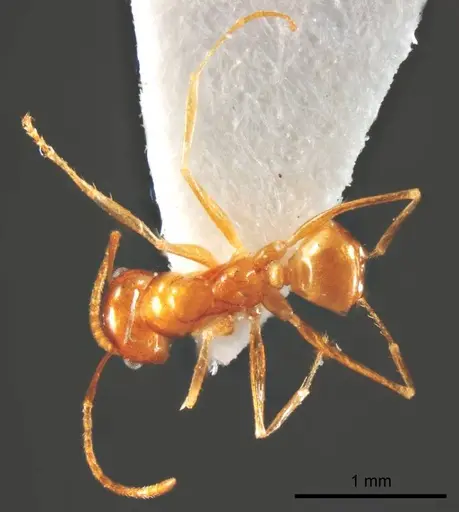
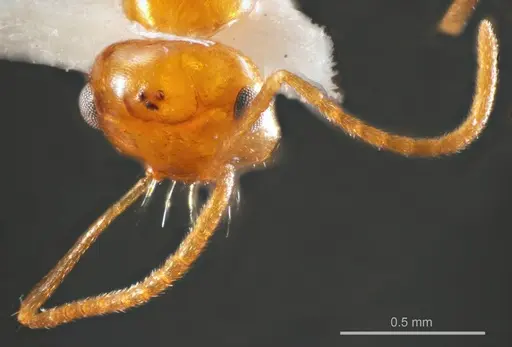
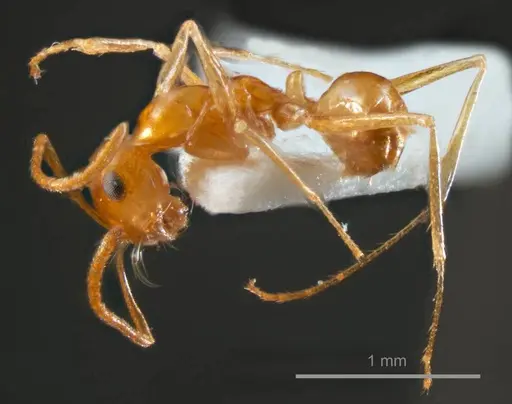
CASENT0905127
View on AntWeb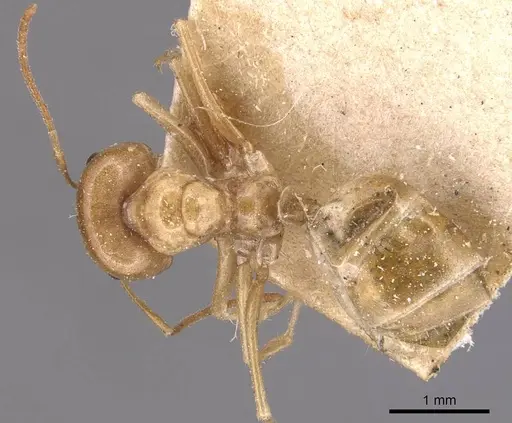
CASENT0909817
View on AntWeb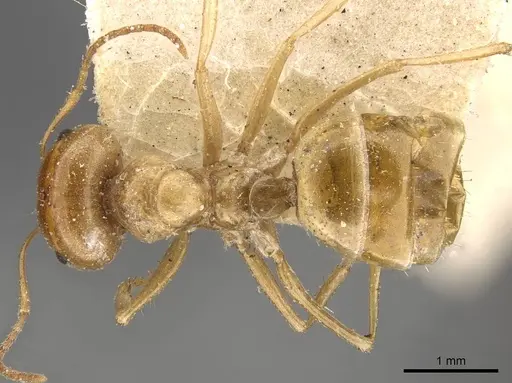
CASENT0909818
View on AntWeb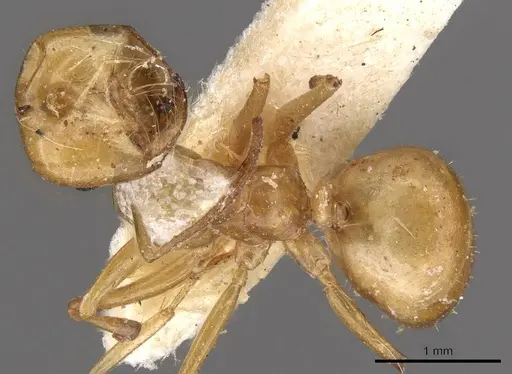
Literature
Loading...Loading products...