

Melophorus potteri
- Scientific Name
- Melophorus potteri
- Tribe
- Melophorini
- Subfamily
- Formicinae
- Author
- McAreavey, 1947
- Distribution
- Found in 1 countries
Melophorus potteri Overview
Melophorus potteri is an ant species of the genus Melophorus. It is primarily documented in 1 countries , including Australia. Detailed taxonomic data and occurrence records can be further explored via authoritative databases such as AntWeb or the Global Biodiversity Information Facility (GBIF).
Melophorus potteri
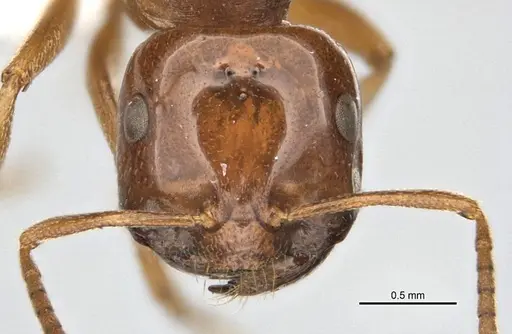
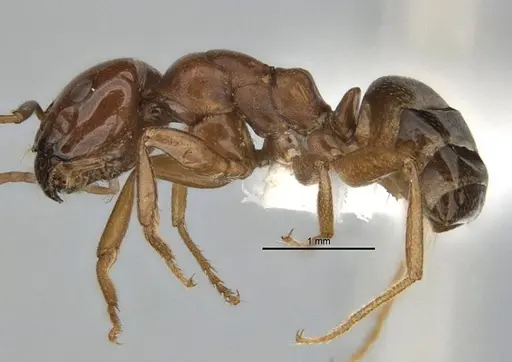
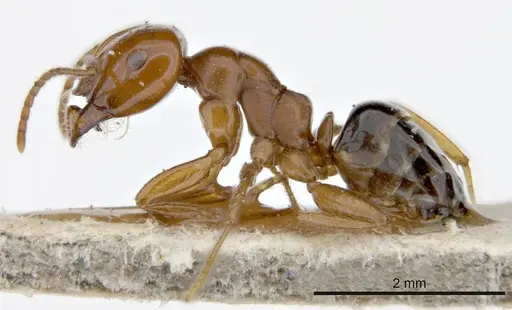
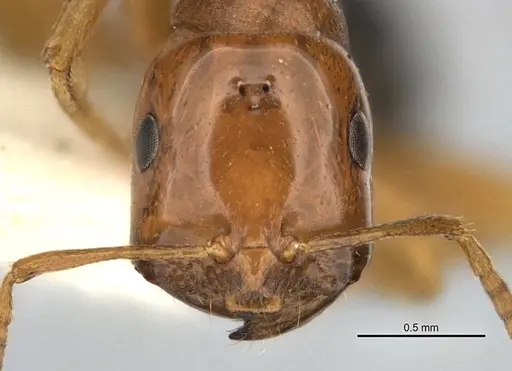
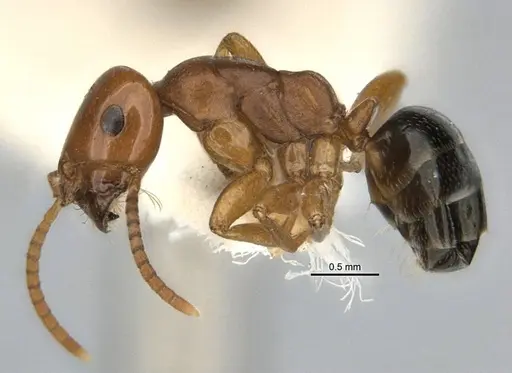
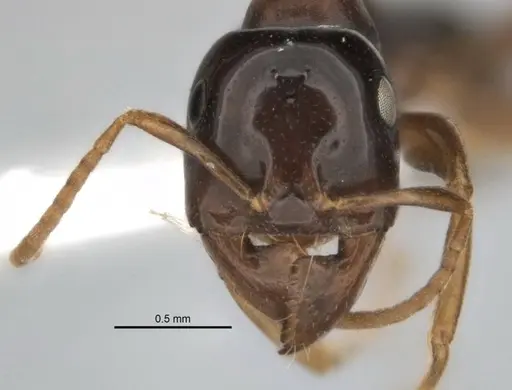
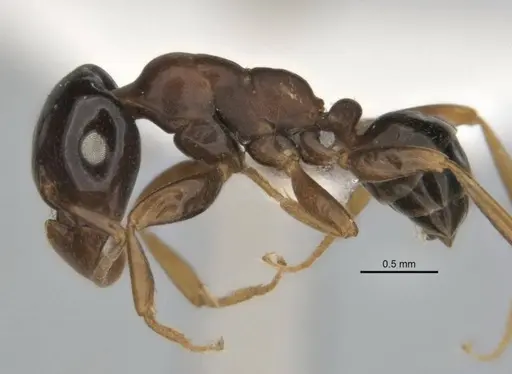
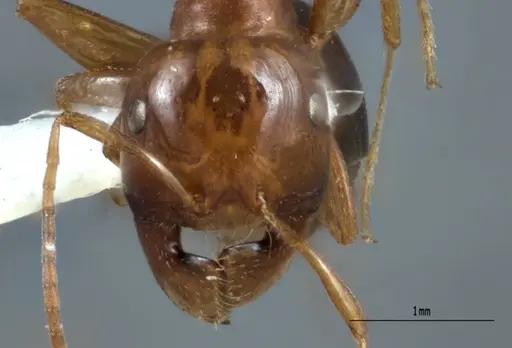
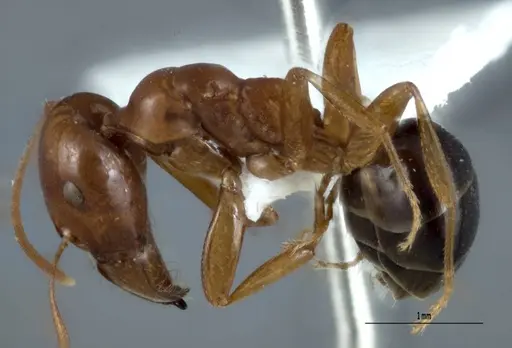
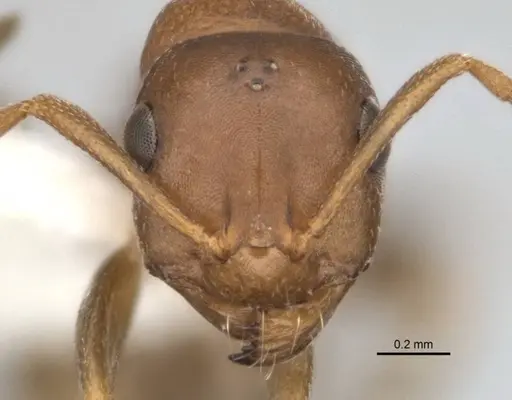
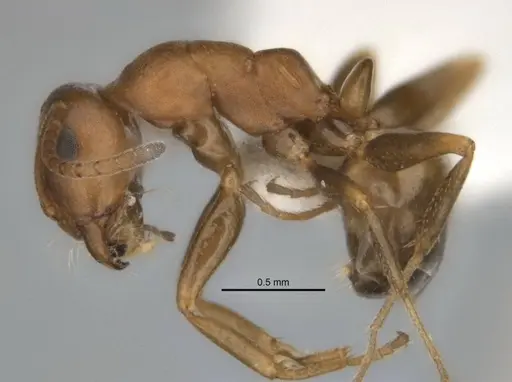
Melophorus potteri is a stout, compact Australian ant known for its large, hatchet-shaped mandibles and distinctive appearance. Workers measure 4-6mm with a stocky build and an exceptionally large propodeal spiracle that bisects much of the propodeum. The species has a glossy appearance with a square or rectangular head capsule and orange to dark tan foreparts contrasting with a chocolate-brown gaster. This ant is a specialized termite predator, using its massive mandibles to raid termite colonies. The species is widely distributed throughout inland Australia, particularly in arid and semi-arid regions of Queensland, South Australia, and Western Australia [1][2].
What makes M. potteri stand out is its specialized predatory lifestyle. Unlike many ants that forage broadly, these bulldozer ants are termite specialists, hunting individually rather than in columns. Their massive mandibles are perfectly adapted for cracking through termite exoskeletons, and they represent one of the more distinctive Melophorus species due to their unique morphology and behavior [3][4].
Quick Summary
- Difficulty: Medium
- Origin & Habitat: Native to inland Australia, found across Queensland, South Australia, and Western Australia. Prefers arid and semi-arid habitats, particularly in wheatbelt regions and areas north of the southwestern wheatbelt [1][2].
- Colony Type: Colony structure is not well documented. Based on genus patterns, likely monogyne (single queen) colonies. No documented ergatoid replacement reproductives for this species.
- Colony: Monogyne
- Founding: Claustral
- Size & Growth:
- Queen: Not directly measured, estimated 7-9mm based on genus patterns
- Worker: 4-6mm [1]
- Colony: Unknown, likely moderate colonies based on related Melophorus species
- Growth: Moderate, inferred from genus patterns
- Development: 6-10 weeks, estimated based on typical Formicinae development at optimal temperature (Development time is estimated as no direct study exists for this species. Related Melophorus species suggest 6-10 weeks from egg to first worker at warm temperatures.)
- Antkeeping:
- Temperature: Keep at 24-28°C. These are arid-adapted ants from inland Australia, so they prefer warmer conditions. A heating cable on one side of the nest creates an ideal gradient [1].
- Humidity: Low to moderate. Arid-adapted species, keep nest substrate relatively dry, with a small water tube for humidity. Avoid damp conditions that could cause mold [1][4].
- Diapause: Unknown for this specific species. Many Australian Melophorus do not require strong diapause, but a cool period during winter months may benefit colonies. Keep at 15-18°C for 2-3 months if colony shows reduced activity.
- Nesting: Y-tong (AAC) nests work well for this medium-sized species. Plaster nests are also suitable given their arid origin. Provide a naturalistic setup with sand or soil mix if using a formicarium. They prefer compact chambers scaled to their stocky build [1].
- Behavior: M. potteri is a specialized termite predator with a calm but determined temperament. Workers hunt individually rather than in raiding columns, using their massive mandibles to capture termite prey. They are not particularly aggressive toward humans but will defend their nest. Escape risk is moderate, use standard barrier methods. Their large mandibles suggest they could give a mild bite if handled, but they are not considered dangerous [3][1].
- Common Issues: specialized diet, they require live termite prey or similar protein sources, which can be difficult to source consistently, arid conditions required, too much humidity causes mold and colony stress, slow colony growth, beginners may lose patience with moderate development speed, limited availability, this species is rarely available in the antkeeping hobby, winter dormancy unclear, improper cooling or overheating can stress colonies
Housing and Nest Setup
Melophorus potteri does well in Y-tong (AAC) nests or plaster formicariums. Their stocky build and medium size mean they need chambers scaled appropriately, not too tight, not overly spacious. Since they come from arid Australian regions, keep the nest relatively dry. A small water test tube connected to the nest provides drinking water and slight humidity without creating damp conditions. For outworld space, a simple foraging area works well since they are not extensive foragers like some species. Use standard escape prevention like fluon on edges, while not tiny, they are active and determined [1][2].
Feeding and Diet
This species is a specialized termite predator, so live protein is essential for success. Offer small live insects like fruit flies, small crickets, or mealworms. Termites are their natural prey and would be ideal if you can obtain them safely. Beyond protein, they will likely accept sugar water or honey as an energy source. Feed protein 2-3 times per week, with sugar water always available. Remove uneaten prey after 24-48 hours to prevent mold. Their large, powerful mandibles suggest they can handle prey larger than many ants their size would attempt [3][4][1].
Temperature and Heating
Keep your colony at 24-28°C for optimal development. These ants come from inland Australia where temperatures can get quite high, so they handle warmth well. A heating cable placed on top of the nest (never underneath where it could dry out the nest too quickly) creates a gentle warmth gradient. Room temperature may be too cool in colder climates, monitor colony activity. If workers cluster near the heated area, your temperature is right. During winter, a slight reduction to 18-22°C is acceptable, but avoid sudden temperature drops. They are adapted to arid conditions, so heat is more important than humidity [1].
Colony Development
M. potteri colonies likely start slowly like most Formicinae species. A claustral queen will seal herself in a chamber and raise the first brood using stored fat reserves. Expect 6-10 weeks for nanitic (first) workers to emerge, though this is an estimate based on genus patterns. Initial colonies will be small, perhaps 10-20 workers in the first year. Growth rate is moderate, not fast. Be patient, these ants are not rapid developers. A healthy colony over several years might reach a few hundred workers. The queen can live for many years, so established colonies can become substantial over time [1].
Behavior and Temperament
These ants have a calm, purposeful demeanor. Workers go about their tasks methodically rather than frantically. Their most notable behavior is individual termite hunting, unlike some ants that form raiding columns, M. potteri workers hunt alone using their massive mandibles to capture prey. They are not particularly aggressive toward keepers but will defend their nest if threatened. Their large mandibles could deliver a pinch if handled roughly, but they are not considered dangerous or particularly painful. They are moderate escape artists, use standard barriers and check connections regularly [3][1].
Frequently Asked Questions
How long does it take for Melophorus potteri to produce first workers?
Expect 6-10 weeks from egg to first worker at optimal temperature (24-28°C). This is an estimate based on related Melophorus species, as no direct development study exists for this species. Be patient during the founding phase, claustral queens seal themselves in and raise their first brood alone.
What do Melophorus potteri ants eat?
They are specialized termite predators and need live protein to thrive. Offer small live insects like fruit flies, small crickets, or mealworms. Termites are their natural prey and would be ideal if available. They will also accept sugar water or honey for energy. Feed protein 2-3 times per week with sugar constantly available.
Are Melophorus potteri ants good for beginners?
This species is rated as medium difficulty. While not the hardest species to keep, their specialized diet (requiring live prey) and specific temperature needs make them better suited for keepers who have already established at least one successful colony. Their limited availability in the hobby is also a factor.
Do Melophorus potteri ants need hibernation?
Diapause requirements are not well documented for this species. Many Australian Melophorus do not require strict hibernation, but a cooler period (15-18°C) for 2-3 months during winter may benefit established colonies. Monitor your colony, if activity naturally decreases in winter, a cool period is appropriate.
What temperature should I keep Melophorus potteri at?
Keep nest temperatures at 24-28°C. These arid-adapted ants from inland Australia handle warmth well. Use a heating cable on top of the nest to maintain warmth if your room temperature is below 24°C. Watch for worker clustering near heat sources as an indicator of ideal placement.
How big do Melophorus potteri colonies get?
Colony size is not well documented, but based on related species, expect moderate colonies of probably under 500 workers. They are not supercolonial like some Melophorus species. Growth is moderate over several years. The queen can live for many years, allowing colonies to develop substantially given proper care.
Can I keep multiple Melophorus potteri queens together?
Colony structure is not well studied for this species, but based on typical Melophorus patterns, they likely form single-queen colonies. Combining unrelated foundress queens is not recommended as it has not been documented and could result in fighting.
Why is my Melophorus potteri colony declining?
Common causes include: insufficient protein (they need live prey), too much humidity causing mold stress, temperatures too low for proper development, or poor nutrition. Review your feeding regimen, check humidity levels, and ensure temperatures are in the 24-28°C range. Also ensure the queen is still alive and laying eggs.
References

This caresheet is licensed under CC BY-SA 4.0 .
ANIC32-900079
View on AntWeb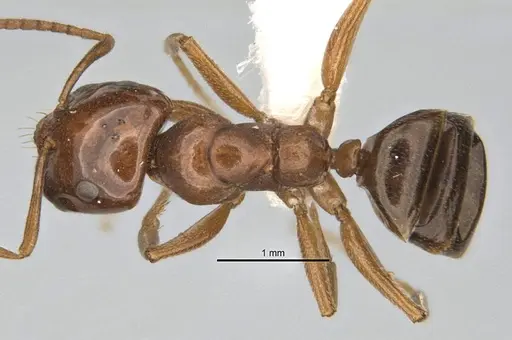
ANTWEB1008199
View on AntWeb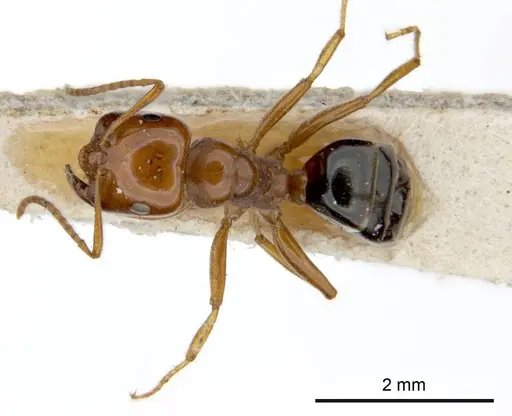
JDM32-001572
View on AntWeb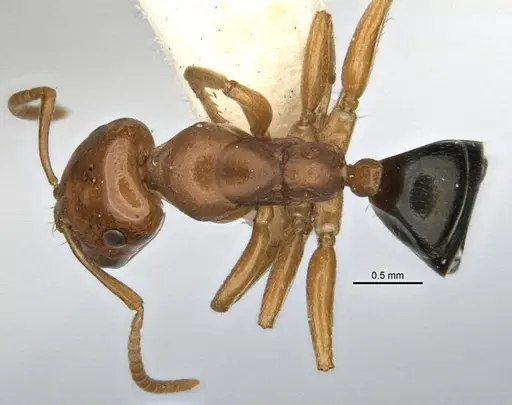
JDM32-001575
View on AntWeb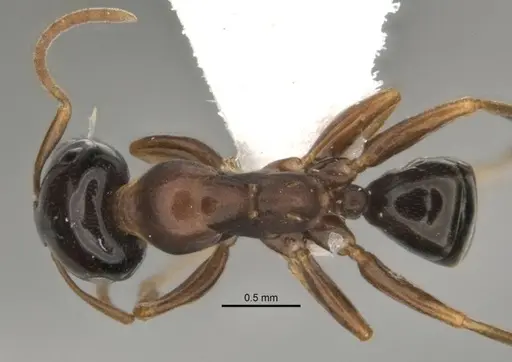
JDM32-001576
View on AntWeb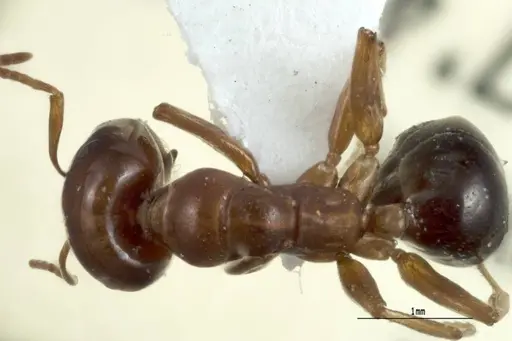
JDM32-001578
View on AntWeb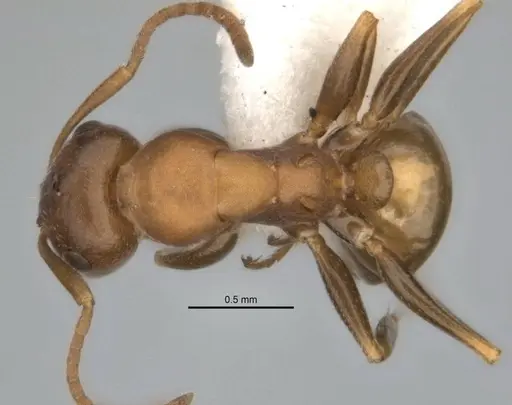
Literature
Loading...Loading products...