

Melophorus hirsutus
- Scientific Name
- Melophorus hirsutus
- Tribe
- Melophorini
- Subfamily
- Formicinae
- Author
- Forel, 1902
- Distribution
- Found in 1 countries
Melophorus hirsutus Overview
Melophorus hirsutus is an ant species of the genus Melophorus. It is primarily documented in 1 countries , including Australia. Detailed taxonomic data and occurrence records can be further explored via authoritative databases such as AntWeb or the Global Biodiversity Information Facility (GBIF).
Melophorus hirsutus
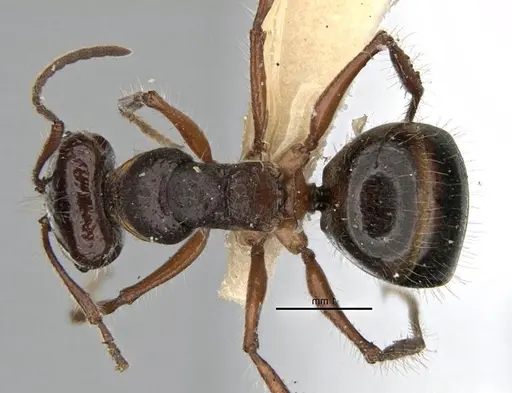
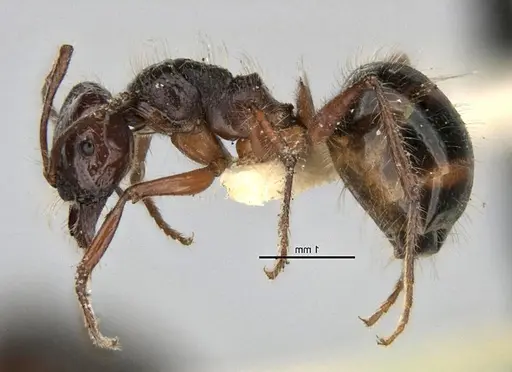
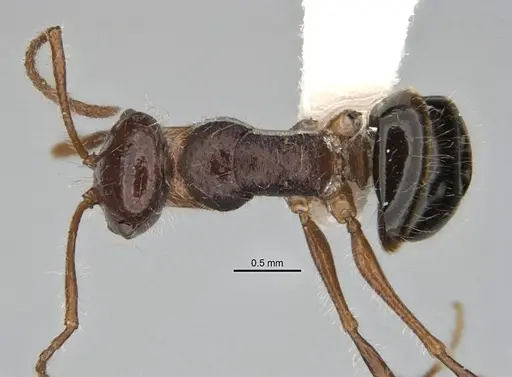
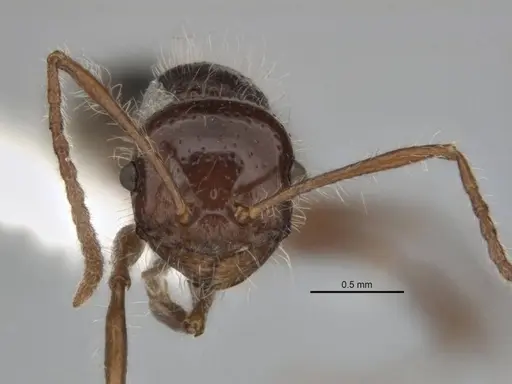
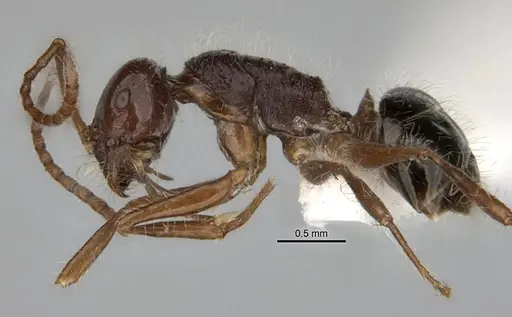
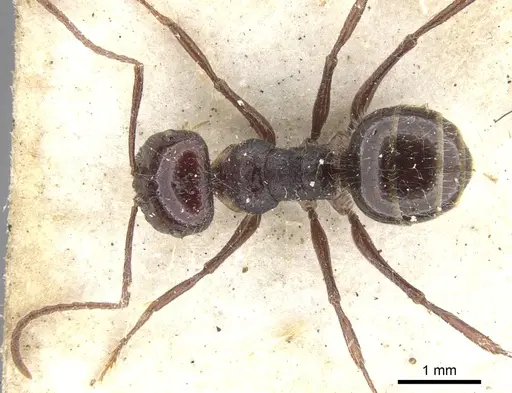
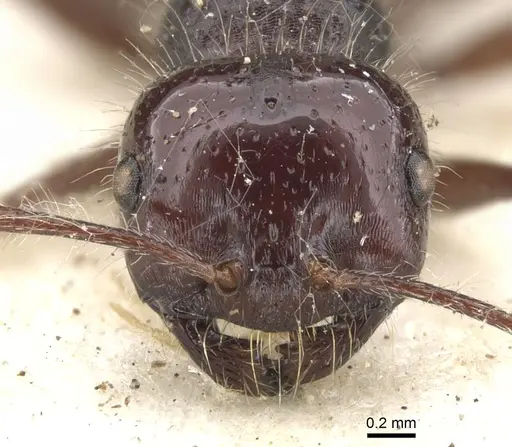
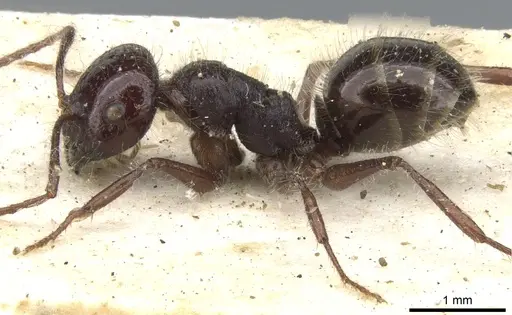
Melophorus hirsutus is a distinctive Australian ant known for its unusual barrel-shaped mesosoma that resembles some wasps. Workers are small to medium-sized, with major workers reaching 0.87-1.51mm head width and minor workers being notably smaller. The pronotum has a translucent flange around the humeri, and the cuticle features dense striolate-microreticulate sculpture. Color varies between castes: minor workers are dark reddish-brown with tan appendages, while major workers have crimson heads. This species is restricted to the eastern Australian seaboard, primarily in the Great Dividing Range from Brisbane south to Victoria, with scattered records north to Cairns. It is one of the few Melophorus species that favors mesic (damp) environments, making it unusual within a typically arid-adapted genus [1].
Quick Summary
- Difficulty: Medium
- Origin & Habitat: Eastern Australia, primarily the Great Dividing Range from Brisbane south through NSW, ACT, and Victoria. Found in remnant brigalow, eucalypt forest, and riparian forest habitats. This is one of the few Melophorus species favoring wet, shaded environments rather than arid conditions [1].
- Colony Type: Unconfirmed colony structure. Likely single-queen based on typical Melophorus patterns, but no specific research documents colony type for this species.
- Size & Growth:
- Queen: Undescribed in available literature, estimated 6-8mm based on genus [1]
- Worker: Major workers: 0.87-1.51mm head width, minor workers: approximately 0.98mm head width [1][2]
- Colony: Unknown, no colony size data available
- Growth: Unknown, no development timing data available
- Development: Estimated 6-10 weeks based on typical Melophorus development patterns [1] (Development timeline is unconfirmed for this species. Estimates based on genus-level patterns for similar Australian Formicinae.)
- Antkeeping:
- Temperature: Keep at 24-28°C. As an Australian species from the eastern coast, they likely prefer warm conditions but not extreme heat. Provide a temperature gradient allowing workers to self-regulate [1].
- Humidity: This species prefers mesic conditions, keep substrate moderately damp but not waterlogged. Provide a moisture gradient with a damp section and a drier area. Mist occasionally and ensure the nest doesn't dry out completely [1].
- Diapause: Likely required. Australian temperate ants typically need a winter rest period. Provide 2-3 months at 10-15°C during winter months. Exact requirements unconfirmed, monitor colony behavior and reduce feeding during this period.
- Nesting: Natural nesting occurs in soil and rotting wood in forest habitats. In captivity, a Y-tong or plaster nest works well. Keep nesting area dark and humid. Provide a connection to an outworld with access to food.
- Behavior: Melophorus hirsutus is diurnal (day-active), with workers foraging during daylight hours [2]. They are likely generalist foragers, collecting nectar, honeydew, and small insects. Workers are relatively small, so escape prevention should be moderate, they can fit through small gaps but are not as tiny as some Formicinae. The species shows variable eye morphology, with some specimens having unusually projecting eyes, but this does not appear to affect behavior. Temperament is likely moderate, not particularly aggressive but will defend the nest if threatened.
- Common Issues: humidity management is critical, unlike most Melophorus, this species needs consistent moisture and will struggle in dry conditions, colony growth may be slow due to limited available data, don't panic if development seems slow, winter diapause appears necessary but exact requirements are unclear, research is ongoing, wild-caught colonies may have parasites, quarantine and monitor new colonies, small colony size means losses have bigger impact, avoid disturbing small colonies unnecessarily
Housing and Nest Setup
Melophorus hirsutus can be housed in standard ant-keeping setups. A Y-tong (acrylic) nest or plaster nest works well, as these materials hold humidity better than wood. The nesting area should be kept dark, these ants prefer dim conditions and will tend to stay in covered areas. Connect the nest to an outworld that allows for foraging. Because they are from forest habitats, consider adding some substrate or décor that mimics their natural environment. A test tube setup can work for founding colonies, but transfer to a proper nest once the colony reaches 20-30 workers. Escape prevention should be moderate, these ants are small but not tiny, and standard barriers like fluon on test tube rims are usually sufficient [1].
Feeding and Diet
Melophorus hirsutus is likely a generalist forager like most Melophorus species. Offer a varied diet including sugar sources (honey water, sugar water) and protein (small insects like fruit flies, pinhead crickets, mealworms). In the wild, they forage for nectar and honeydew from aphids and scale insects, as well as small arthropods. Feed small amounts every 2-3 days and remove uneaten food to prevent mold. Fresh water should always be available. Since this species is diurnal, place food in the outworld during daylight hours when workers are most active [1][2].
Temperature and Seasonal Care
Maintain temperatures around 24-28°C during the active season. This species comes from the eastern Australian coast where temperatures are moderate. Provide a temperature gradient so workers can choose their preferred zone. During winter (roughly June-August in the southern hemisphere), reduce temperature to 10-15°C to allow for diapause. Reduce feeding during this period and keep the nest slightly drier. Do not feed during deep hibernation. Return to normal temperatures gradually in spring. The exact diapause duration is not documented, but 2-3 months is typical for Australian temperate ants [1].
Unique Morphology and Identification
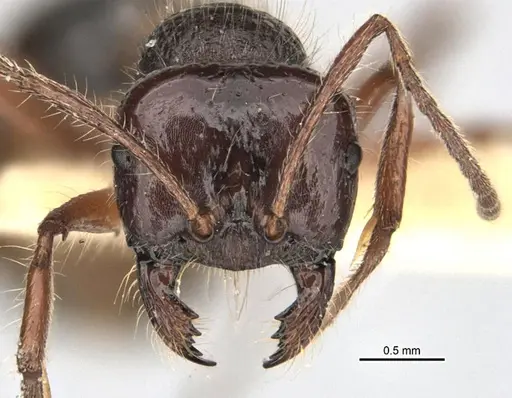
Melophorus hirsutus is one of the most morphologically unusual Melophorus species. The barrel-shaped mesosoma is unlike typical ants and gives it a wasp-like appearance. The pronotum has a distinctive translucent flange around the shoulders. The torulus (the structure around the antennal insertions) is pedunculate, meaning it sticks out on a stalk, which is unusual in this genus. Eye morphology is highly variable: some specimens have bizarrely projecting conical eyes while others have merely bulbous eyes. This variation may be related to environmental factors or could indicate cryptic species. Major workers have crimson heads while minor workers are more uniformly dark reddish-brown. These features make identification relatively straightforward once you know what to look for [1].
Behavior and Foraging
This is a diurnal species, meaning workers are active during the day [2]. They likely forage individually or in small groups rather than forming large raiding parties. Workers have relatively small eyes compared to some nocturnal ants, which aligns with their daytime activity pattern. The eye morphology has been studied: major workers have approximately 296 corneal facets with a facet size of 19μm, while minor workers have around 241 facets at 18μm [2]. This suggests moderate visual acuity suitable for daytime foraging. Workers are probably generalists that collect nectar, tend honeydew-producing insects, and hunt small prey. They are not known to be particularly aggressive but will defend the nest if threatened.
Frequently Asked Questions
How long does it take for Melophorus hirsutus to produce first workers?
The exact development time is unknown, but based on typical Melophorus and related Formicinae patterns, expect first workers (nanitics) in approximately 6-10 weeks after the queen lays eggs. This estimate is based on genus-level data rather than species-specific research. Patience is key, small colonies develop slowly [1].
Can I keep multiple Melophorus hirsutus queens together?
Colony structure is unconfirmed for this species. Based on typical Melophorus patterns, they are likely single-queen (monogyne) colonies. Combining unrelated queens has not been documented and is not recommended. If you obtain a wild colony, it likely has one founding queen.
What temperature range is best for Melophorus hirsutus?
Keep the nest at 24-28°C during the active season. This species comes from the eastern Australian coast which has moderate temperatures. A slight gradient allowing cooler areas (around 22°C) is beneficial. Avoid temperatures above 32°C or below 18°C for extended periods. During winter diapause,10-15°C is appropriate [1].
Do Melophorus hirsutus need hibernation?
Yes, a winter rest period is likely required. As an Australian species from temperate regions (Victoria, NSW highlands), they probably need 2-3 months of reduced activity at 10-15°C. Reduce feeding, keep the nest slightly drier, and avoid disturbing the colony during this period. Exact requirements are not documented but this follows typical patterns for Australian temperate ants.
How big do Melophorus hirsutus colonies get?
Colony size is unknown, no published data exists for maximum colony size. Based on related Melophorus species, colonies likely reach several hundred to perhaps a thousand workers over several years. Growth is probably slow, especially in the first year. Do not expect rapid colony expansion.
Are Melophorus hirsutus good for beginners?
This species is rated as medium difficulty. They are not the most challenging ant but also not ideal for complete beginners. The main challenges are maintaining appropriate humidity (they need more moisture than typical Melophorus) and providing proper winter diapause. If you have kept other Australian ants successfully, this species is a good choice.
What do Melophorus hirsutus eat?
They are generalist foragers. Offer sugar water or honey water as a constant energy source. For protein, provide small insects like fruit flies, pinhead crickets, or mealworms. They will likely accept most standard ant foods. Remove uneaten prey after 24-48 hours to prevent mold. Fresh water should always be available.
Why does my Melophorus hirsutus colony seem slow to grow?
Limited data exists for this species, so slow growth may be normal. Melophorus hirsutus may naturally develop more slowly than common pet ants. Ensure proper temperature (24-28°C), adequate humidity, and appropriate feeding. If the queen is healthy and eggs are being produced, give it time, small colonies can take months to show significant growth. Avoid checking the nest too frequently as disturbance stresses colonies.
References

This caresheet is licensed under CC BY-SA 4.0 .
Literature
Loading...Loading products...