

Melophorus gracilipes
- Scientific Name
- Melophorus gracilipes
- Tribe
- Melophorini
- Subfamily
- Formicinae
- Author
- Heterick <i>et al.</i>, 2017
- Distribution
- Found in 1 countries
Melophorus gracilipes Overview
Melophorus gracilipes is an ant species of the genus Melophorus. It is primarily documented in 1 countries , including Australia. Detailed taxonomic data and occurrence records can be further explored via authoritative databases such as AntWeb or the Global Biodiversity Information Facility (GBIF).
Melophorus gracilipes
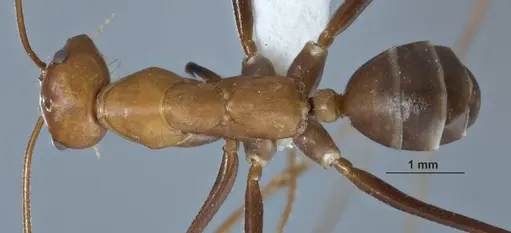
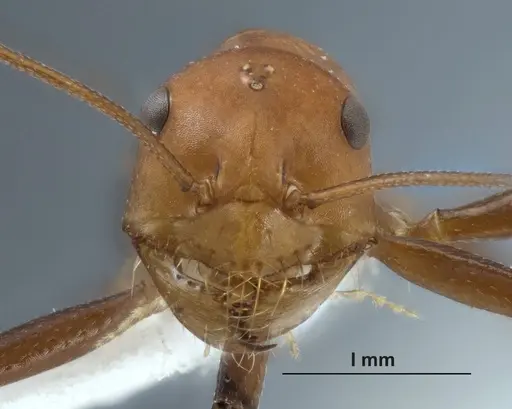
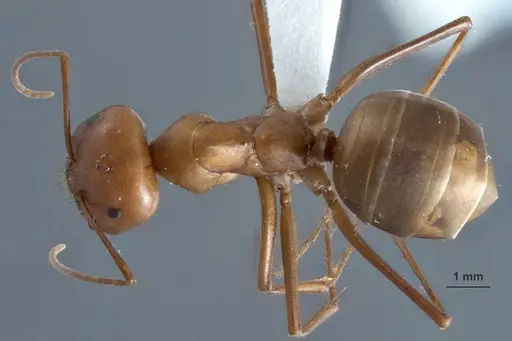
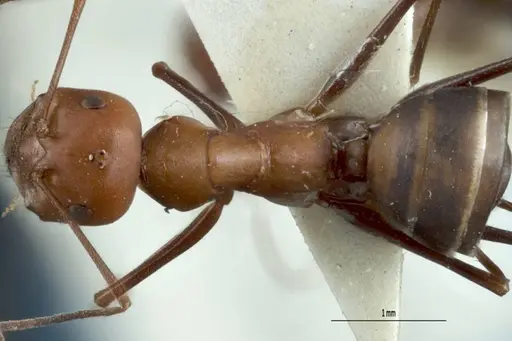
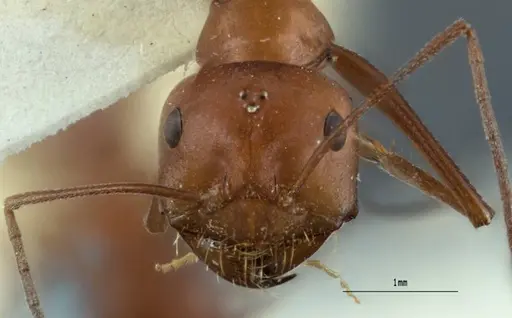
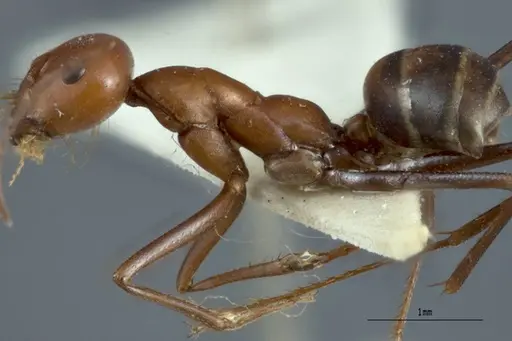
Melophorus gracilipes is a large Australian ant species native to arid and semi-arid regions of Western Australia. Workers are remarkably variable in size, ranging from 1.36mm to over 3mm in head width, with major workers being significantly larger than minors. The species has a distinctive slender appearance compared to its close relative M. bagoti, and can be identified by having only two rows of preapical tibial spines on the hind tibia (compared to five rows in M. bagoti). Color ranges from pale yellow to brown, with the abdomen sometimes showing an iridescent black. This species favors red clay soil for nesting and has been found in diverse habitats including hummock grasslands, mulga woodlands, acacia woodlands with spinifex, and sclerophyll woodlands. As a scavenger, workers collect dead insects and other protein sources rather than actively hunting live prey.
Quick Summary
- Difficulty: Medium
- Origin & Habitat: Western Australia, with likely presence in western Northern Territory and South Australia. Inhabits arid and semi-arid zones including hummock grasslands, mulga woodlands, acacia woodlands with spinifex, and sclerophyll woodlands. Red clay soil is a favored nesting substrate.
- Colony Type: Likely monogyne (single queen colonies) based on typical Melophorus patterns, though colony structure has not been directly studied for this specific species.
- Size & Growth:
- Queen: Undescribed in primary literature, estimated 8-10mm based on genus patterns
- Worker: 1.36-3.04mm head width [1]
- Colony: Unknown, likely several hundred workers based on related species in the aeneovirens group
- Growth: Moderate, estimated based on similar arid-zone Melophorus species
- Development: Estimated 6-10 weeks at optimal temperature based on genus patterns (Development time inferred from related Melophorus species, actual timeline unconfirmed for this species)
- Antkeeping:
- Temperature: Keep at 26-30°C for optimal activity and brood development. Being an arid-zone species, they tolerate warmer conditions well.
- Humidity: Low to moderate, allow the nest to dry out between waterings. Mimic their natural red clay soil habitat which drains well. Provide a water tube but avoid saturated conditions.
- Diapause: Likely required, Australian arid-zone species typically need a winter rest period. Reduce temperature to 15-18°C for 2-3 months during winter.
- Nesting: Y-tong (AAC) nests work well for this species. Their natural preference for red clay soil suggests they do well in plaster or acrylic nests with some substrate moisture. Avoid overly humid conditions.
- Behavior: Workers are active scavengers, collecting dead insects and protein sources. They are not aggressive but will defend their nest. Major workers are significantly larger and may serve as defenders or food processors. Escape risk is moderate, use standard formicarium barriers. They are daytime foragers, matching their desert habitat.
- Common Issues: colonies may fail if kept too humid, these are arid-adapted ants, slow growth compared to tropical species may frustrate beginners, winter diapause is essential, skipping hibernation can weaken colonies over time, wild-caught colonies may carry parasites that cause colony collapse in captivity, large major workers require more space in the nest chamber
Housing and Nest Setup
Melophorus gracilipes does well in Y-tong (AAC) nests or plaster nests that can maintain slight moisture without staying wet. Their natural preference for red clay soil suggests they appreciate some mineral content in their nesting material. A small outworld for foraging works well, these are active scavengers that will readily leave the nest to collect food. Ensure your formicarium has chambers large enough for the major workers, which can reach 3mm in body width. A test tube setup works for founding colonies, but be prepared to move them to a proper nest once the colony reaches 20-30 workers. [1]
Feeding and Diet
As scavengers, these ants are not picky eaters. They accept protein sources like mealworms, crickets, and other small insects. Workers have been observed carrying dead grasshoppers in the wild, indicating they readily collect carrion. Offer protein 2-3 times per week, removing any uneaten prey after 24 hours. Sugar water or honey can be offered occasionally, though they are not as strongly attracted to sweets as some ant species. Fresh water should always be available. [1]
Temperature and Heating
Being an arid-zone species from Western Australia, M. gracilipes thrives at warm temperatures. Keep the nest area at 26-30°C during the active season. A heating cable on one side of the nest creates a temperature gradient allowing workers to regulate their own exposure. Room temperature around 24°C is acceptable, but slightly warmer conditions will boost activity and brood development. These ants are adapted to temperature fluctuations in their natural habitat, so minor variations are well-tolerated. [1]
Seasonal Care and Diapause
In their native Australian habitat, these ants experience cooler winters and must be given a diapause period in captivity. Reduce temperatures to 15-18°C for 2-3 months during winter, typically from late autumn through early spring. During this time, reduce feeding to once every two weeks or stop entirely. The colony will become less active and cluster in the cooler parts of the nest. Do not skip this winter rest, it is essential for the health of the colony and may trigger reproductive behavior in the following season. [1]
Behavior and Colony Dynamics
This species shows pronounced polymorphism, major workers can be more than twice the size of minors. The majors likely serve as defenders and food processors, while minors handle most foraging and brood care. Workers are diurnal, matching their desert habitat where daytime foraging is necessary. They are not particularly aggressive but will bite if the nest is threatened. The species is a scavenger rather than a predator, so they do not hunt live prey aggressively. Colonies build up moderately fast once established, with the first major workers typically appearing after several months. [1]
Frequently Asked Questions
How long does it take for Melophorus gracilipes to produce first workers?
Based on related Melophorus species, expect first workers (nanitics) to emerge around 6-10 weeks after the queen lays eggs, assuming optimal temperature around 28°C. This is a moderate development time compared to some faster-growing tropical species.
What temperature do Melophorus gracilipes need?
Keep them warm at 26-30°C. These are arid-zone ants from Western Australia that prefer warm conditions. A heating cable on part of the nest helps maintain optimal temperatures.
Can I keep multiple Melophorus gracilipes queens together?
This has not been studied for this specific species. Based on typical Melophorus patterns, single-queen colonies are most common. Combining unrelated queens is not recommended as they may fight.
Do Melophorus gracilipes need hibernation?
Yes, a winter diapause is likely required. Reduce temperatures to 15-18°C for 2-3 months during winter. This mimics their natural seasonal cycle in arid Australia.
What do Melophorus gracilipes eat?
They are scavengers that accept various protein sources including mealworms, crickets, and other small insects. They will also take sugar water or honey occasionally. Offer protein 2-3 times per week.
Is Melophorus gracilipes good for beginners?
This species is rated as medium difficulty. They require warm temperatures and proper seasonal diapause, which may be challenging for complete beginners. However, they are not overly demanding once basic requirements are met.
How big do Melophorus gracilipes colonies get?
Colony size is not well documented for this species, but based on related species in the aeneovirens group, colonies likely reach several hundred workers. Growth is moderate rather than rapid.
When should I move Melophorus gracilipes from a test tube to a formicarium?
Move the colony once it reaches 20-30 workers and the test tube setup shows signs of stress (workers clustering at the water end, condensation issues, or the棉花 has become moldy).
Why is my Melophorus gracilipes colony declining?
Common causes include: too high humidity (they prefer arid conditions), temperatures outside their 26-30°C range, skipping winter diapause, or parasite infection from wild-caught colonies. Review each of these factors and adjust accordingly.
References

This caresheet is licensed under CC BY-SA 4.0 .
Literature
Loading...Loading products...