

Melophorus bagoti
- Scientific Name
- Melophorus bagoti
- Tribe
- Melophorini
- Subfamily
- Formicinae
- Author
- Lubbock, 1883
- Common Name
- Red Honey Ant
- Distribution
- Found in 1 countries
Melophorus bagoti Overview
Melophorus bagoti (commonly known as the Red Honey Ant) is an ant species of the genus Melophorus. It is primarily documented in 1 countries , including Australia. Detailed taxonomic data and occurrence records can be further explored via authoritative databases such as AntWeb or the Global Biodiversity Information Facility (GBIF).
Melophorus bagoti - "Red Honey Ant"
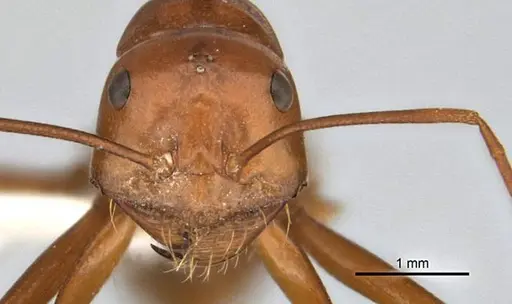
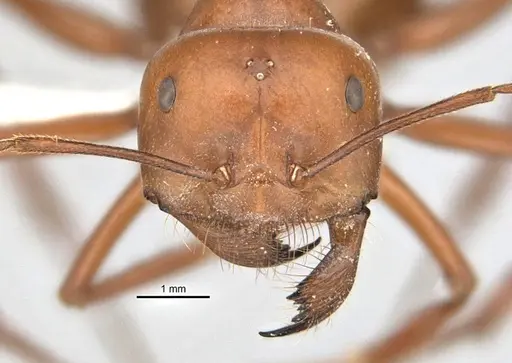
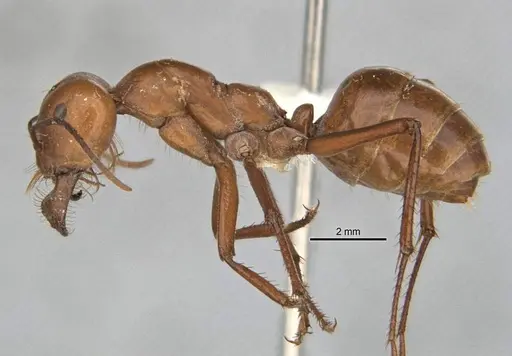
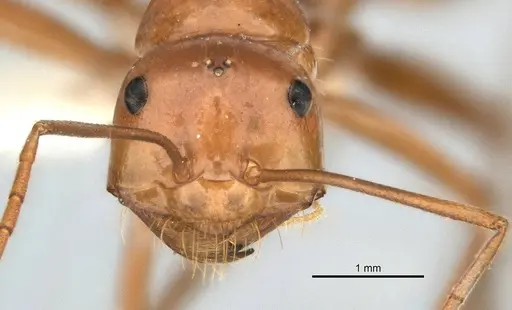
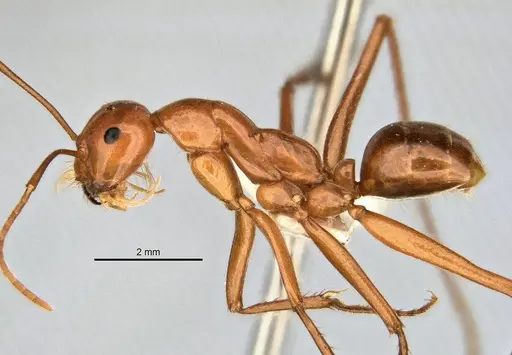
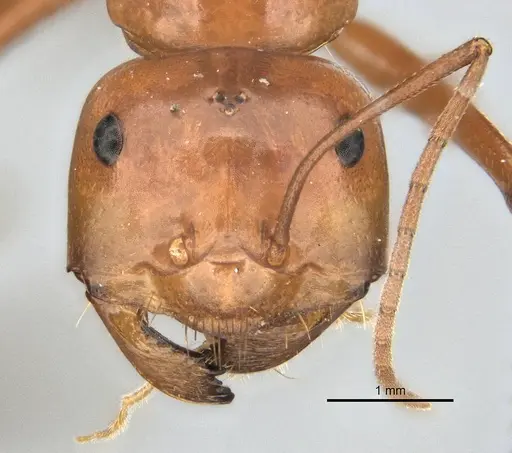
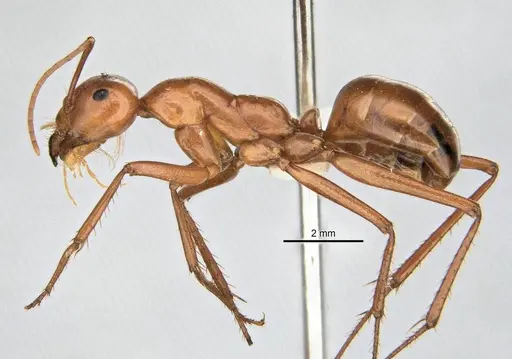
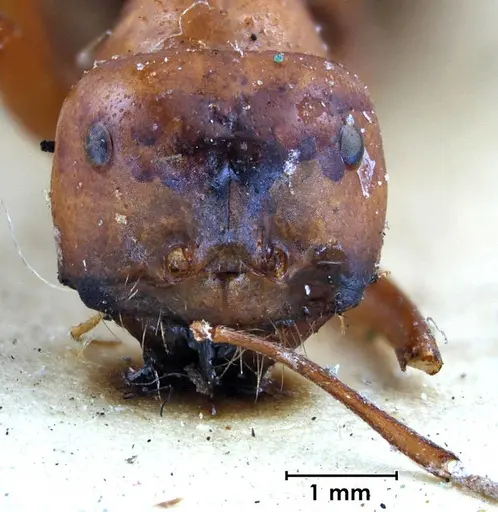
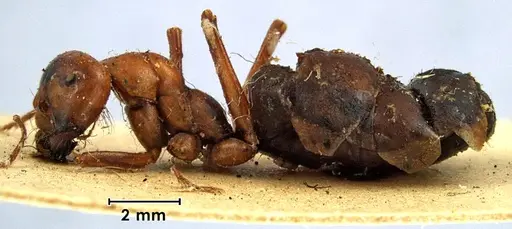
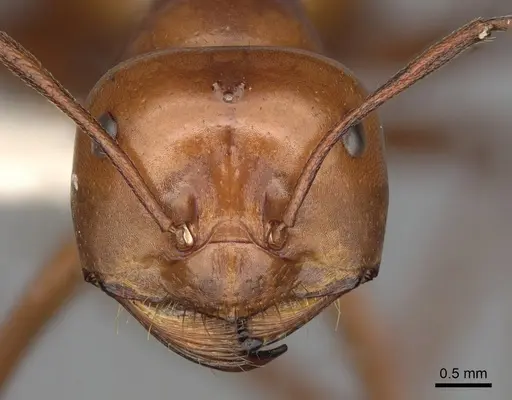
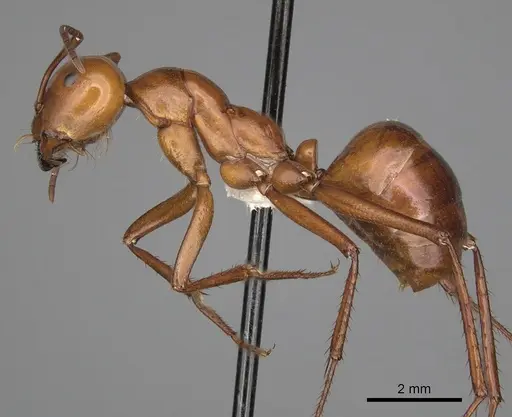
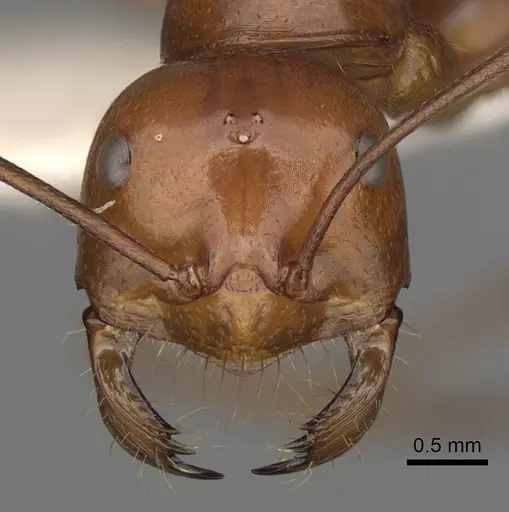
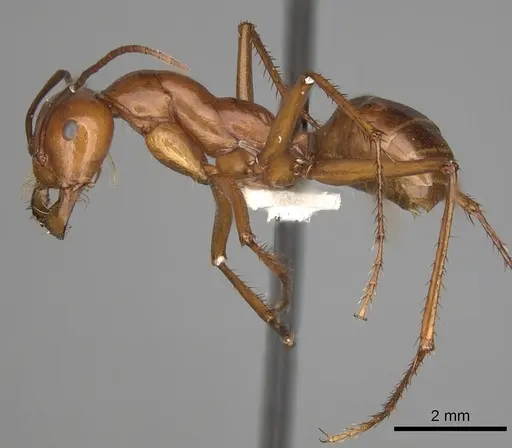
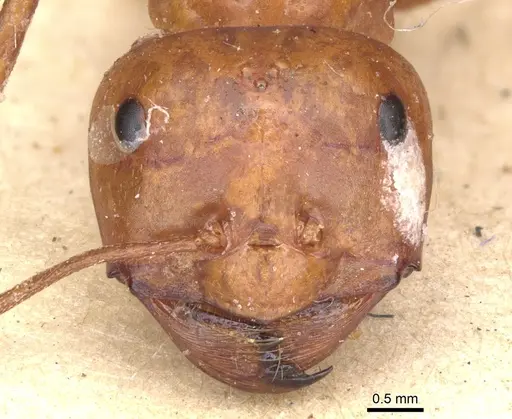
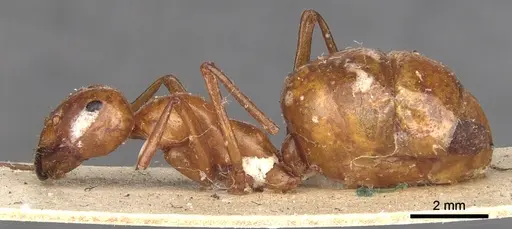
Melophorus bagoti is a large, bright orange desert ant native to central Australia, one of the most thermally tolerant insects known. Workers show distinct polymorphism, with some having a black iridescent gaster. This species is famous for its repletes (specialized 'honeypot' workers) that store liquid food in their distended abdomens, a trait valued by Aboriginal people who traditionally consumed them as food. The ant is also known as the 'furnace ant' or 'honeypot ant', with the Aboriginal nickname ituny ituny meaning 'sun sun', a reference to its extreme heat tolerance. Unlike many ants, M. bagoti forages individually during the hottest part of the day when ground temperatures exceed 50°C, occupying an ecological niche similar to African Cataglyphis and Namibian Ocymyrmex species. They navigate using an extraordinary combination of path integration, visual landmark memory, and celestial compass cues, making them a premier model organism for studying insect navigation.
Quick Summary
- Difficulty: Medium
- Origin & Habitat: Central Australian desert regions across all mainland Australian states except Victoria, most common in Northern Territory and Western Australia. Inhabits semi-arid grassland deserts with buffel grass tussocks, Acacia and Hakea shrubs, and occasional Eucalyptus trees [1][2][3].
- Colony Type: Monodomous (single nest) colonies with a single queen. Colonies contain approximately 2800 workers plus repletes, queens, males, and brood. Features polymorphic workers including specialized repletes (honeypots) that store liquid food [1][4].
- Colony: Monogyne
- Founding: Claustral
- Size & Growth:
- Queen: Unconfirmed, estimated 8-10mm based on genus patterns
- Worker: 1.39-3.33mm head width (HW), with major workers up to 3.3mm and minor workers around 1.4mm [2][5]
- Colony: Up to approximately 2800 workers per colony [1]
- Growth: Moderate, estimated 8-12 weeks from egg to first worker based on related Formicinae
- Development: 8-12 weeks (estimated based on Formicinae genus patterns) (Direct development data unavailable, estimates based on typical Formicinae development at optimal temperatures)
- Antkeeping:
- Temperature: Extremely thermophilic, keep nest at 28-35°C with a thermal gradient. Critical thermal maximum is ~56.7°C in the wild, but captive colonies should be kept at desert-appropriate temperatures. Provide heating on one side of the nest to create a gradient [6][7]
- Humidity: Low to moderate, maintain dry to slightly damp nest conditions. These desert ants prefer drier conditions, avoid excessive moisture. Provide a water source separately from the nest [2]
- Diapause: Yes, these ants hibernate during Australian winter (roughly May-September in captivity). Keep at 15-18°C during this period with reduced feeding. Activity ceases when temperatures drop below their thermal threshold [8][1]
- Nesting: Y-tong (AAC), plaster, or naturalistic setups work well. Provide a dry nest chamber with sand or soil substrate. Since they naturally nest in sandy soil with small crescentic dunes around the entrance, a naturalistic setup with a sand-filled area mimics their natural habitat [2][9]
- Behavior: Extremely fast-moving and active foragers. They are solitary foragers, each ant navigates independently without chemical trails, using visual landmark memory and path integration. Workers show remarkable route fidelity, establishing idiosyncratic routes between nest and food sources. Outbound and inbound routes often differ. They are not aggressive but will defend the nest if threatened. Escape prevention is important due to their small size and speed. Workers scan their surroundings frequently during navigation and perform characteristic 'pirouettes' (full body rotations) during learning walks [4][10][11].
- Common Issues: colonies often fail if kept too cool, they require warm conditions above 25°C to remain active, slow founding because claustral queens may take many weeks to produce first workers without supplemental heat, repletes (honeypots) are fragile, they can rupture if handled roughly or if the colony is disturbed, colonies may become inactive during winter diapause and keepers sometimes mistakenly think the colony has died, small colony sizes at founding make them vulnerable to stress, avoid disturbing newly established colonies, escape risk is high due to their small size and speed, use tight-fitting lids and fine mesh barriers
Temperature and Heating Requirements
Melophorus bagoti is one of the most heat-tolerant ant species on Earth, with a critical thermal maximum (CTmax) of approximately 56.7°C in the wild. In captivity, you should maintain nest temperatures between 28-35°C, with a thermal gradient allowing workers to choose their preferred temperature zone. The key insight from research is that foraging activity only begins when soil surface temperatures approach 50°C, so your colony will become active and begin foraging when the nest reaches these temperatures. Use a heating cable or heat mat on one side of the nest to create this gradient, but ensure the heating element is placed on top of the nest to avoid evaporating moisture. During winter months (roughly May-September), the colony will enter diapause and you should reduce temperatures to 15-18°C and reduce feeding frequency. Do not confuse winter inactivity with death, the colony is simply resting [6][7][3].
Feeding and Diet
In the wild, M. bagoti is primarily a scavenger that collects dead insects (especially those that have succumbed to the desert heat), seeds, and sugary plant exudates. Their diet in captivity should reflect this: offer small insects like fruit flies, pinhead crickets, and mealworms as primary protein sources. They will also accept sugar water, honey, or diluted syrup. The presence of repletes (honeypot workers) in the colony means they can store liquid food, you may observe repletes with distended, amber-colored or milky white abdomens. Feed protein prey 2-3 times per week and provide a constant sugar water source. Remove uneaten prey after 24-48 hours to prevent mold. The foraging success rate in the wild is relatively low (6-17%), reflecting the challenging nature of finding food in the desert, so do not be concerned if not every foraging trip yields results [4][1][10].
Nest Preferences and Setup
In nature, M. bagoti nests in sandy soil, creating underground chambers with small crescentic dunes of excavated sand around the nest entrance. They are monodomous, meaning they maintain a single nest entrance. For captivity, Y-tong (AAC) nests, plaster nests, or naturalistic setups with sand substrate all work well. The key requirements are: dry to slightly damp conditions (avoid excessive humidity), a nest chamber sized appropriately for the colony size, and a foraging area that allows for their characteristic long-distance foraging behavior. These ants do not use chemical trails, so the foraging area should be relatively simple to navigate. Provide a water source in the outworld. The colony will block the nest entrance overnight with soil particles, this is normal behavior and not a cause for concern [2][9][1].
Navigation and Behavioral Enrichment
One of the most fascinating aspects of M. bagoti is their extraordinary navigation system. Workers are solitary foragers that establish idiosyncratic (individually unique) routes between the nest and food sources. They combine path integration (keeping track of distance and direction traveled), celestial compass cues (using the sun and sky polarization), and visual landmark memory to navigate. Each ant develops its own unique route, and outbound and inbound routes often differ. Before their first foraging trip, naive ants perform 3-7 'learning walks' over 3-4 days, gradually expanding their exploration area around the nest while performing characteristic scanning behaviors called 'pirouettes' (full body rotations). In captivity, you can observe this by providing a complex but safe outworld environment with some landmarks. The ants will scan their surroundings frequently and establish route memories. Their foraging lifespan is short, only about 4.9 days on average, so individual workers come and go quickly [11][10][12][13].
Colony Structure and Repletes
M. bagoti colonies are remarkable for having specialized workers called repletes (or honeypots) that serve as living food storage vessels. These workers have enormously distended abdomens filled with liquid food, and they hang from the nest ceiling, regurgitating food to feed other colony members during times of scarcity. Two types are observed: those with clear, amber-colored abdomens and those with milky white abdomens. The colony also contains polymorphic workers, major workers (soldiers) with larger heads guard the nest entrance, while smaller workers handle foraging. A typical mature colony contains approximately 2800 individuals including workers, repletes, queens, males, and brood. The colony is monodomous (single nest) with one queen. Major workers patrol and guard the nest while smaller foragers venture out during the heat of day [1][4][2].
Seasonal Care and Diapause
In the wild, M. bagoti is strictly diurnal and active only during the summer months (roughly November to April in Australia), foraging when ground temperatures exceed 50°C. During winter, the entire colony becomes inactive and remains underground. In captivity, you should simulate this seasonal cycle: reduce temperatures to 15-18°C during winter (roughly May-September in the Northern Hemisphere) and reduce feeding to once every 2-3 weeks. The colony will become inactive and may seal themselves in. Do not disturb the colony during this period or mistake it for death. As temperatures rise in spring, gradually increase heating and resume normal feeding schedules. Mating flights occur after rainy days in summer, if you maintain a mature colony, you may observe this behavior if conditions are right [8][1][9].
Frequently Asked Questions
How long does it take for Melophorus bagoti to produce first workers?
Direct data is unavailable, but based on typical Formicinae development, expect 8-12 weeks from egg to first worker at optimal temperatures (28-35°C). Provide consistent warmth and minimal disturbance during founding.
What temperature do Melophorus bagoti need?
Keep nest temperatures between 28-35°C with a thermal gradient. These are extremely thermophilic ants, in the wild they forage when ground temperatures exceed 50°C. Use a heating cable on one side of the nest to create a gradient [6].
Can I keep multiple Melophorus bagoti queens together?
This species is monodomous with single-queen colonies. Combining unrelated queens has not been documented and is not recommended. Queens may fight or the colony may not establish properly.
How big do Melophorus bagoti colonies get?
Mature colonies contain approximately 2800 workers plus repletes, queens, males, and brood. Growth is moderate, colonies take several years to reach this size from a single founding queen.
What do Melophorus bagoti eat?
They are scavengers that primarily collect dead insects, seeds, and sugary plant exudates. In captivity, offer small insects (fruit flies, pinhead crickets, mealworms) as protein and provide constant access to sugar water or honey.
Do Melophorus bagoti need hibernation?
Yes, they require a winter rest period (diapause) during cooler months. Reduce temperatures to 15-18°C and reduce feeding frequency during this time (roughly May-September). Activity will resume when temperatures increase.
Are Melophorus bagoti good for beginners?
They are rated as medium difficulty. The main challenges are providing appropriate high temperatures, managing their seasonal activity cycle, and understanding their unique navigation behaviors. They are fascinating but require more specific thermal conditions than many common ant species.
Why are my Melophorus bagoti not foraging?
Check your temperatures first, they will not become active until nest temperatures reach at least 25°C, and foraging only begins around 50°C in the wild. Also ensure it is summer in your simulated cycle or that you are providing adequate heating.
What is the lifespan of a Melophorus bagoti forager?
Individual foragers have very short lives, the average foraging span outside the nest is only 4.9 days. Workers perform a few foraging runs before dying, which is normal. The colony persists through the queen's long lifespan.
References

This caresheet is licensed under CC BY-SA 4.0 .
ANIC32-900070-1
View on AntWeb

ANIC32-900070-2
View on AntWeb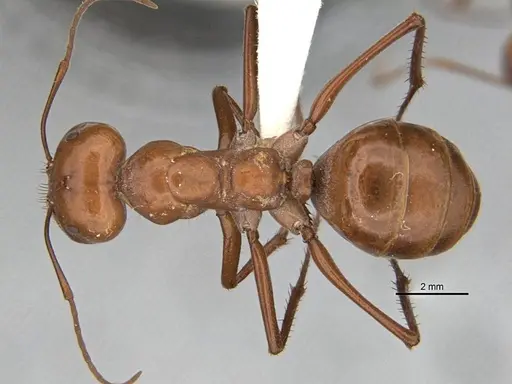
ANIC32-900190-1
View on AntWeb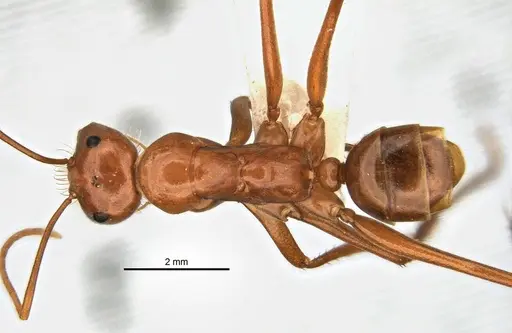
ANIC32-900190-2
View on AntWeb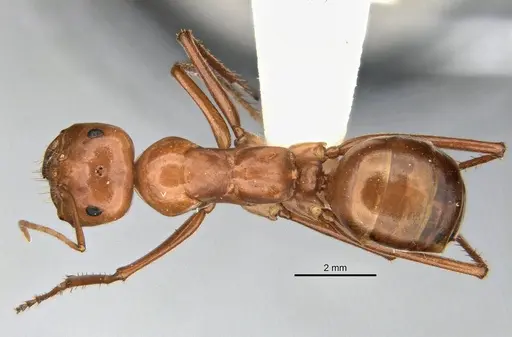
ANTWEB1038561
View on AntWeb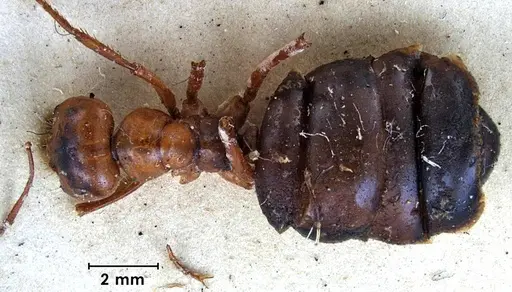
CASENT0280499
View on AntWeb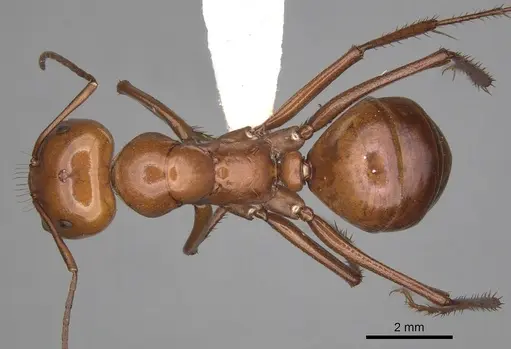
CASENT0280500
View on AntWeb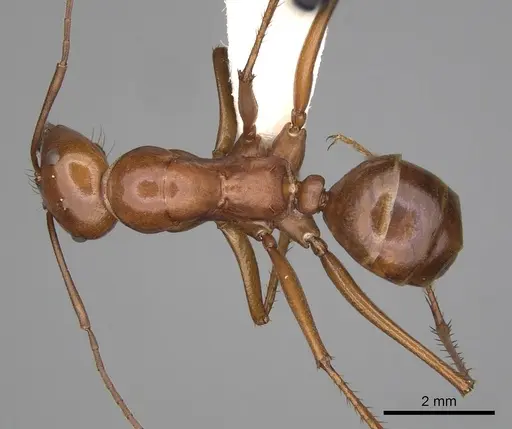
CASENT0903260
View on AntWeb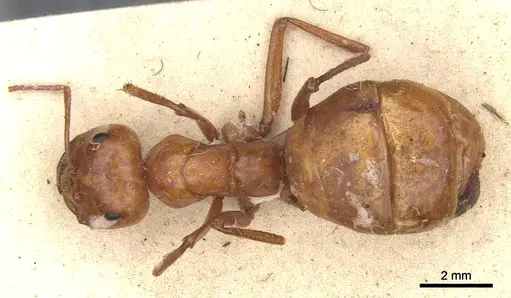
Literature
Loading...Loading products...