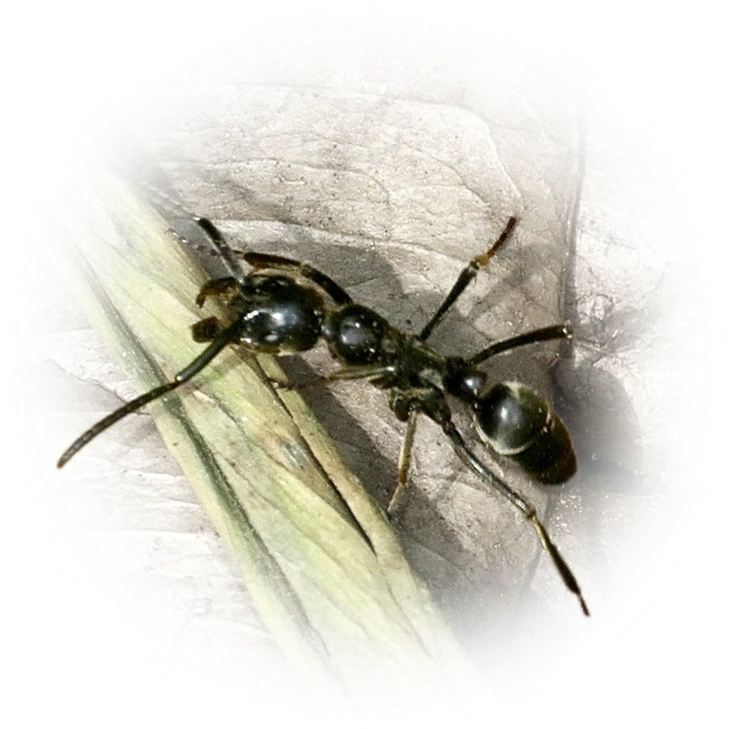

Megaponera analis
- Scientific Name
- Megaponera analis
- Tribe
- Ponerini
- Subfamily
- Ponerinae
- Author
- Latreille, 1802
- Common Name
- Matabele Ant
- Distribution
- Found in 14 countries
Megaponera analis Overview
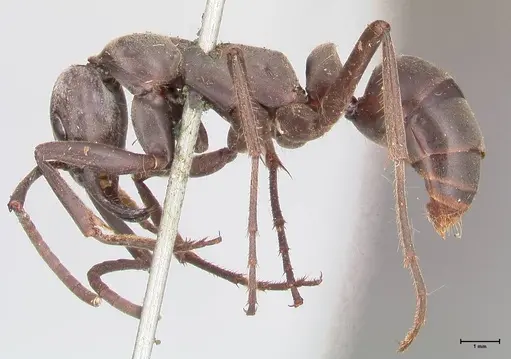
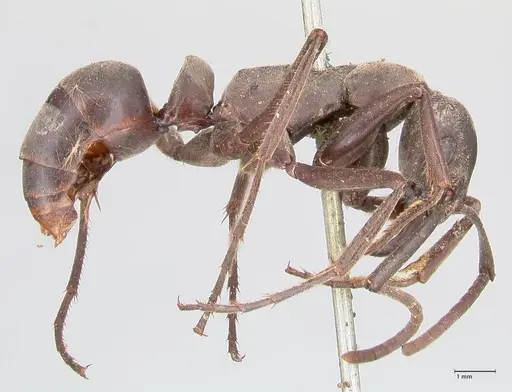
Megaponera analis (commonly known as the Matabele Ant) is an ant species of the genus Megaponera. It is primarily documented in 14 countries , including Benin, Botswana, Congo. Detailed taxonomic data and occurrence records can be further explored via authoritative databases such as AntWeb or the Global Biodiversity Information Facility (GBIF).
Megaponera analis - "Matabele Ant"
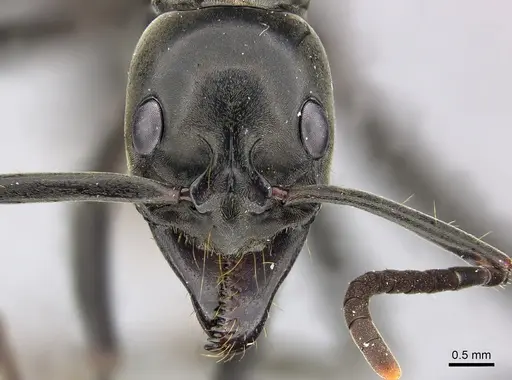
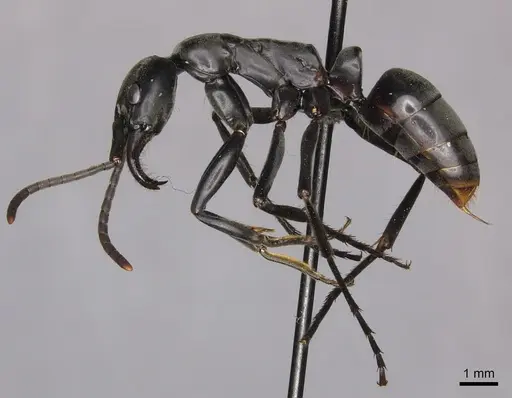
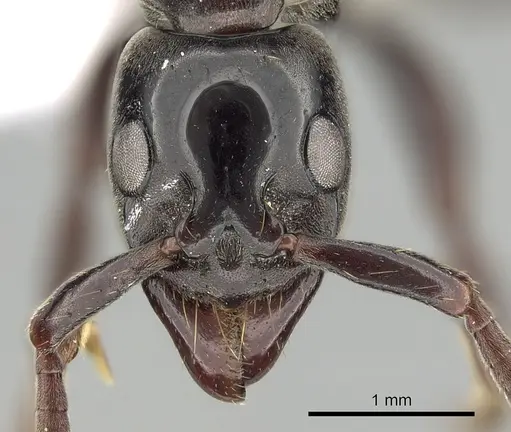
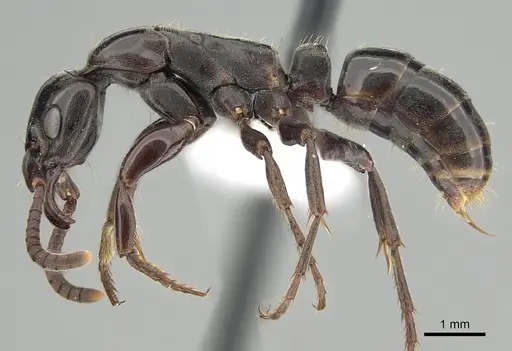
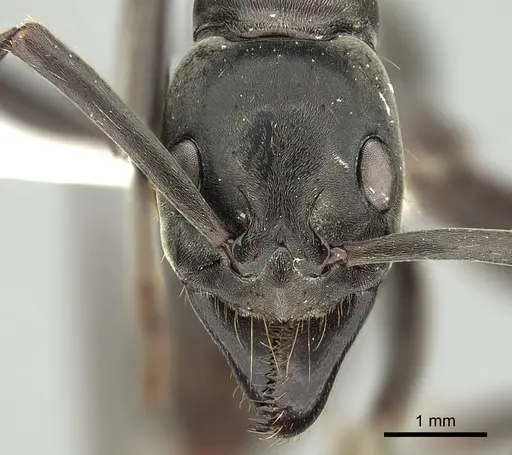
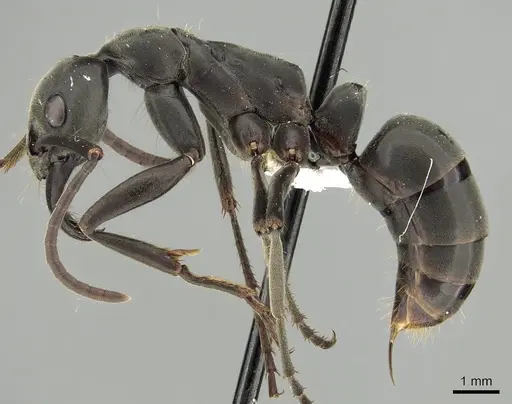
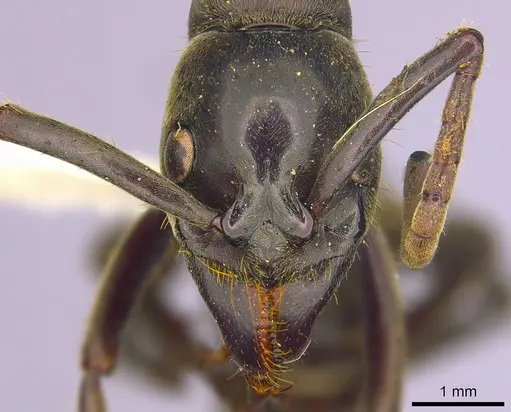
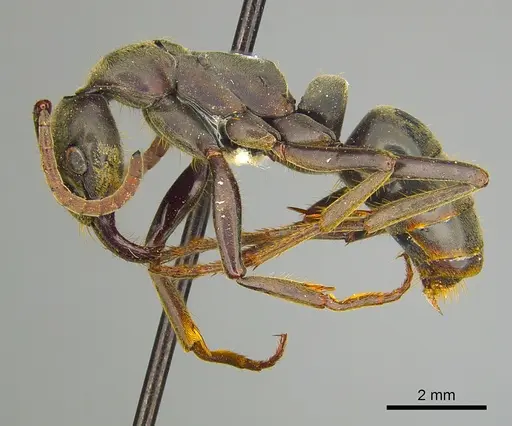
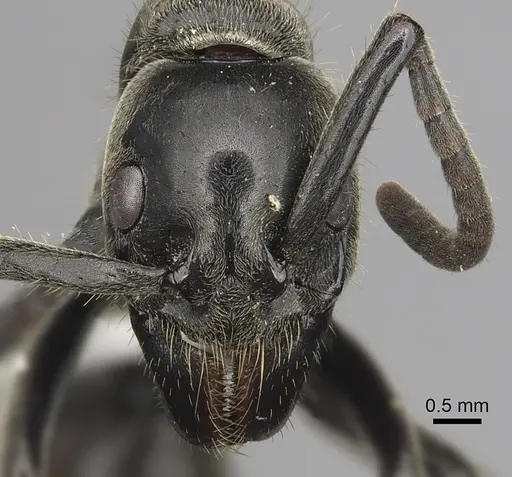
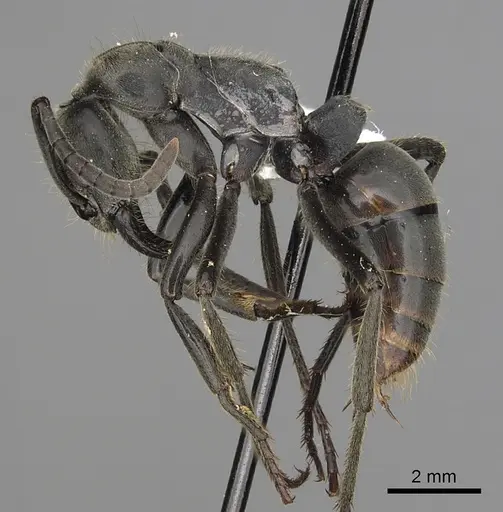
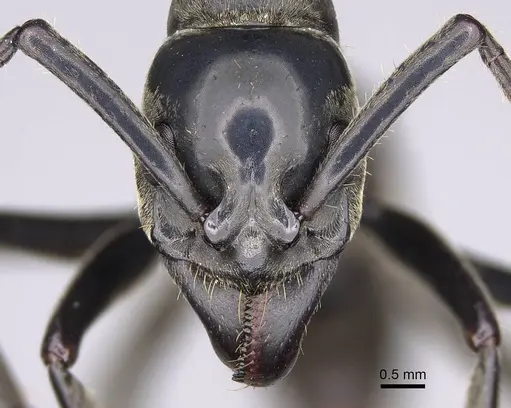
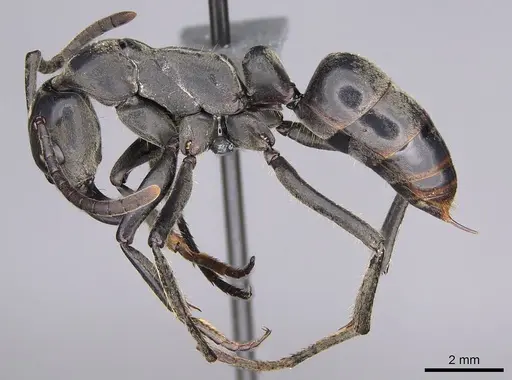
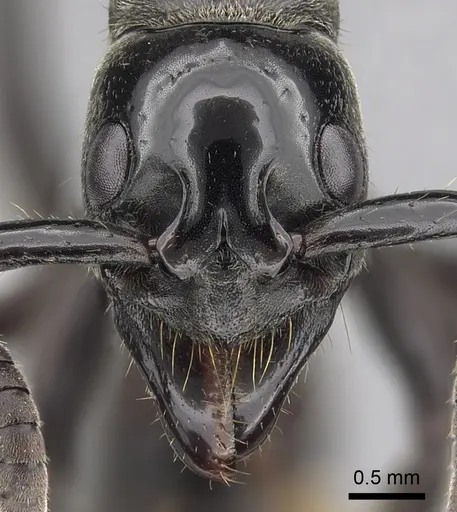
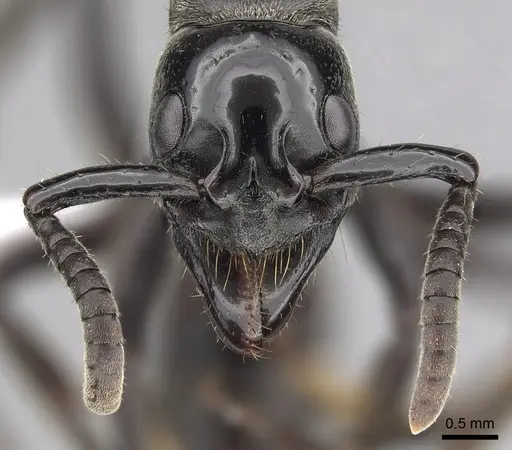
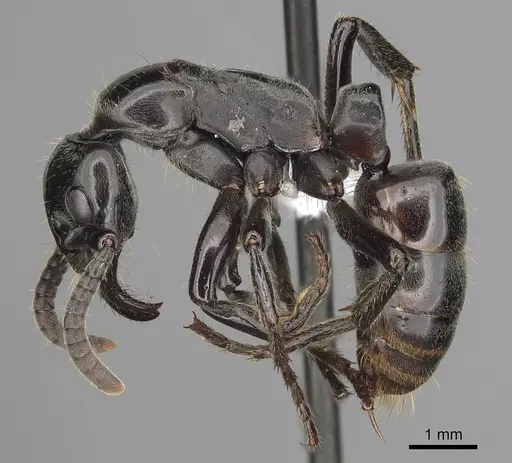
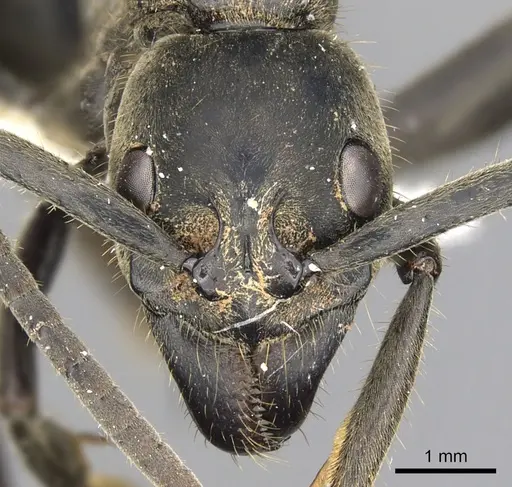
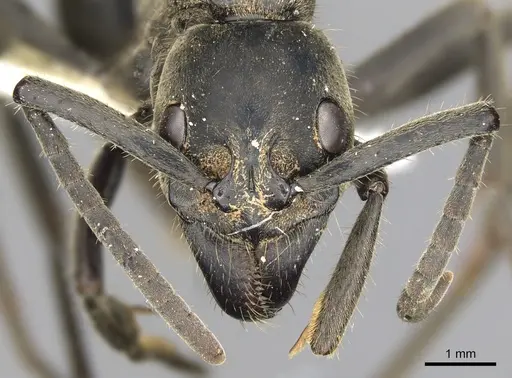
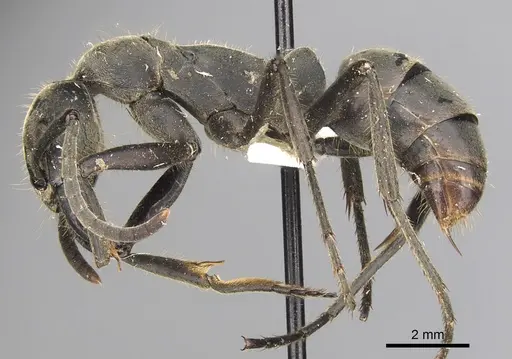
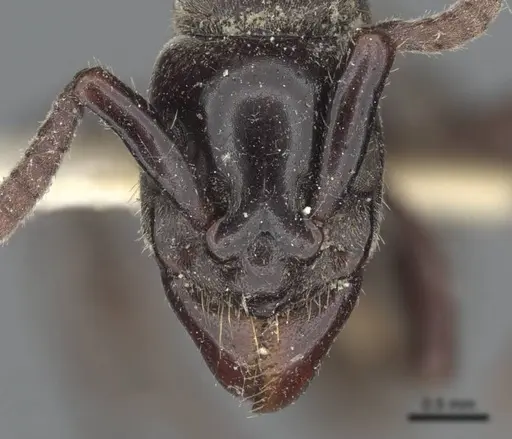
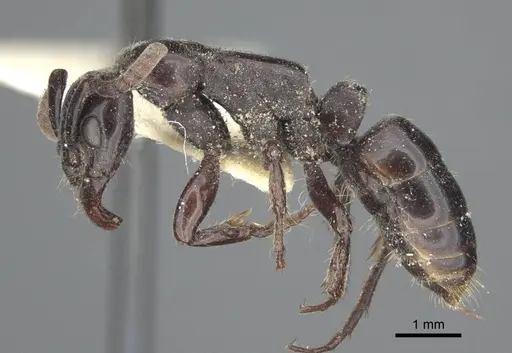
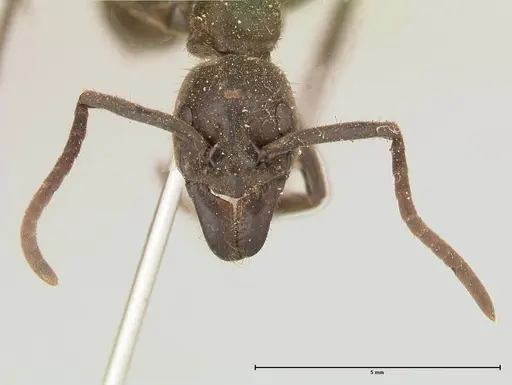
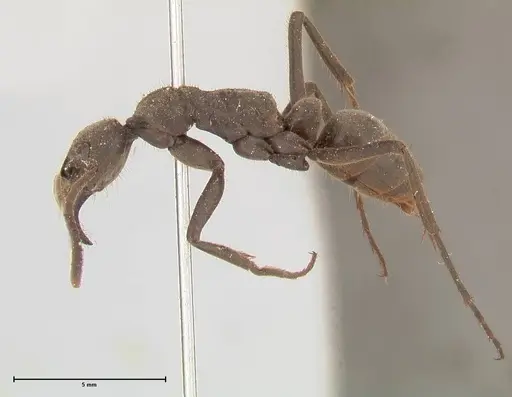
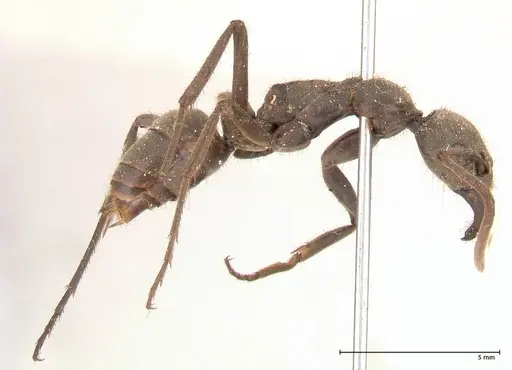
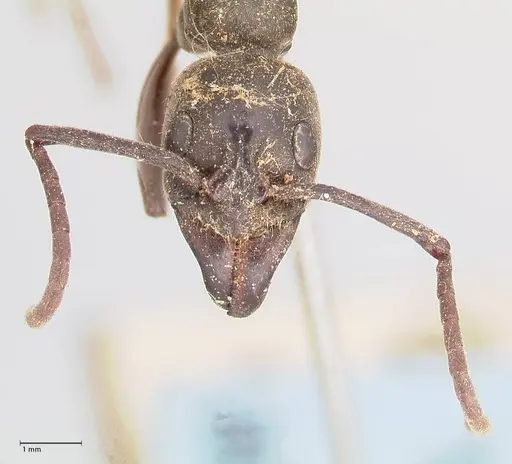
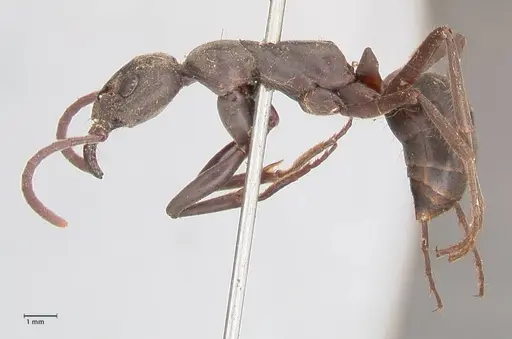
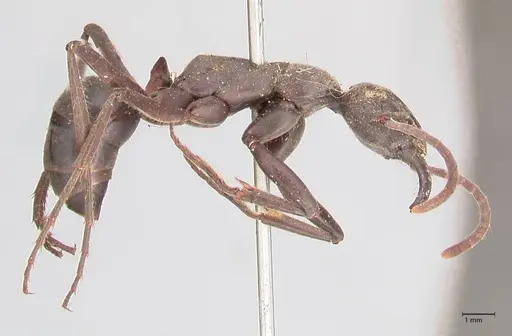
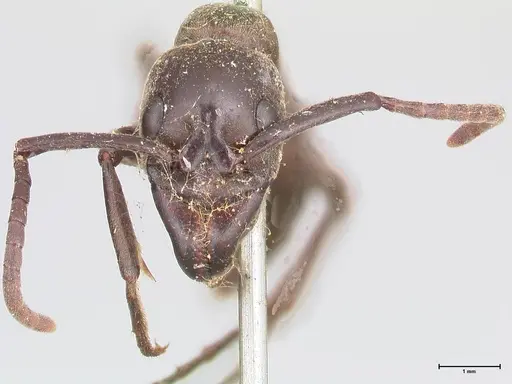
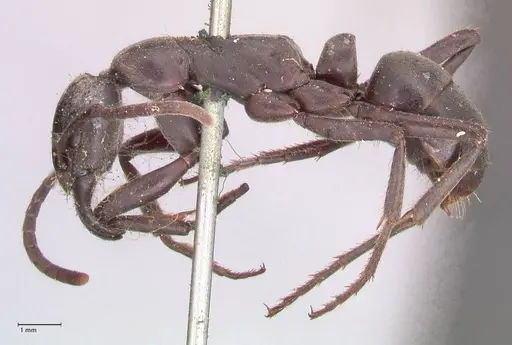
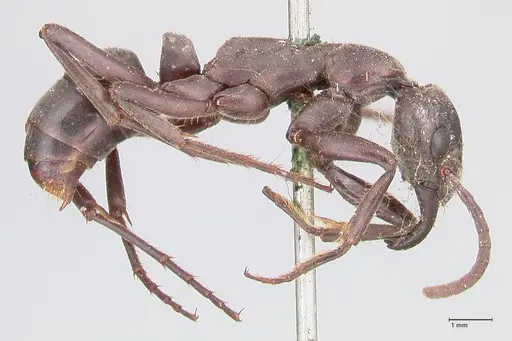
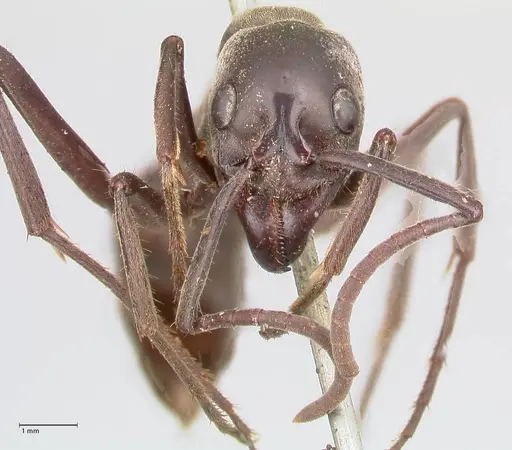
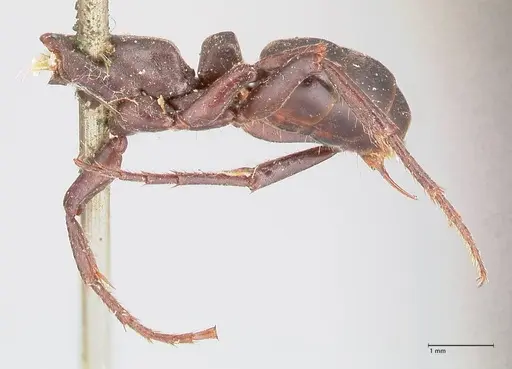
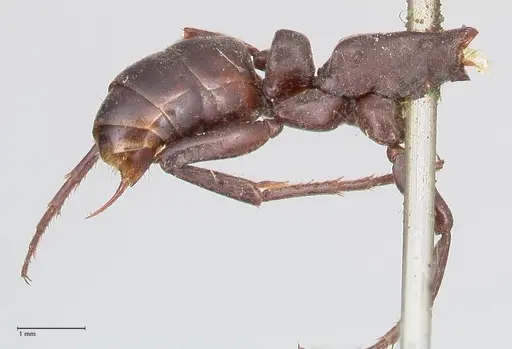
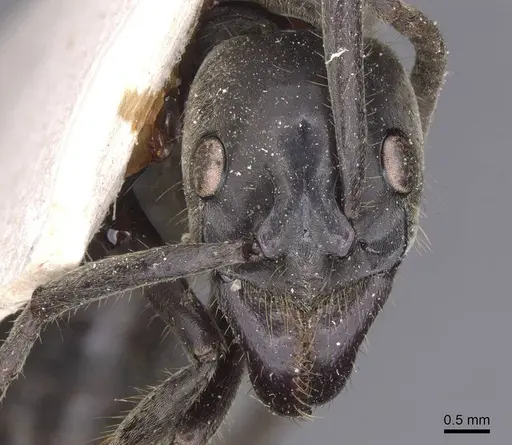
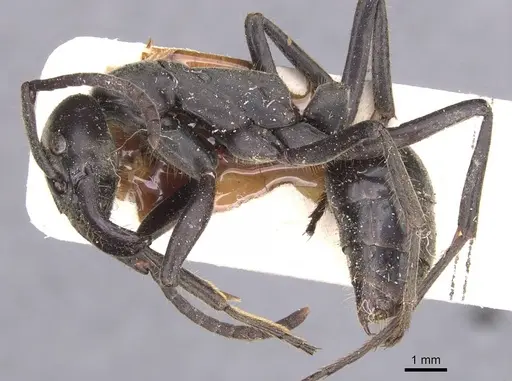
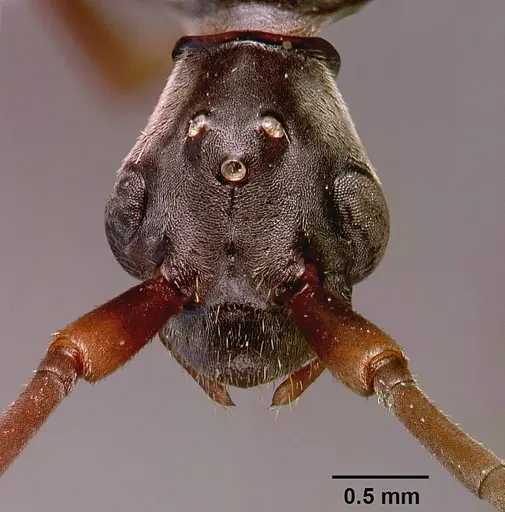
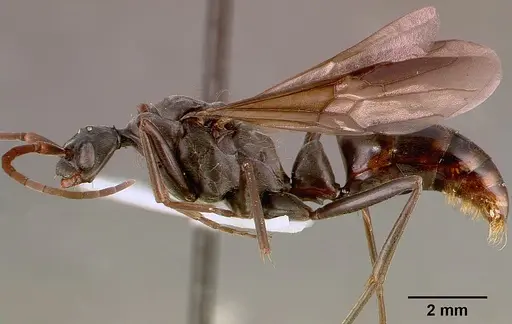
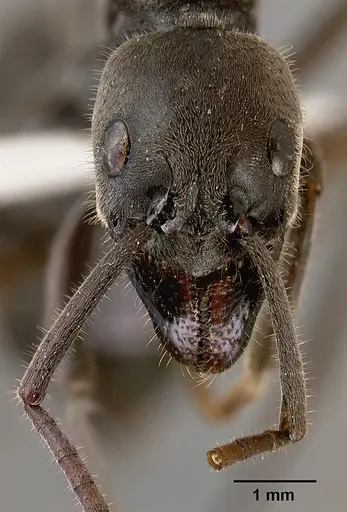
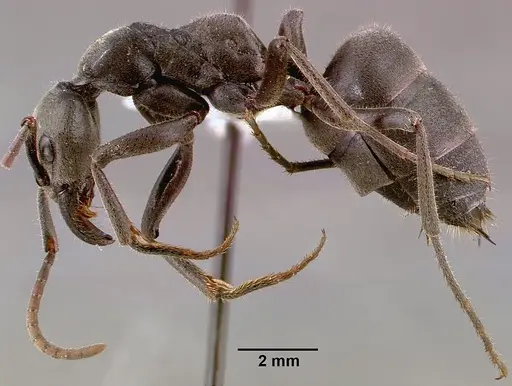
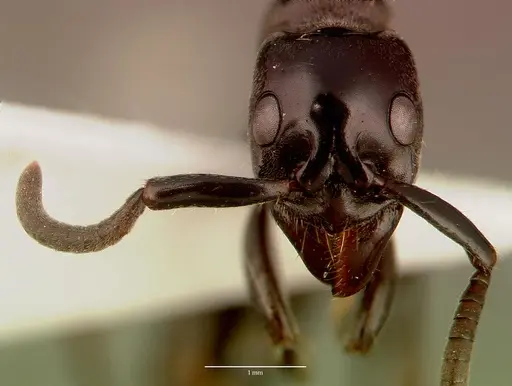
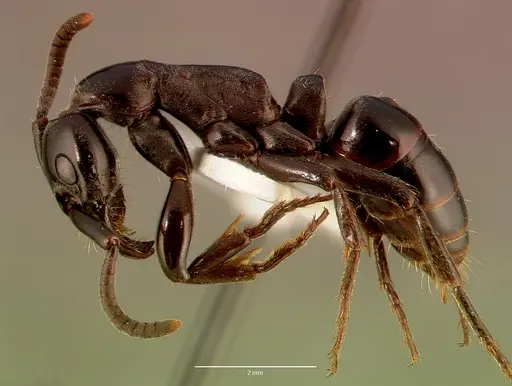
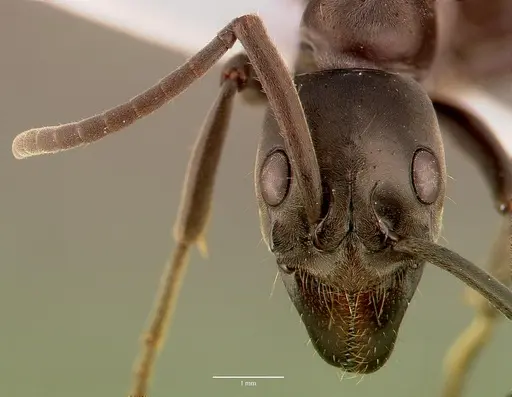
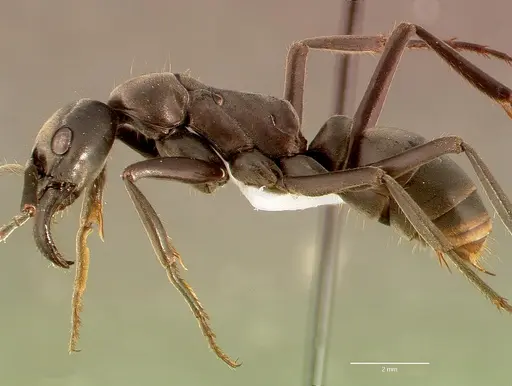
The Matabele ant is a striking termite-hunting specialist native to sub-Saharan Africa. Workers are highly polymorphic, ranging from 5-18mm in length, with majors roughly twice the size of minors [1]. They feature a distinctive reddish-brown coloration with a darker gaster, and their powerful sting makes them formidable predators. This species conducts organized raids on termite colonies, sending out scouts that recruit 200-500 workers to overwhelm termite defenses in coordinated column formations [2]. What sets Megaponera analis apart is their remarkable rescue behavior, injured ants release pheromones from their mandibular glands that trigger nestmates to carry them back to safety, a documented survival mechanism that allows colonies to maintain 28.7% larger populations [1]. Colonies are monogynous with a single ergatoid (permanently wingless) queen, and typically contain 900-2300 workers [1].
Quick Summary
- Difficulty: Expert
- Origin & Habitat: Sub-Saharan Africa from 25°S to 12°N, primarily savannah habitats. Nests are found under rocks, in abandoned termite mounds, under trees, and in soil cavities [3]. Colonies prefer areas with access to termite prey, typically in humid savannah woodland with mean relative humidity around 82% [4].
- Colony Type: Monogynous colonies with a single ergatoid (wingless) queen. The queen is permanently wingless with a large gaster and produces chemical signals that attract and organize workers [5]. Colonies range from 900-2300 workers in excavated field colonies [1].
- Colony: Monogyne
- Founding: Claustral
- Size & Growth:
- Queen: Ergatoid queen (wingless), size not precisely specified in literature but larger than workers with prominent gaster [5]. Estimated 15-20mm based on colony data.
- Worker: 2.40mm), intermediates (1.99-2.40mm), and minors (
- Colony: 900-2300 workers in field colonies [1], 400-1475 in other studies [3]. Laboratory colonies average 1373 ± 520 ants [1].
- Growth: Moderate, birth rate approximately 13.3 ± 3.8 ants per day with 8-day sclerotization time for new workers [1].
- Development: Estimated 6-10 weeks based on typical ponerine development patterns. Direct measurements not available for this species. (Development occurs within the nest. Age polyethism observed, younger workers conduct nest tasks while older workers participate in risky foraging raids [1].)
- Antkeeping:
- Temperature: Keep nest area at 22-26°C. Field studies show raids occur at ground temperatures 19-34°C with optimal departure temperatures around 23°C [3]. Avoid temperatures above 30°C as midday foraging is avoided due to heat stress [3]. A gentle gradient allowing warmer and cooler zones is recommended.
- Humidity: Maintain high humidity around 70-80%. Field colonies show mean relative humidity of 82% [4]. Keep substrate consistently moist but not waterlogged. Nest temperatures run 2-3°C cooler than ambient air, suggesting some moisture retention is important.
- Diapause: No true diapause documented. In equatorial populations, raiding activity continues year-round with some nocturnal raiding during dry season [2]. Keep at stable temperatures year-round.
- Nesting: Natural nests are under rocks, in abandoned termite mounds, or in soil cavities [3]. For captivity, use a naturalistic setup with multiple chambers or a Y-tong style formicarium with moist substrate. Provide a deep soil layer or plaster nest that can retain humidity. Colonies readily emigrate, so ensure the setup allows for relocation.
- Behavior: Megaponera analis is a specialized termite predator with highly organized raiding behavior. Scouts search for termite foraging sites and return to recruit 200-500 workers in column formation. During raids, majors break open soil galleries while minors rush in to kill and carry prey. This species shows remarkable rescue behavior where injured ants are carried back to the nest by nestmates. They are defensive and will sting if threatened, pain rating 1.5 on the Schmidt scale [6]. Workers stridulate loudly when disturbed. Escape prevention is important given their moderate size and active foraging behavior.
- Common Issues: Specialized diet makes feeding challenging, they require live termites or equivalent protein sources, refusing other prey in some cases [4], Colony stress from improper humidity can lead to emigration attempts or mortality, Their large size and powerful sting means handling requires care, they will defend aggressively, Slow colony growth compared to generalist ant species may frustrate keepers expecting rapid expansion, Rescue behavior is a fascinating adaptation but indicates injuries are common, approximately 21% of raiding ants sustain injuries [1]
Feeding and Diet
Megaponera analis is an obligate termite predator, this is critical for successful captivity. They exclusively target termites from the subfamily Macrotermitinae, with preferred prey including Macrotermes, Odontotermes, and Pseudocanthotermes species [1][3]. In laboratory settings, they will hunt Macrotermes bellicosus in artificial termitaries [7]. Studies show they can distinguish between termite species, in one experiment, they completely ignored Cubitermes but readily attacked Macrotermes ivorensis with a 90% success rate [4]. For captive feeding, you must provide live termites. Other protein sources are typically refused. You can establish a termite colony (Reticulitermes or Zootermopsis work well in captivity) as a permanent food source, or collect wild termites periodically. Each raid typically yields 29% of ants returning with termites, each carrying 2-3 termites on average [2]. A colony conducts 2-4 raids daily, so plan for regular feeding. The division of labor during hunts means majors carry the bulk of prey (up to 10 termites) while minors carry fewer (1-3) [7].
The Raid: Group Hunting Behavior
The hunting behavior of Megaponera analis is one of the most sophisticated in the ant world. It begins with scout ants, always the largest workers, searching a radius of approximately 50 meters around the nest for active termite foraging sites [2]. When a scout finds termites, it investigates while avoiding contact, then returns by a direct route to recruit nestmates. The scout becomes the raid leader, recruiting 200-500 workers who form a column formation extending up to 50 meters [1]. During the outward journey, larger ants position themselves at the front and tail of the column for defense, while termite carriers concentrate in the center [2]. Upon reaching the termite site, majors break open the protective soil cover while minors rush into the galleries to kill and retrieve prey. The hunt lasts 13-20 minutes, after which majors collect the paralyzed termites (up to 10 per ant) and the column reforms for the return journey [7]. This species conducts 2-4 raids daily, primarily in morning (06:00-11:00) and afternoon (15:00-19:00) hours [1].
Rescue Behavior: Medical Care in Ant Societies
Perhaps the most remarkable aspect of Megaponera analis is their documented rescue behavior. During raids, ants frequently sustain injuries from termite soldiers, losing legs or antennae, or having termites clinging to their extremities [1]. Approximately 21% of all raiding ants carry some type of long-term injury [1]. When injured, these ants release pheromones from their mandibular glands containing dimethyl disulfide (DMDS) and dimethyl trisulfide (DMTS) [1]. These compounds trigger nestmates to locate and carry the injured ant back to the nest. Studies show 96.1% of rescued ants are minors, the caste most exposed to danger inside termite galleries [1]. Without assistance,32% of injured ants die during the return journey, primarily from spider predation. With rescue, mortality drops to near zero [1]. Once back in the nest, injured ants receive intensive allogrooming, nestmates lick wounds for up to 4 minutes continuously, dramatically improving survival (80% mortality without care vs 10% with nestmate treatment) [8]. Ants adapt remarkably well to injuries, those losing two legs reach similar running speeds within 24 hours by switching to a four-legged gait [1].
Temperature and Seasonal Care
Maintaining proper temperatures is crucial for these ants. Field studies show raids occur at ground temperatures between 19-34°C, with an average departure temperature of 23°C [3]. They avoid foraging during midday heat, presumably due to heat stress and pheromone volatility. In captivity, aim for 22-26°C in the nest area with a slight gradient allowing ants to thermoregulate. During the dry season (January-March in West Africa), more nocturnal raiding occurs [2], suggesting they can adjust to cooler night temperatures. Nest temperature in field colonies averages 22.6°C, running 2-3°C cooler than surrounding air temperature [4]. This suggests they prefer a cooler, more stable environment than many tropical ants. Avoid temperatures above 30°C and ensure adequate humidity to prevent desiccation. No diapause is required for equatorial populations, but maintain consistent conditions year-round.
Queen and Colony Structure
Megaponera analis colonies are monogynous, containing a single ergatoid (permanently wingless) queen [5]. Unlike typical winged queens, the ergatoid queen has a reduced thorax similar to workers but possesses significantly more ovarioles (32 vs 13-15 per ovary) and a spermatheca for sperm storage [9]. The queen has a large gaster often held slightly raised and waved from side to side. She is surrounded by a retinue of workers whose attendance is mediated by chemical signals from her thick epidermal glandular lining [5]. Workers in the retinue stand with heads facing the queen, antennating slowly over her body. The queen lays eggs rapidly, with minor workers immediately carrying them to the egg pile. Studies show colonies readily emigrate when conditions change, with workers carrying brood, males, and myrmecophilous associates (beetles and silverfish) to new nest sites [10]. The colony shows clear age polyethism: younger workers perform nest tasks while older workers take on the dangerous foraging and raiding duties [1].
Nesting Preferences
In the wild, Megaponera analis nests in a variety of locations: 43% under rocks,30% in old termite mounds,16% under trees, and 11% in soil cavities [3]. Nest density reaches approximately 17 nests per hectare in suitable savannah habitat [3]. The species shows legionary nomadism, colonies periodically relocate to track changing termite prey availability [11]. During emigration, columns of workers carrying brood, males, and myrmecophilous associates follow pheromone trails to new sites. For captive housing, provide a naturalistic setup with multiple chambers that can maintain humidity. A Y-tong style formicarium or plaster nest works well, with a deep soil layer or moisture-retaining substrate. Ensure the setup allows for colony relocation, these ants will readily move if conditions become unfavorable. Provide a foraging area connected to the nest where raids can be observed.
References

This caresheet is licensed under CC BY-SA 4.0 .
CASENT0235607
View on AntWeb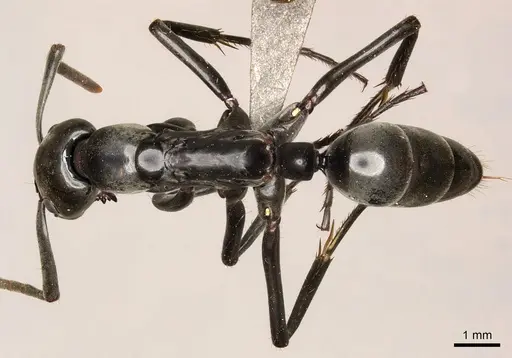
CASENT0249195
View on AntWeb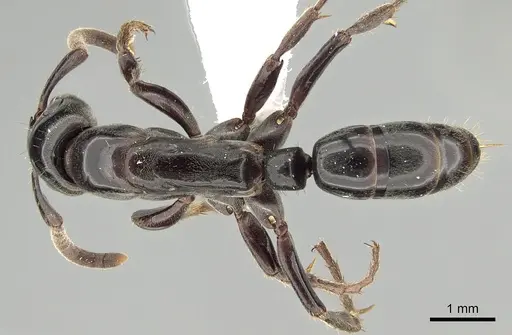
CASENT0249196
View on AntWeb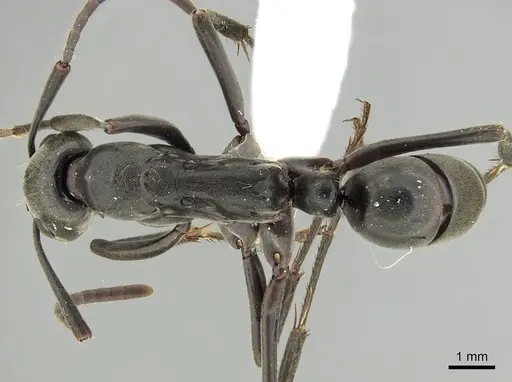
CASENT0249197
View on AntWeb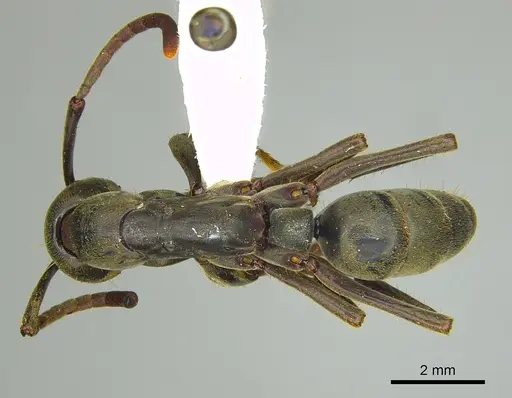
CASENT0317052
View on AntWeb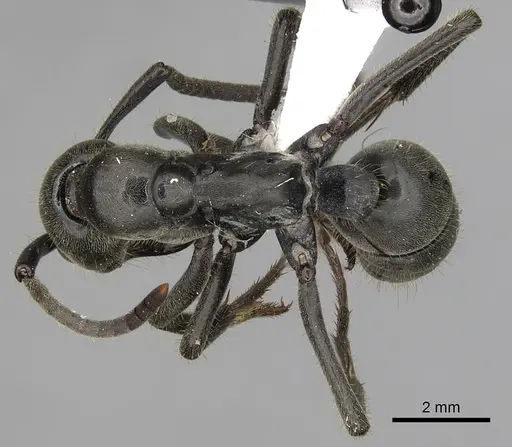
CASENT0352477
View on AntWeb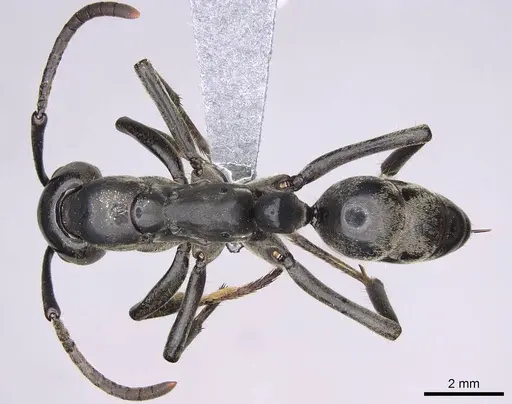
CASENT0375012
View on AntWeb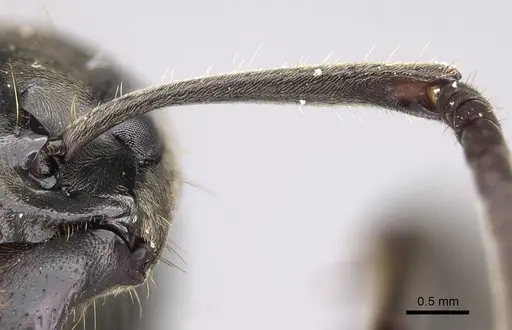
CASENT0415262
View on AntWeb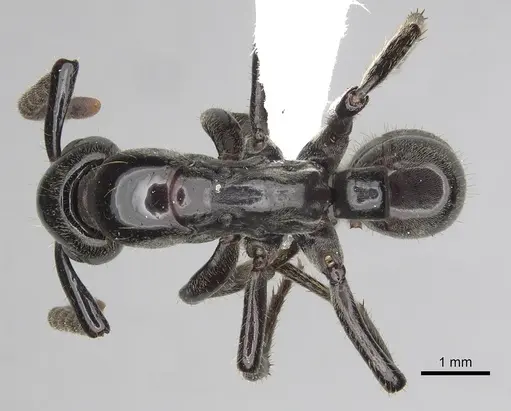
CASENT0781129
View on AntWeb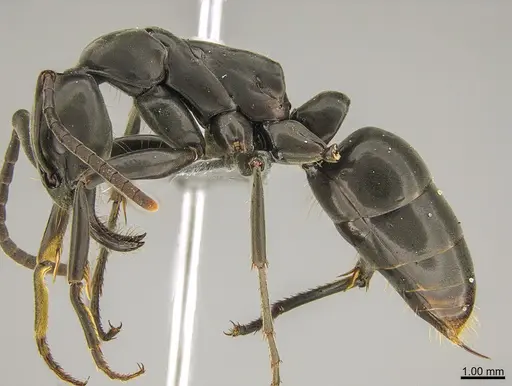
CASENT0814584
View on AntWeb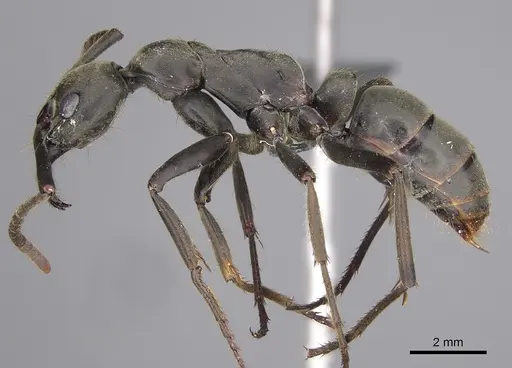
CASENT0900318
View on AntWeb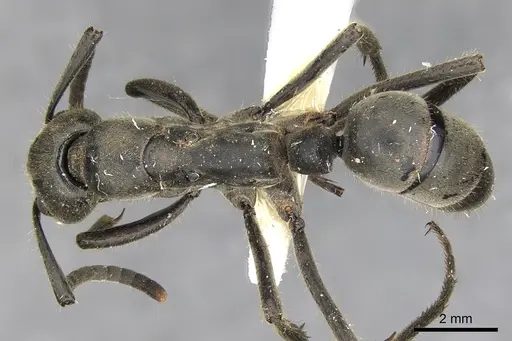
CASENT0916822
View on AntWeb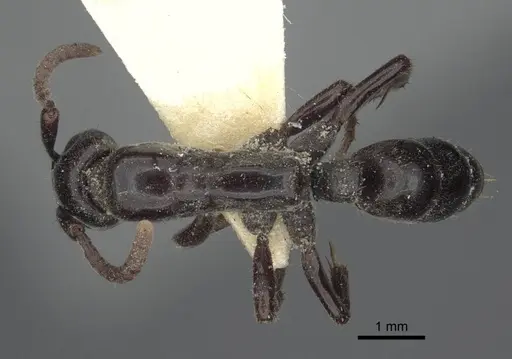
FOCOL0681
View on AntWeb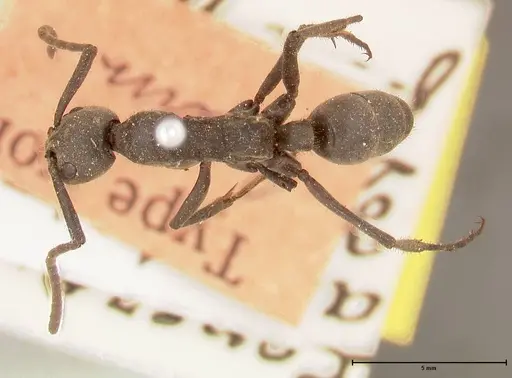
FOCOL0947
View on AntWeb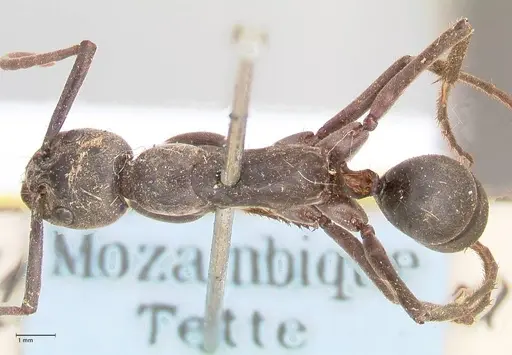
FOCOL0948
View on AntWeb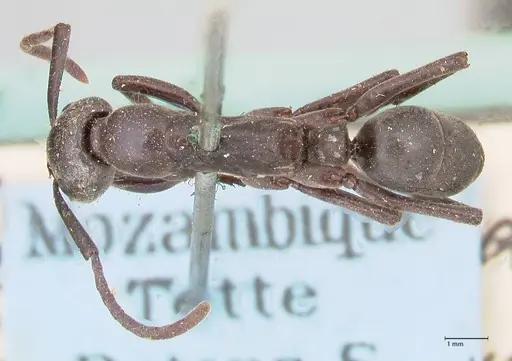
FOCOL0949
View on AntWeb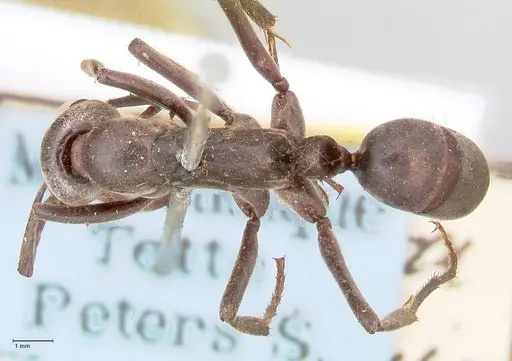
FOCOL0950
View on AntWeb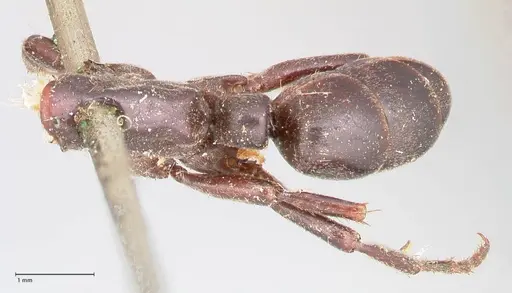
RMCAENT000017725
View on AntWeb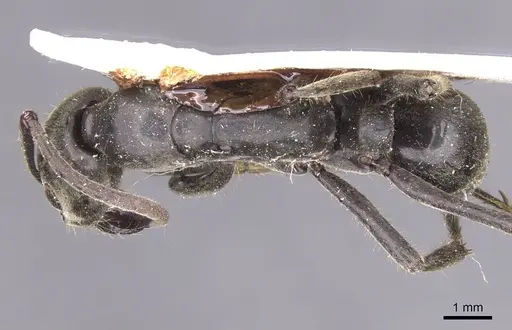
SAM-HYM-C000749A
View on AntWeb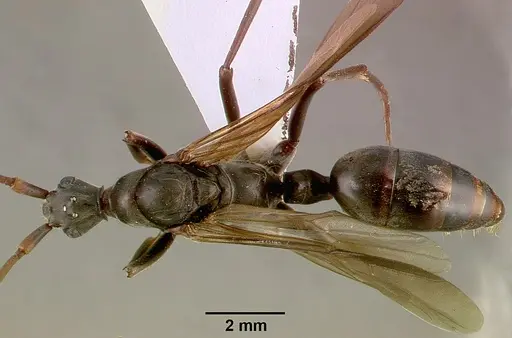
SAM-HYM-C000749B
View on AntWeb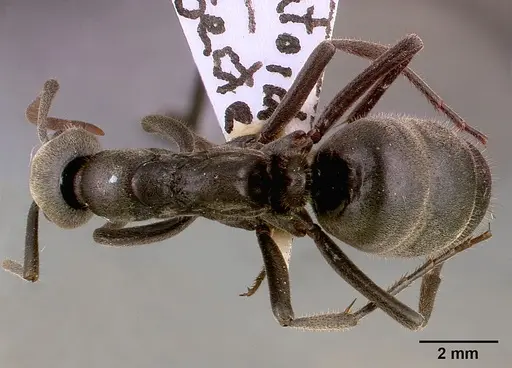
SAM-HYM-C008323A
View on AntWeb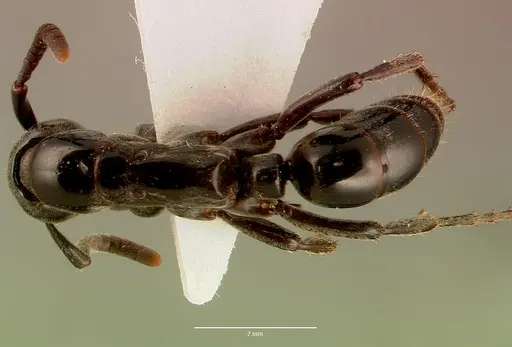
SAM-HYM-C008323B
View on AntWeb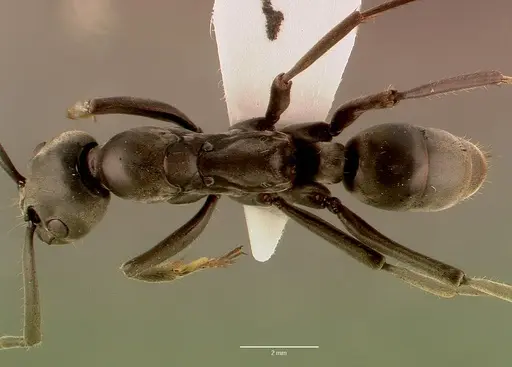
Literature
Loading...Loading products...