

Megalomyrmex weyrauchi
- Scientific Name
- Megalomyrmex weyrauchi
- Tribe
- Solenopsidini
- Subfamily
- Myrmicinae
- Author
- Kempf, 1970
- Distribution
- Found in 2 countries
Megalomyrmex weyrauchi Overview
Megalomyrmex weyrauchi is an ant species of the genus Megalomyrmex. It is primarily documented in 2 countries , including Brazil, Peru. Detailed taxonomic data and occurrence records can be further explored via authoritative databases such as AntWeb or the Global Biodiversity Information Facility (GBIF).
Megalomyrmex weyrauchi
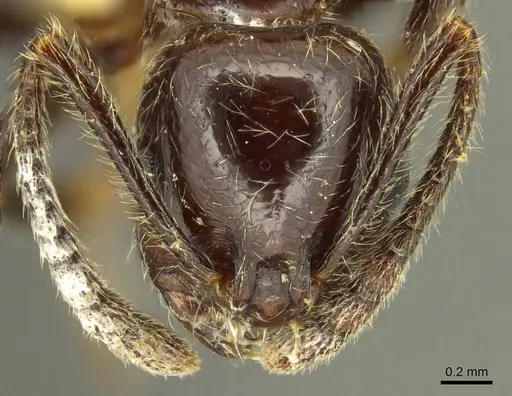
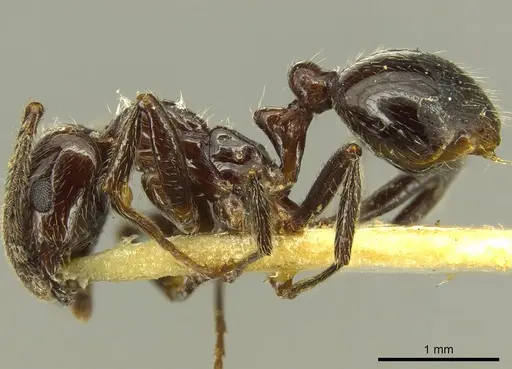
Megalomyrmex weyrauchi is a small, dark ant species belonging to the tribe Solenopsidini in the subfamily Myrmicinae. Workers are brown to almost black with a matte (opaque) appearance. They have smooth mandibles with 5-6 teeth, a three-segmented antennal club, and a distinctive petiole shape with a ventral denticle. This species was originally described from Peru and was long considered endemic there, but has since been recorded in Brazil's Acre region as well. The type locality is Llama, Cajamarca, Peru at an elevation of 2350 meters. This is one of the more obscure Megalomyrmex species, known only from the original type series collected in the 1970s, with virtually no biological data published. The genus Megalomyrmex contains around 40 described species native to the Neotropics, where they typically inhabit forest environments.
Quick Summary
- Difficulty: Unknown
- Origin & Habitat: Northern Peru (Cajamarca region) at 2350m elevation, with additional records from Brazil (Acre). The highland location suggests a preference for cooler, montane forest environments [1][2][3].
- Colony Type: Unconfirmed. Colony structure has not been documented for this species. Based on typical Megalomyrmex patterns, they likely form small colonies with single queens, but this is unconfirmed.
- Size & Growth:
- Queen: Unknown, queen description not available [4]
- Worker: Approximately 3-4mm based on genus typical size range [4]
- Colony: Unknown, no colony size data exists [4]
- Growth: Unknown
- Development: Unconfirmed (No development data exists for this species. Related Megalomyrmex species in the genus typically develop in 6-10 weeks at tropical temperatures, but this is a rough estimate.)
- Antkeeping:
- Temperature: Unknown for this species. Based on the highland Peruvian origin (2350m elevation), they likely prefer cooler conditions than typical lowland tropical ants. Consider starting around 20-24°C and observing colony activity.
- Humidity: Unknown. Most Megalomyrmex species inhabit forest floor environments with moderate humidity. Start with standard antkeeping humidity levels (50-70%) and adjust based on colony behavior.
- Diapause: Unknown. The highland origin suggests they may experience cooler seasonal conditions, but whether they require a dormancy period is unconfirmed.
- Nesting: Unknown. Based on related species, they likely nest in rotting wood, under stones, or in leaf litter in forest habitats. In captivity, a Y-tong or plaster nest with moderate moisture would be a reasonable starting point.
- Behavior: Behavior is undocumented for this species. The genus Megalomyrmex is generally known for being relatively docile and non-aggressive compared to some other Myrmicinae. They are small ants and may have moderate escape risk. Without biological data, specific temperament cannot be confirmed.
- Common Issues: No biological data exists, this is one of the least studied ant species in the hobby, Difficulty finding colonies for sale since the species is rarely collected, Unknown requirements mean keepers must experiment with care conditions, Highland origin may require different temperature/humidity than typical tropical ants
Species Discovery and Taxonomy
Megalomyrmex weyrauchi was first described by Wolfgang Kempf in 1970 based on worker specimens collected in Llama, Cajamarca, Peru at 2350 meters elevation. The type series consists of a holotype worker and 27 paratype workers collected by W. Weyrauch (the species is named after this collector). The species remained known only from Peru for decades, but a 2015 checklist noted its presence in Brazil's Acre state, expanding the known range. The petiolar shape (in side or front views) clearly separates this species from other Megalomyrmex in the Modestus group. The original description noted the mandibles are smooth with 5-6 teeth, the clypeus has a median denticle, and the body is brown to almost black and opaque with hairs approximately 0.1mm distributed across the entire body surface. [1][3][4]
Distribution and Habitat
This species is known from two main regions: the type locality in northern Peru (Llama, Cajamarca at 2350m elevation) and more recently recorded from Brazil's Acre state in the Amazon basin. The significant elevation difference between these locations (2350m vs. lowland Amazon) is notable, this may indicate the species can adapt to varied altitudes, or there may be distribution gaps in the records. The Peruvian locality in the Cajamarca region is in the Andean foothills, suggesting a montane forest habitat. No specific habitat information (nesting sites, foraging behavior, or association with other species) has been documented in the scientific literature. [2][1][3]
Keeping an Undescribed Species
Megalomyrmex weyrauchi represents a significant challenge for antkeepers because virtually nothing is known about its biology in the wild or in captivity. This is not a species you can purchase from commercial suppliers, it is known only from museum specimens collected decades ago. If a colony were to become available (through scientific collection or accidental introduction), keepers would need to approach care experimentally. Start with conditions typical for the genus: moderate temperature (around 22-26°C), moderate humidity, and small prey items. The highland Peruvian origin suggests they may prefer cooler conditions than typical tropical ants. Observe colony behavior closely and adjust accordingly. This species would be recommended only for experienced antkeepers comfortable with experimental husbandry, as standard care guides cannot be provided.
The Genus Megalomyrmex
Megalomyrmex is a Neotropical genus containing approximately 40 described species distributed from Costa Rica south to Argentina. They belong to the tribe Solenopsidini (same tribe as fire ants Solenopsis). Most Megalomyrmex species are small, cryptic ants that inhabit forest floor environments, often nesting in rotting wood, under stones, or in leaf litter. The genus is not particularly well-studied, and many species have limited biological data. Some Megalomyrmex species are known to be predatory on small invertebrates, and some have been documented living in association with other ant species. However, specific behaviors for M. weyrauchi remain completely unknown. [4]
Frequently Asked Questions
Is Megalomyrmex weyrauchi available for purchase?
No. This species is extremely rare in the antkeeping hobby and is essentially unavailable. It is known only from a small number of museum specimens collected in Peru decades ago. No commercial ant farms or suppliers currently list this species.
What do Megalomyrmex weyrauchi ants eat?
Unconfirmed. No feeding observations have been documented for this species. Based on genus patterns, they likely accept small live prey (fruit flies, pinhead crickets) and may also feed on sugar sources. Do not rely on specific feeding recommendations.
How long do Megalomyrmex weyrauchi workers live?
Unknown. No lifespan data exists for this species or close relatives.
What temperature should I keep Megalomyrmex weyrauchi at?
Unconfirmed. The highland Peruvian origin (2350m) suggests they may prefer cooler conditions than typical tropical ants. Start in the range of 20-24°C and monitor colony activity. If workers are sluggish, slightly warmer, if they avoid heated areas, reduce temperature.
Do Megalomyrmex weyrauchi need hibernation?
Unknown. The highland origin may indicate some cold tolerance, but whether they require a winter dormancy period is completely unconfirmed.
How big do Megalomyrmex weyrauchi colonies get?
Unknown. No colony size data exists for this species. Based on typical Megalomyrmex size, colonies likely reach a few hundred workers at most, but this is a rough estimate.
Is Megalomyrmex weyrauchi a good species for beginners?
No. This species is not recommended for beginners due to the complete lack of biological data. There are no established care guidelines, and keepers would be working entirely from guesswork. Additionally, the species is essentially unavailable in the antkeeping trade.
Can I keep multiple Megalomyrmex weyrauchi queens together?
Unknown. Colony structure has not been documented for this species. Combining unrelated queens is not recommended without biological data to confirm they can form multi-queen colonies.
What type of nest should I use for Megalomyrmex weyrauchi?
Unconfirmed. Based on related species, a Y-tong or plaster nest with moderate moisture would be a reasonable starting point. The small worker size suggests narrow chambers may be appropriate.
References

This caresheet is licensed under CC BY-SA 4.0 .
CASENT0916038
View on AntWeb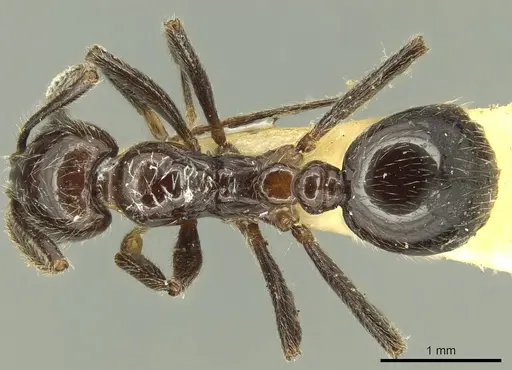
Literature
Loading...Loading products...