

Megalomyrmex peetersi
- Scientific Name
- Megalomyrmex peetersi
- Tribe
- Solenopsidini
- Subfamily
- Myrmicinae
- Author
- do Prado & Adams, 2020
- Distribution
- Found in 2 countries
Megalomyrmex peetersi Overview
Megalomyrmex peetersi is an ant species of the genus Megalomyrmex. It is primarily documented in 2 countries , including Colombia, Costa Rica. Detailed taxonomic data and occurrence records can be further explored via authoritative databases such as AntWeb or the Global Biodiversity Information Facility (GBIF).
Megalomyrmex peetersi
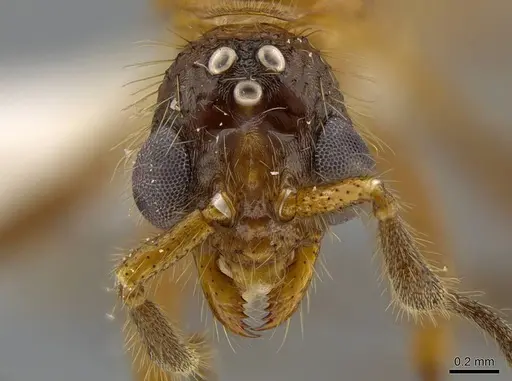
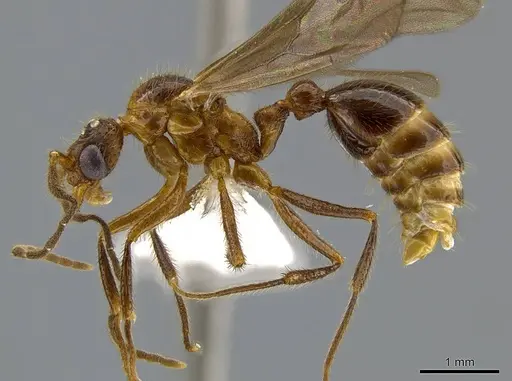
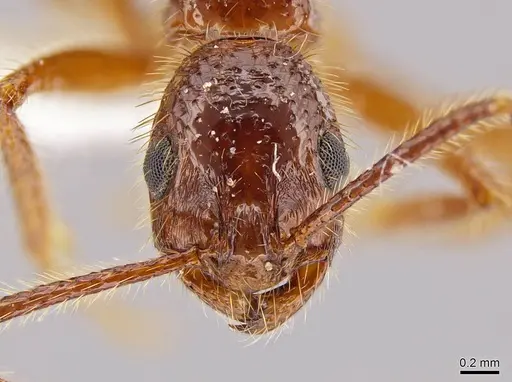
Megalomyrmex peetersi is a medium-sized Neotropical ant (workers 1.78-2.05mm mesosoma length) native to lowland tropical rainforests in Costa Rica, Panama, and Colombia [1]. Workers range in color from orange-brown to dark brown with yellowish filiform pilosity covering their body. The most distinctive feature of this species is its ergatoid queen, a wingless reproductive that remains in the colony rather than dispersing to found new colonies [1]. This ant has gained attention for its potent venom containing the alkaloid trans-2-butyl-5-heptylpyrrolidine, which it uses both defensively and offensively to subdue prey and deter competing ants at food sources [1].
Quick Summary
- Difficulty: Medium
- Origin & Habitat: Lowland tropical rainforests of Costa Rica, Panama, and Colombia at elevations 50-365m [1]. Colonies nest close to the ground in vegetation or leaflitter, most frequently occupying old fallen palm stems with hollowed cavities roughly 5-10cm in length [1].
- Colony Type: Ergatoid queen system, only wingless ergatoid queens perform reproductive function in the colony. This means new queens are produced as wingless individuals that remain in the nest rather than dispersing on nuptial flights [1].
- Colony: Monogyne
- Size & Growth:
- Queen: Ergatoid queen approximately 1.94mm mesosoma length (WL) [1]
- Worker: Workers 1.78-2.05mm mesosoma length (WL) [1]
- Colony: Unknown maximum, colonies are small to moderate based on nesting cavity sizes of 5-10cm [1]
- Growth: Moderate, inferred from captive feeding observations [1]
- Development: Unknown, no direct development data available. Estimate 6-8 weeks based on typical Myrmicinae development in tropical conditions. (Development timeline not directly studied. Related Megalomyrmex species suggest moderate growth rates.)
- Antkeeping:
- Temperature: Keep at 24-28°C, they are a lowland tropical species requiring warm, stable temperatures [1]. A heating cable on one side of the nest can create a gentle gradient.
- Humidity: High humidity (70-85%), their natural habitat is tropical rainforest understory with frequent moisture. Keep nest substrate consistently moist but not waterlogged.
- Diapause: No, being a tropical species, they do not require hibernation. Maintain warm conditions year-round.
- Nesting: Best kept in naturalistic setups mimicking their natural palm stem cavities. Y-tong nests with narrow chambers or plaster nests work well. They prefer tight-fitting chambers and will add debris to cover openings [1]. Provide leaflitter and small plant material in the outworld.
- Behavior: Workers are predatory and will actively hunt small insects. They exhibit remarkable venom-dispensing behaviors including gaster flagging and bucking when threatened or competing for food [1]. At baits, a few workers can disperse hundreds of competing ants by releasing alkaloid venom. Colonies are highly mobile and will relocate with the slightest disturbance [1]. They are not aggressive toward keepers but will readily use venom defensively. Escape risk is moderate, use standard mesh barriers.
- Common Issues: colonies are highly mobile and may abandon nests if disturbed too frequently, their predatory nature requires constant supply of live small prey, fruit flies, pinhead crickets, or similar, venom may be irritating to other insects but poses minimal risk to humans, new species to the hobby means limited keeper experience and care benchmarks, ergatoid queens cannot found colonies independently, colony propagation requires division
Housing and Nest Setup
Megalomyrmex peetersi nests naturally in small cavities within fallen palm stems and between leaves at ground level. In captivity, they do well in Y-tong (AAC) nests with tight-fitting chambers scaled to their medium size, or plaster nests that hold humidity well. naturalistic setups with small cork bark pieces or artificial palm stem sections also work well. The key is providing tight, enclosed spaces, these ants will actively manipulate their environment, adding debris to cover openings [1]. Keep the nest humid but ensure some ventilation to prevent mold. A water reservoir connected to the nest helps maintain moisture. Outworld should include leaflitter, small plant pieces, and hiding spots to mimic their natural understory habitat.
Feeding and Diet
This is a predatory ant species. In captivity, they readily accept live flightless fruit flies (Drosophila hydei and D. melanogaster) as a primary food source [1]. They will also take other small live prey including pinhead crickets, small mealworms, and similar micro-arthropods. Their venom is effective against termites [1], so offering small termite workers or nymphs is appropriate if available. Sugar sources may be accepted but are not a primary dietary component, their natural diet focuses on protein from prey. Feed small prey items 2-3 times per week, adjusting based on colony size and consumption. Remove uneaten prey to prevent mold.
Temperature and Seasonal Care
As a lowland tropical species from Costa Rica and Panama, Megalomyrmex peetersi requires warm, stable temperatures in the 24-28°C range. Room temperature may be sufficient if your home stays in this range, otherwise use a heating cable on one part of the nest to create a gentle thermal gradient. They do not require hibernation or cooling periods, maintain tropical conditions year-round. High ambient humidity (70-85%) is important. Use a water tube or reservoir connected to the nest to maintain moisture without over-wetting. Monitor for drying, especially with plaster nests. [1]
Behavior and Defense
Workers exhibit fascinating venom-dispensing behaviors including gaster flagging and bucking, where they arch their gaster forward to apply venom to threats or competitors [1]. This venom contains the alkaloid trans-2-butyl-5-heptylpyrrolidine, which is effective against both bacteria and insects. In the wild, just a few workers can monopolize food baits by dispersing hundreds of competing ants like Pheidole through alkaloid release [1]. Colonies are highly mobile and will relocate quickly when disturbed [1]. They are not particularly aggressive toward humans but will defend if threatened. Handle gently and avoid disturbing the nest frequently.
Colony Structure and Reproduction
This species has an ergatoid queen system, meaning the reproductive queen is wingless and morphologically similar to workers, only larger with developed ovaries [1]. Unlike most ants that have flying queens for colony founding, ergatoid queens remain in the nest and new colonies form through nest division rather than independent queen founding. This has important implications for antkeepers: you cannot start a colony from a single queen as with claustral species. Instead, colony propagation requires dividing an existing colony or obtaining an established fragment. Only ergatoid queens perform reproductive functions [1].
Frequently Asked Questions
How long does it take for Megalomyrmex peetersi to produce first workers?
The exact egg-to-worker timeline is unconfirmed for this species. Based on typical Myrmicinae development in tropical conditions, expect approximately 6-8 weeks from egg to adult worker at optimal temperatures (24-28°C). This is an estimate as no direct development studies exist for M. peetersi.
Can I keep Megalomyrmex peetersi in a test tube setup?
Test tubes can work for founding colonies but are not ideal long-term. These ants naturally nest in small cavities within palm stems and prefer tight-fitting chambers. A Y-tong or plaster nest with humid conditions is more appropriate for established colonies. If using test tubes, ensure the water chamber is properly sized and provide a dark, quiet location.
What do Megalomyrmex peetersi eat?
They are predatory ants. Primary food should be live small insects, flightless fruit flies are readily accepted [1]. Other suitable prey includes small mealworms, pinhead crickets, and micro-arthropods. Sugar water may be occasionally accepted but protein from prey is the main dietary component.
Are Megalomyrmex peetersi good for beginners?
This species is rated as medium difficulty and is not ideal for complete beginners. Being a newly described species (2020), there is limited keeper experience. Their predatory diet requires constant live prey, and their ergatoid queen system means colony propagation differs from typical ants. Experienced antkeepers interested in unusual species will find this a rewarding challenge.
How big do Megalomyrmex peetersi colonies get?
Maximum colony size is not well documented. Based on their natural nesting cavity sizes of 5-10cm in palm stems [1], colonies are likely small to moderate, probably under 500 workers. They are not known for supercolony formation.
Do Megalomyrmex peetersi need hibernation?
No. Being a lowland tropical species from Costa Rica and Panama, they do not require hibernation. Keep them warm year-round at 24-28°C with high humidity. Cooling below 20°C for extended periods could be harmful.
Why do my Megalomyrmex peetersi keep escaping or abandoning the nest?
This species is noted to be highly mobile and will relocate with the slightest disturbance [1]. Frequent nest inspections, vibrations, or improper humidity can trigger colony abandonment. Minimize disturbances, provide a stable, humid environment, and ensure the nest setup matches their preferences for tight, enclosed spaces.
Can I keep multiple ergatoid queens together?
The colony structure appears to be monogyne with a single reproductive ergatoid queen. Combining unrelated queens has not been documented and is not recommended. Unlike flying queens, ergatoid queens do not disperse to found new colonies independently, propagation is typically through colony division.
What makes Megalomyrmex peetersi special compared to other ants?
This species has two notable features. First, its ergatoid queen system is unusual, wingless queens that remain in the nest rather than dispersing. Second, its venom contains the alkaloid trans-2-butyl-5-heptylpyrrolidine, which has antibiotic properties and is used offensively to dominate food sources and subdue prey [1]. The venom can disperse hundreds of competing ants with just a few workers.
References

This caresheet is licensed under CC BY-SA 4.0 .
CASENT0630041
View on AntWeb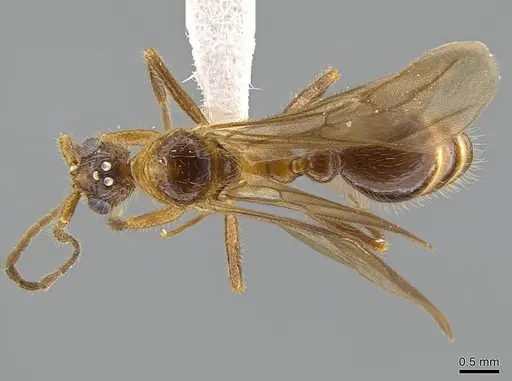
CASENT0630962
View on AntWeb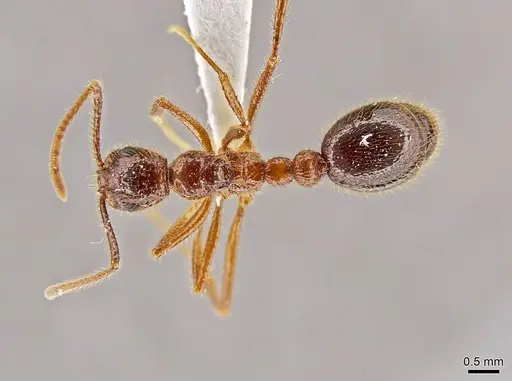
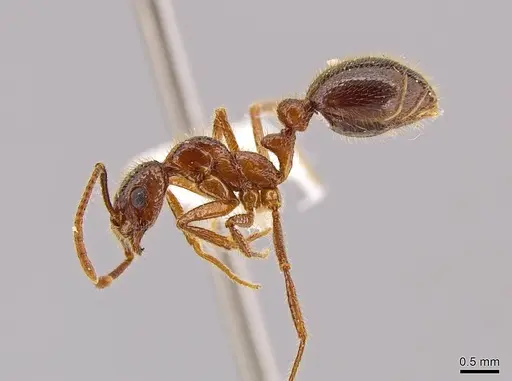
CASENT0630979
View on AntWeb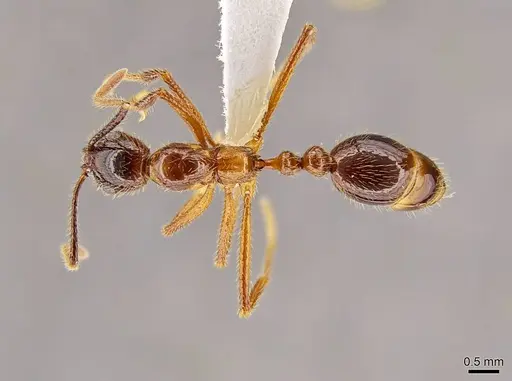
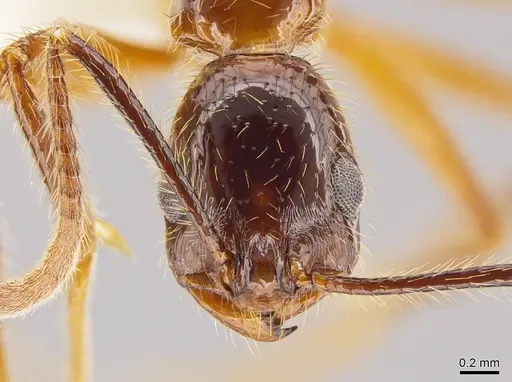
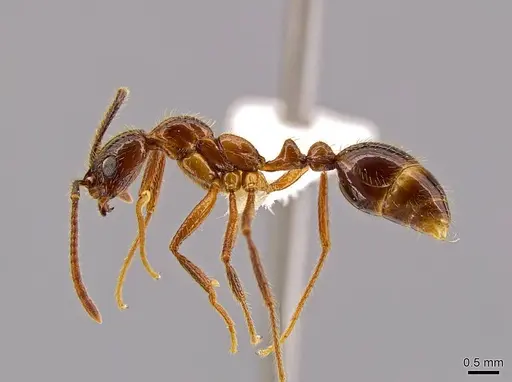
INBIOCRI001242855
View on AntWeb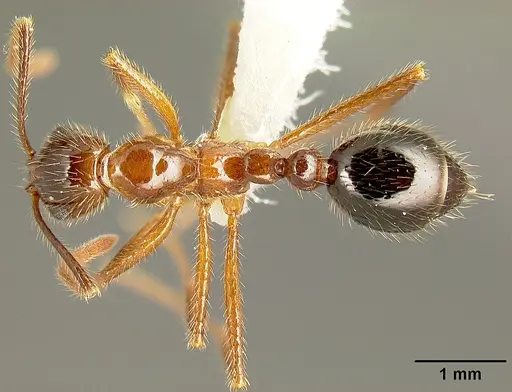
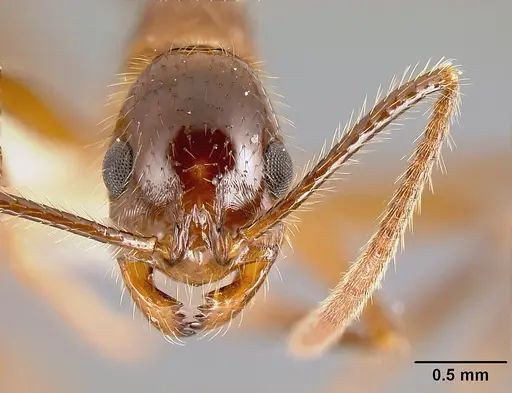
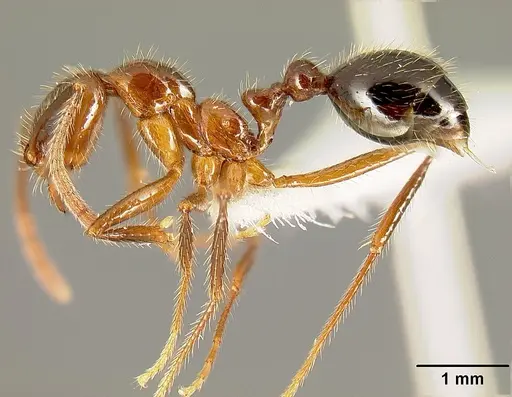
Literature
Loading...Loading products...