

Megalomyrmex osadrifti
- Scientific Name
- Megalomyrmex osadrifti
- Tribe
- Solenopsidini
- Subfamily
- Myrmicinae
- Author
- Boudinot <i>et al.</i>, 2013
- Distribution
- Found in 2 countries
Megalomyrmex osadrifti Overview
Megalomyrmex osadrifti is an ant species of the genus Megalomyrmex. It is primarily documented in 2 countries , including Costa Rica, Panama. Detailed taxonomic data and occurrence records can be further explored via authoritative databases such as AntWeb or the Global Biodiversity Information Facility (GBIF).
Megalomyrmex osadrifti
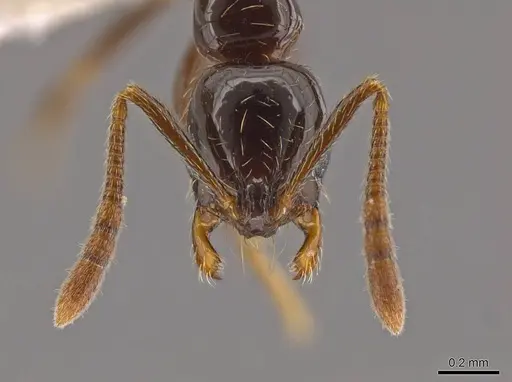
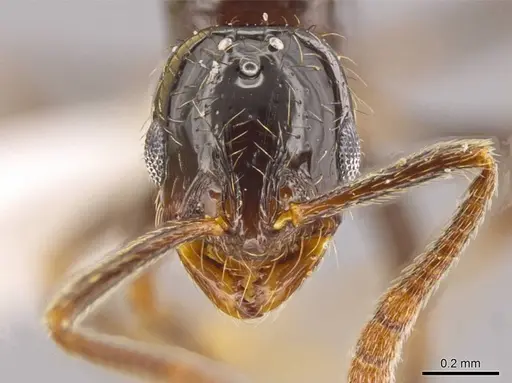
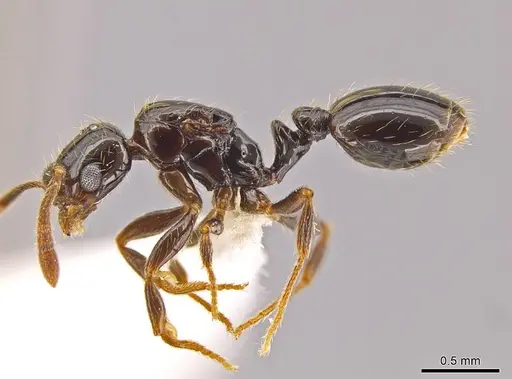
Megalomyrmex osadrifti is a tiny rainforest ant species from the Osa Peninsula in Costa Rica. Workers measure just 0.48-0.52mm in head width, making them among the smaller Megalomyrmex species. They have a distinctive appearance with a dark reddish-black body contrasting against yellow-brown mandibles, antennae, and legs. The species was only described in 2013 and is known from lowland tropical rainforest leaf litter at elevations from sea level to 300 meters [1][2].
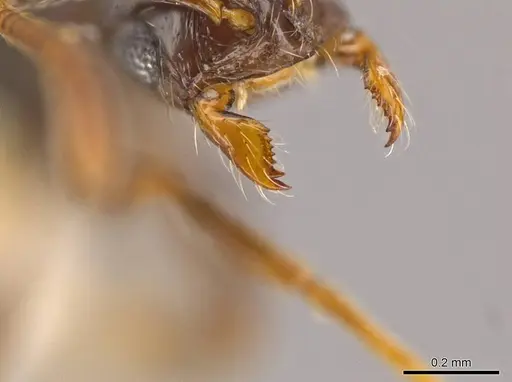
This species belongs to the Megalomyrmex pusillus species group and is closely related to M. drifti, from which it can be distinguished by its distinct basal and masticatory mandibular margins and more rounded propodeum. Almost nothing is known about their biology in the wild, they have only been collected through sifting leaf litter in primary rainforest, which suggests they nest in the forest floor layer like many other tiny rainforest ants [1].
Quick Summary
- Difficulty: Unknown, likely Expert
- Origin & Habitat: Osa Peninsula, Costa Rica (Puntarenas Province). Found in tropical rainforest leaf litter at 130m elevation, ranging from sea level to 300m [1][2].
- Colony Type: Unknown, colony structure has not been documented. Based on genus patterns, likely single-queen colonies, but this is unconfirmed.
- Size & Growth:
- Queen: 0.58-0.59mm head width,0.95-0.99mm mesosoma length [1]
- Worker: 0.48-0.52mm head width,0.73-0.80mm mesosoma length [1]
- Colony: Unknown, no colony size data available
- Growth: Unknown
- Development: Unknown, no development data exists for this species (Development timeline is unconfirmed. Based on typical Myrmicinae patterns from similar tiny rainforest ants, expect 4-8 weeks at optimal temperature, but this is purely estimated.)
- Antkeeping:
- Temperature: Unconfirmed, infer lowland tropical requirements around 22-26°C based on habitat. Start in the mid-20s and observe colony activity. Avoid temperatures below 20°C or above 30°C.
- Humidity: High humidity required, rainforest species. Keep nest substrate consistently moist but not waterlogged. Provide a gradient with slightly drier areas available.
- Diapause: Unlikely, being a lowland tropical species, they probably do not require a diapause period. Maintain consistent temperatures year-round.
- Nesting: Natural nesting is in leaf litter and rotting wood on the rainforest floor. In captivity, a Y-tong (AAC) nest or plaster nest with small chambers works well. Keep nest material moist and provide a water reservoir. Their tiny size means they need appropriately scaled chambers.
- Behavior: Behavior is unstudied. Based on genus patterns, they are likely predatory or omnivorous, foraging in leaf litter for small arthropods. Their small size and nocturnal activity patterns common to rainforest litter ants should be assumed. Escape prevention is critical due to their tiny size, use fine mesh and tight-fitting barriers. They likely have a functional sting but are too small to affect humans.
- Common Issues: no biological data exists, keepers must experiment with care conditions, tiny size makes escape prevention challenging, use fine mesh barriers, no confirmed diet, likely accepts small live prey but acceptance is unverified, slow growth expected, do not overfeed or flood test tubes, high humidity requirements can lead to mold if ventilation is poor
Discovery and Taxonomy
Megalomyrmex osadrifti was formally described in 2013 by Boudinot, Sumnicht, and Adams in a revision of Central American Megalomyrmex species. The type locality is on the Osa Peninsula in Puntarenas Province, Costa Rica, specifically 13km SSW of Puerto Jimenez at 130m elevation. The species name honors its similarity to Megalomyrmex drifti while referencing the Osa Peninsula where it was found. Only six specimens (four workers and one queen) were collected for the original description, all from sifted leaf litter in tropical rainforest [1][2].
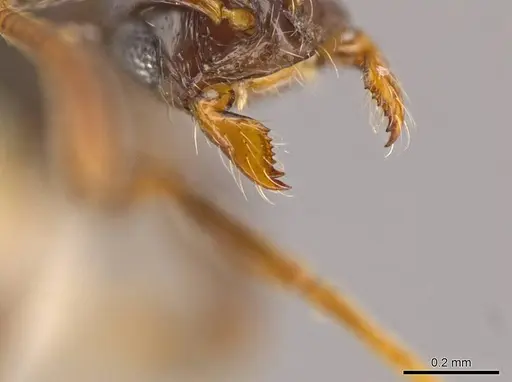
The species is morphologically unique among Central American Megalomyrmex in having a smooth and shining katepisternum, small fine mandibular teeth (excluding the two largest apical teeth), and a propodeum where the dorsal and posterior faces meet at a broad curve rather than an angle. The queens are similar to workers but with stronger sculpturing and a more pronounced propodeal angle [1].
Natural History
Almost nothing is known about the biology of Megalomyrmex osadrifti. The entire scientific knowledge base consists of the specimens collected for the species description, four workers and one queen collected in March 2008 through leaf litter sifting in a tropical rainforest. They were collected as part of a Winkler transect sample, a standard method for extracting tiny arthropods from forest floor leaf litter [1].
This collection method tells us they are litter-dwelling ants that nest in or under decomposing leaf material on the rainforest floor. Their tiny size (workers under 0.5mm head width) places them among the smallest ants in the genus. The Osa Peninsula is one of the most biodiverse regions in Costa Rica, with high rainfall and year-round warm temperatures. Based on this habitat, they likely experience minimal seasonal temperature variation and require consistently high humidity [1][3].
Housing and Nesting
Since nothing is known about their nesting behavior, we must infer from their natural habitat and related species. They were collected from leaf litter in lowland tropical rainforest, indicating they prefer humid, dark microhabitats with abundant organic matter. A Y-tong (acrylic) nest or plaster nest with small, appropriately scaled chambers works best for these tiny ants.
Keep the nest material consistently moist but not waterlogged. The nest should have a water reservoir or moisture gradient so workers can self-regulate their humidity preferences. Because they are so small, chambers and tunnels should be appropriately sized, avoid large, open spaces. Place the nest in a dark area or provide a cover to reduce light stress. A small outworld for foraging allows you to observe their behavior and offer food [3].
Feeding and Diet
The diet of Megalomyrmex osadrifti is completely unstudied. As a member of the Solenopsidini tribe, they may be predatory on small soil arthropods, or they may be generalist omnivores like many Myrmicinae. The related genus Solenopsis includes both predatory fire ants and omnivorous species.
For captive care, start by offering small live prey appropriate to their size, pinhead crickets, fruit flies, and small mealworms are too large. Consider live springtails, microworms, or small fruit fly culture fragments. Sugar water or honey may be accepted but is not guaranteed. Begin with small live prey and observe acceptance. Remove uneaten food after 24-48 hours to prevent mold. Given their tiny size, even small prey items represent significant meals, do not overfeed [3].
Temperature and Humidity
As a lowland tropical species from Costa Rica, Megalomyrmex osadrifti likely requires warm, humid conditions year-round. The Osa Peninsula experiences temperatures in the 24-28°C range with high rainfall. Aim for temperatures in the low-to-mid 20s Celsius (around 22-26°C) and avoid drops below 20°C.
High humidity is essential, rainforest leaf litter ants are adapted to consistently moist conditions. Keep the nest substrate damp but not sitting in water. Some dry area variation within the nest allows workers to self-regulate. Avoid both desiccation (dry conditions) and stagnant air that promotes mold. Good ventilation while maintaining humidity is key. Room temperature in most homes may be suitable if kept in the 22-26°C range [1][3].
Behavior and Temperament
Specific behavioral observations do not exist for this species. However, being a tiny leaf-litter ant in a genus known for sometimes aggressive defensive behavior (Megalomyrmex are known for their potent stings in some species), assume they may be defensive if provoked. Their tiny size means any sting would not penetrate human skin.
They are likely nocturnal or crepuscular foragers, hunting or scavenging in the dark leaf litter layer. Expect shy, reclusive behavior with workers remaining hidden much of the time. Escape prevention is critical, their tiny size allows them to squeeze through gaps invisible to the human eye. Use fine mesh (at least 0.5mm or smaller), tight-fitting lids, and barrier methods like fluon on tube connections [3].
Frequently Asked Questions
How long does it take for Megalomyrmex osadrifti to produce first workers?
The egg-to-worker timeline is completely unknown for this species as it has never been studied. Based on typical Myrmicinae development patterns for tiny rainforest ants, expect approximately 4-8 weeks at optimal temperature (around 24-26°C), but this is purely an estimate with no direct evidence.
What do Megalomyrmex osadrifti ants eat?
Diet is unconfirmed. Based on genus patterns, they likely accept small live prey (springtails, microworms) and may also consume sugar sources. Start with small live prey appropriate to their tiny size and observe acceptance. Remove uneaten food within 24-48 hours.
Can I keep Megalomyrmex osadrifti in a test tube?
Test tubes can work for founding colonies, but due to their tiny size, ensure the cotton is packed tightly and consider using additional barrier methods. A small Y-tong or plaster nest with appropriate chamber sizes is preferable for established colonies. The key is maintaining high humidity without flooding.
Are Megalomyrmex osadrifti good for beginners?
No. This species is not recommended for beginners. It was only described in 2013 and almost no biological data exists, keepers must essentially experiment with all aspects of care. There is no established husbandry knowledge base. This is a species for experienced antkeepers interested in pioneering care for poorly studied species.
What temperature do Megalomyrmex osadrifti need?
Temperature requirements are unconfirmed. Based on their lowland tropical rainforest habitat in Costa Rica, aim for 22-26°C. Avoid temperatures below 20°C or above 30°C. Consistent warmth year-round is likely needed as they probably do not experience seasonal temperature drops in their natural range.
How big do Megalomyrmex osadrifti colonies get?
Colony size is unknown, no colony size data exists for this species. Being a tiny leaf-litter ant, colonies are likely small, possibly under 100 workers at maturity, but this is purely speculative.
Do Megalomyrmex osadrifti need hibernation?
Unlikely. As a lowland tropical species from Costa Rica, they probably do not require a diapause or hibernation period. Maintain consistent warm temperatures and humidity year-round.
Why are my Megalomyrmex osadrifti dying?
Without any established care knowledge, trial and error is expected. Common issues likely include: desiccation from too-dry conditions, mold from poor ventilation, escape through tiny gaps, temperature stress from being too cold or too hot, and possibly unsuitable food. Document your conditions and adjust gradually.
References

This caresheet is licensed under CC BY-SA 4.0 .
CASENT0630909
View on AntWeb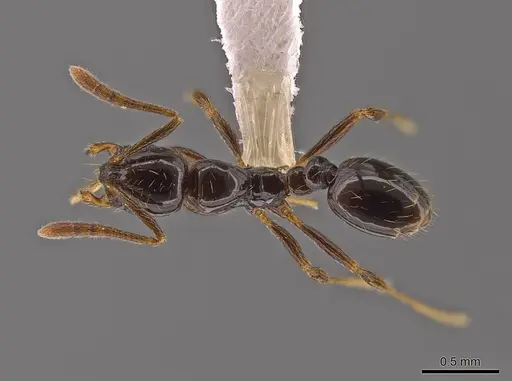
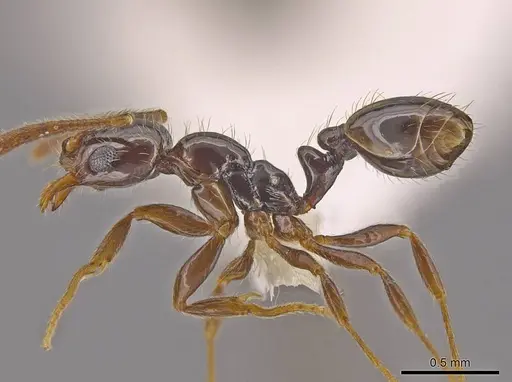
CASENT0630911
View on AntWeb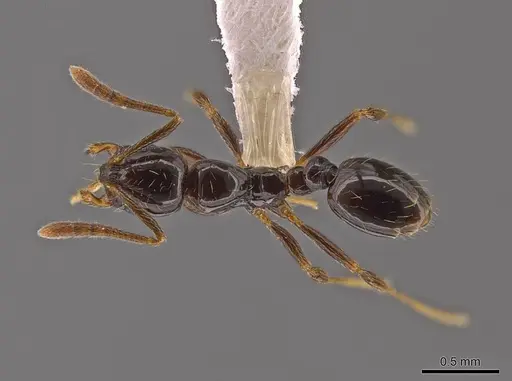
Literature
Loading...Loading products...