

Megalomyrmex myops
- Scientific Name
- Megalomyrmex myops
- Tribe
- Solenopsidini
- Subfamily
- Myrmicinae
- Author
- Santschi, 1925
- Distribution
- Found in 1 countries
Megalomyrmex myops Overview
Megalomyrmex myops is an ant species of the genus Megalomyrmex. It is primarily documented in 1 countries , including Brazil. Detailed taxonomic data and occurrence records can be further explored via authoritative databases such as AntWeb or the Global Biodiversity Information Facility (GBIF).
Megalomyrmex myops
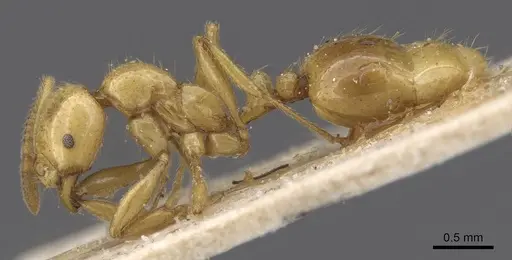
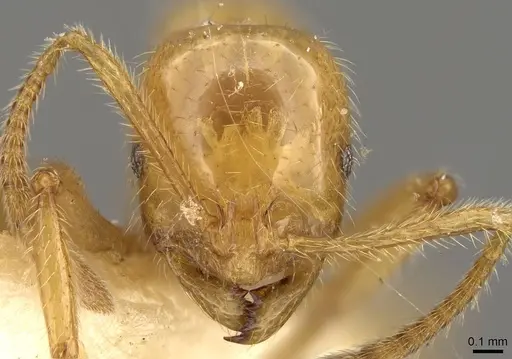
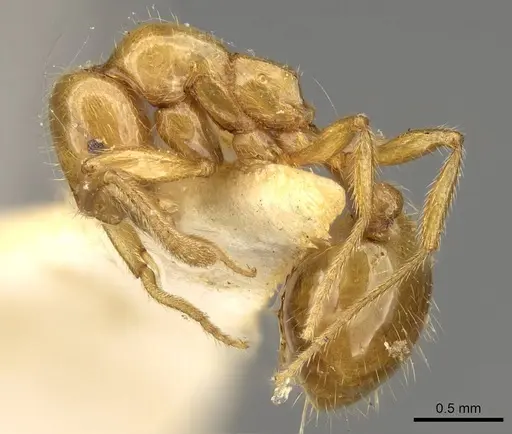
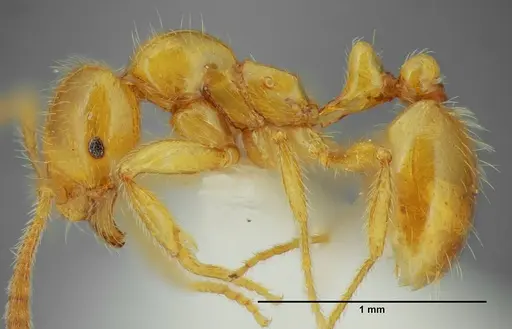
Megalomyrmex myops is a tiny Neotropical ant species native to Brazil, specifically found in Paraná and Minas Gerais states. Workers are bright deep-yellow with a darker gaster, measuring just a few millimeters. This species belongs to the pusillus species group, which contains some of the smallest Megalomyrmex ants. They were collected in Doane soil traps set in secondary growth semideciduous forest and eucalyptus plantation habitats in southeastern Brazil. Despite being described in 1925,virtually nothing is known about their biology in the wild, no data exists on colony structure, queen size, founding behavior, or captive care requirements. This makes them one of the least studied ant species in the hobby, presenting both a challenge and an opportunity for dedicated antkeepers interested in documenting new species behavior.
Quick Summary
- Difficulty: Unknown, Insufficient data to assess
- Origin & Habitat: Brazil (Paraná and Minas Gerais states). Collected in secondary growth semideciduous forest and eucalyptus plantation habitats using soil traps [1][2][3].
- Colony Type: Unconfirmed, colony structure has not been documented. Related Megalomyrmex species in the pusillus group are typically small colonies with single queens, but this has not been verified for M. myops specifically.
- Size & Growth:
- Queen: Unknown, not described in available literature [3]
- Worker: Not explicitly measured in available literature, but belongs to the tiny pusillus species group [3]
- Colony: Unknown, no colony size data exists [3]
- Growth: Unknown, no development data exists
- Development: Unknown, no development timeline has been documented for this species (This is one of the least studied ant species in captivity. Estimates based on related Megalomyrmex species suggest development may take 6-10 weeks at tropical temperatures, but this is purely speculative.)
- Antkeeping:
- Temperature: Unknown for this specific species. As a Brazilian species from Minas Gerais (tropical/subtropical region), they likely prefer warm conditions around 24-28°C. Start in this range and observe colony activity.
- Humidity: Unknown. The collection data from semideciduous forest suggests moderate to high humidity preferences. Keep nest substrate consistently moist but not waterlogged.
- Diapause: Unknown, no data on overwintering requirements. As a Brazilian species, they may not require true hibernation but may slow down during cooler periods.
- Nesting: Unknown natural nesting preferences. Related species in this genus often nest in soil or rotting wood. A naturalistic setup with moist substrate or a Y-tong/plaster nest would be a reasonable starting point.
- Behavior: Behavior is completely unstudied in captivity. Based on genus-level observations, Megalomyrmex ants are typically predaceous and may be more aggressive than their small size suggests. Their tiny size means escape prevention must be excellent, they can easily slip through standard test tube openings. No data exists on sting potency, but related species in this genus have stingers that are likely too small to affect humans.
- Common Issues: no biological data exists, keepers are essentially pioneering captive husbandry for this species, escape prevention is critical due to their very small size in the pusillus group, no known food preferences, diet must be experimentally determined, colony may fail due to unknown environmental requirements, slow growth or colony failure may occur due to mismatched temperature or humidity
Species Overview and Identification
Megalomyrmex myops is a tiny ant species described by Santschi in 1925 from specimens collected in Paraná, Brazil. Workers are characterized by their bright deep-yellow coloration with a darker gaster in some specimens. The species can be identified by smooth mandibles with 3-5 teeth, a median clypeus with longitudinal rugosities, and a propodeum with faint lateral carinae. They belong to the pusillus species group, which contains some of the smallest Megalomyrmex species. The type locality is Rio Negro in Paraná state (26°06'S,49°48'W). Additional specimens have been collected in Minas Gerais state, making this a species with a relatively limited known distribution in southeastern Brazil. [3]
Natural History and Habitat
The natural history of Megalomyrmex myops remains virtually unknown. This species has only been collected a handful of times, most recently in Doane soil traps set in secondary growth semideciduous forest and eucalyptus plantation in Viçosa, Minas Gerais, Brazil [1][2]. The semideciduous forest habitat suggests they prefer areas with moderate vegetation cover and some humidity. The collection method (soil traps) indicates they are ground-nesting and forage at or near the soil surface. No information exists on their diet, predators, nuptial flight timing, or colony structure in the wild. This represents a significant gap in antkeeping knowledge that dedicated hobbyists could help fill through careful observation and documentation.
Housing and Nesting Recommendations
Since no specific nesting data exists for this species, housing recommendations must be based on related Megalomyrmex species and the habitat data available. A naturalistic setup with moist soil substrate would be a logical starting point, as they were collected in forest floor environments. Alternatively, a Y-tong or plaster nest with small chambers scaled to their tiny size would work well. Given their membership in the pusillus species group, they are very small ants, so escape prevention must be excellent, use fine mesh barriers and ensure all connections are tight. The nest should maintain consistent moisture without becoming waterlogged, as the forest habitat suggests moderate humidity needs.
Feeding and Diet
The diet of Megalomyrmex myops is completely unstudied. However, Megalomyrmex as a genus is known to be predaceous, with many species hunting small invertebrates. As a member of the tiny pusillus group, they likely prey on even smaller arthropods like springtails, mites, and tiny beetles. Start by offering small live prey items such as springtails, fruit flies, and small mealworms. Sugar sources may or may not be accepted, offer occasional honey or sugar water but do not rely on it as a primary food source. Document any acceptance carefully, as this information would be valuable for future keepers.
Temperature and Environmental Conditions
No specific temperature requirements exist in the scientific literature for this species. As a Brazilian ant from Minas Gerais (approximately 20°S latitude), they likely experience tropical to subtropical conditions year-round. Estimated optimal temperature would be in the range of 24-28°C, similar to other Neotropical ants. Start in this range and observe colony behavior, if workers cluster near heat sources, increase slightly, if they avoid heated areas, reduce temperature. Humidity should be moderate to high based on the semideciduous forest collection data. Monitor substrate moisture and adjust watering frequency based on condensation levels rather than a fixed schedule.
Colony Establishment and Growth
No data exists on colony founding or growth for this species. The founding type (whether queens seal themselves in like most Myrmicinae or must forage during founding) is unknown. If you obtain a founding queen, observe her behavior closely. If she seals herself into a chamber and does not leave to forage, she is claustral. If she leaves the founding chamber to hunt, she is semi-claustral. Document the founding process carefully, this information would be scientifically valuable. Growth rate is unknown, but based on related tiny Megalomyrmex species, expect slow initial growth with the first workers (nanitics) appearing perhaps 6-10 weeks after founding if claustral, though this is purely speculative.
Frequently Asked Questions
How long does it take for Megalomyrmex myops to go from egg to worker?
This is completely unknown, no development data exists for this species. Based on related Megalomyrmex species and other tiny Myrmicinae, estimate 6-10 weeks at tropical temperatures (26-28°C), but this is a rough guess. Careful documentation of any successful colony would help establish real timelines.
What do Megalomyrmex myops ants eat?
Diet is unconfirmed for this species. Based on genus patterns, they are likely predaceous. Offer small live prey like springtails, fruit flies, and tiny mealworms. Sugar sources may or may not be accepted, offer occasionally but do not rely on them as a primary food source.
Are Megalomyrmex myops good for beginners?
No, this species is not recommended for beginners. Virtually nothing is known about their captive care requirements, making them extremely challenging to keep successfully. They are better suited for experienced antkeepers willing to experiment and document their findings.
What temperature should I keep Megalomyrmex myops at?
No specific data exists. As a Brazilian species from Minas Gerais, they likely prefer warm conditions around 24-28°C. Start in this range and adjust based on observed colony behavior.
How big do Megalomyrmex myops colonies get?
Colony size is completely unknown. No colony size data exists in scientific literature. Based on their tiny size and membership in the pusillus group, colonies are likely small, possibly under 100 workers, though this is speculative.
Can I keep multiple Megalomyrmex myops queens together?
Unknown, colony structure has not been documented for this species. Do not attempt combining unrelated queens until more is known about their natural colony structure.
What is the best nest type for Megalomyrmex myops?
No specific data exists. Based on collection data (forest floor soil traps), a naturalistic setup with moist substrate or a small-chambered Y-tong/plaster nest would be appropriate. Ensure chambers are scaled to their tiny size.
Do Megalomyrmex myops need hibernation?
Unknown, no overwintering data exists. As a Brazilian species from a tropical/subtropical region, they likely do not require true hibernation but may slow down during cooler periods. Avoid temperatures below 18°C.
Why is Megalomyrmex myops so rarely kept?
This species is one of the least studied ants in existence, virtually nothing is known about its biology. The lack of basic information on colony structure, diet, temperature needs, and development makes it extremely difficult to keep successfully. There are no established captive husbandry protocols.
References

This caresheet is licensed under CC BY-SA 4.0 .
ANTWEB1053770
View on AntWeb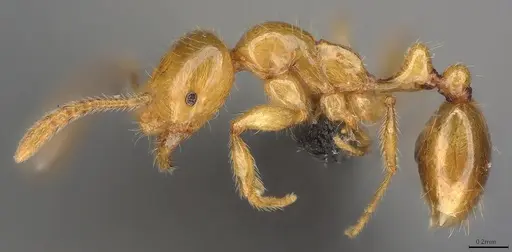
CASENT0913545
View on AntWeb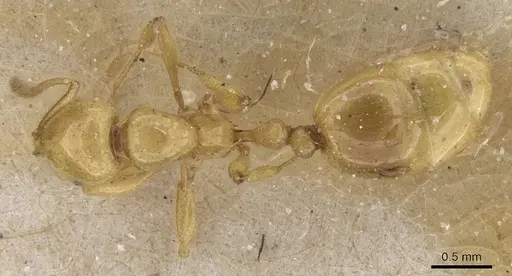
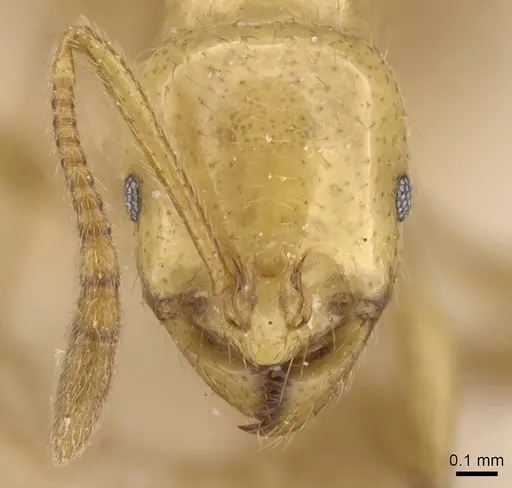
CASENT0914060
View on AntWeb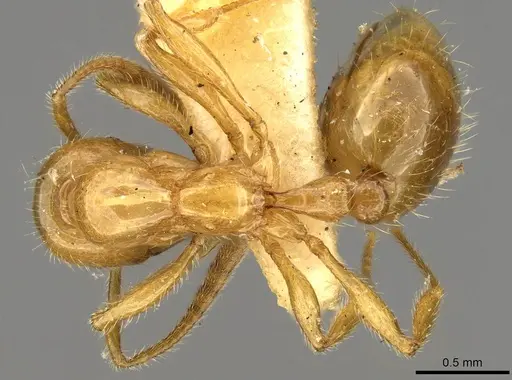
UFV-LABECOL-000328
View on AntWeb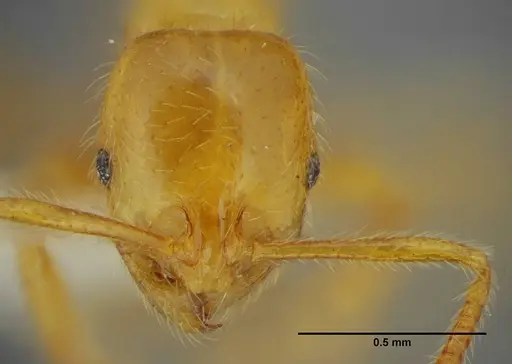
Literature
Loading...Loading products...