

Megalomyrmex modestus
- Scientific Name
- Megalomyrmex modestus
- Tribe
- Solenopsidini
- Subfamily
- Myrmicinae
- Author
- Emery, 1896
- Distribution
- Found in 6 countries
Megalomyrmex modestus Overview
Megalomyrmex modestus is an ant species of the genus Megalomyrmex. It is primarily documented in 6 countries , including Colombia, Costa Rica, Ecuador. Detailed taxonomic data and occurrence records can be further explored via authoritative databases such as AntWeb or the Global Biodiversity Information Facility (GBIF).
Megalomyrmex modestus
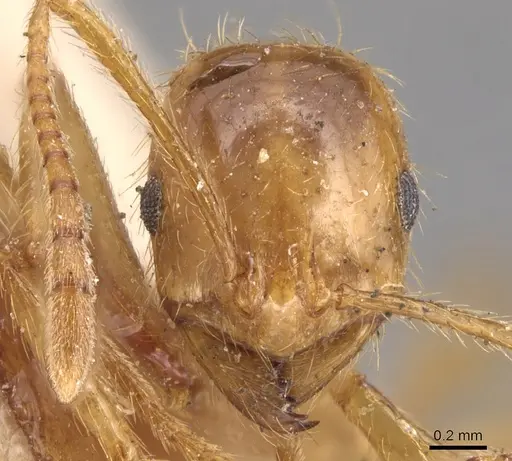
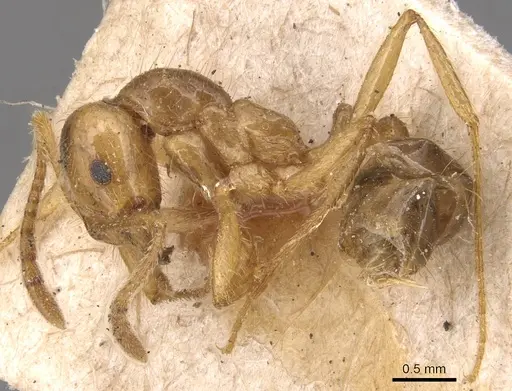
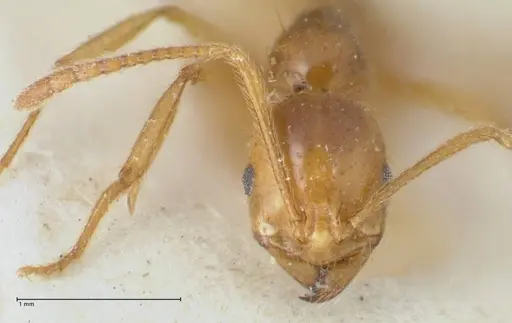
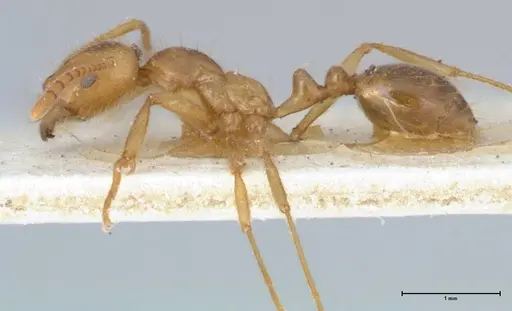
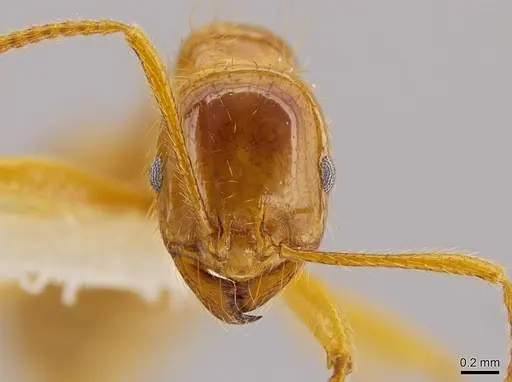
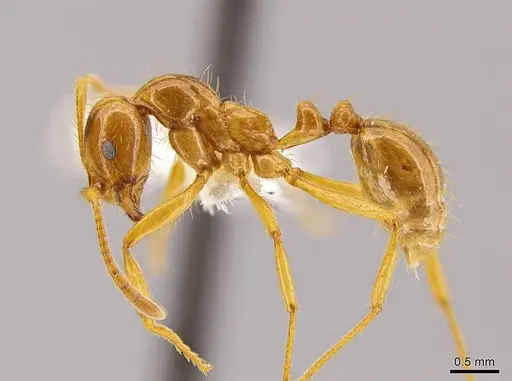
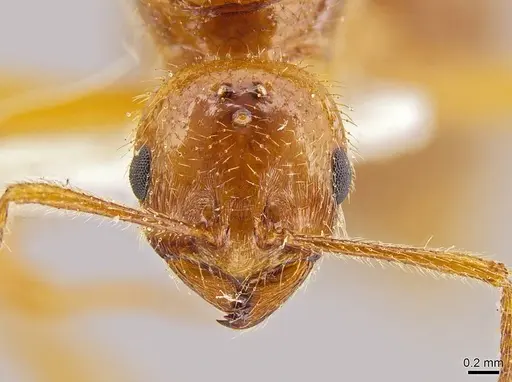
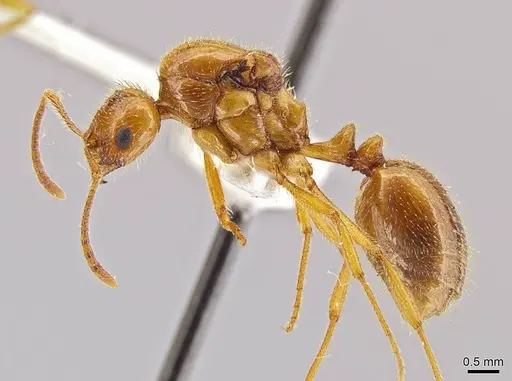
Megalomyrmex modestus is a small Neotropical ant native to Central and South America, ranging from Costa Rica to Venezuela. Workers are bright brownish-yellow with small eyes and distinctive 5-toothed mandibles, measuring around 0.8-1.0mm in head width. This species forms large polygynous colonies with multiple queens and can exceed 2000 workers in mature nests. They are primarily subterranean and nocturnal, making them challenging to observe in the wild. Colonies build extensive networks of soil galleries extending up tree trunks and under liana stems, where workers tend to scale insects (Coccoidea) for honeydew. Their most unusual behavior is a defensive response to parasitic flies where workers tuck their abdomens beneath their bodies.
Quick Summary
- Difficulty: Expert
- Origin & Habitat: Wet Neotropical forests of the Atlantic slope in Costa Rica, Panama, Colombia, and Venezuela. Most abundant at middle elevations of 500-800m but found from sea level to 940m. Nests in rotting logs and diffuse soil at the base of trees [1][2].
- Colony Type: Polygynous (multi-queen) colonies with 500-2000+ workers. Multiple dealate (wingless) queens per colony with diffuse nest structure spreading across underground galleries and up tree trunks [3][2][1].
- Colony: Polygyne
- Size & Growth:
- Queen: Alate queens measure approximately 1.47mm head width [2].
- Worker: Workers are 0.81-1.03mm head width,1.00-1.19mm head length [1][2].
- Colony: Large colonies with over 2000 workers documented in the wild [2]. Typical colonies have 500-2000 workers [3].
- Growth: Unknown, no development data available for this species.
- Development: Unconfirmed, development timeline has not been studied. Related Megalomyrmex species suggest 6-10 weeks at tropical temperatures, but this is an estimate. (No direct measurements of egg-to-worker development time exist in the scientific literature for this species.)
- Antkeeping:
- Temperature: Keep at 24-28°C. This is a tropical species from wet Neotropical forests, so warmth is essential. A heating cable on one side of the nest creates a suitable gradient [4].
- Humidity: High humidity required, these ants live in damp forest soil and rotting wood. Keep the nest substrate consistently moist but not waterlogged. Provide a water tube for drinking water.
- Diapause: No, as a tropical species, they do not require hibernation. Maintain warm, stable conditions year-round.
- Nesting: Use a naturalistic setup with soil or a plaster/acrylic nest with moisture chambers. They prefer dark, humid conditions and will readily move through soil-filled setups. A Y-tong nest with damp substrate also works well. Avoid bright lighting, these ants are nocturnal and light-sensitive.
- Behavior: This is a shy, secretive species that avoids light and rarely forages in the open. Workers are not aggressive and will flee from disturbance rather than attack. They are nocturnal and subterranean, making them difficult to observe. When threatened by parasitic flies, they tuck their gaster under their body as a defensive response. Escape prevention is critical due to their small size, use fine mesh barriers. They are not stingers but have venom alkaloids in their sting [5].
- Common Issues: colonies are extremely difficult to establish from founding queens due to their polygynous nature and large colony size requirements, their nocturnal, subterranean lifestyle makes them nearly invisible during daytime hours, frustrating keepers who want to observe their ants, small worker size means escape prevention must be excellent, they can squeeze through tiny gaps, wild-caught colonies may contain parasites like phorid flies that can decimate the colony, they are difficult to feed because they rarely emerge to forage in open spaces, baits must be placed near nest entrances
Housing and Nest Setup
Megalomyrmex modestus requires a setup that mimics their natural subterranean habitat. A naturalistic terrarium-style setup with several inches of damp soil works best, as this allows them to build their characteristic extensive gallery networks. You can also use a plaster or acrylic nest with moisture chambers, but ensure the chambers are dark and humid. Place the nest in a low-light area or use a red film over the observation side, since these ants are nocturnal and light-sensitive. Provide a water tube connected to a cotton wick for drinking water. Because they tend scale insects for honeydew in the wild, consider including live or artificial scale insects if keeping the colony long-term, or provide sugar water on a regular basis. [1][2]
Feeding and Diet
In the wild, M. modestus workers tend Coccoidea (scale insects and white flies) for honeydew and occasionally forage for small prey. In captivity, offer sugar water or honey water as a constant energy source. For protein, provide small insects like fruit flies, pinhead crickets, or mealworm pieces. They are not aggressive foragers, so place food near nest entrances or in foraging areas rather than expecting them to travel far. Because they are mainly subterranean, they may ignore baits placed in the open, if baiting, try placing food on top of the soil near nest entrances where workers will emerge to retrieve it. Some keepers report success with sweet baits like cookie pieces, which workers will bury rather than immediately consume. [1][2]
Temperature and Humidity
Keep these ants warm and humid to match their wet Neotropical forest habitat. Maintain temperatures between 24-28°C year-round, they do not tolerate cool conditions. Use a low-wattage heating cable under or beside the nest if your room temperature is below this range. Humidity should be high, with the nest substrate kept consistently damp but not saturated. A water tube connected to the nest helps maintain humidity through evaporation. Do not let the nest dry out, as this will stress the colony. Since they come from a tropical climate with no winter, they do not require diapause or hibernation. [4][1]
Colony Structure and Social Organization
This is one of the few truly polygynous Megalomyrmex species, with multiple dealate queens living together in large colonies. Wild colonies can exceed 2000 workers and have diffuse nest structures spreading over several meters through soil and up trees. The colony Longino (2010) excavated had hundreds of small entrances spanning about 2 meters across, with workers and brood found at depths exceeding 20cm. Multiple queens were confirmed by finding two dealate queens at depth. This social structure means you cannot keep a single queen alone, established colonies must have multiple reproductive queens. When collecting from the wild or establishing a colony, expect to house a large, multi-queen colony rather than starting from a single founding queen. [1][2][3]
Behavior and Defense
Megalomyrmex modestus is a shy, non-aggressive species that avoids confrontation. Workers are primarily subterranean and nocturnal, rarely foraging in open areas during the day. Their most interesting defensive behavior was documented in Costa Rica: when attacked by parasitic Apocephalus phorid flies, workers walk with their gasters tucked under their bodies, a unique defensive posture. They possess venom alkaloids (trans-2-methyl-6-nonylpiperidine) in their sting, but given their small size and docile nature, they pose no threat to humans. For captive care, provide darkness and minimal disturbance. They are not escape artists in terms of climbing, but their tiny size means they can slip through fine gaps, use tight-fitting lids and fine mesh on any ventilation. [2][5]
Challenges and Why This Species Is Expert-Level
Megalomyrmex modestus is not a beginner species for several important reasons. First, their polygynous colony structure means you cannot start with a single queen, you need an established multi-queen colony, which is nearly impossible to find in the antkeeping hobby. Second, their fully subterranean, nocturnal lifestyle makes them nearly invisible in captivity, keepers often report never seeing their ants. Third, they require high humidity, warm temperatures, and large spaces to accommodate colonies that can exceed 2000 workers. Fourth, they are extremely difficult to feed since they rarely emerge to forage. Fifth, wild-caught colonies may carry parasites like phorid flies that can destroy the colony. For these reasons, this species is recommended only for experienced antkeepers who can provide the specialized conditions these unusual ants require. [2][1][3]
Frequently Asked Questions
Can I keep Megalomyrmex modestus in a test tube?
No, this species is not suitable for test tube setups. They form large polygynous colonies exceeding 2000 workers with extensive underground galleries. They require a naturalistic setup with deep soil or a large formicarium with multiple chambers to accommodate their diffuse nest structure.
How long does it take for Megalomyrmex modestus to produce first workers?
The egg-to-worker development timeline has not been studied in this species. Based on related Megalomyrmex species, estimate 6-10 weeks at optimal tropical temperatures (around 26°C), but this is an educated guess rather than confirmed data.
Can I keep multiple queens together?
Yes, this species is naturally polygynous with multiple queens per colony. However, combining unrelated foundress queens has not been documented and is not recommended. If you obtain a colony, it should already contain multiple queens.
How big do Megalomyrmex modestus colonies get?
Large colonies can exceed 2000 workers, with typical mature colonies having 500-2000 workers. The colony Longino (2010) excavated covered about 2 meters across with hundreds of entrance holes and extended over 20cm deep into the soil.
Are Megalomyrmex modestus good for beginners?
No, this is an expert-level species. They are difficult to keep because they are nocturnal and subterranean (rarely visible), require large colonies with multiple queens, need high humidity and warm temperatures, and are challenging to feed. They are not recommended for beginners.
Do Megalomyrmex modestus need hibernation?
No, as a tropical species from wet Neotropical forests, they do not require hibernation or diapause. Keep them warm (24-28°C) year-round.
Why can't I see my Megalomyrmex modestus ants?
This is normal, they are primarily subterranean and nocturnal. Workers rarely emerge to forage in open spaces and avoid light. They will remain hidden in their galleries during the day. This species is one of the most difficult to observe in captivity.
What do Megalomyrmex modestus eat?
They primarily tend Coccoidea (scale insects) for honeydew in the wild. In captivity, provide sugar water or honey water as a constant energy source, plus small insects like fruit flies or pinhead crickets for protein. They are not active foragers, so place food near nest entrances.
What is the best nest type for Megalomyrmex modestus?
A naturalistic setup with several inches of damp soil is best, as this mimics their natural subterranean habitat and allows them to build gallery networks. A large plaster or acrylic nest with multiple dark, humid chambers can also work. Avoid bright lighting, use red film for observation.
Why do my Megalomyrmex modestus tuck their abdomens under?
This is a documented defensive behavior. When attacked by parasitic Apocephalus phorid flies, workers walk with their gasters tucked under their bodies. If you observe this behavior, check for tiny flies around the colony, as phorid parasites have been documented attacking this species in the wild.
References

This caresheet is licensed under CC BY-SA 4.0 .
CASENT0904611
View on AntWeb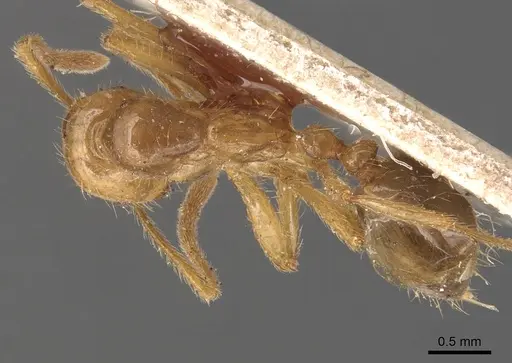
FOCOL1758
View on AntWeb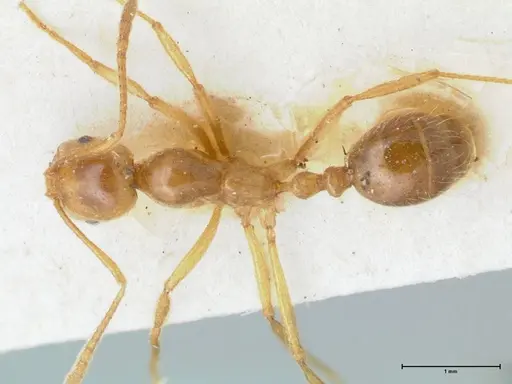
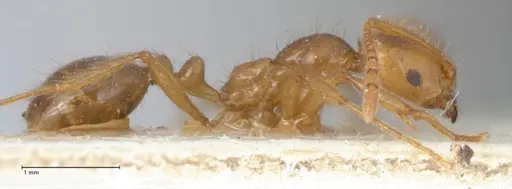
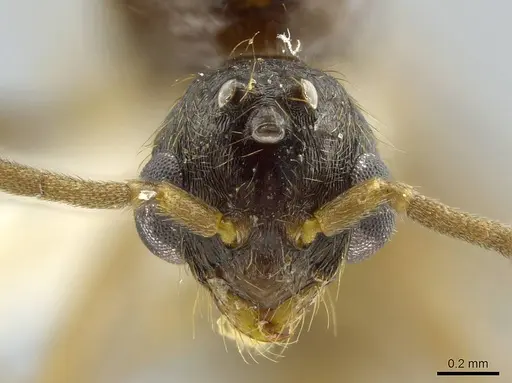
INBIOCRI001281465
View on AntWeb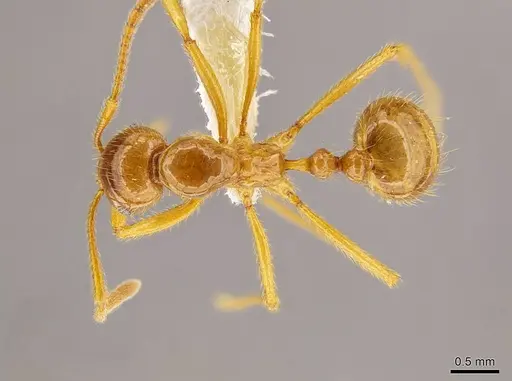
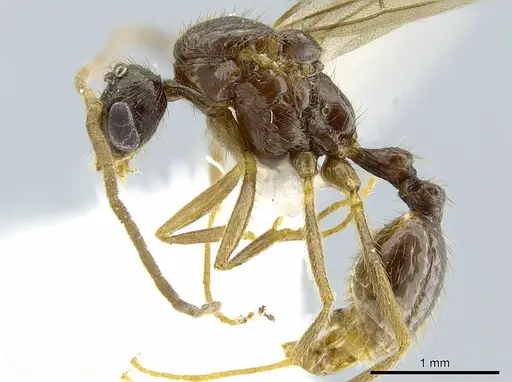
INBIOCRI002280179
View on AntWeb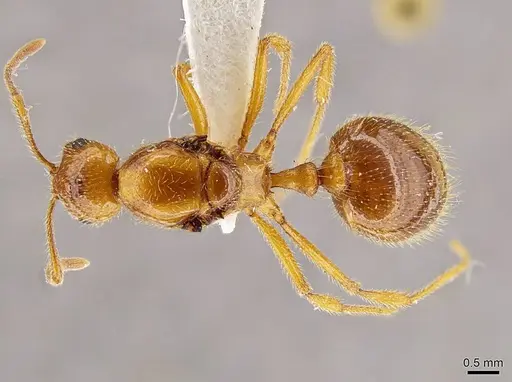
INBIOCRI002280196
View on AntWeb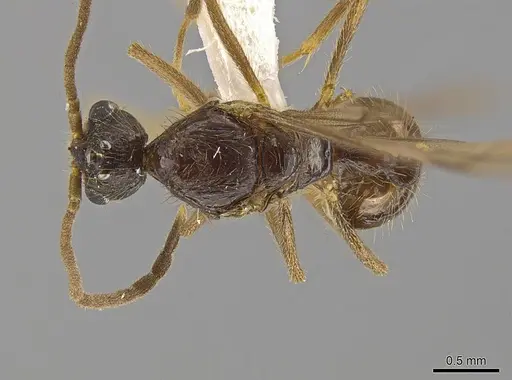
Literature
Loading...Loading products...