

Megalomyrmex milenae
- Scientific Name
- Megalomyrmex milenae
- Tribe
- Solenopsidini
- Subfamily
- Myrmicinae
- Author
- Boudinot <i>et al.</i>, 2013
- Distribution
- Found in 1 countries
Megalomyrmex milenae Overview
Megalomyrmex milenae is an ant species of the genus Megalomyrmex. It is primarily documented in 1 countries , including Panama. Detailed taxonomic data and occurrence records can be further explored via authoritative databases such as AntWeb or the Global Biodiversity Information Facility (GBIF).
Megalomyrmex milenae
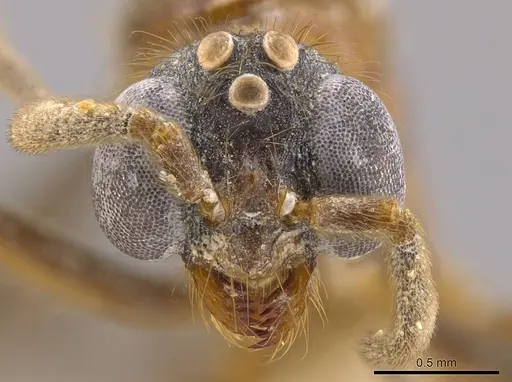
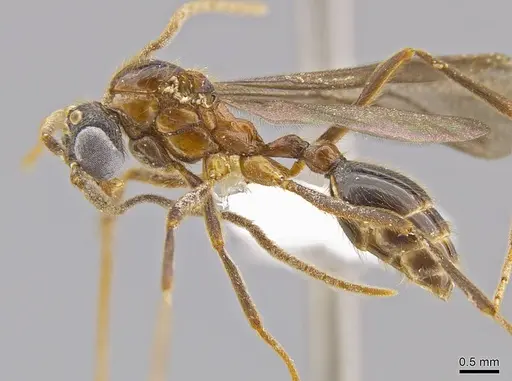
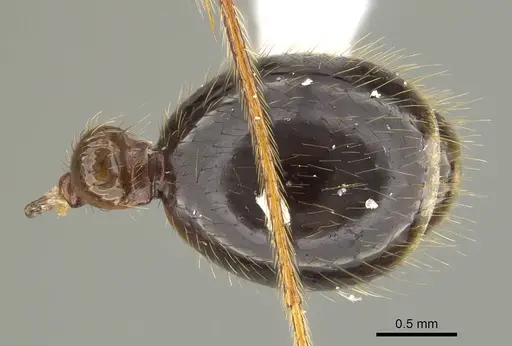
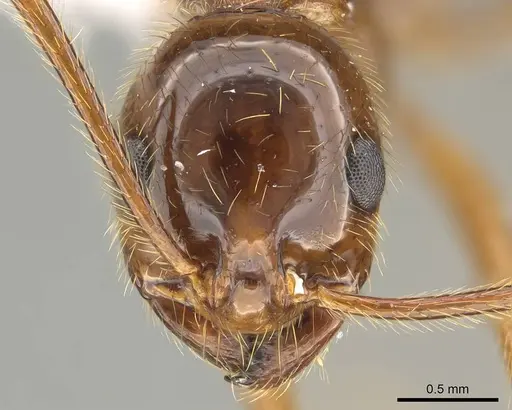
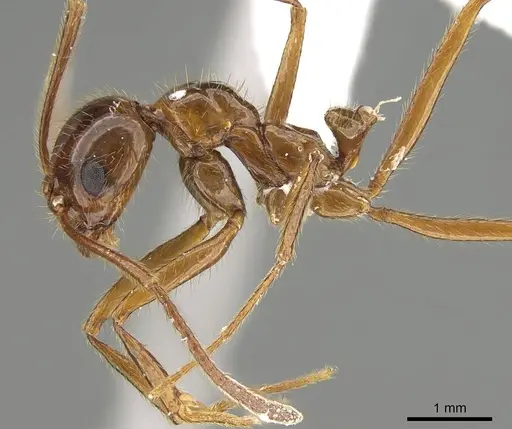
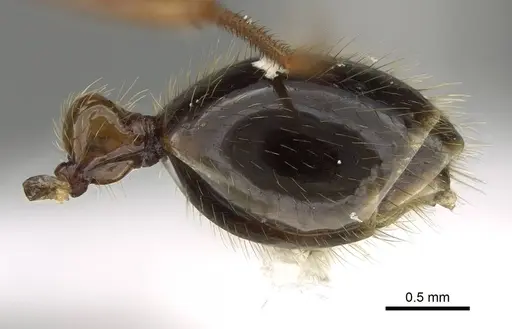
0.30mm), five robust mandibular teeth, and smooth dorsal mandible surface. Unlike many ant species, M. milenae has ergatoid queens, wingless queens that look similar to workers but with larger gasters. Colonies are monogynous (single queen) with worker counts ranging from 25 to over 460 individuals. They nest in soil embankments near creeks, creating inconspicuous nest entrances, and are known to be attracted to sweet baits like cookies [1][2].
Quick Summary
- Difficulty: Medium
- Origin & Habitat: Panama, from sea-level to 100m elevation in lowland tropical forest areas near creeks and streams [1][2]
- Colony Type: Monogynous (single queen) colonies. Queens are ergatoid (wingless) and similar in appearance to workers but larger. Colonies contain 25-462 workers with documented worker replacement reproductives in queenless situations [1][2]
- Colony: Monogyne
- Size & Growth:
- Queen: Ergatoid queens measure approximately 1.40mm head width,1.54mm head length,2.34mm mesosoma length [1]
- Worker: Workers measure 1.26-1.38mm head width,1.51-1.62mm head length,2.17-2.37mm mesosoma length [1]
- Colony: Colonies reach 25-462 workers in established colonies [1][2]
- Growth: Moderate, based on typical Megalomyrmex patterns
- Development: Estimated 6-10 weeks based on related Solenopsidini species patterns at tropical temperatures (Development time is inferred from genus-level data, as specific development studies are not available for this species)
- Antkeeping:
- Temperature: Keep at 24-28°C, reflecting their tropical Panamanian origin. A gentle gradient allowing warmer and cooler areas is recommended [2]
- Humidity: Moderate to high humidity (60-80%). These ants inhabit lowland areas near water and prefer nest conditions that stay consistently moist but not waterlogged [2]
- Diapause: No, as a tropical species from Panama, they do not require hibernation. Maintain warm conditions year-round [2]
- Nesting: Natural nesting occurs in soil embankments near creeks, with inconspicuous nest entrances. In captivity, they do well in Y-tong nests, plaster nests, or naturalistic setups with moist substrate. They prefer tight, enclosed chambers that retain humidity well [2]
- Behavior: Megalomyrmex milenae workers are moderately active and foragers. They are attracted to sweet baits (documented with cookie baits in the wild) and likely supplement their diet with small prey. They have a functional sting though their small size limits human perception. Workers are not particularly aggressive but will defend the nest. Escape risk is moderate due to their small size, ensure enclosures have tight-fitting lids and check for small gaps [1][2]
- Common Issues: small colony size means slower population growth, don't expect rapid expansion, tropical species requires consistent warmth, cold temperatures can suppress activity and brood development, escape prevention is important due to their small size, check for gaps in enclosures, wild-caught colonies may have parasites that can impact captive health, ergatoid queens are wingless, colony foundation is different from typical fully-winged queen species
Housing and Nest Setup
Megalomyrmex milenae does well in a variety of captive setups. Y-tong (acrylic) nests work excellently because they allow you to control humidity while providing good visibility. Plaster nests are also suitable and help maintain consistent moisture levels. Naturalistic setups with a soil substrate can work well too, these ants naturally nest in soil embankments near water, so a moist, compactable substrate mimics their natural environment. Regardless of nest type, ensure the nesting area stays consistently moist but never waterlogged. The outworld (foraging area) should be separate and dry enough to prevent mold while the nest chambers remain humid. Because workers are small (around 1.3mm), check that any connections between nest and outworld are not too large, as these ants can squeeze through surprisingly small gaps [1][2].
Feeding and Diet
In the wild, M. milenae colonies have been successfully baited with sweet foods like cookies (Keebler Pecan Sandies), indicating they readily consume carbohydrate sources. This suggests they would accept sugar water, honey, or similar sweet liquids in captivity. They likely also hunt small prey like other tiny arthropods, consistent with the genus feeding patterns. Offer a mix of sugar sources (honey diluted with water, sugar water) and protein (small fruit flies, pinhead crickets, mealworm pieces) to establish what your colony prefers. Feed protein 2-3 times per week, and keep a sugar source available at all times. Remove uneaten prey after 24-48 hours to prevent mold issues in the humid nest environment [1][2]
Temperature and Humidity
As a tropical species from Panama's lowlands, M. milenae requires warm conditions year-round. Maintain temperatures between 24-28°C (75-82°F) in the nest area. You can create a gentle temperature gradient by placing a heating cable or mat on one side of the nest, allowing workers to self-regulate by moving between warmer and cooler areas. Room temperature in most homes may be slightly cool, consider using a small heat source if your ambient temperature falls below 24°C. For humidity, aim for 60-80% relative humidity within the nest. The substrate should feel consistently damp but never pooling with water. These ants live near creeks in the wild, so they appreciate moisture but need good ventilation to prevent mold buildup. Never allow the nest to dry out completely, as this can be fatal for the colony [2]
Colony Structure and Ergatoid Queens
Megalomyrmex milenae has a unique colony structure among ants, the queens are ergatoid, meaning they are wingless and look very similar to workers, just slightly larger. This is different from typical ant species where queens have wings for dispersal. In the wild, colonies are monogynous with a single ergatoid queen. Worker numbers range from as few as 25 in newly established colonies to over 460 in mature colonies. Interestingly, queenless subcolonies with males have been observed in the wild, suggesting workers can produce males when the queen is lost. This ergatoid queen system means you won't see the dramatic nuptial flights typical of many ants, instead, reproduction may occur within or near the existing nest. When acquiring this species, expect to receive a colony with an ergatoid queen rather than a winged queen [1][2]
Behavior and Temperament
Workers of M. milenae are moderately active foragers. They are not particularly aggressive toward keepers but will defend their nest if threatened. Their small size (around 1.3mm) means they can be overlooked, but they have a functional sting that they can use in defense, though given their tiny size, the sting is unlikely to penetrate human skin significantly. They are attracted to sweet baits in the wild and likely use chemical trails to recruit nestmates to food sources, similar to other Megalomyrmex species. Workers are agile and can climb smooth surfaces, so escape prevention measures should include tight-fitting lids and barrier methods like fluon on enclosure edges. Their moderate activity level and attractive coloration make them an interesting species to observe, especially when they discover new food sources [1][2]
Frequently Asked Questions
How long does it take for Megalomyrmex milenae to produce first workers?
Specific development timing is unconfirmed for this species, but based on related Solenopsidini ants, expect 6-10 weeks from egg to worker at optimal tropical temperatures (24-28°C). Growth is moderate, don't expect the rapid expansion seen in some faster-growing species [1]
Can I keep multiple Megalomyrmex milenae queens together?
No, wild colonies are monogynous (single queen). While ergatoid replacement reproductives exist in queenless situations, combining unrelated ergatoid queens has not been documented and is not recommended. Keep only one queen per colony [1]
What do Megalomyrmex milenae eat?
They accept sweet foods (honey, sugar water) and protein sources (small insects like fruit flies, pinhead crickets, mealworms). In the wild, they were successfully baited with cookies, showing strong attraction to carbohydrates. Offer a varied diet to determine preferences [1][2]
Are Megalomyrmex milenae good for beginners?
They are rated Medium difficulty. They require warm, humid conditions year-round (no hibernation) and have specific needs related to their tropical origin. Their small size and ergatoid queen system may require more attention to escape prevention and colony establishment than some hardier species. Some antkeeping experience is helpful [2]
Do Megalomyrmex milenae need hibernation?
No, as a tropical species from Panama, they do not require hibernation or winter cooling. Keep them warm year-round at 24-28°C. Cold temperatures can suppress their activity and slow or stop brood development [2]
How big do Megalomyrmex milenae colonies get?
Colonies reach 25-462 workers in the wild. In captivity, expect moderate growth over time. The largest documented wild colonies had nearly 500 workers, this is a relatively small to medium-sized species [1][2]
When should I move my colony to a formicarium?
Start with a test tube setup for founding colonies. Once the colony reaches 30-50 workers and you see consistent activity, you can transition to a Y-tong or plaster nest. Ensure the new setup can maintain humidity well, as these ants are sensitive to drying [2]
Why are my Megalomyrmex milenae dying?
Common causes include: cold temperatures (below 24°C), too dry conditions, mold from overwatering or uneaten food, or stress from too-frequent disturbances. Check that your heating is adequate, humidity is consistent but not excessive, and remove uneaten prey promptly. Wild-caught colonies may also carry parasites [2]
References

This caresheet is licensed under CC BY-SA 4.0 .
CASENT0630042
View on AntWeb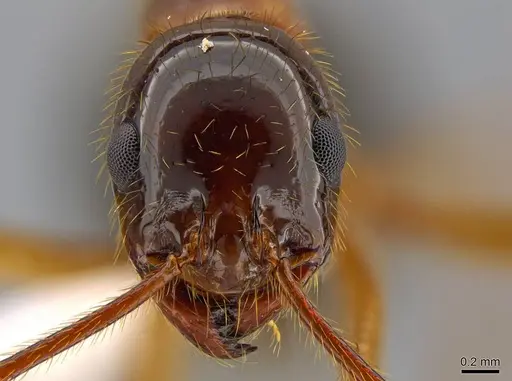
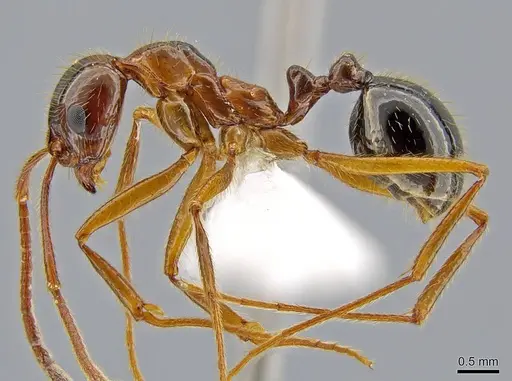
CASENT0630043
View on AntWeb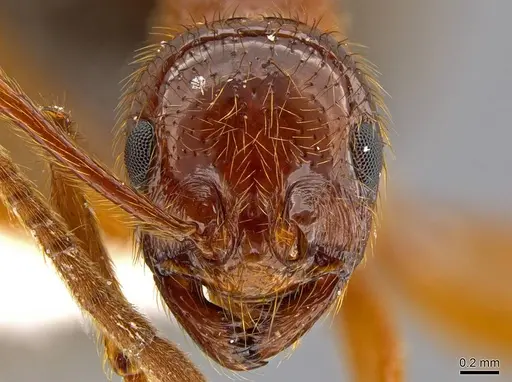
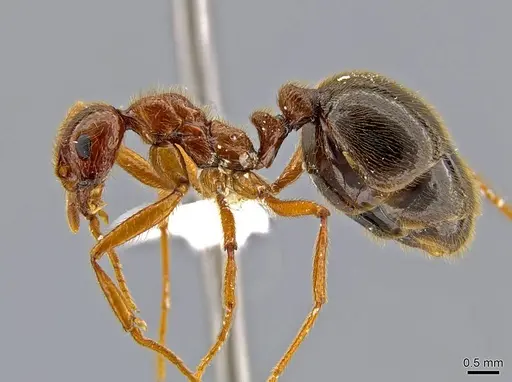
CASENT0630869
View on AntWeb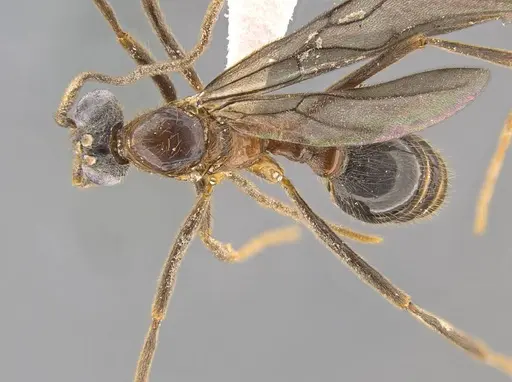
CASENT0630984
View on AntWeb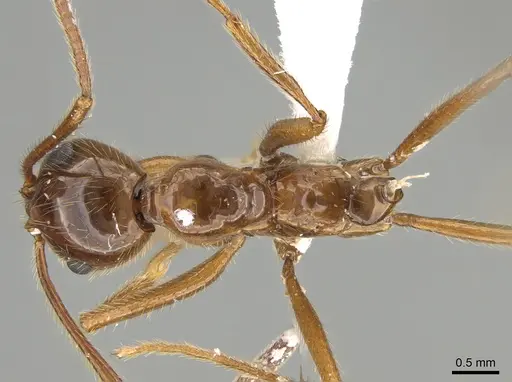
Literature
Loading...Loading products...