

Megalomyrmex longinoi
- Scientific Name
- Megalomyrmex longinoi
- Tribe
- Solenopsidini
- Subfamily
- Myrmicinae
- Author
- Boudinot <i>et al.</i>, 2013
- Distribution
- Found in 1 countries
Megalomyrmex longinoi Overview
Megalomyrmex longinoi is an ant species of the genus Megalomyrmex. It is primarily documented in 1 countries , including Panama. Detailed taxonomic data and occurrence records can be further explored via authoritative databases such as AntWeb or the Global Biodiversity Information Facility (GBIF).
Megalomyrmex longinoi
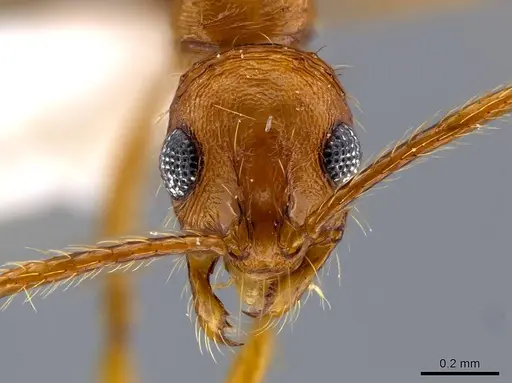
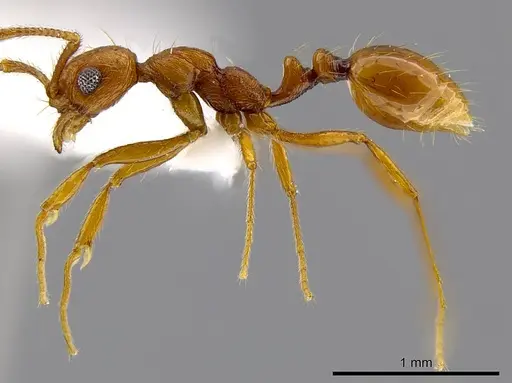
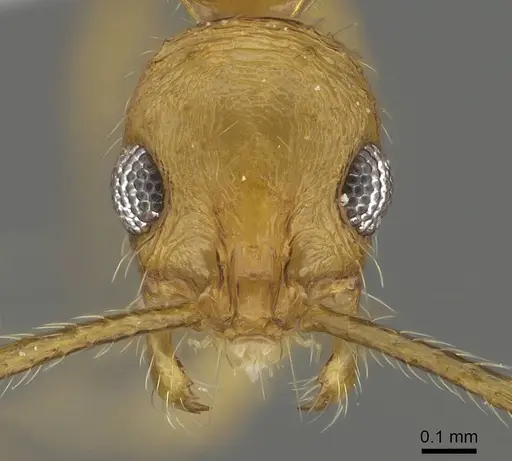
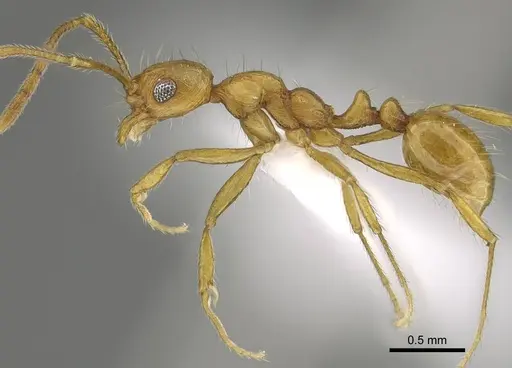
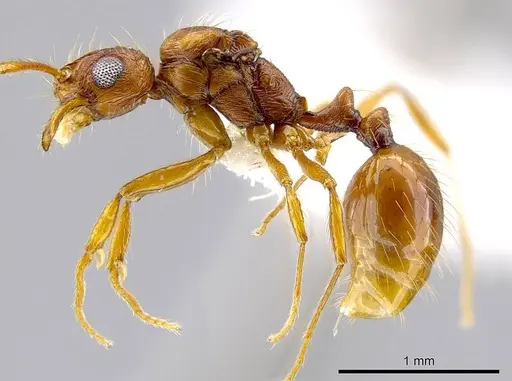
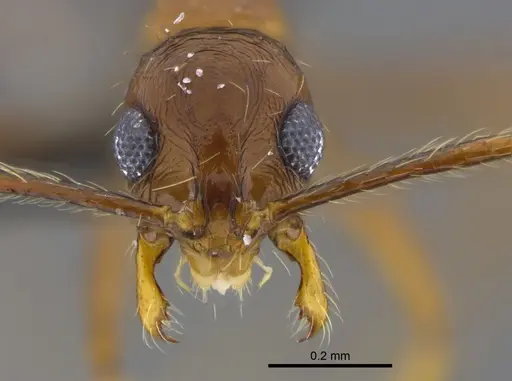
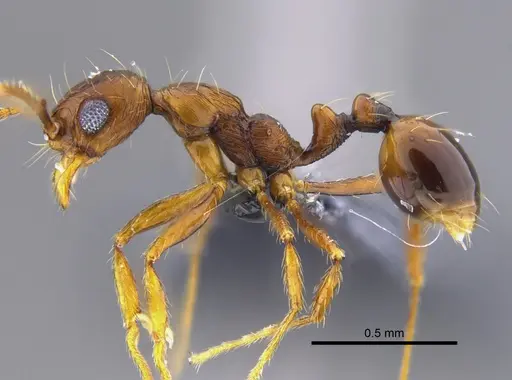
Megalomyrmex longinoi is a tiny, golden-yellow ant native to Panama's lowland tropical forests. Workers measure just 0.51-0.54mm in head width, making them one of the smaller ant species you'll encounter. What makes this species stand out is its distinctive rough sculpture covering the head, mesosoma, petiole, and postpetiole, a unique feature among Megalomyrmex species. The body coloration ranges from pale to deep golden yellow with orange-red tones. Queens are slightly larger at 0.56-0.62mm head width and were found with wings removed (dealate), indicating established colonies.
This species was only described in 2013,making it a relatively newly discovered ant that's rarely kept in captivity. It belongs to the pusillus species group and is found only in Panama at elevations from sea level to 150 meters. Colonies nest in leaf litter or rotting wood in seasonally wet secondary forests, think warm, humid, shaded forest floor conditions.
Quick Summary
- Difficulty: Medium
- Origin & Habitat: Panama, sea-level to 150m elevation in seasonally wet secondary forests of the Barro Colorado Natural Monument and Soberanía National Park [1]. Found in leaf litter and rotting logs in lowland tropical forest [1].
- Colony Type: Polygynous, colonies have been found with multiple dealate queens (4 queens in one colony,2 in another). Workers are small at 0.51-0.54mm, colonies can reach at least 70+ workers [1].
- Colony: Polygyne
- Size & Growth:
- Queen: 0.56-0.62mm head width [1]
- Worker: 0.51-0.54mm head width [1]
- Colony: At least 70+ workers documented in wild colonies [1]
- Growth: Moderate
- Development: 6-10 weeks (estimated based on tropical Myrmicinae patterns) (No specific development data exists for this species. Estimates based on related tropical Megalomyrmex and general Myrmicinae development at 24-28°C.)
- Antkeeping:
- Temperature: Keep at 24-28°C. As a lowland tropical species from Panama, they need warm, stable temperatures year-round. A heating cable on one side of the nest creates a suitable gradient
- Humidity: High humidity required, think damp forest floor. Keep nest substrate consistently moist but not waterlogged. Leaf litter species need 70-85% humidity. Provide a water tube and mist occasionally, but avoid standing water
- Diapause: No, this is a tropical species from Panama with no cold tolerance. Do not hibernate. Maintain warm temperatures year-round
- Nesting: Prefers humid, naturalistic setups with leaf litter or rotting wood debris. A Y-tong or plaster nest with added leaf litter material works well. They nest in tight spaces in damp material, avoid dry, airy setups. Keep the nest humid and dark
- Behavior: These are tiny, docile ants that live quietly in leaf litter. They are not aggressive and unlikely to sting, their small size means any sting would be negligible to humans. They are secretive nesters that prefer dark, humid environments. Escape prevention is critical due to their very small worker size, use fine mesh and tight-fitting barriers. They are not escape artists in terms of climbing, but their tiny size lets them squeeze through gaps that larger ants cannot.
- Common Issues: escape prevention is critical, their very small size means they can squeeze through standard barrier gaps, humidity drops quickly in dry rooms, check substrate moisture frequently, tropical species cannot tolerate cool temperatures or drafts, wild-caught colonies may have parasites that kill them in captivity, slow colony growth can frustrate beginners who overfeed or disturb the nest
Housing and Nest Setup
Megalomyrmex longinoi requires a humid, naturalistic setup that mimics their leaf litter habitat in Panamanian forests. A Y-tong or plaster nest works well, but you should add some leaf litter material or small pieces of rotting wood to give them a more natural environment. Keep the nest dark, these ants are secretive and prefer dim conditions. The chambers should be small and tight-fitting since these are tiny ants. A water tube attached to the nest helps maintain humidity, but check that the cotton doesn't dry out. Place the nest in an area away from direct sunlight and drafts. The outworld can be simple, a small foraging area with a water tube and feeding station. Use a tight-fitting lid and fine mesh on any ventilation holes because their tiny size makes escape likely. [1]
Feeding and Diet
Like other Megalomyrmex species, these ants are likely omnivorous with a preference for small invertebrates and sugar sources. Offer sugar water or honey as a constant energy source. For protein, provide small live prey like fruit flies, pinhead crickets, or mealworm pieces. Since workers are only 0.5mm, prey items should be appropriately sized, think tiny. You can also try offering small amounts of insect jelly or honeydew. Feed protein 2-3 times per week, and keep sugar water available at all times. Remove any uneaten prey after 24 hours to prevent mold. Given their small size and secretive nature, they may be shy feeders, observe from a distance to see if they're actually consuming the food.
Temperature and Humidity
This is a lowland tropical species, so warm temperatures are essential. Keep the nest at 24-28°C year-round, never let it drop below 22°C. A small heating cable on one side of the nest can create a gentle gradient, but place it on top of the nest rather than underneath to avoid drying out the substrate. Humidity is equally important, maintain 70-85% relative humidity inside the nest. The substrate should feel consistently damp but never waterlogged. Mist the nest occasionally and check that the water tube is properly supplying moisture. In dry rooms, humidity can drop rapidly, so monitor closely. These ants come from seasonally wet forests in Panama, so they can handle brief dry periods but prefer consistent moisture. [1]
Colony Structure and Growth
Megalomyrmex longinoi is polygynous, meaning colonies naturally have multiple queens. Wild colonies have been found with 2-4 dealate queens working together along with 70+ workers and brood [1]. This is unusual compared to many ant species that have single queens, so you may be able to keep multiple queens together if you start with a colony fragment. Growth rate is moderate, expect 6-10 weeks from egg to first worker at optimal temperatures. Colonies will likely remain relatively small compared to species like Camponotus or Formica, a mature colony might reach a few hundred workers. Be patient with these ants, they're slow growers and can take months to establish firmly.
Behavior and Temperament
These are docile, secretive ants that prefer to stay hidden in their nest. Workers are tiny at just 0.5mm and unlikely to show any aggression toward keepers. They are not known to sting, and even if they could, their small size means the sting would be imperceptible to humans. In the wild, they live in leaf litter and rotting logs, so they've evolved to avoid confrontation. When foraging, they'll send out small workers to collect sugar and small prey. They're not aggressive colony defenders, if threatened, they're more likely to flee than to fight. This makes them a peaceful but also somewhat uninteresting species to observe since they stay hidden so much. [1]
Frequently Asked Questions
How long does it take for Megalomyrmex longinoi to produce first workers?
Expect 6-10 weeks from egg to first worker at optimal temperatures (24-28°C). This is an estimate based on related tropical Myrmicinae, as no specific development data exists for this newly described species. Be patient, they grow slowly.
Can I keep multiple queens together in one colony?
Yes, this species is naturally polygynous. Wild colonies have been found with 2-4 dealate queens. You can likely keep multiple queens together, though introducing unrelated queens may cause aggression. Starting with an established multi-queen colony is safest.
What do Megalomyrmex longinoi ants eat?
Offer small live prey like fruit flies or tiny crickets for protein, and keep sugar water or honey available at all times. Since workers are only 0.5mm, prey must be very small. They may also accept honeydew or insect jelly.
What temperature do they need?
Keep them at 24-28°C year-round. This is a tropical species from Panama that cannot tolerate cool temperatures. Never let the nest drop below 22°C.
Do they need hibernation?
No. As a tropical species from Panama, they do not hibernate. Maintain warm temperatures year-round. Diapause is not required or recommended for this species.
Why are my ants dying?
Common causes include: low humidity (keep substrate damp), temperatures below 22°C, dry air, or parasites from wild-caught colonies. Check your setup matches their humid, warm, dark requirements. Also ensure escape prevention is adequate, tiny ants can slip through gaps.
Are Megalomyrmex longinoi good for beginners?
They are rated as medium difficulty. While not aggressive, they require specific conditions (high humidity, warm temperatures, small prey) that may challenge complete beginners. Their slow growth and secretive nature also require patience.
How big do colonies get?
Wild colonies have been found with 70+ workers. In captivity, colonies will likely reach a few hundred workers at most. They remain a relatively small colony species compared to many common ant pets.
When should I move them to a formicarium?
Wait until the colony has at least 20-30 workers and is actively foraging. Make sure your formicarium can maintain high humidity, plaster or Y-tong nests work best. Add some leaf litter material to help them acclimate.
References

This caresheet is licensed under CC BY-SA 4.0 .
CASENT0619091
View on AntWeb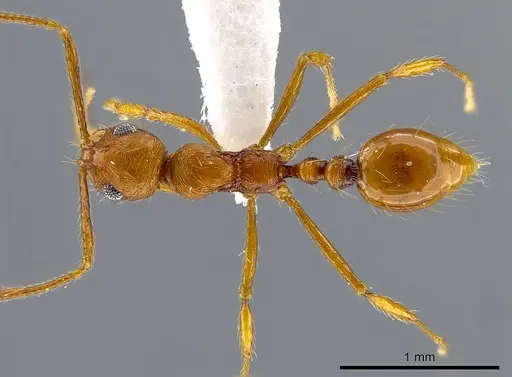
CASENT0619093
View on AntWeb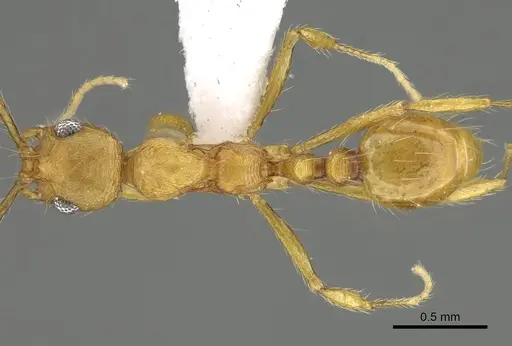
CASENT0619100
View on AntWeb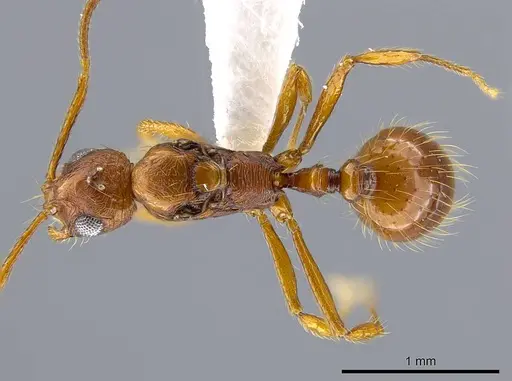
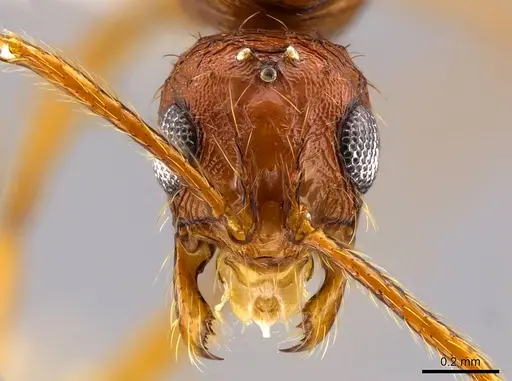
CBUMAGENT41867
View on AntWeb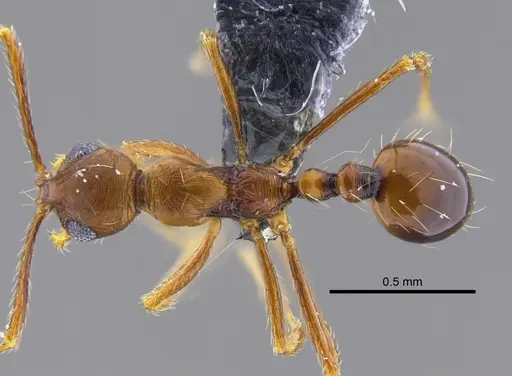
Literature
Loading...Loading products...