

Megalomyrmex iheringi
- Scientific Name
- Megalomyrmex iheringi
- Tribe
- Solenopsidini
- Subfamily
- Myrmicinae
- Author
- Forel, 1911
- Distribution
- Found in 1 countries
Megalomyrmex iheringi Overview
Megalomyrmex iheringi is an ant species of the genus Megalomyrmex. It is primarily documented in 1 countries , including Brazil. Detailed taxonomic data and occurrence records can be further explored via authoritative databases such as AntWeb or the Global Biodiversity Information Facility (GBIF).
Megalomyrmex iheringi
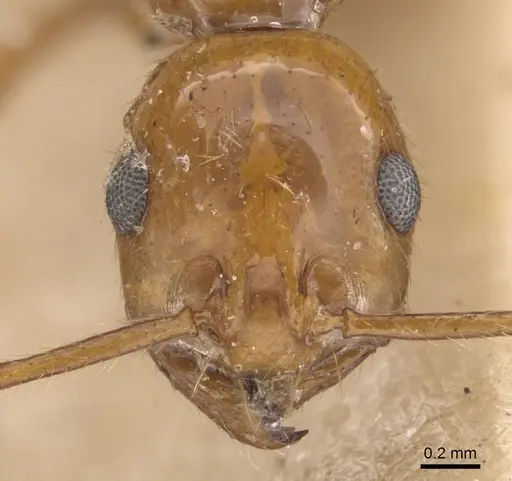
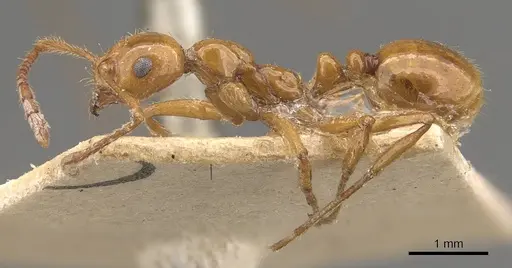
Megalomyrmex iheringi is a small, bright reddish-brown ant native to the Atlantic Forest of São Paulo state, Brazil. Workers measure around 1.7mm in Weber's length with a head width of approximately 0.575mm, making them tiny leaf-litter ants [1]. The species is known only from the Serra do Mar region at elevations above 750-800m, with the type locality at Estação Biológica de Boracéia [2]. Colonies contain roughly 200-260 workers and nest in hollow spaces within rotten logs, soil crevices, and occasionally in twigs on the forest floor. This species is closely related to M. goeldii and they have been found living in the same areas (syntopic), though M. iheringi consistently has a longer trunk [2].
Quick Summary
- Difficulty: Medium
- Origin & Habitat: Atlantic Forest of São Paulo state, Brazil, specifically the Serra do Mar mountain range at elevations above 750-800m. They live in leaf litter, nesting under rotten logs and among bromeliads and epiphytes[2].
- Colony Type: Colony structure is not definitively documented in scientific literature. A dealated (wingless) queen was collected with a colony of 260 workers, suggesting single-queen colonies may be typical, though this requires confirmation.
- Size & Growth:
- Queen: Not specifically measured in available literature, estimated based on genus patterns
- Worker: Weber's length ~1.7mm, head width ~0.575mm [1]
- Colony: Approximately 200-260 workers in wild colonies
- Growth: Unknown, no development data available
- Development: Unknown for this species. Based on typical Megalomyrmex patterns and small colony size, estimate 6-10 weeks at optimal temperature. (No direct development studies exist for this species. Growth rate is inferred from related Solenopsidini ants.)
- Antkeeping:
- Temperature: Keep at 22-26°C. This range is based on typical Atlantic Forest ant requirements, they prefer warm, stable conditions. Adjust based on colony activity.
- Humidity: High humidity preferred, these are forest floor ants from a humid tropical region. Keep the nest substrate consistently moist but not waterlogged. Mist occasionally and provide a water source.
- Diapause: Unlikely, as a tropical Atlantic Forest species, they probably do not require a winter rest period. However, slight temperature reduction during winter months may be appropriate.
- Nesting: They naturally nest in rotten logs, soil crevices, and twigs. In captivity, a Y-tong (AAC) nest or plaster nest with small chambers works well. Keep the nest humid and provide a foraging area. Their small size means they need appropriately scaled chambers.
- Behavior: These ants are small and relatively docile. Workers are attracted to protein baits like tuna in field studies [2], and they also interact with fallen fleshy fruits. They are not aggressive and pose no danger to keepers. Their tiny size means escape prevention is critical, use fine mesh and tight-fitting barriers. They are primarily ground-dwelling and forage in the leaf litter layer.
- Common Issues: escape prevention is critical due to their very small size, they can squeeze through tiny gaps, limited distribution in the wild means wild-caught colonies may be rare and potentially illegal to collect, colony sizes remain small (under 300 workers), don't expect massive colonies, tropical species may be sensitive to temperature drops, keep warm year-round, dietary preferences are not well-documented, may require experimentation to find accepted foods
Natural History and Distribution
Megalomyrmex iheringi is one of the rarest Megalomyrmex species in Brazil, known only from the Atlantic Forest of São Paulo state. The original type locality was at Alto da Serra Paranapiacaba, collected in 1910 [3]. Most specimens have been collected from elevations above 800m in the Serra do Mar mountain range, with the southernmost record at Parque Estadual Intervales at 750m altitude [2]. They live in the leaf litter layer, nesting under rotten logs and in soil crevices among bromeliads and epiphytes. One colony was found occupying hollow spaces among crevices in soil beneath a rotten log, with no definite entrance observed. This species is morphologically similar to M. goeldii but consistently differs in having a longer trunk (mesosoma) [2]. The two species have been found in the same locality (syntopic) only at Boracéia and Intervales.
Nest Preferences and Housing
In the wild, M. iheringi nests in decaying wood and soil crevices within the forest floor. They've been found under rotten logs, among bromeliads, and in twigs with diameters around 14.77mm [4]. For captive care, a Y-tong (AAC) nest or plaster formicarium works well. The chambers should be appropriately sized for their tiny workers, avoid large, open spaces. Keep the nest material consistently moist but not saturated. They do well with a separate outworld for foraging. Because of their very small size, escape prevention must be excellent, use fine mesh barriers and ensure all connections are sealed. A naturalistic setup with rotting wood pieces can mimic their natural environment.
Feeding and Diet
Field studies show M. iheringi is attracted to protein baits, they were collected using tuna bait in Parque Estadual Carlos Botelho [2]. They've also been recorded visiting fallen fleshy fruits, particularly those that have been handled by frugivores. In captivity, offer protein sources like small insects (fruit flies, pinhead crickets), and occasionally offer sugar water or honey. Based on their small size, live prey should be appropriately sized, flightless fruit flies and springtails are good options. They likely forage primarily in the leaf litter layer for small arthropods and nectar.
Temperature and Seasonal Care
As a tropical Atlantic Forest species from elevations above 750m, M. iheringi prefers warm, stable conditions. Keep the nest at 22-26°C. They are not adapted to cold temperatures and should be protected from drafts and cooling. Since they're from a region without harsh winters, they likely do not require a diapause period. However, slight temperature variations between seasons may be natural. Monitor colony behavior, if workers become sluggish, the temperature may be too low. A small heating cable on one side of the nest can create a gradient if room temperature is below their preferred range.
Behavior and Temperament
M. iheringi workers are small, measuring around 1.7mm in Weber's length. They are not aggressive and are considered docile. The species is part of the modestus group within Megalomyrmex. Workers are uniformly bright reddish-brown in color. They forage in the leaf litter layer and are attracted to protein baits. Their small colony size (typically under 300 workers) means they remain relatively modest in numbers compared to some other Myrmicinae. They are not known to sting and pose no danger to keepers. The main concern for keepers is their tiny size making escape prevention challenging. [1]
Field Research and Rarity
This species has been rarely collected and documented in scientific literature. Most records come from a handful of locations in São Paulo state's Atlantic Forest: Alto da Serra Paranapiacaba, Estação Biológica de Boracéia, Parque Estadual Carlos Botelho, and Parque Estadual Intervales [2]. Studies comparing ant communities found them in secondary Atlantic Forest (20 occurrences) but rarely in adjacent pine plantations (3 occurrences) [5]. They appear to require intact forest habitat and are sensitive to environmental disturbance. This rarity makes wild-caught colonies difficult to obtain and potentially ethically concerning to collect from the wild.
Frequently Asked Questions
How long does it take for Megalomyrmex iheringi to develop from egg to worker?
The exact development timeline has not been studied for this species. Based on typical patterns for small Myrmicinae ants, estimate approximately 6-10 weeks from egg to first worker at optimal temperature (around 24°C).
What do Megalomyrmex iheringi ants eat?
They are attracted to protein sources, field studies show they readily come to tuna bait. They also visit fallen fruits. In captivity, offer small insects like fruit flies, and occasionally provide sugar water or honey.
What temperature do Megalomyrmex iheringi ants need?
Keep them at 22-26°C. As Atlantic Forest ants from southeastern Brazil, they prefer warm, stable conditions without temperature extremes.
How big do Megalomyrmex iheringi colonies get?
Wild colonies contain approximately 200-260 workers. They are not large colony ants and will remain relatively modest in size compared to species like Formica or Camponotus.
Can I keep multiple Megalomyrmex iheringi queens together?
The colony structure is not well-documented. A dealated queen was found with a colony of 260 workers, suggesting single-queen colonies may be typical. Combining unrelated queens has not been studied and is not recommended.
What type of nest is best for Megalomyrmex iheringi?
A Y-tong (AAC) nest or plaster formicarium with small chambers works well. They naturally nest in rotting wood and soil crevices, so keep the nest material moist. Their tiny size means chambers should be appropriately scaled.
Do Megalomyrmex iheringi ants need hibernation?
As a tropical species from the Atlantic Forest, they likely do not require a winter diapause. Maintain consistent warm temperatures year-round.
Are Megalomyrmex iheringi good for beginners?
This species is rated as Medium difficulty. They are small and require excellent escape prevention. Their rarity and limited distribution in the wild also make them challenging to obtain. They are not the best choice for complete beginners.
Why are my Megalomyrmex iheringi ants dying?
Common issues include: escape through tiny gaps due to their very small size, temperature stress from being too cold, and possibly humidity issues if the nest dries out. Ensure excellent escape prevention and maintain warm, humid conditions.
References

This caresheet is licensed under CC BY-SA 4.0 .
CASENT0908786
View on AntWeb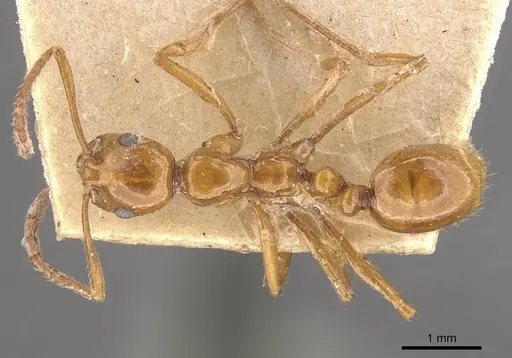
Literature
Loading...Loading products...