

Megalomyrmex goeldii
- Scientific Name
- Megalomyrmex goeldii
- Tribe
- Solenopsidini
- Subfamily
- Myrmicinae
- Author
- Forel, 1912
- Distribution
- Found in 1 countries
Megalomyrmex goeldii Overview
Megalomyrmex goeldii is an ant species of the genus Megalomyrmex. It is primarily documented in 1 countries , including Brazil. Detailed taxonomic data and occurrence records can be further explored via authoritative databases such as AntWeb or the Global Biodiversity Information Facility (GBIF).
Megalomyrmex goeldii
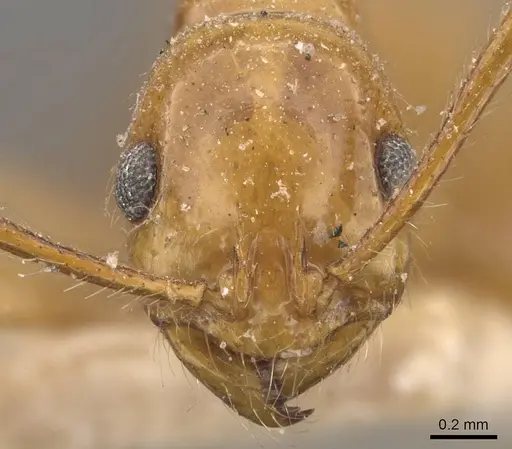
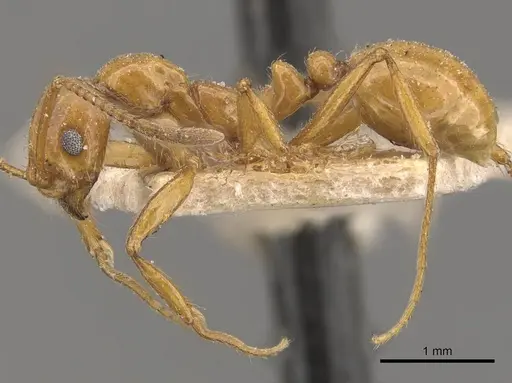
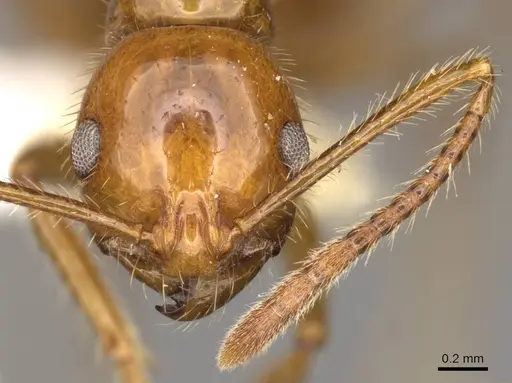
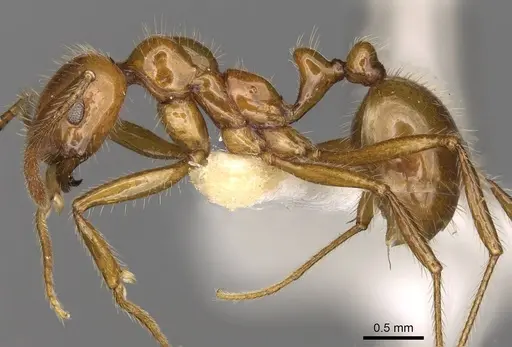
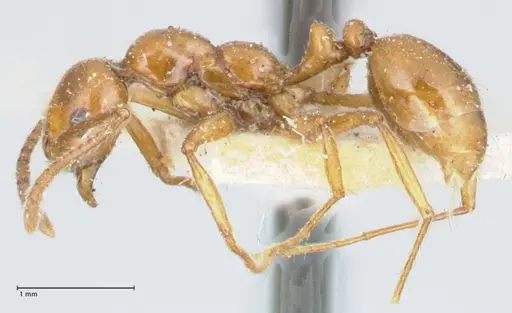
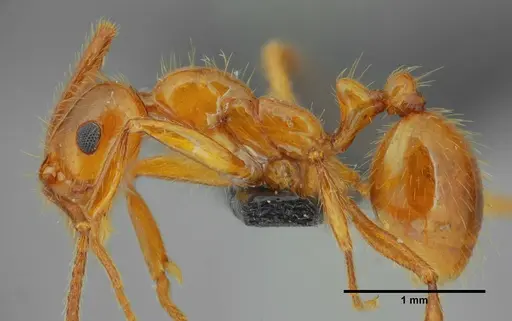
Megalomyrmex goeldii is a small Neotropical ant native to Brazil's Atlantic Forest. Workers are uniformly shiny yellow-brown with distinctive long hairs on the head, nodes, and gaster tip, measuring around 1.2mm in Weber's length. This species is notable for having two different types of queens in different populations, some colonies have normal winged queens while others have ergatoid (wingless) queens that are larger and darker than workers. Colonies typically contain 300-400 workers with 1-4 queens. They are habitat specialists found only in primary Atlantic Forest and are among the most common litter-inhabiting ants in their range [1][2].
Quick Summary
- Difficulty: Medium
- Origin & Habitat: Brazilian Atlantic Forest, found in primary forest habitats from sea level to 843m altitude in Rio de Janeiro, São Paulo, Minas Gerais, and Bahia states [1][3]. They nest under stones, in rotten logs, and leaf litter.
- Colony Type: Flexible colony structure, some populations have single queens while others have multiple dealated queens. Northern populations (Bahia) have ergatoid (wingless) queens, while southern populations have winged queens. Colonies are polydomous, meaning they nest in multiple connected locations in the leaf litter [1][4].
- Colony: Optionally polygyne
- Size & Growth:
- Queen: Larger than workers, exact measurements not documented, ergatoid queens are larger and darker than workers [1].
- Worker: Weber's length ~1.24mm, head width ~0.58mm [5].
- Colony: 300-400 workers per colony.
- Growth: Moderate
- Development: 6-10 weeks (estimated based on related Solenopsidini species) (Development time not directly studied, estimate based on genus patterns for tropical litter ants)
- Antkeeping:
- Temperature: Keep at 22-26°C, they are tropical ants from warm Atlantic Forest habitats. A gentle gradient allows them to self-regulate.
- Humidity: High humidity preferred, they live in leaf litter and rotting wood in humid forests. Keep substrate consistently moist but not waterlogged.
- Diapause: No, as a tropical species, they do not require hibernation. Activity may slow slightly during cooler months but no true diapause.
- Nesting: They naturally nest in leaf litter, under stones, and in rotting wood. In captivity, a naturalistic setup with moist substrate (soil mix with some rotting wood pieces) works well, or a Y-tong/plaster nest with small chambers scaled to their tiny size. They are polydomous so will use multiple small chambers if available.
- Behavior: These are relatively docile ants that are easily attracted to protein baits like sardine or honey. Workers forage individually in leaf litter and on rotting wood. They are not aggressive and rarely sting. Their small size means they can escape through tiny gaps, use fine mesh barriers. They form polydomous colonies which is unusual and means they may use multiple nest sites in captivity [4].
- Common Issues: escape prevention is critical due to their very small size, use tight-fitting lids and fine mesh, habitat specialist, they do poorly in disturbed habitats so wild-caught colonies may struggle in captivity, polydomous colonies need space for multiple nest chambers, may not survive in dry conditions, keep humidity high, slow to establish compared to more common ant species
Natural History and Distribution
Megalomyrmex goeldii is endemic to Brazil's Atlantic Forest, one of the most biodiverse ecosystems in the world. This species is a habitat specialist restricted to primary forest, research shows they occupy 9 regions in primary forest but are not found in secondary forest or rubber plantations [3]. They are most common in the states of Rio de Janeiro, São Paulo, and Minas Gerais, with populations extending into Bahia. The species is considered one of the most common litter-inhabiting ants in Atlantic Forest localities, recorded 14-20 times in various leaf litter surveys [1].
What makes M. goeldii particularly interesting is the variation in queen types across their range. Northern populations (Bahia) have ergatoid, wingless, queens that are larger and darker than workers, while southern populations have normal winged queens. This geographic variation suggests the species has adapted differently to dispersal needs in different parts of their range. Ergatoid reproduction limits dispersal ability, which may explain why populations are scattered [1].
Colony Structure and Social Organization
Megalomyrmex goeldii colonies contain 300-400 workers with 1-4 dealate (wingless) queens. They are one of the few ant species that form polydomous colonies, meaning the colony nests in multiple connected locations rather than a single nest site. This is unusual among ants and reflects their lifestyle in the complex leaf litter environment [4].
The species shows flexibility in colony structure, some colonies have single queens while others have multiple queens (facultatively polygyne). Southern queenright colonies may have several inseminated dealated gynes, meaning multiple reproductive females in the same colony [1]. This social polymorphism varies by population rather than individual colony choice.
Both ergatoid and winged queen castes have been recorded in separate populations of M. goeldii. Ergatoid queens retain only the anterior median ocellus (simple eye) and lack the lateral ocelli found in winged queens. They also have distinctive morphological features including a transverse impression on the mesonotum and rugulae on the thorax [1].
Feeding and Diet
In the wild, Megalomyrmex goeldii is attracted to protein baits. Research shows they readily visit sardine and honey baits in forest settings [1]. They are foragers in leaf litter and on rotting wood, where they likely hunt small invertebrates and collect honeydew from aphids or scale insects, typical diet for small Solenopsidini ants.
For captive care, offer protein sources like small mealworms, fruit flies, or other tiny insects. Sugar water or honey can be offered occasionally. Since they are small ants, prey items should be appropriately sized. Feed protein 2-3 times per week and keep sugar water available. Remove uneaten prey after 24 hours to prevent mold.
The venom of M. goeldii contains several alkaloids including trans-2-heptyl-5-hexylpyrrolidine, trans-2-butyl-5-pentylpyrrolidine, and trans-2-hexyl-5-pentylpyrrolidine. These compounds are likely used in defense and may help subdue prey [6].
Housing and Nesting
In nature, M. goeldii nests under stones, within rotten logs, and in leaf litter. They are also known to colonize twigs in the leaf litter, with one study finding a nest in a twig with 26.66mm diameter [7]. This suggests they adapt to various micro-habitats in the forest floor.
For captive housing, a naturalistic setup works best, a container with moist soil substrate and pieces of rotting wood or bark for them to nest in. Keep the substrate consistently moist but not waterlogged. A Y-tong (acrylic) nest with small chambers can also work, but ensure humidity is maintained.
Because they form polydomous colonies, providing multiple small nesting areas may help them feel secure. They are tiny ants, so any nest setup should have chambers and passages scaled appropriately, avoid large open spaces.
Escape prevention is critical. Their small size means they can squeeze through tiny gaps. Use fine mesh on any ventilation, ensure lids fit tightly, and consider barrier methods like fluon on container edges.
Temperature and Seasonal Care
As a tropical species from Brazil's Atlantic Forest, M. goeldii does not require hibernation or diapause. They are adapted to warm, humid conditions year-round. Keep their enclosure at 22-26°C, room temperature in most homes should fall within this range.
The Atlantic Forest regions where they live have relatively stable temperatures throughout the year, so avoid temperature extremes. A heating cable on one side of the nest can create a gentle gradient if your room runs cool, but ensure they can move away from heat if needed.
Humidity is more critical than temperature for this species. Their natural habitat in leaf litter and rotting wood is consistently humid. Mist the enclosure regularly or use a water reservoir in your nest setup to maintain moisture. The substrate should feel damp but not have standing water. [1]
Behavior and Temperament
Megalomyrmex goeldii workers are relatively docile and not particularly aggressive. They are foragers rather than defenders, spending their time hunting small prey in leaf litter and tending to queens. They rarely sting and pose no danger to keepers.
Their small size and docile nature make them interesting observation ants, though they are not as active or visible as larger species. Workers forage individually rather than in raiding parties, so you may not see dramatic mass foraging events.
The species is easily attracted to baits, which makes them relatively easy to feed, they will readily take protein baits. However, this also means they may be outcompeted by more aggressive ant species if housed in multi-species setups.
One unique behavioral note: they form polydomous colonies, meaning the colony spreads across multiple nest sites connected by trails. In captivity, this may manifest as workers exploring widely and establishing secondary nest chambers away from the main colony. [1][4]
Frequently Asked Questions
Is Megalomyrmex goeldii a good beginner ant?
Megalomyrmex goeldii is of moderate difficulty and may not be ideal for complete beginners. They are habitat specialists that can be sensitive to environmental changes, and their small size requires careful escape prevention. They are also less commonly kept than many other ant species, so less care information is available. However, they are docile and do not require special diets or hibernation.
How long does it take for Megalomyrmex goeldii to produce first workers?
Exact development time is not documented, but based on related Solenopsidini species, expect 6-10 weeks from egg to worker at optimal temperature (24-26°C). Tropical ants typically develop faster than temperate species.
Can I keep multiple Megalomyrmex goeldii queens together?
Yes, this species naturally forms polygyne (multiple queen) colonies, some colonies have been found with 1-4 dealate queens. However, when combining unrelated foundresses in captivity, introduce them carefully and monitor for aggression. The species is facultatively polygyne, meaning both single-queen and multi-queen colonies occur naturally.
What do Megalomyrmex goeldii eat?
They are attracted to protein baits like sardine and honey in the wild. In captivity, feed small insects like fruit flies, pinhead crickets, or mealworms. Sugar water or honey can be offered occasionally. Feed protein 2-3 times per week and keep sugar water available.
Do Megalomyrmex goeldii need hibernation?
No, they are tropical ants from Brazil's Atlantic Forest and do not require hibernation. They are active year-round in their native habitat. Keep them at stable warm temperatures (22-26°C) without seasonal cooling.
Why are my Megalomyrmex goeldii dying?
Common issues include: too dry conditions (they need high humidity), escape due to small size (use fine mesh), stress from wild-caught colonies (habitat specialists may struggle in captivity), and insufficient protein in diet. Ensure humidity is high, escape prevention is excellent, and offer varied protein foods.
What size colony does Megalomyrmex goeldii reach?
Colonies reach 300-400 workers in the wild. This is a moderately sized colony for a small ant species. Growth rate is moderate, expect several months to reach 100 workers and over a year to reach full colony size.
What's the difference between ergatoid and winged queens in Megalomyrmex goeldii?
Ergaoid queens are wingless females that develop from workers, they are larger and darker than workers, retain only a simple eye (anterior median ocellus), and are found in northern populations (Bahia). Winged queens are normal reproductive females with wings, found in southern populations. Both types can reproduce, the difference is geographic, not within the same colony.
References

This caresheet is licensed under CC BY-SA 4.0 .
CASENT0908785
View on AntWeb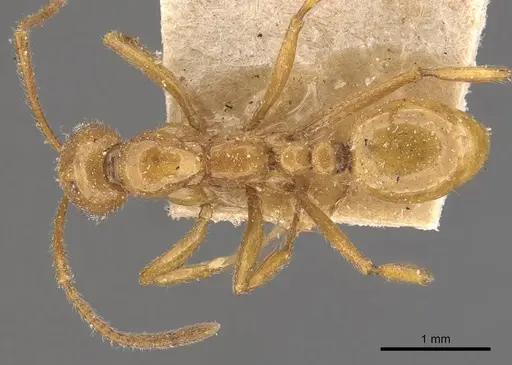
CASENT0914058
View on AntWeb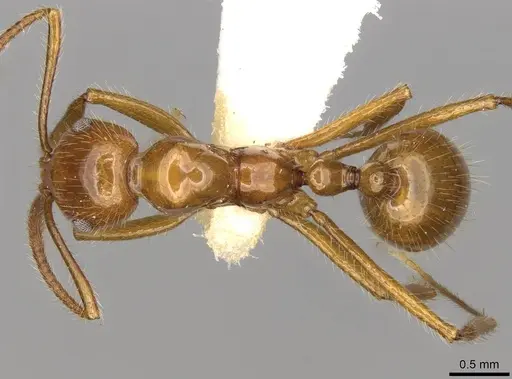
FOCOL1759
View on AntWeb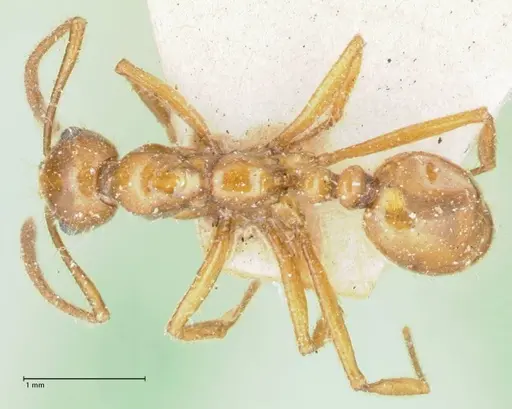
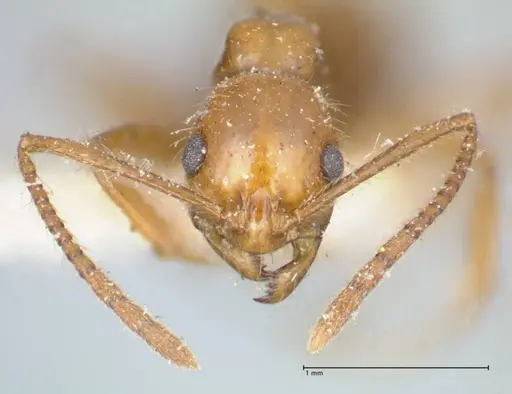
UFV-LABECOL-000330
View on AntWeb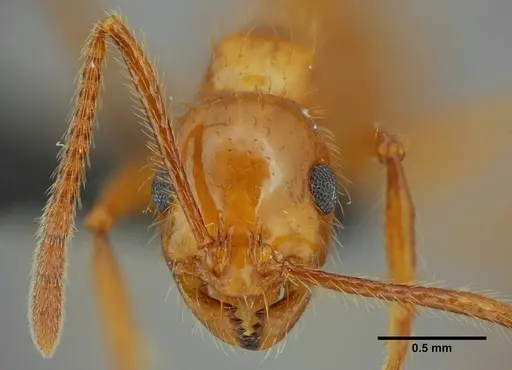
Literature
Loading...Loading products...