

Megalomyrmex cyendyra
- Scientific Name
- Megalomyrmex cyendyra
- Tribe
- Solenopsidini
- Subfamily
- Myrmicinae
- Author
- Brandão, 1990
- Distribution
- Found in 1 countries
Megalomyrmex cyendyra Overview
Megalomyrmex cyendyra is an ant species of the genus Megalomyrmex. It is primarily documented in 1 countries , including Colombia. Detailed taxonomic data and occurrence records can be further explored via authoritative databases such as AntWeb or the Global Biodiversity Information Facility (GBIF).
Megalomyrmex cyendyra
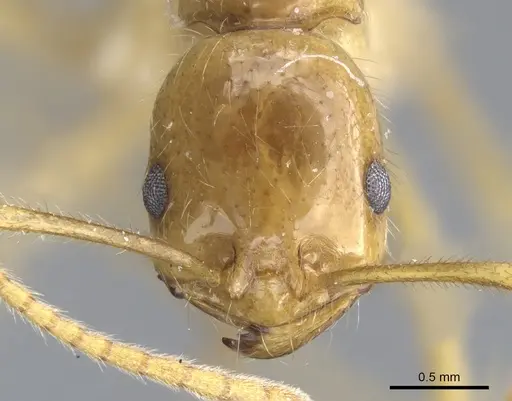
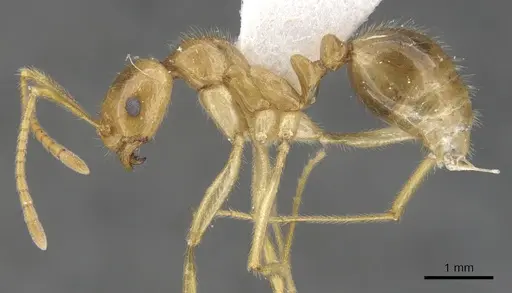
Megalomyrmex cyendyra is a small, slender ant belonging to the leoninus species group. Workers have distinctive features including a 4-5 segmented antennal club and a continuous promesonotal profile (the back of their middle body section forms one smooth curve without a dip). They measure around 3-4mm and have faintly striate mandibles. This species is native to the mountain forests of Colombia and Ecuador, where it lives at elevations between 1300-1850m in the Andes [1][2].
What makes M. cyendyra particularly interesting is its chemical weaponry. Like other Megalomyrmex species, these ants produce venom containing pyrrolidine alkaloids, specifically trans-2-butyl-5-heptylpyrrolidine and trans-2-heptyl-5-hexylpyrrolidine. They use this venom for hunting prey, competing with other ants for food, and defending their colonies and the honeydew-producing insects they tend [3][4]. The species name 'cyendyra' means 'mother-sister' in the Tupi language, referring to the gamergate (reproductive worker) found with the type specimen.
Quick Summary
- Difficulty: Medium
- Origin & Habitat: Mountain forests of Colombia (Valle del Cauca, Nariño) and Ecuador (Imbabura) at elevations of 1300-1850m. They nest in logs and shallow soil nests, foraging in leaf litter [1][2][3].
- Colony Type: Likely monogyne with gamergate reproduction, a reproductive worker was documented with the type series (the species name itself references this 'mother-sister' finding). Further research needed to confirm colony structure.
- Special: Gamergates
- Size & Growth:
- Queen: Estimated 5-6mm, not directly measured in available literature
- Worker: Approximately 3-4mm based on genus patterns
- Colony: Unknown, no colony size data available in research
- Growth: Moderate, estimated based on related species in Solenopsidini
- Development: Estimated 6-8 weeks at optimal temperature based on genus patterns [1] (Development timeline not directly studied for this species. Estimates based on typical Solenopsidini patterns.)
- Antkeeping:
- Temperature: Keep at 20-24°C. Based on their mountain forest habitat at 1300-1850m elevation, they prefer cooler conditions than tropical lowland ants. A gentle gradient is recommended.
- Humidity: Moderate to high, mountain forest habitat suggests they prefer damp conditions. Keep nest substrate consistently moist but not waterlogged.
- Diapause: Likely yes, given their high-elevation origin, they probably experience cooler temperatures seasonally. Further research needed on specific diapause requirements.
- Nesting: They naturally nest in logs and shallow soil. In captivity, a naturalistic setup with moist substrate or a Y-tong/plaster nest works well. They forage in leaf litter, so provide a foraging area with some cover.
- Behavior: Megalomyrmex cyendyra is aggressively territorial and will defend honeydew-producing insects (like aphids and scale insects) from competitors. They use their alkaloid venom to subdue prey and deter rival ants. Workers forage actively in leaf litter and are skilled hunters. Their small size means escape prevention is important, they can slip through small gaps. They are not known to be particularly docile and will readily use their venomous sting when threatened.
- Common Issues: escape prevention is critical due to their small size, use fine mesh and tight-fitting lids, limited research means care requirements are partly estimated from genus patterns, venom can cause irritation, handle with care and avoid skin contact, slow colony growth may lead to impatience and overfeeding problems, mountain forest origin means they may not tolerate prolonged high temperatures
Natural History and Distribution
Megalomyrmex cyendyra is found in the mountain forests of the Colombian Andes, primarily in the Valle del Cauca and Nariño provinces, with a recently discovered population in Imbabura province, Ecuador, the first record outside Colombia [2]. They inhabit elevations ranging from 1300m near Queremal to 1850m in the La Planada Reserve [1]. These ants live in logs and construct shallow nests in soil, foraging actively through the leaf litter layer where they hunt small invertebrates and tend honeydew-producing insects [3]. The type specimens were collected from 'mountain rain forest' and 'mountain forest' habitats in the Farallones de Cali region.
Venom and Chemical Defense
One of the most distinctive features of M. cyendyra is its chemical weaponry. Workers produce venom containing specific pyrrolidine alkaloids: trans-2-butyl-5-heptylpyrrolidine (the major component at 20:1 ratio) and trans-2-heptyl-5-hexylpyrrolidine, along with trace amounts of related compounds [4]. This venom serves multiple purposes: killing prey, competing with other ant species for food resources, and defending their colonies and symbiotic insects they protect. The venom chemistry resembles that of M. goeldii, placing it within the broader chemical defense patterns seen in this genus [4]. For antkeepers, this means these ants are capable of delivering a irritating sting, handle with care and avoid allowing them to crawl on bare skin.
Reproduction and Colony Structure
The species name 'cyendyra' (meaning 'mother-sister' in Tupi) directly references an important discovery: a gamergate was found with the type series. A gamergate is a worker that has become reproductive and can lay eggs, essentially functioning as a replacement queen if the primary queen dies or is absent [5]. This suggests the species may have flexible reproductive systems where workers can take over queen duties if needed. However, more research is needed to confirm whether colonies are typically founded by a single queen (monogyne) or if multiple queens can establish colonies together. The exact colony size and growth patterns in the wild remain undocumented.
Housing and Nesting
In their natural habitat, M. cyendyra nests in rotting logs and shallow soil chambers, with foragers actively hunting through leaf litter [3]. For captive care, a naturalistic setup works well, a container with moist soil or plaster nesting media connected to a foraging area. The nest should remain consistently humid but not waterlogged. Since they come from cooler mountain forests, avoid overheating, room temperature or slightly below (20-24°C) is ideal. Provide leaf litter or small hiding structures in the foraging area to simulate their natural leaf litter environment. A water test tube should be available for drinking.
Feeding and Diet
Megalomyrmex cyendyra is a predatory species that actively hunts small invertebrates in nature. They use their alkaloid venom to subdue prey and will aggressively defend honeydew-producing insects like aphids from competitors [3]. In captivity, offer small live prey such as fruit flies, pinhead crickets, or small mealworms. They will likely accept protein-rich foods readily. Sugar sources may also be accepted since they tend honeydew-producing insects in the wild, you can offer occasional sugar water or honey, but protein should form the primary diet. Feed every 2-3 days and remove uneaten prey to prevent mold.
Temperature and Seasonal Care
Given their origin in high-elevation Andean mountain forests (1300-1850m), M. cyendyra prefers cooler temperatures than typical tropical ants. Keep the nest at 20-24°C, avoiding prolonged exposure to temperatures above 26°C. A heating cable on one side of the nest can create a gentle gradient, allowing workers to choose their preferred temperature. Based on their mountain habitat, they likely experience seasonal temperature changes and may benefit from a cooler winter period (around 15-18°C for a few months), though this requires further confirmation. Monitor colony behavior, if workers become sluggish, the temperature may be too low, if they avoid the heated areas, it may be too warm. [1][2]
Frequently Asked Questions
How long does it take for Megalomyrmex cyendyra to produce first workers?
The exact egg-to-worker timeline has not been directly studied for this species. Based on typical patterns for related species in the Solenopsidini tribe, expect approximately 6-8 weeks from egg to worker at optimal temperature (around 22°C). Patience is key, colony growth is typically moderate.
What do Megalomyrmex cyendyra eat?
They are predators that hunt small invertebrates in the wild. In captivity, feed small live prey such as fruit flies, pinhead crickets, or small mealworms. They may also accept sugar water or honey since they tend honeydew-producing insects in nature, but protein should form the bulk of their diet.
Are Megalomyrmex cyendyra good for beginners?
This species is rated as Medium difficulty. While not the most challenging, the limited species-specific research means care requirements are partly estimated from genus patterns. They require escape prevention due to their small size and prefer cooler temperatures. Beginners should be prepared for potentially slower colony growth.
What temperature do Megalomyrmex cyendyra need?
Keep them at 20-24°C. Their mountain forest origin (1300-1850m elevation) indicates they prefer cooler conditions than typical tropical ants. Avoid temperatures above 26°C. A gentle temperature gradient allows workers to self-regulate.
Can I keep multiple queens together?
The colony structure of this species is not fully documented. The species name references a gamergate (reproductive worker), suggesting flexible reproduction. However, combining unrelated foundresses has not been studied. It is not recommended to house multiple unrelated queens together without further information.
Do Megalomyrmex cyendyra need hibernation?
Likely yes, given their high-elevation origin. Based on their mountain forest habitat, they probably experience seasonal temperature drops. A cooler winter period at 15-18°C for 2-3 months may be beneficial, though this requires further confirmation for this specific species.
What size colony do Megalomyrmex cyendyra reach?
Colony size data is not available in the scientific literature. Based on related species in the genus, colonies likely reach several hundred workers at maturity. Growth rate is considered moderate.
Why are my Megalomyrmex cyendyra dying?
Common causes include: temperatures too high (above 26°C), escape through small gaps due to their tiny size, mold from over-wetting the nest, or stress from too much handling. Ensure proper escape prevention, maintain appropriate temperature and humidity, and avoid overfeeding.
When should I move them to a formicarium?
Wait until the colony has at least 20-30 workers before moving to a formicarium. They can be started in a test tube setup with a water reservoir. A naturalistic setup with moist substrate works well since they naturally nest in logs and soil. Ensure the formicarium maintains appropriate humidity and provides a temperature gradient.
References

This caresheet is licensed under CC BY-SA 4.0 .
CASENT0902329
View on AntWeb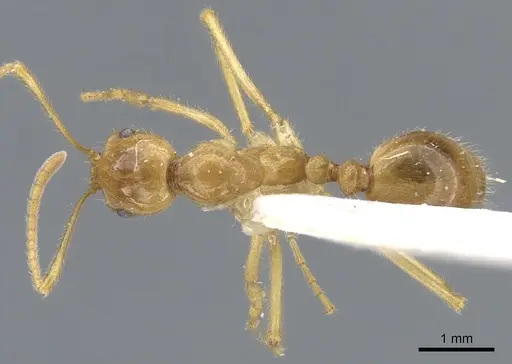
Literature
Loading...Loading products...