

Megalomyrmex brandaoi
- Scientific Name
- Megalomyrmex brandaoi
- Tribe
- Solenopsidini
- Subfamily
- Myrmicinae
- Author
- Boudinot <i>et al.</i>, 2013
- Distribution
- Found in 1 countries
Megalomyrmex brandaoi Overview
Megalomyrmex brandaoi is an ant species of the genus Megalomyrmex. It is primarily documented in 1 countries , including Costa Rica. Detailed taxonomic data and occurrence records can be further explored via authoritative databases such as AntWeb or the Global Biodiversity Information Facility (GBIF).
Megalomyrmex brandaoi
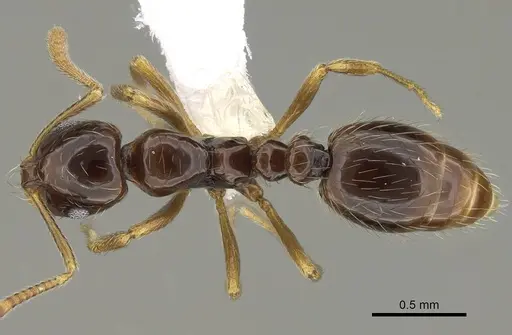
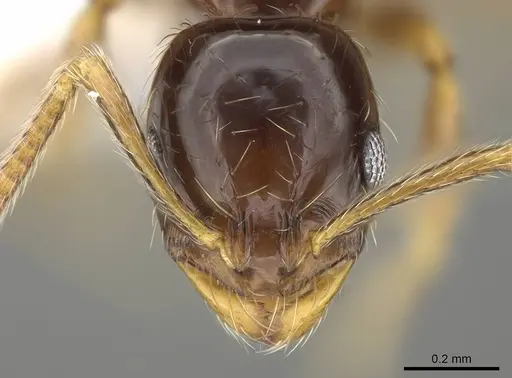
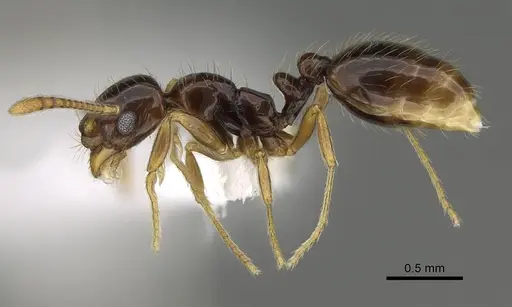
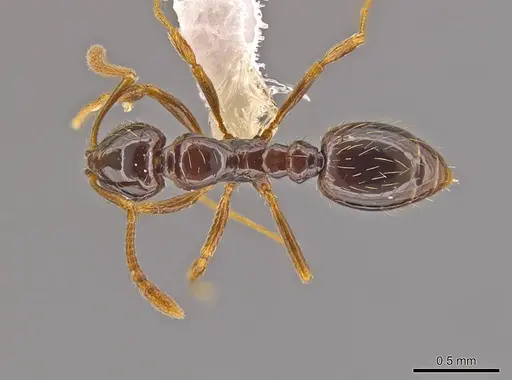
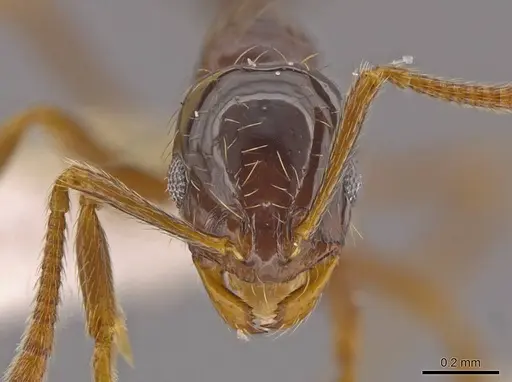
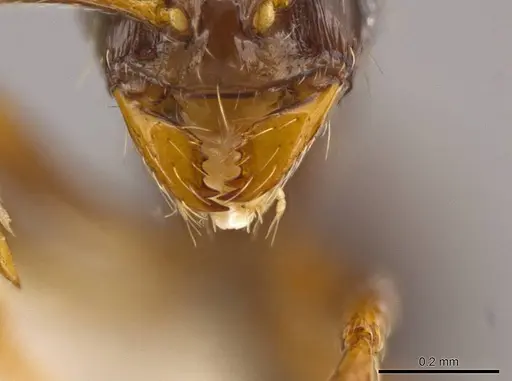
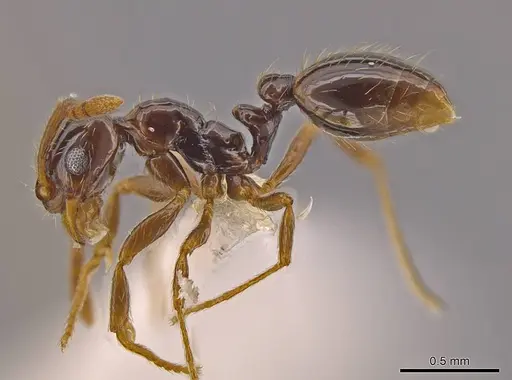
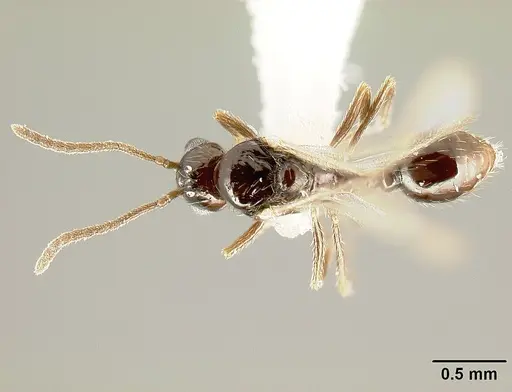
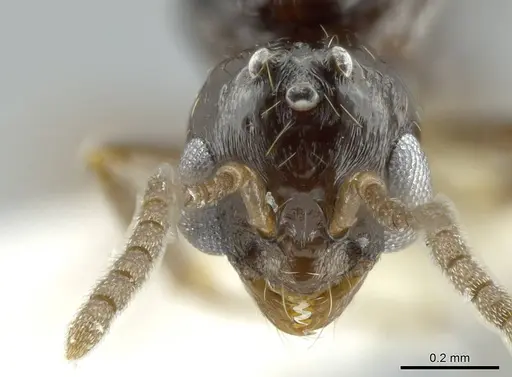
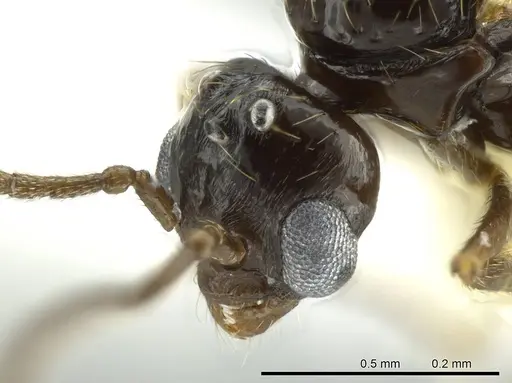
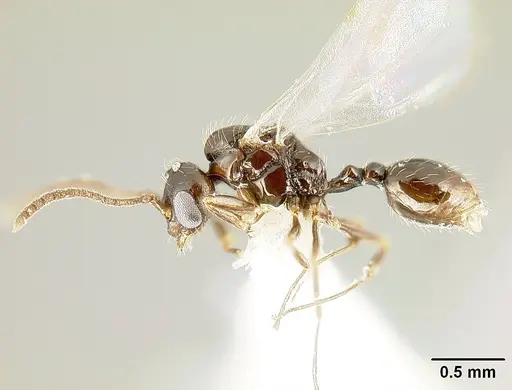
Megalomyrmex brandaoi is a tiny, strikingly hairy ant native to the wet forests of Costa Rica and Ecuador. Workers measure just 0.49-0.54mm, making them among the smaller ants in the hobby. They have a burnt caramel brown body with distinctive deep honey yellow mandibles, antennae, and legs. The species is uniquely identified by its coarse setae, smooth katepisternum, and very few gastric setae (0-4 on the first abdominal segment). Queens are slightly larger at 0.59mm and were described alongside workers in the original species description. This species belongs to the pusillus group and was only described in 2013,making it a relatively newly discovered species in the antkeeping hobby [1][2].
Quick Summary
- Difficulty: Medium
- Origin & Habitat: Costa Rica and Ecuador, from sea-level to 500m elevation. Found in wet forest leaf litter, nesting in dead sticks within the forest floor debris [1][2].
- Colony Type: Colony structure is unconfirmed. Based on typical Megalomyrmex and Solenopsidini patterns, likely single-queen (monogyne) colonies, but this has not been directly documented.
- Size & Growth:
- Queen: 0.59mm [1], estimated from single specimen
- Worker: 0.49-0.54mm [1]
- Colony: Unknown, no colony size data exists for this species. Based on related tiny Megalomyrmex species, likely under 100 workers.
- Growth: Unknown, no development data exists for this species
- Development: Unconfirmed, no direct development data exists. Based on typical Solenopsidini patterns at tropical temperatures, estimate 4-8 weeks from egg to first worker at 24-28°C. (This is an estimated timeline based on genus patterns, not direct observation of this species.)
- Antkeeping:
- Temperature: Keep at 24-28°C. This range reflects their native lowland tropical forest habitat in Costa Rica. A gentle gradient allows workers to self-regulate. Room temperature in most homes may be adequate if within this range.
- Humidity: High humidity required, similar to their wet forest leaf litter habitat. Keep the nest substrate consistently moist but not waterlogged. Provide a water tube for drinking access.
- Diapause: No, as a tropical species from low elevation Costa Rica, they do not require hibernation or winter dormancy.
- Nesting: In the wild, they nest in dead sticks within leaf litter. In captivity, a naturalistic setup with moist substrate (coco fiber, soil mix) works well. Y-tong or acrylic nests with tight chambers scaled to their tiny size are suitable. Avoid large, open spaces.
- Behavior: These ants are tiny and very active foragers in the leaf litter layer. They likely forage for small prey and honeydew. Their small size makes them excellent escape artists, use fine mesh barriers and tight-fitting lids. Temperament is not well-documented but Megalomyrmex species are generally not aggressive toward humans. They possess a stinger but it is too small to penetrate human skin effectively.
- Common Issues: escape prevention is critical due to their very small size, they can squeeze through standard mesh, wild-caught colonies may have parasites that are difficult to treat in captivity, slow colony growth can lead to keeper impatience and overfeeding, causing mold issues, high humidity requirements can lead to mold if ventilation is inadequate, lack of available care information means you are essentially pioneering husbandry for this species
Nest Preferences and Housing
In their natural habitat, Megalomyrmex brandaoi nests in dead sticks within the leaf litter layer of wet tropical forests. This means they prefer tight, enclosed spaces that mimic the humid microclimate of decomposing wood on the forest floor. For captive care, a naturalistic setup works best, a mix of coco fiber and soil that stays consistently moist but never waterlogged. Y-tong (AAC) nests or acrylic nests with small, tight chambers scaled to their tiny 0.5mm worker size are ideal. Avoid large open spaces in the outworld as these tiny ants can feel exposed and may not forage effectively. Provide plenty of hiding structures and cover in the foraging area. [1]
Feeding and Diet
Megalomyrmex species are generalist foragers that likely consume small insects, honeydew, and nectar in the wild. For captive colonies, offer small protein sources like fruit flies, pinhead crickets, and small mealworms. Sugar water or honey can be offered as an energy source, though acceptance may vary. Because of their tiny size, prey items should be appropriately sized, very small insects or pre-killed portions. Feed every 2-3 days and remove uneaten food to prevent mold in the humid environment they require.
Temperature and Environmental Control
As a tropical species from lowland Costa Rica (sea-level to 500m), Megalomyrmex brandaoi requires warm, stable temperatures. Aim for 24-28°C, which matches their native wet forest habitat. This is warmer than typical room temperature in many homes, so you may need a heating cable or mat on one side of the nest to maintain these temperatures. Create a gentle thermal gradient so workers can regulate their own temperature by moving between warmer and cooler areas. Place the heating element on top of the nest, not underneath, to avoid evaporating moisture too quickly. No hibernation or diapause is required for this tropical species. [1]
Humidity Management
High humidity is essential for this species, reflecting their native leaf litter environment in wet tropical forests. Keep the nest substrate consistently moist, it should feel damp to the touch but not have standing water. A water tube connected to the nest helps maintain humidity through evaporation and provides drinking water. However, balance humidity with adequate ventilation to prevent mold growth, which can quickly kill a small colony. If you see excessive condensation or mold, improve ventilation while maintaining moisture in the substrate. [1]
Colony Establishment and Growth
This species was only described in 2013,making it one of the newer species in the antkeeping hobby. Colony establishment details are not documented in scientific literature. Based on typical Solenopsidini patterns, founding queens likely seal themselves in a chamber and raise the first workers alone on stored fat reserves (claustral founding), but this is an inference, not a confirmed fact. Growth rate is unknown, expect slow colony development typical of tiny ants with small colony sizes. Patience is essential. Do not overfeed founding colonies as excess food mold in the humid conditions can kill the queen. [1]
Behavior and Temperament
Megalomyrmex brandaoi is a tiny, active forager that works the leaf litter layer in search of small prey and honeydew. Their small size and cryptic lifestyle mean they are not commonly observed engaging in dramatic behaviors. They are not considered aggressive toward keepers and possess a stinger that is too small to effectively penetrate human skin. The most critical behavioral consideration is their escape risk, at just 0.5mm, they can squeeze through gaps that seem impossible. Use fine mesh (at least 0.5mm or smaller), tight-fitting lids, and barrier coatings like fluon on any edges they might climb. [1]
Frequently Asked Questions
How long does it take for Megalomyrmex brandaoi to produce first workers?
The egg-to-worker timeline is unconfirmed for this species. Based on typical Solenopsidini development at tropical temperatures (24-28°C), estimate 4-8 weeks from egg to first worker. This is an educated guess, not a documented fact.
What temperature do Megalomyrmex brandaoi ants need?
Keep them at 24-28°C to match their native Costa Rican wet forest habitat. A heating cable on one side of the nest can help maintain these temperatures if your room is cooler.
How big do Megalomyrmex brandaoi colonies get?
Colony size is unknown, no data exists for this species. Based on related tiny Megalomyrmex species, expect colonies of likely under 100 workers.
Can I keep Megalomyrmex brandaoi in a test tube?
Test tubes can work for founding colonies, but their tiny size and preference for tight spaces in dead sticks means a naturalistic setup with small chambers may be better long-term. Ensure the cotton is packed tightly to prevent escapes.
What do Megalomyrmex brandaoi eat?
Based on typical Megalomyrmex diet, they likely accept small insects (fruit flies, pinhead crickets), honey, and sugar water. Offer small, appropriately-sized prey items.
Do Megalomyrmex brandaoi need hibernation?
No, as a tropical species from lowland Costa Rica, they do not require hibernation or winter dormancy. Keep them warm year-round.
Are Megalomyrmex brandaoi good for beginners?
This is a challenging species for beginners. They are tiny (requiring excellent escape prevention), need high humidity, require warm temperatures, and have no established care guidelines in the antkeeping hobby. They are best suited for experienced keepers who want to pioneer care for a newly described species.
Why are my Megalomyrmex brandaoi escaping?
Their tiny 0.5mm size makes them excellent escape artists. Use fine mesh (0.5mm or smaller), ensure all lids fit tightly, and apply barrier coatings like fluon to any surfaces they might climb. Check all connections and seams in your formicarium.
Where is Megalomyrmex brandaoi found in the wild?
They are found in Costa Rica and Ecuador, from sea-level to 500m elevation, in wet forest leaf litter. The type locality is in Heredia, Costa Rica.
Is Megalomyrmex brandaoi a monogyne or polygyne species?
This is unconfirmed. Based on typical Megalomyrmex and Solenopsidini patterns, they are likely single-queen (monogyne) colonies, but no research has documented their colony structure.
What makes Megalomyrmex brandaoi different from other ants?
They are strikingly hairy (setose) with a unique combination of characters including coarse setae, smooth katepisternum, and very few gastric setae (0-4). They were only described in 2013,making them one of the newer species available in the hobby.
References

This caresheet is licensed under CC BY-SA 4.0 .
Literature
Loading...Loading products...