

Megalomyrmex acauna
- Scientific Name
- Megalomyrmex acauna
- Tribe
- Solenopsidini
- Subfamily
- Myrmicinae
- Author
- Brandão, 1990
- Distribution
- Found in 1 countries
Megalomyrmex acauna Overview
Megalomyrmex acauna is an ant species of the genus Megalomyrmex. It is primarily documented in 1 countries , including Brazil. Detailed taxonomic data and occurrence records can be further explored via authoritative databases such as AntWeb or the Global Biodiversity Information Facility (GBIF).
Megalomyrmex acauna
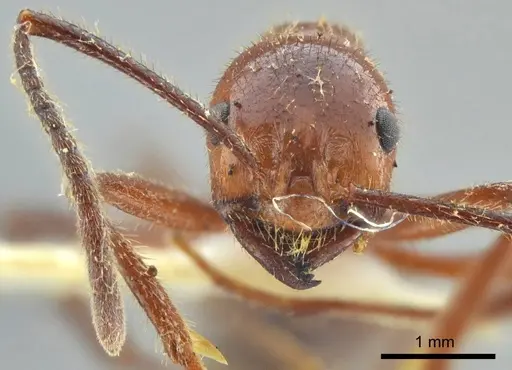
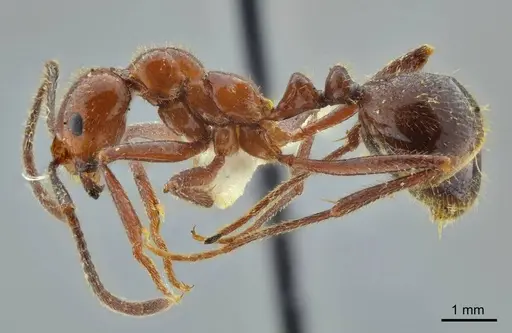
Megalomyrmex acauna is a small to medium-sized ant belonging to the leoninus species group, native to the Neotropical region of South America. Workers have smooth mandibles, a three-segmented antenna club, and distinctive black scapes (the base segments of the antennae) that give the species its name, 'acauna' means 'black horns' in the Tupi language [1]. This species is remarkable because it is the only member of the otherwise entirely Amazonian leoninus group found in the Brazilian cerrado biome (tropical savanna), with documented populations in Brazil and Peru [2][3]. Colonies live in fairly large groups that occupy spaces among stones, typically along gallery forests (forest corridors along waterways) [2][1].
Quick Summary
- Difficulty: Expert
- Origin & Habitat: Native to Brazil and Peru, specifically the cerrado biome of central-western Brazil (Mato Grosso, Goiás) and Madre de Dios in Peru [2][1][3]. Found in gallery forests where colonies nest among stones.
- Colony Type: Colony structure is unconfirmed. Wild colonies are fairly large and found among stones [2]. No data on queen number or colony social structure is available.
- Size & Growth:
- Queen: Unknown, no queen measurements documented in scientific literature
- Worker: Unknown, worker measurements not provided in type descriptions
- Colony: Fairly large colonies in the wild [2][1]. No precise numbers available.
- Growth: Unknown, all attempts to rear this species in laboratory conditions have failed [2][1].
- Development: Unconfirmed, no captive breeding has been documented [2][1]. (Development timeline is completely unknown. This is one of the least studied Megalomyrmex species in captivity.)
- Antkeeping:
- Temperature: Likely prefers warm conditions typical of tropical/subtropical ants. Based on cerrado habitat (central Brazil, around 14-16°S latitude), expect comfortable range of 24-28°C. Start in this range and observe colony activity. No direct thermal studies exist for this species.
- Humidity: Likely requires moderate to high humidity given the gallery forest association. Keep nest substrate moderately moist but not waterlogged. Provide a humidity gradient so ants can choose their preferred zone.
- Diapause: Unknown, no documented diapause or seasonal behavior studies. The cerrado has distinct wet (October-March) and dry (April-September) seasons, so some seasonal slowdown is possible but unconfirmed.
- Nesting: In the wild, colonies occupy spaces among stones [2][1]. For captivity, a naturalistic setup with flat stones or a Y-tong/plaster nest with narrow chambers would best mimic their natural environment. Avoid overly dry conditions.
- Behavior: Behavior is poorly documented. Related species in the genus are known for their predatory habits and relatively calm temperament. Based on the leoninus group typical behavior, they are likely moderate foragers with some predatory tendency. Escape prevention should be standard, their exact size is unknown but Megalomyrmex workers are typically 3-6mm, so standard barriers should suffice.
- Common Issues: All captive rearing attempts have failed, this species has never been successfully maintained in laboratory conditions [2][1], Almost no species-specific care information exists, keepers will be essentially pioneering captive husbandry, Colony size and development rate are unknown, making it difficult to plan appropriate housing, Wild-caught colonies may be stressed from collection and difficult to establish, Temperature and humidity requirements are inferred, not confirmed
Why This Species Is Challenging
Megalomyrmex acauna represents one of the most challenging ants to keep in captivity simply because virtually no captive husbandry information exists. Every scientific attempt to rear this species in laboratory conditions has failed [2][1]. This doesn't mean it's impossible to keep, it means you'll be essentially pioneering captive care for this species with almost no established guidelines to follow. The species is only known from a handful of field collections in Brazil and Peru, and most antkeepers have never worked with it. If you do acquire this species, expect a steep learning curve and be prepared to experiment with conditions.
Natural History and Habitat
This species occupies a unique ecological niche within its group. The leoninus species group is otherwise entirely Amazonian, but M. acauna is the only member found in the cerrado biome, the vast tropical savanna of central South America [2][1]. It has been recorded from multiple locations in Mato Grosso and Goiás states in Brazil, as well as Madre de Dios in Peru [3]. Colonies are found along gallery forests, the strips of forest that grow along rivers and streams in the savanna landscape. They nest in spaces among stones, similar to their close relative M. balzani [2][1]. The cerrado experiences a strong seasonal climate with a wet summer (October-March) and dry winter (April-September), which may influence colony activity patterns.
Inferred Care Requirements
Since direct captive data doesn't exist, care requirements must be inferred from the species' natural habitat and what we know about related Megalomyrmex species. The cerrado biome is warm, with typical temperatures in the mid-to-high 20s°C during the active season. Keep the nest around 24-28°C as a starting point. Humidity should be moderate, the gallery forest environment suggests they experience more moisture than the open savanna but not the constant humidity of true rainforest. A naturalistic setup with stones or a plaster/Y-tong nest with some moisture retention would be appropriate. Feed similarly to other small Myrmicinae, protein sources like small insects and occasional sugar water. However, these are educated guesses rather than confirmed requirements.
Related Species for Comparison
The closest known relative is Megalomyrmex balzani, which has similar nesting habits, both species live in spaces among stones in forest edges [2]. Other Megalomyrmex species in the leoninus group are Amazonian forest dwellers. If any captive husbandry information exists for related species, it would provide the best starting point for M. acauna care. However, Megalomyrmex as a genus remains poorly studied in captivity across the board. If you're determined to keep this species, studying care guides for related Megalomyrmex species and general Myrmicinae husbandry would be more helpful than waiting for species-specific information that may never materialize.
Legal and Ethical Considerations
Megalomyrmex acauna is not documented as invasive anywhere. However, you should never release this species outside its native range (Brazil and Peru). The species is protected within its natural range and collecting may require permits depending on local regulations. If you obtain a colony, it should remain in captivity permanently. Given the extreme difficulty of keeping this species (all lab attempts failed), only experienced antkeepers with excellent record-keeping should attempt to work with it. Every bit of captive data you gather would be scientifically valuable.
Frequently Asked Questions
Can I keep Megalomyrmex acauna in captivity?
It is possible but extremely challenging. Every scientific attempt to rear this species in laboratory conditions has failed, meaning no established captive protocol exists. You'll essentially be pioneering husbandry for this species. Only experienced antkeepers should attempt this.
What do Megalomyrmex acauna ants eat?
Diet is unconfirmed for this specific species. Based on related Megalomyrmex behavior, they likely accept small insects and may also use sugar sources. Start with small protein sources (fruit flies, small mealworms) and sugar water, then observe what they accept.
How big do Megalomyrmex acauna colonies get?
Wild colonies are described as 'fairly large' but exact numbers are not documented. Based on related species, they likely reach several hundred workers. Colony size in captivity is completely unknown since no successful captive breeding has been achieved.
What temperature do Megalomyrmex acauna ants need?
Temperature requirements are not directly studied. Based on their cerrado habitat in central Brazil (around 14-16°S latitude), a warm range of 24-28°C is a reasonable starting point. Monitor colony activity and adjust accordingly.
Do Megalomyrmex acauna ants need hibernation?
Diapause requirements are completely unknown. The cerrado has distinct wet and dry seasons, so some seasonal variation in activity is possible, but this has not been documented. Do not assume hibernation is required without evidence.
Are Megalomyrmex acauna ants good for beginners?
No. This species is absolutely not recommended for beginners. There is no established captive care protocol, all laboratory attempts to rear them have failed, and you will be experimenting with conditions that may or may not work. This is an expert-level project.
What is the best nest type for Megalomyrmex acauna?
A naturalistic setup with flat stones best mimics their natural habitat (nesting among stones in gallery forests). A Y-tong or plaster nest with narrow chambers could also work. Avoid overly dry conditions. No captive data exists to confirm what works best.
How long does it take for Megalomyrmex acauna to develop from egg to worker?
This is completely unknown. No captive breeding has ever been documented for this species. The development timeline is one of many aspects of their biology that remains unstudied.
Can I keep multiple Megalomyrmex acauna queens together?
This is completely unknown. No data exists on colony structure or queen number for this species. Without established captive protocols, combining queens would be extremely risky and is not recommended.
References

This caresheet is licensed under CC BY-SA 4.0 .
ANTWEB1014008
View on AntWeb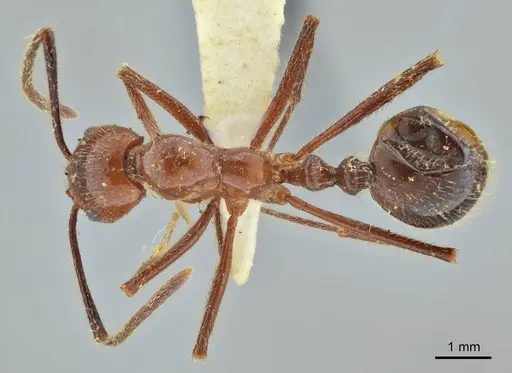
Literature
Loading...Loading products...