

Mayriella overbecki
- Scientific Name
- Mayriella overbecki
- Tribe
- Crematogastrini
- Subfamily
- Myrmicinae
- Author
- Viehmeyer, 1925
- Distribution
- Found in 1 countries
Mayriella overbecki Overview
Mayriella overbecki is an ant species of the genus Mayriella. It is primarily documented in 1 countries , including Australia. Detailed taxonomic data and occurrence records can be further explored via authoritative databases such as AntWeb or the Global Biodiversity Information Facility (GBIF).
Mayriella overbecki
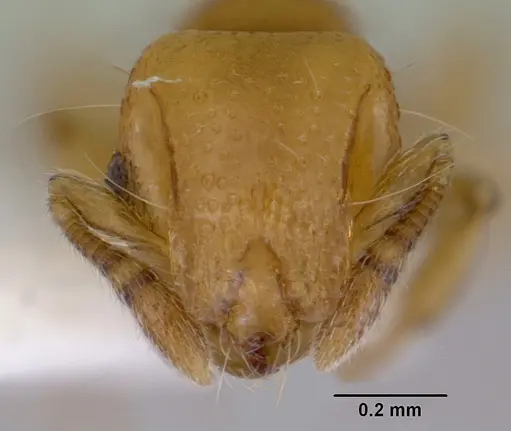
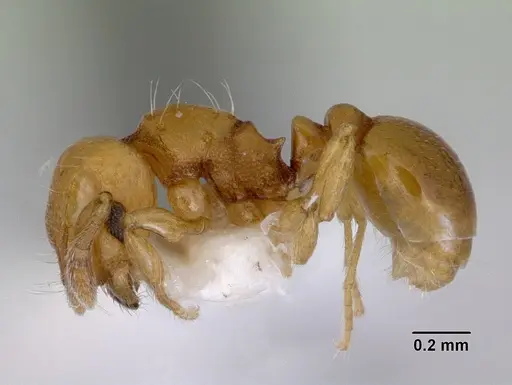
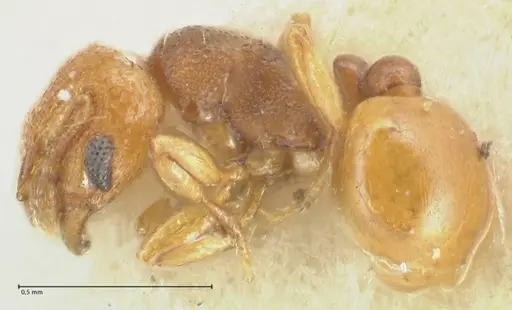
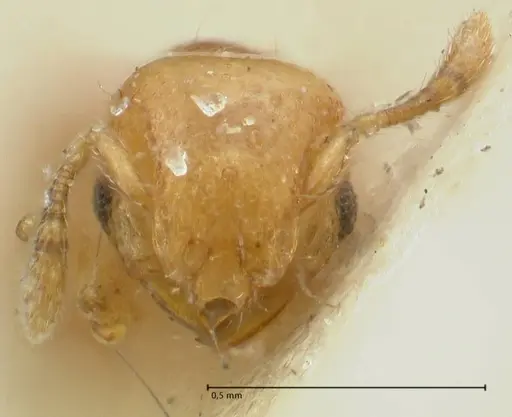
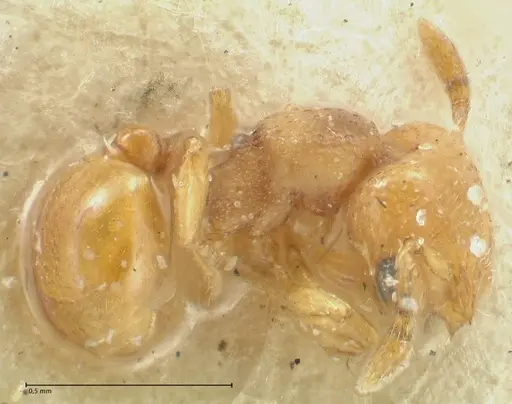
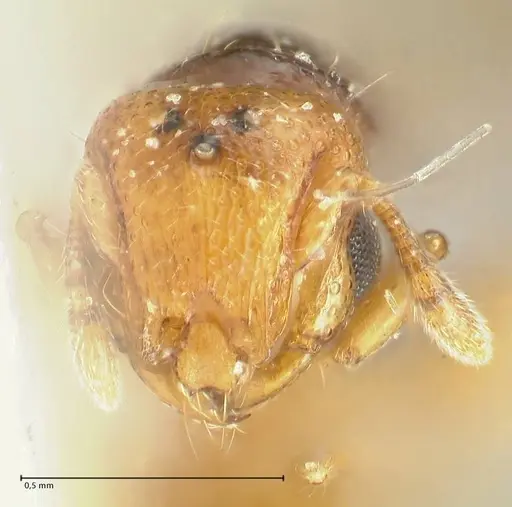
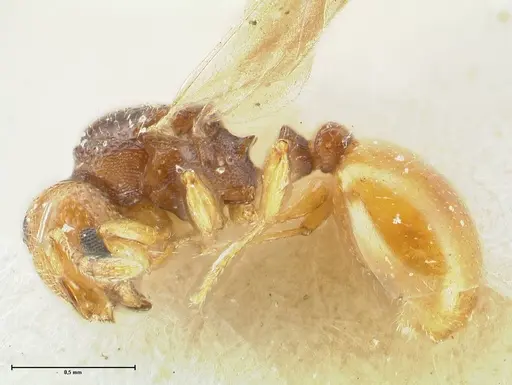
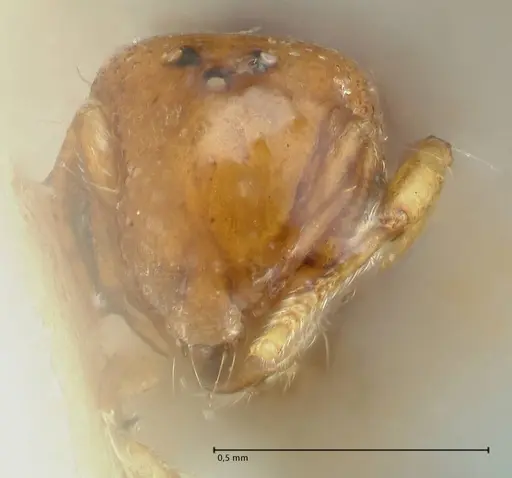
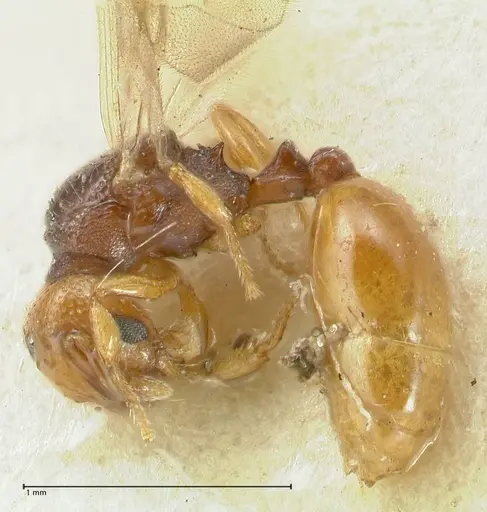
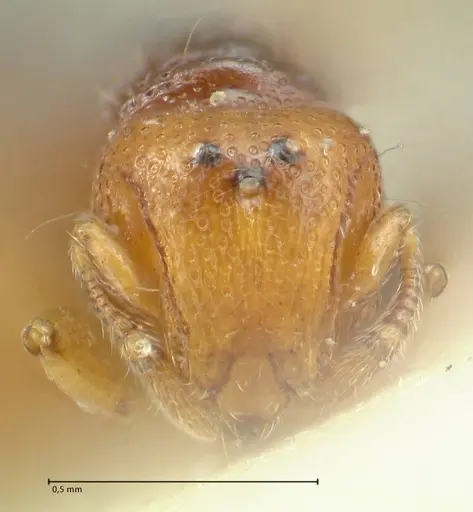
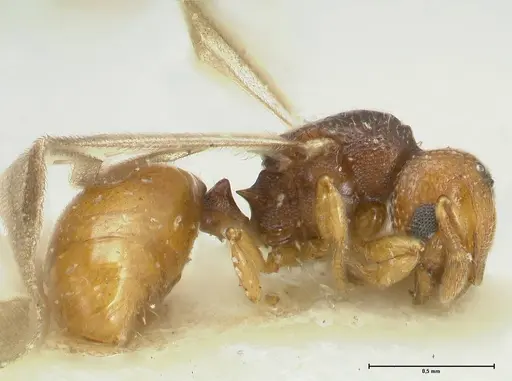
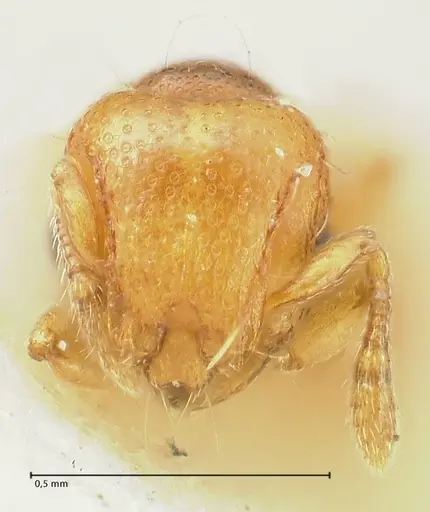
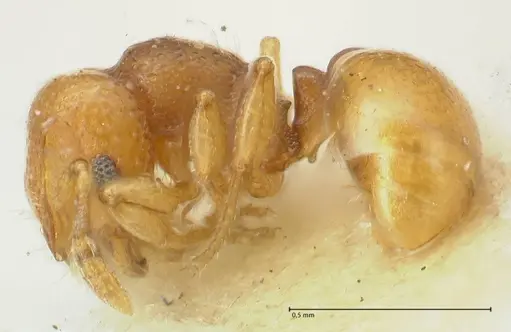
Mayriella overbecki is one of the rarest ant species in Australia, known from only five collections in the country's north-eastern rainforests. These are tiny ants, workers measure just 0.48-0.53mm in head width, making them among the smallest ants you can keep [1]. They have a golden-brown to dark brown coloration with distinctive small, scattered pits on their back and weak sculpturing around their antennae. The petiole (the narrow waist segment) has a relatively long posterior face with an acute angle, helping distinguish them from other Mayriella species [1].
This species is part of a genus that shows strong preference for moist, forested areas. In the wild, colonies are polygynous, about half of all nest series containing queens have more than one queen, meaning multiple egg-layers work together in the same colony [1]. Nests average just 50-100 workers, making them compact colonies that stay relatively small even when mature.
Quick Summary
- Difficulty: Medium
- Origin & Habitat: Rainforest in north-eastern New South Wales, Australia. In the wild, they nest in rotten logs, in soil under stones, or occasionally in arboreal locations. They prefer moist, forested areas like rainforest and wet sclerophyll woodlands [1].
- Colony Type: Polygynous, multiple queens per colony (about half of queen-containing nests have more than one queen). Average colony size is 50-100 workers [1].
- Colony: Polygyne
- Size & Growth:
- Queen: Unconfirmed, queen measurements not directly documented in available sources
- Worker: 0.48-0.53mm head width,0.30-0.35mm scape length [1]
- Colony: Typically 50-100 workers [1]
- Growth: Unknown, no direct development data available
- Development: Unknown, no specific development timeline documented. Based on typical Myrmicinae patterns and their small size, estimate 4-8 weeks at optimal temperature. (Estimate based on genus patterns and small worker size. More data needed for precise timeline.)
- Antkeeping:
- Temperature: Aim for 22-26°C. As a rainforest species from northern NSW, they likely prefer warm, stable conditions with moderate warmth. A heating cable on one side of the nest can create a gentle gradient if room temperature is below this range.
- Humidity: Keep substrate consistently moist but not waterlogged. Rainforest species need damp conditions, the substrate should feel damp to the touch. Provide a water tube as a moisture source and mist occasionally if the nest starts drying out.
- Diapause: Unknown, no specific data on overwintering requirements. Given their Australian rainforest origin, they may not require strong diapause but may slow down during cooler months.
- Nesting: Use a small, tight-fitting nest scaled to their tiny size. Y-tong (AAC) nests or small test tube setups work well. They naturally nest in rotten wood and soil, so a naturalistic setup with moist substrate or a plaster/acrylic nest with small chambers suits them. Avoid tall, open spaces.
- Behavior: These are tiny, non-aggressive ants that forage primarily in leaf litter. They are not known to sting and pose no danger to keepers. Their small size means excellent escape prevention is critical, they can squeeze through the tiniest gaps. They likely use chemical trail pheromones for foraging, as research has identified trail pheromone components in this species [2]. Workers are most commonly collected from litter samples, suggesting they forage widely through the substrate layer. They are peaceful and suitable for observation but require careful handling due to their minute size.
- Common Issues: escape prevention is critical, their tiny size means they can squeeze through standard barrier gaps, small colony size means slower population growth and less visual activity, humidity management is important, too dry causes colony decline, too wet risks flooding in small test tubes, rainforest origin means they may be sensitive to temperature fluctuations, limited availability makes this a species for more experienced keepers interested in rare Australian ants
Housing and Nest Setup
Because Mayriella overbecki workers measure less than 0.5mm in width, standard ant keeping setups require modification for escape prevention. Use fine mesh barriers and ensure all connections are tight-fitting. A Y-tong (AAC) nest with small chambers works well, or you can use small test tubes set up as a founding setup. The nest material should retain moisture well, these rainforest ants need consistent dampness. Avoid large, open spaces in the outworld, keep it compact so the tiny workers can navigate easily. A small foraging area with a water test tube and simple decoration is sufficient, they are not demanding in terms of space. [1]
Feeding and Diet
In the wild, workers are collected from leaf litter samples, suggesting they forage for small prey and likely collect honeydew from aphids or scale insects. For captivity, offer small live prey like springtails, which are appropriately sized for these tiny ants. You can also offer fruit flies, small mealworm pieces, and other micro-insects. Sugar sources may be accepted, try offering a drop of diluted honey or sugar water, though acceptance is uncertain given their small size. Feed small amounts twice weekly and remove any uneaten prey after 24 hours to prevent mold in the humid setup they require. [1]
Temperature and Humidity
As a species from Australian rainforest in north-eastern NSW, Mayriella overbecki prefers warm, humid conditions. Aim for temperatures in the 22-26°C range, stable warmth is more important than exact precision. A heating cable placed on top of the nest (never underneath where it can dry out moisture) can help maintain warmth if your room runs cool. Humidity is critical: keep the nest substrate consistently moist but not waterlogged. The substrate should feel damp to the touch. A water tube connected to the nest provides a constant moisture source. Monitor for condensation, some is good, but excessive pooling indicates too much water. [1]
Colony Structure and Growth
Mayriella overbecki is polygynous, meaning colonies naturally contain multiple queens. About half of all nests containing queens have more than one queen, and colonies average 50-100 workers [1]. This is a small colony size compared to many common ant species, so don't expect massive populations. Multiple queens working together likely contributes to faster colony development during the founding phase. When keeping this species, you may receive a colony with several queens, this is normal and they should be kept together. Do not attempt to separate queens as this species is adapted to multi-queen colonies.
Handling and Temperament
These are peaceful, non-aggressive ants that pose no danger to keepers. They do not sting and are not known to be particularly defensive. However, their tiny size makes them challenging to handle and observe compared to larger species. When working with the nest, move slowly and avoid vibrations. Escape prevention is your main concern, these ants can slip through gaps that seem impossibly small. Use fluon on nest edges, fine mesh on outworld openings, and check all connection points regularly. Despite their small size, they are active foragers and will establish visible trails when hunting prey. [1][2]
Frequently Asked Questions
How long does it take for Mayriella overbecki to produce first workers?
The exact egg-to-worker timeline is unknown for this species. Based on typical patterns for small Myrmicinae ants, estimate approximately 4-8 weeks at optimal temperature (22-26°C). Their small colony size (50-100 workers) suggests growth will be modest compared to larger species.
Can I keep multiple queens together in one colony?
Yes, this is normal for the species. Mayriella overbecki is polygynous, multiple queens naturally co-exist in the same colony. About half of all queen-containing nests have more than one queen. Keep them together as they would live in the wild.
Do Mayriella overbecki ants sting?
No, these ants are not known to sting. They are tiny, peaceful ants that pose no danger to keepers. Their small size means they cannot penetrate human skin even if they tried.
What do Mayriella overbecki eat?
They likely forage for small prey in leaf litter and may collect honeydew. In captivity, offer small live prey like springtails and fruit flies. Small pieces of mealworms and other micro-insects are also suitable. Sugar sources like diluted honey may be accepted but are uncertain due to their tiny size.
How big do Mayriella overbecki colonies get?
Colonies remain relatively small, typically reaching 50-100 workers at maturity. This is one of the smaller colony sizes in ant keeping. The polygynous structure (multiple queens) helps maintain the population but the species does not produce massive colonies.
What temperature do Mayriella overbecki need?
Keep them at 22-26°C. As a rainforest species from north-eastern NSW, they prefer warm, stable conditions. A heating cable on the nest can help maintain warmth if your room temperature is below this range.
Do they need hibernation or diapause?
Unknown, no specific data exists on overwintering requirements. Given their Australian rainforest origin, they likely do not require strong diapause but may slow activity during cooler months. Monitor your colony and reduce feeding if they become less active.
Why are my Mayriella overbecki escaping?
Their tiny size (workers are less than 0.5mm) means they can squeeze through gaps that seem impossibly small. Use fine mesh, apply fluon to barrier edges, and check all connections regularly. Escape prevention must be excellent with this species.
Is Mayriella overbecki good for beginners?
This is not an ideal beginner species due to their tiny size, specific humidity requirements, and rarity. They require excellent escape prevention and careful moisture management. More experienced antkeepers interested in rare Australian species will have better success.
When should I move them to a formicarium?
Start with a test tube founding setup. Once the colony reaches 20-30 workers and you see consistent activity, you can consider moving to a small Y-tong or naturalistic setup. The transition should be done carefully due to their tiny size, ensure the new setup maintains the humidity they need.
References

This caresheet is licensed under CC BY-SA 4.0 .
CASENT0172442
View on AntWeb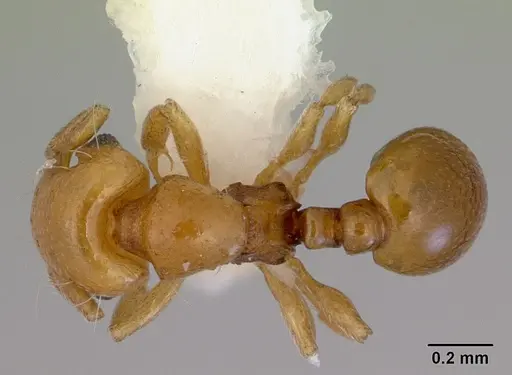
CASENT0908923
View on AntWeb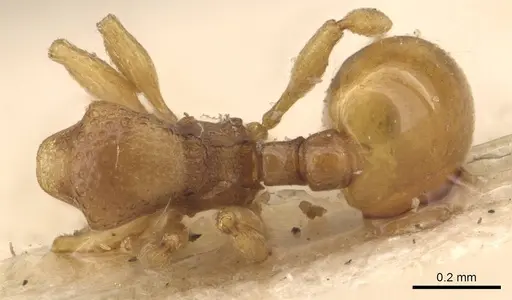
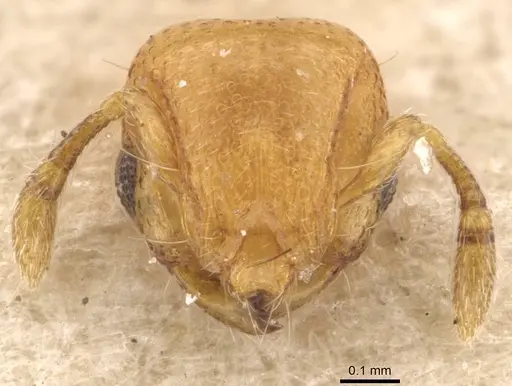
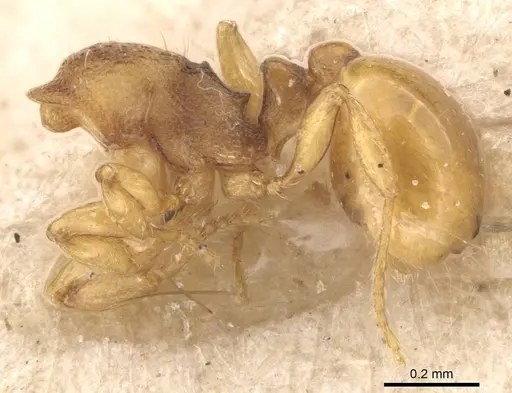
FOCOL1940-1
View on AntWeb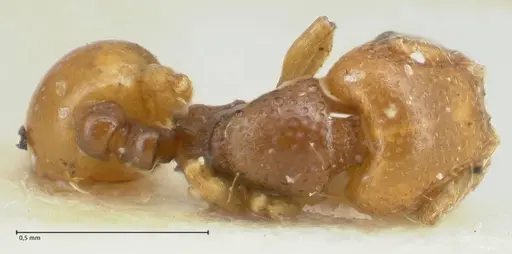
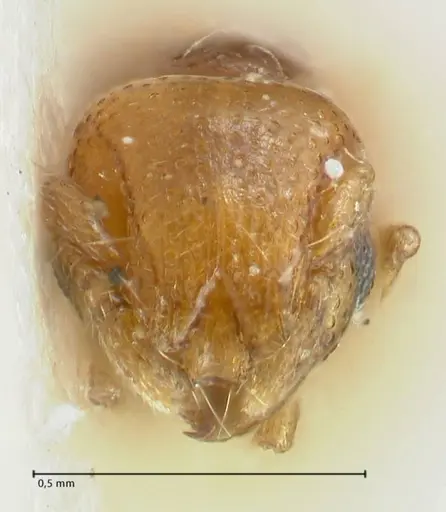
FOCOL1940-2
View on AntWeb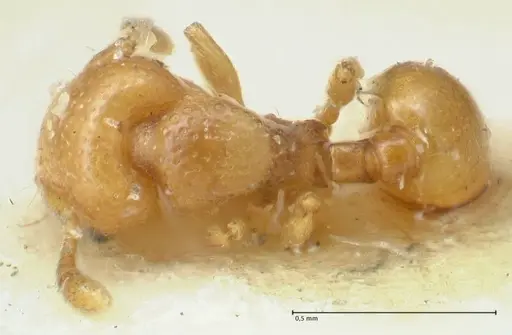
FOCOL1941-1
View on AntWeb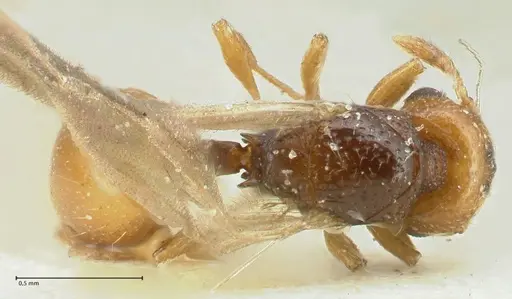
FOCOL1941-2
View on AntWeb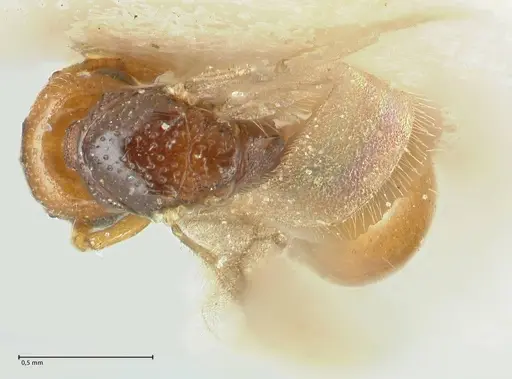
FOCOL1941-3
View on AntWeb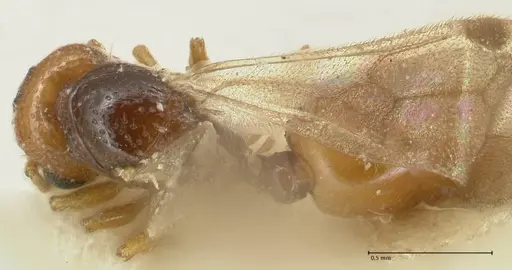
FOCOL1942
View on AntWeb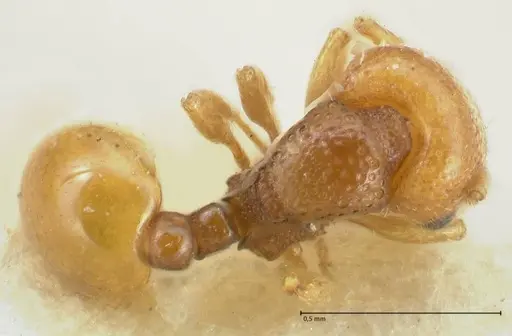
Literature
Loading...Loading products...