Mayaponera arhuaca - "None"
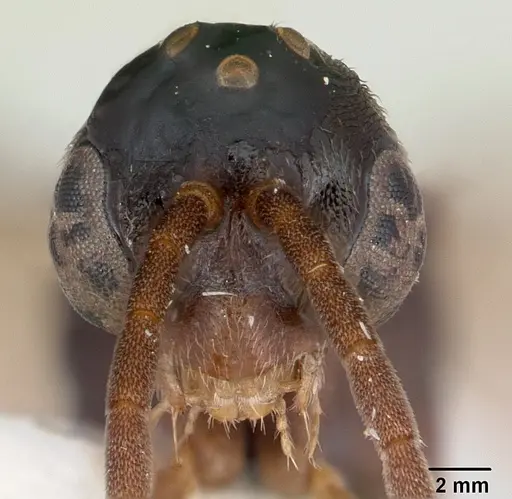
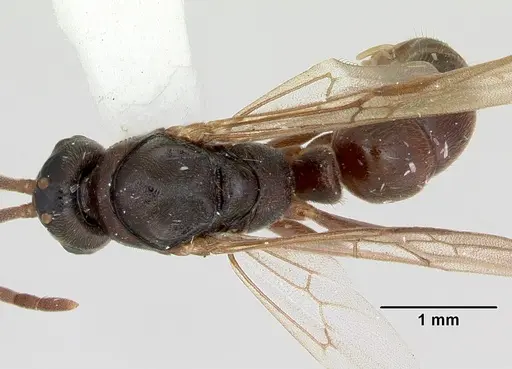
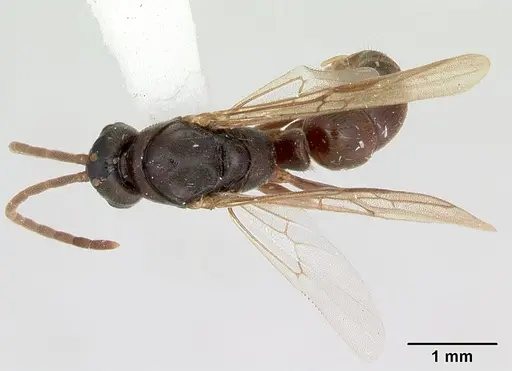
Mayaponera arhuaca are small, dark brown ants with pale brown legs, belonging to the Ponerinae subfamily. Workers typically measure less than 5 mm in total length, and their queens are slightly larger, around 6 mm. These ants are characterized by their relatively small eyes and a circular propodeal spiracle, which can help distinguish them from similar species. They are known to inhabit rotting wood and soil, particularly in leaf litter. While not much is known about their specific behaviors, other species in the Mayaponera genus are known to forage predominantly at night and may utilize tandem running to recruit nestmates to food sources. This species is found across Central and South America.
- Difficulty: Medium
- Origin & Habitat: Central America to central South America, including countries like Bolivia, Brazil, Colombia, Costa Rica, Ecuador, French Guiana, Guyana, Mexico, Panama, Peru, Suriname, Trinidad and Tobago, and Venezuela. in Wet lowland tropical forests, secondary lowland rain forest, and urban habitats (like lawns), typically at elevations between 10 and 1000 meters. Nests are primarily found in rotten wood and soil, often under wood or stones, and workers are frequently collected from leaf litter..
- Colony Type: Monogyne (single queen) or potentially polygyne with both winged and ergatoid queens., claustral or semi-claustral (based on related species, precise details for m. arhuaca are limited). queens have been collected dealate, suggesting claustral founding is possible. founding.
- Size & Growth:
- Queen: 6.0-6.0mm
- Worker: up to 5.0mm
- Colony: Small (up to 29 workers reported for the genus, likely similar for this species).. Slow (based on small colony size estimates and general Ponerine growth patterns) growth.
- Antkeeping:
- Temperature: Ideally, keep them within a temperature range typical of tropical environments, likely between 24-28°C (75-82°F) to mimic their natural habitat. Consistent temperatures are important for brood development..
- Humidity: High humidity is crucial, likely around 70-90%, given their preference for rotting wood and leaf litter in wet forest environments. Misting the nest and outworld regularly can help maintain this..
- Diapause: Not required. Not specified at Not specified.
- Nesting: These ants prefer nesting in rotten wood or soil. For captive setups, a naturalistic setup with decaying wood, cork, or a deep substrate like coco fiber mixed with soil in a formicarium is suitable. Ytong or acrylic nests with high humidity gradients could also work, but proper moisture retention is key..
- Behavior: Medium (towards prey, potentially defensive if disturbed) aggressiveness.
- Common Issues: Mold in nest, Mites, Humidity fluctuations, Overfeeding leading to waste.
Keeping Mayaponera arhuaca can be a unique and rewarding experience for the dedicated ant keeper, though information on their specific care is limited. As a species often found in rotting wood and leaf litter, replicating these conditions in your setup is paramount. Consider offering sections of sterilized decaying wood within their formicarium or outworld, as this provides both nesting opportunities and a foraging surface they are accustomed to. Maintaining high, stable humidity within the nest area is critical for their brood's development and the overall health of the colony.
Their natural diet consists of small invertebrates, so providing a varied protein source is important. Offer a range of small feeder insects like fruit flies, small roaches, or even pieces of mealworms. Always ensure these prey items are healthy and free from pesticides. Additionally, some sources of sugary foods, such as diluted honey or sugar water, should be offered, though their primary diet tends to be protein-focused given their predatory nature as Ponerines.
Mayaponera arhuaca colonies are typically small, with reports suggesting up to 29 workers for the genus. This means they won't require massive setups, making them suitable for smaller formicaria. However, their modest colony size also implies a potentially slower growth rate, so patience is key. Avoid overfeeding, which can lead to mold and mites, especially in high-humidity environments. Monitor food consumption closely and remove uneaten prey promptly to maintain a clean and healthy nest.
While little is specifically documented about their temperament, many Ponerine ants are known for their potent stings. Although not explicitly stated for M. arhuaca, it's wise to handle them with care and avoid direct contact. Always use appropriate tools like specialized tweezers when interacting with the colony. Their tendency to forage predominantly at night suggests they might be more active during darker hours, so observing them with a red light might be beneficial.
Frequently Asked Questions
What kind of enclosure is best for Mayaponera arhuaca?
For Mayaponera arhuaca, replicating their natural rotten wood and soil habitat is crucial. A formicarium with a deep substrate layer like coco fiber or a soil mix, possibly with sterilized pieces of decaying wood or cork bark, would be ideal. Acrylic or Ytong nests designed for high humidity can also work well, provided moisture levels are consistently maintained for these fascinating ants.
What do Mayaponera arhuaca eat?
These ants are primarily predatory. Their diet should consist mainly of small live feeder insects such as fruit flies, tiny roaches, or small pieces of mealworms. You can also offer a sugary liquid like diluted honey or sugar water, but focus on providing a consistent protein source to keep your colony thriving.
How large do Mayaponera arhuaca colonies get?
Mayaponera arhuaca colonies are typically on the smaller side. Reports for the Mayaponera genus suggest colony sizes up to around 29 workers. This means they are perfect for keepers looking to manage a more compact ant setup without needing vast amounts of space.
Do Mayaponera arhuaca sting?
Yes, like many Ponerine ants, Mayaponera arhuaca are capable of stinging. While specific details on their venom potency aren't widely known, it's always best practice to exercise caution and avoid direct handling. Use long-handled tools or tweezers when performing maintenance in their outworld or nest.
Do Mayaponera arhuaca need diapause?
No, Mayaponera arhuaca are tropical ants and do not require diapause (a hibernation period). Maintaining stable warm temperatures and high humidity year-round is essential for their continuous growth and well-being.
What temperature and humidity do Mayaponera arhuaca need?
To mimic their tropical origins, Mayaponera arhuaca thrive in temperatures between 24-28°C (75-82°F) and high humidity levels, ideally ranging from 70-90%. Consistent humidity is especially vital for their brood, so regular misting or a nest design that retains moisture well is highly recommended.
What are common issues when keeping Mayaponera arhuaca?
The main challenges with Mayaponera arhuaca often revolve around maintaining proper humidity without fostering mold growth. Overfeeding can also lead to uneaten prey rotting, attracting mites. Regularly inspect your formicarium for any signs of mold or pests and promptly remove any leftover food to prevent these common antkeeping pitfalls.
Are Mayaponera arhuaca good for beginners?
Mayaponera arhuaca are generally considered a 'Medium' difficulty species. While their small colony size is manageable, their specific humidity and substrate requirements, coupled with limited information on their captive care compared to more common species, make them less ideal for absolute beginners. Keepers with some experience in maintaining tropical or Ponerine ants might find them a rewarding challenge.
How fast do Mayaponera arhuaca colonies grow?
Given their small typical colony size, Mayaponera arhuaca colonies exhibit a slow growth rate. Patience is a virtue when keeping these ants; focus on providing optimal conditions and a consistent diet, and your colony will gradually expand.
Can Mayaponera arhuaca have multiple queens?
Yes, Mayaponera arhuaca can exhibit both winged (alate) and ergatoid (worker-like) queens. This suggests the possibility of polygyne colonies, where multiple queens can coexist and contribute to the colony's brood production, offering a unique dynamic for observers.
Where do Mayaponera arhuaca nest in the wild?
In their natural habitats, Mayaponera arhuaca workers are typically found nesting in rotten wood and within the soil underneath it. They also frequent leaf litter, which is an important foraging ground and potential nesting site for these fascinating ants.