

Manica invidia
- Scientific Name
- Manica invidia
- Tribe
- Myrmicini
- Subfamily
- Myrmicinae
- Author
- Bolton, 1995
- Distribution
- Found in 2 countries
Manica invidia Overview
Manica invidia is an ant species of the genus Manica. It is primarily documented in 2 countries , including Canada, United States of America. Detailed taxonomic data and occurrence records can be further explored via authoritative databases such as AntWeb or the Global Biodiversity Information Facility (GBIF).
Manica invidia
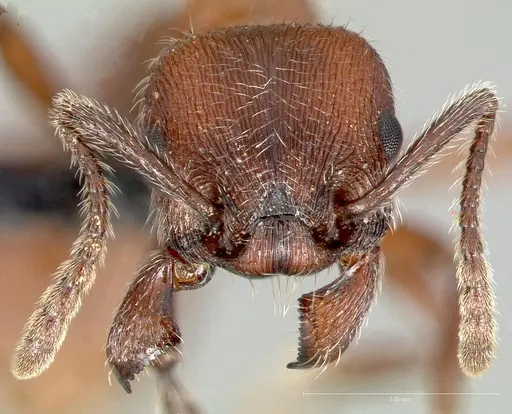
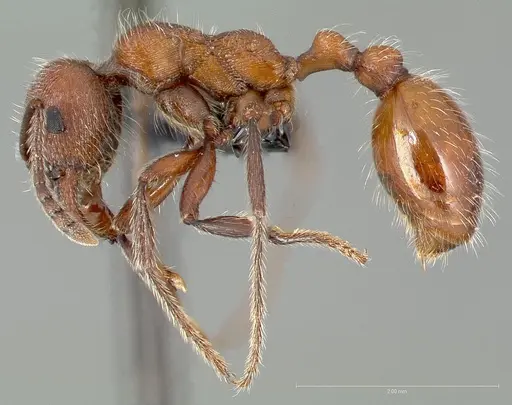
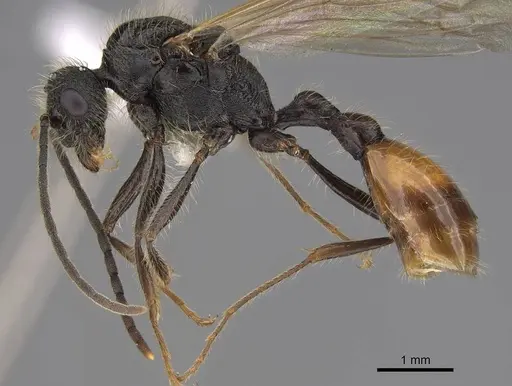
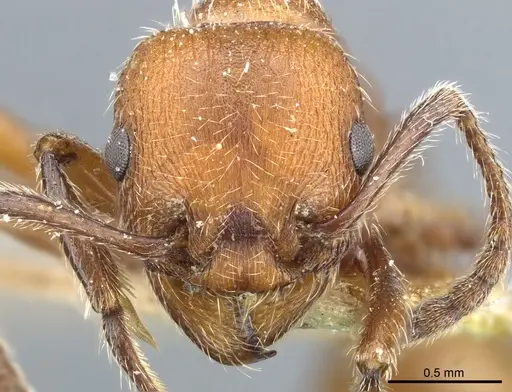
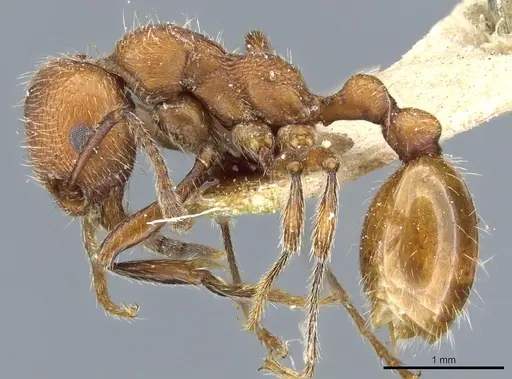
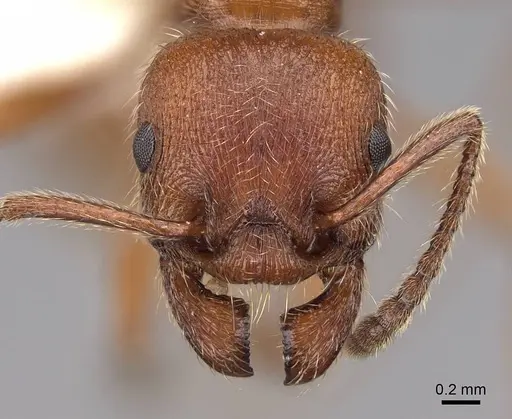
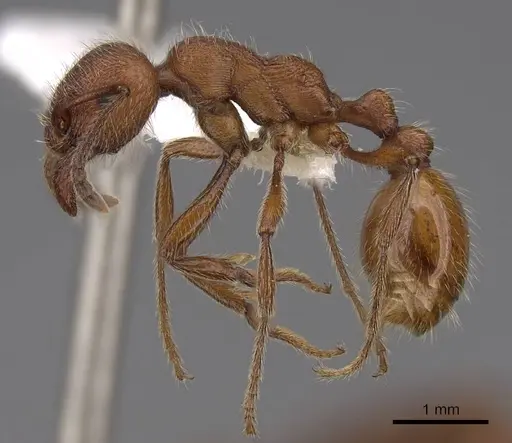
Manica invidia is a medium-sized ant native to western North America, ranging from Alaska south to California and east to New Mexico. Workers are 3.2-6.2mm with a distinctive red to golden yellow coloration, slightly larger than related Myrmica species. The body has a dull, punctate appearance on the mesosoma, petiole, and postpetiole. Queens reach 6.5-7.5mm. This is the most widespread Manica species in North America, found across the Great Plains and Great Basin regions at elevations between 4,000 and 9,000 feet [1][2]. Colonies are polygynous, started by multiple queens working together, and can grow to 400-1800 workers in mature nests [3][4]. Workers have a painful sting but are not aggressive toward humans.
Quick Summary
- Difficulty: Medium
- Origin & Habitat: Western North America, from eastern slopes of Sierra Nevada and Cascade Range in California, eastward to northeastern New Mexico, Colorado, Wyoming, Black Hills of South Dakota and southwestern North Dakota, northwestward into British Columbia and Alberta, with one record from Alaska. Found in high-elevation habitats including coniferous forest openings, pinyon-juniper woodlands, grasslands, sagebrush, and cold deserts. Also occurs in disturbed areas like parks and roadsides [1][2][3].
- Colony Type: Polygynous, colonies started by multiple queens (pleometrosis). Mature colonies can have 400-1800 workers. Multiple reproductive queens coexist in established colonies [2][3].
- Colony: Monogyne
- Founding: Semi-claustral, Pleometrosis
- Size & Growth:
- Queen: 6.5-7.5mm [1][2]
- Worker: 3.2-6.2mm [2]
- Colony: Up to 1800 workers in mature nests [4]
- Growth: Moderate
- Development: 6-10 weeks (estimated based on related Myrmica species) (Development time not directly documented for this species. Estimates based on genus-level data for related Myrmicini ants. Queens may found colonies together, which may affect founding dynamics.)
- Antkeeping:
- Temperature: Keep at 18-24°C. This species naturally occurs at high elevations (4,000-9,000 feet) and is the most xerophilous of North American Manica species. They are active during cooler parts of the day, surface activity peaks in early morning and evening when temperatures are lower (44-74°F). Avoid overheating, they avoid surface activity when temperatures exceed 95°F [2].
- Humidity: Moderate, provide a moisture gradient. In the wild they nest under stones in areas with variable humidity from dry deserts to forest openings. Keep nest substrate moderately moist but allow drying between waterings. Provide a water test tube as a permanent moisture source [2][3].
- Diapause: Yes, likely required. Given their northern distribution and high-elevation habitat, colonies probably need a winter rest period. Provide 3-4 months at 5-10°C (refrigerator temperature) during winter months. This aligns with their natural cycle where reproductives appear in nests from August to October and nuptial flights occur in late September [3][2].
- Nesting: They naturally nest under stones or in soil with characteristic sand crater entrances. In captivity, a Y-tong (acrylic) nest or plaster nest with chambers works well. Provide a layer of moist substrate (sand/soil mix) that can hold humidity. They prefer narrow chambers and will construct crater-like entrances if given loose soil. Test tube setups work for founding colonies [2][3].
- Behavior: Workers are steady, deliberate, and unhurried in their movements. They are not aggressive despite possessing a painful sting, the sting is described as mildly painful or annoying, less severe than Pogonomyrmex stings. Workers forage for living insects and seeds. They are most active during cooler parts of the day (early morning and evening). Colonies may have multiple queens. Escape risk is moderate, use standard formicarium barriers. They can become minor pests in lawns due to their messy earthwork craters and stinging [2][3].
- Common Issues: multiple queen dynamics, combining unrelated foundress queens may result in aggression until they establish a hierarchy, monitor closely during colony founding, escape prevention, workers are active foragers and will escape if barriers are inadequate, use fluon or other barriers, overheating risk, they avoid temperatures above 95°F, keep colony away from direct heat sources and direct sunlight, slow founding, pleometrotic colonies may have complex dynamics, some queens may be killed during colony establishment, humidity management, too wet can cause fungal issues, allow substrate to partially dry between waterings
Housing and Nest Setup
Manica invidia nests naturally under stones or in soil with characteristic crater-like entrances. For captive care, a Y-tong (acrylic) nest or plaster formicarium works well. Provide a chamber system with narrow passages scaled to worker size (3-6mm). For founding colonies, a test tube setup with a water reservoir works initially. Add a layer of moist sand/soil substrate (about 1 inch deep) if using a naturalistic setup. They will construct their characteristic craters if given loose soil in an outworld. Ensure the nest has a humidity gradient, one area moister, one drier so ants can self-regulate. Use a standard outworld (foraging area) connected to the nest via tubing [2][3].
Feeding and Diet
In the wild, workers feed on living insects and seeds. In captivity, offer a varied diet: protein sources like small crickets, mealworms, or fruit flies 2-3 times per week. They will also accept seeds and can be given small seed mixes. Sugar water or honey should be available constantly, they will drink these carbohydrate sources. Live prey is preferred for hunting behavior enrichment. Remove uneaten prey after 24 hours to prevent mold. Since they are moderate-sized ants (3-6mm workers), prey items should be appropriately sized, not larger than the workers themselves [3][2].
Temperature and Seasonal Care
Keep colonies at 18-24°C (65-75°F). This species naturally occurs at high elevations (4,000-9,000 feet) and is the most xerophilous (dry-tolerant) of North American Manica species. However, they are active during cooler parts of the day, field observations show workers foraging in early morning (air temperature 44-52°F) and evening, with all surface activity ceasing when temperatures exceed 95°F. Avoid placing the colony in direct sunlight or near heat sources. During winter (October-March), provide a diapause period at 5-10°C, this can be achieved by placing the colony in a refrigerator. The diapause matches their natural cycle where reproductives appear in nests from August to October and nuptial flights occur in late September [2][3].
Colony Dynamics and Multi-Queen Care
Manica invidia is polygynous, colonies are started by multiple queens cooperating together (pleometrosis). This is unusual among ants and affects how you should approach colony founding. If you catch multiple dealated (wingless) queens in the same area, they can be housed together initially. However, expect some aggression during establishment, research shows some queens may be killed as the colony stabilizes. In the wild, excavated burrows contained anywhere from 1 to 9 dealated females, and clusters of up to 28 queens have been found under single stones. In captivity, monitor for aggression but allow them to sort out their hierarchy. Once workers appear, the colony typically stabilizes. The benefit of polygynous colonies is faster initial growth since multiple queens can lay eggs [2][3].
Defense and Sting Management
Workers possess a functional sting that delivers a mildly painful venom, described as annoying but less severe than Pogonomyrmex (harvester ant) stings. Despite this capability, they are not aggressive and rarely sting unless directly threatened (like being squished or defending their nest). For antkeepers, this means normal colony maintenance is safe. However, if you need to work with the colony, use gentle movements and avoid crushing workers. The sting is not medically significant for healthy adults, but those with insect venom allergies should exercise caution. Their non-aggressive nature makes them suitable for observation, you can watch them go about their deliberate, steady foraging without fear of mass attacks [2][3].
Frequently Asked Questions
Can I keep multiple Manica invidia queens together?
Yes, this species is naturally polygynous and colonies are started by multiple queens working together (pleometrosis). You can house 2-3 dealated queens together when starting a colony. Expect some initial aggression as they establish a hierarchy, but this usually resolves once workers appear. In the wild, colonies have been found with up to 28 queens [2].
How long does it take for Manica invidia to raise first workers?
Based on related Myrmica species, expect 6-10 weeks from egg to first worker (nanitics) at optimal temperature (around 20-24°C). Development may be slower if kept cooler. Young colonies observed in the wild had 73-98 workers, suggesting relatively rapid initial growth once founding is successful [2].
Do Manica invidia ants sting? Are they dangerous?
Yes, they can sting, but they are not aggressive. The sting is described as mildly painful or annoying, less severe than harvester ant (Pogonomyrmex) stings. They will only sting if directly threatened or crushed. For most antkeepers, they are safe to handle with normal precautions. The sting is not medically significant unless you have an insect venom allergy [2][3].
What temperature do Manica invidia need?
Keep them at 18-24°C (65-75°F). This is a high-elevation species that naturally experiences cool temperatures. They are most active in early morning and evening, and completely avoid surface activity when temperatures exceed 95°F. Avoid placing them in direct sunlight or near heat sources that could cause overheating [2].
Do Manica invidia need hibernation?
Yes, likely a 3-4 month winter rest period is recommended. Given their northern distribution and high-elevation habitat (4,000-9,000 feet), they are adapted to cold winters. Provide diapause at 5-10°C (like refrigerator temperature) from roughly October through February. This aligns with their natural cycle where reproductives appear in fall and nuptial flights occur in late September [2][3].
What do Manica invidia eat?
They are omnivorous foragers. Workers feed on living insects (protein) and seeds (carbohydrates). In captivity, offer small insects like fruit flies, pinhead crickets, or mealworms 2-3 times per week. Provide a constant source of sugar water or honey. They will also accept small seeds. Live prey is preferred to satisfy their natural hunting behavior [3][2].
How big do Manica invidia colonies get?
Mature colonies can reach 400-1800 workers. The larger estimate (1800) comes from desert populations in California. Colonies at higher elevations or in more temperate climates may stay smaller. They are polygynous (multiple queens), which supports larger colony sizes [4][3].
Are Manica invidia good for beginners?
They are rated as medium difficulty. They are not aggressive and have interesting multi-queen colony dynamics. However, they require specific conditions: high-elevation cool preferences, need for winter diapause, and moderate humidity management. They also have a painful sting (though rarely use it). If you have experience with basic ant keeping and can provide a winter cooling period, they make interesting observation subjects [2].
When do Manica invidia have nuptial flights?
Nuptial flights occur in late September. This has been directly observed in the wild. Reproductives (males and new queens) are found in the nest from August to October. If you want to catch reproductives for breeding, look for mating flights in late September [2][3].
Why are my Manica invidia not foraging?
Check your temperature, they are most active during cooler parts of the day. If your setup is too warm (above 80°F), they will reduce activity. They also reduce surface activity during the hottest hours. Make sure they have access to the outworld during morning and evening hours. Also verify they have appropriate food, they prefer live insects and will take sugar water. If the colony is newly established, some hesitation is normal [2].
References

This caresheet is licensed under CC BY-SA 4.0 .
CASENT0005699
View on AntWeb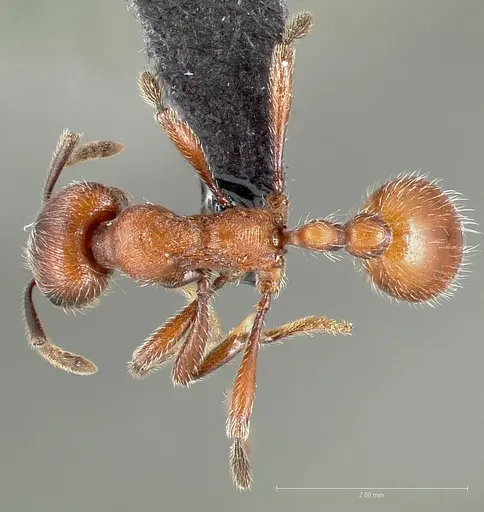
CASENT0842016
View on AntWeb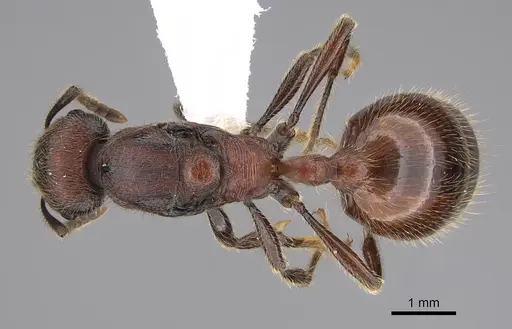
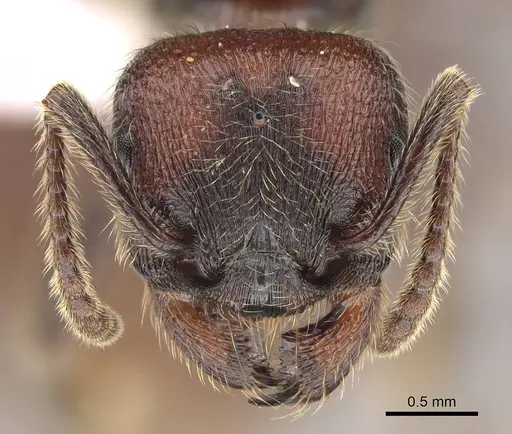
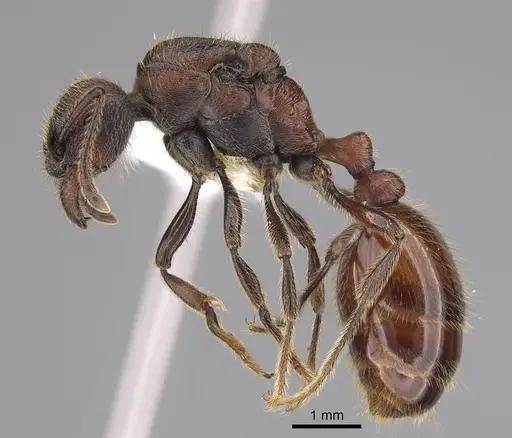
CASENT0862005
View on AntWeb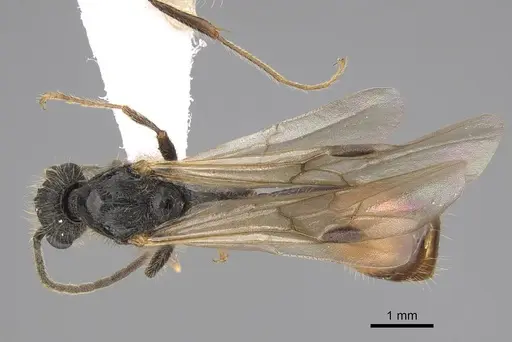
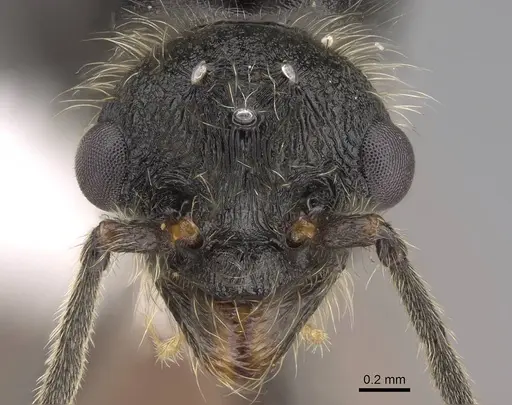
CASENT0904061
View on AntWeb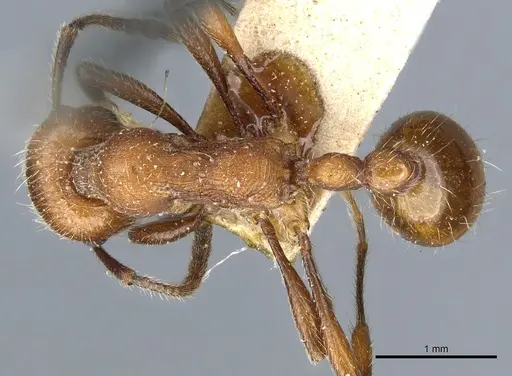
CASENT0922742
View on AntWeb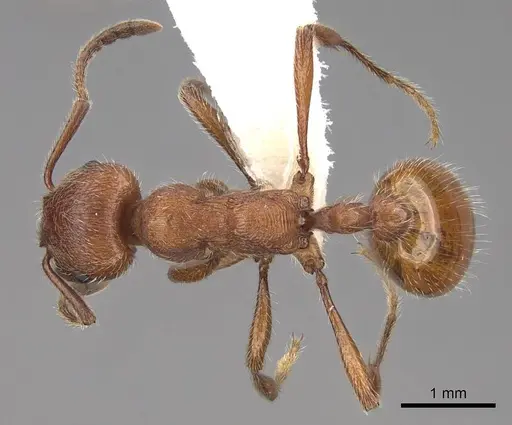
Literature
Loading...Loading products...