

Manica bradleyi
- Scientific Name
- Manica bradleyi
- Tribe
- Myrmicini
- Subfamily
- Myrmicinae
- Author
- Wheeler, 1909
- Common Name
- Bradley's Manic Ant
- Distribution
- Found in 1 countries
Manica bradleyi Overview
Manica bradleyi (commonly known as the Bradley's Manic Ant) is an ant species of the genus Manica. It is primarily documented in 1 countries , including United States of America. Detailed taxonomic data and occurrence records can be further explored via authoritative databases such as AntWeb or the Global Biodiversity Information Facility (GBIF).
Manica bradleyi - "Bradley's Manic Ant"
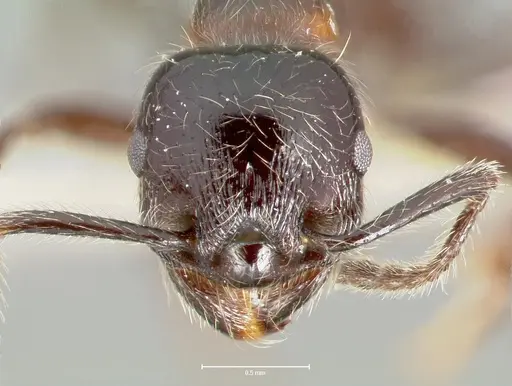
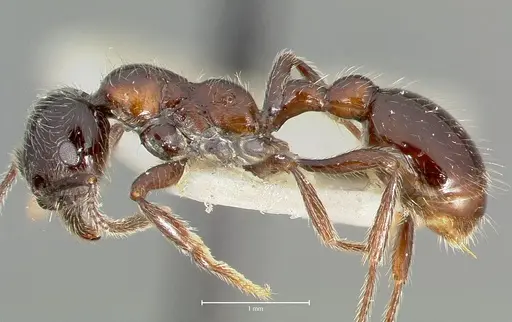
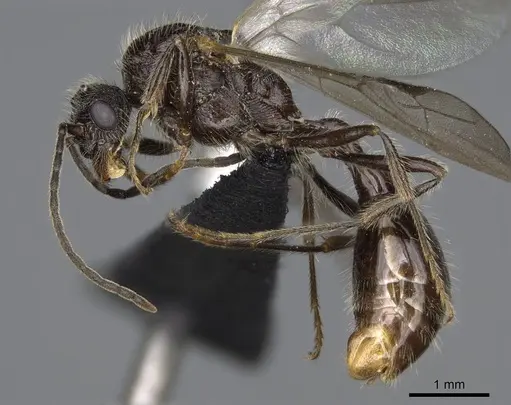
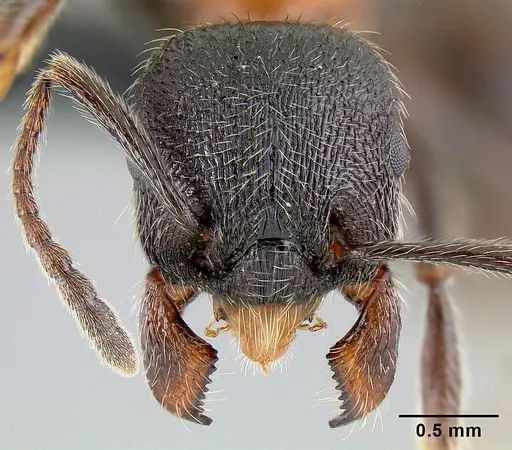
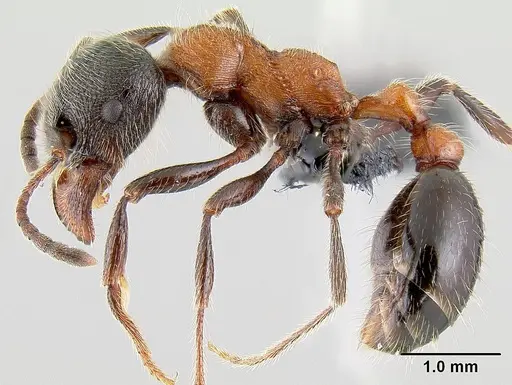
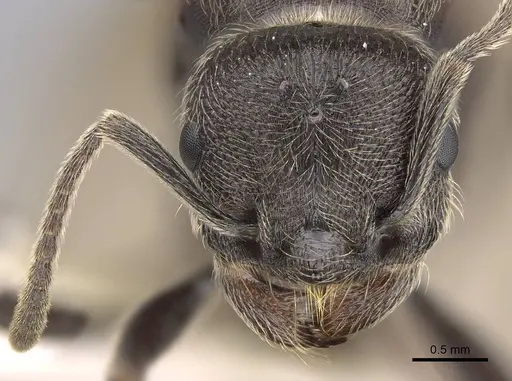
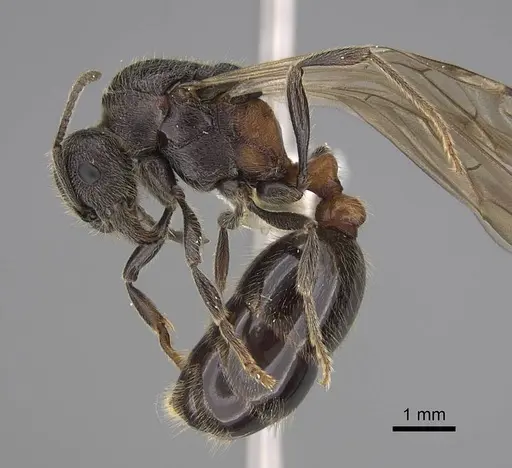
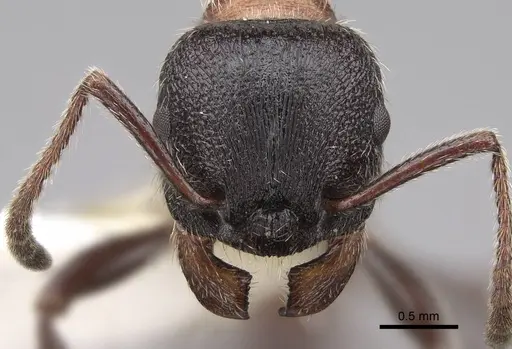
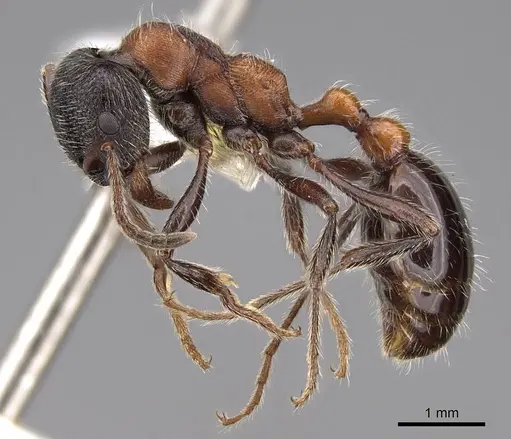
Manica bradleyi is a striking high-elevation ant native to the mountains of the northwestern United States. Workers measure 4-8.5mm and feature a distinctive color pattern: a black or dark brown head and gaster contrasting with a light brown to reddish yellow thorax [1]. Their petiole and postpetiole are notably slender, smooth, and shining compared to other Manica species [2]. This montane specialist inhabits coniferous forests at elevations between 4,000 and 10,000 feet, from California's Sierra Nevada through the Transverse Ranges to Nevada [1][3]. They construct characteristic round crater nests in soil, with multiple chambers connected by galleries extending up to 27 inches deep [1].
Quick Summary
- Difficulty: Medium
- Origin & Habitat: Montane coniferous forests of the northwestern United States, ranging from 4,000 to 10,000 feet elevation. They prefer openings in lodgepole pine forests with sandy loam soil, southern exposure slopes, and at least half bare ground surface [1].
- Colony Type: Polycalic colonies with multiple queens, excavated burrows have been found containing both single queens and groups of up to five queens. Colonies occupy multiple connected nests spanning large areas [1].
- Colony: Optionally polygyne
- Founding: Semi-claustral, Pleometrosis
- Size & Growth:
- Antkeeping:
- Temperature: Keep around 18-22°C. As a montane species from high elevations, they prefer cooler conditions than most ants. A temperature gradient allowing cooler areas is beneficial [1].
- Humidity: Maintain moderate to high substrate moisture. Nest chambers are typically 1/4 inch high in soil, and brood is found from just beneath the surface down to 11 inches. Keep the nest substrate consistently moist but not waterlogged [1].
- Diapause: Yes, as a montane species from elevations where winters are cold, colonies require a winter rest period. Nuptial flights occur in September, suggesting a seasonal cycle [1].
- Nesting: Y-tong or plaster nests work well. They excavate soil chambers and galleries, so provide material they can dig in. Test tubes can work for founding colonies but rubber stoppers are needed, workers can gnaw through cork [1]. Naturalistic setups with soil and flat stones mimic their natural crater-building behavior.
- Behavior: Workers are deliberate and steady-moving, never sluggish. They do very little foraging above ground and are mainly active in early morning and evening when temperatures are 65-75°F [1]. Workers can gnaw through cork, so escape prevention must use rubber or other durable barriers. They respond to certain human vocalizations with coordinated bouncing behavior. The sting is mildly painful with a burning sensation lasting 15-60 minutes, not dangerous but noticeable [1]. Colonies are polycalic (multiple connected nests), so they may establish satellite chambers. Escape risk is moderate, workers are 4-8.5mm, not tiny, but they're active and determined chewers.
- Common Issues: workers can gnaw through cork stoppers, use rubber or silicone barriers, colonies require winter diapause, failure to provide hibernation can kill colonies, slow growth compared to tropical ants, beginners may lose patience and overfeed, wild-caught colonies may carry cestode parasites that affect morphology, high elevation species does poorly in warm room temperature, keep cool
Housing and Nest Setup
Manica bradleyi does well in Y-tong nests, plaster formicariums, or naturalistic setups with soil. They naturally build crater nests in soil, so a naturalistic setup with a soil chamber mimics their natural behavior better than bare acrylic [1]. The key requirement is providing diggable substrate, a mixture of sandy loam and small stones reflects their natural nest conditions. Chamber dimensions should be roughly 1-2 inches diameter and 1/4 inch high, connected by galleries about 5mm wide [1]. Escape prevention is critical: workers can gnaw through cork stoppers, so use rubber bungs or silicone sealant on all openings. A test tube setup works for founding colonies, but transfer to a proper nest once the colony reaches 20+ workers.
Feeding and Diet
This species does very little foraging above ground compared to many ants [4]. In their natural habitat, they appear to use mycorrhizal roots associated with their nests for food, and the larvae do the actual feeding, then return some digested food to workers through trophallaxis [5]. For captive colonies, offer protein sources like small insects (fruit flies, pinhead crickets, mealworms) and sugar water or honey. Since they don't forage much, place food near nest entrances. Feed protein 2-3 times per week and keep sugar water available constantly. The low foraging activity means they may take several days to discover new food sources.
Temperature and Seasonal Care
As a high-elevation montane species, Manica bradleyi prefers cooler temperatures than most captive ants. Keep the nest area around 18-22°C, with a slight gradient if possible. In the wild, workers are only active on the surface when air temperatures reach 65-75°F (roughly 18-24°C) during early morning and evening hours [1]. This species requires a winter diapause period, in their native range, temperatures drop significantly at 4,000-10,000 feet elevation. Provide 3-4 months of reduced temperatures (5-10°C) during winter, similar to how you'd overwinter Myrmica species. Failure to provide proper hibernation can weaken or kill colonies.
Colony Structure and Growth
Manica bradleyi forms polycalic colonies, multiple nests connected by galleries, with documented colonies spanning hundreds of square feet in the wild [1]. Colonies can contain multiple queens, with excavated burrows showing both single-queen and multi-queen (up to 5) founding groups [1]. Growth is moderate, wild colonies reach 379 to over 1,000 workers [1]. The largest documented nest had 64 crater entrances covering roughly 800 square feet. In captivity, expect steady but not rapid growth. Colonies are long-lived perennials in the wild, so this is not a species for keepers wanting rapid colony explosion.
Defense and Sting
Workers possess a functional sting that delivers venom with an LD50 of 6 mg/kg [4]. The sting sensation is described as mildly painful or merely annoying, a burning sensation that begins immediately or after a 15-minute delay and lasts 15-60 minutes. Most stings cause erythema (reddening) and sometimes a minute white spot at the sting site [1]. For keepers, this means the sting is noticeable but not dangerous, comparable to a mild bee sting. The ants move with a deliberate, steady gait and are not particularly aggressive, but will sting if threatened or handled roughly.
Unique Biology: Cestode Parasites
An unusual aspect of Manica bradleyi is its association with cestode parasites (Raillietina). Infected workers were once described as a separate species (Manica bradleyi) but have been reclassified as infected M. bradleyi workers [6]. These workers are significantly smaller, have smoother and darker integument, elongated antennal scapes, and a broadened postpetiole. Every dissected worker from affected populations contained 1-31 metacestodes in the gaster [6]. The parasites appear to alter worker morphology without killing them, infected workers move slowly, often fall when climbing, and shake while resting, but interact normally with nestmates. If you acquire wild-caught colonies, be aware that some workers may show these altered morphologies.
Frequently Asked Questions
How long does it take for Manica bradleyi to produce first workers?
Based on related Myrmicini species, expect 6-10 weeks from egg to first worker at optimal temperature. This is a moderate growth rate, not as fast as tropical species but faster than some slow-growing genera.
Can I keep multiple queens together in one colony?
Yes, Manica bradleyi is polygynous (multiple queens). Wild colonies have been found with up to 5 queens in a single burrow. You can introduce multiple dealated queens to start a colony, though some may eventually be killed or leave.
Do Manica bradleyi ants sting?
Yes, they can sting. The sting is mildly painful, described as a burning sensation lasting 15-60 minutes. It's not dangerous for healthy adults but is noticeable. The venom has an LD50 of 6 mg/kg.
What temperature do Manica bradleyi need?
Keep them cool compared to most ants, around 18-22°C. As a montane species from 4,000-10,000 feet elevation, they prefer cooler conditions. In the wild, workers are only active when air temperature is 65-75°F.
Do Manica bradleyi need hibernation?
Yes, they require a winter diapause period. As a high-elevation species, they need 3-4 months of cold temperatures (5-10°C) during winter. This mimics their natural seasonal cycle and is essential for colony health.
What do Manica bradleyi eat?
They do very little foraging above ground in the wild, possibly feeding on mycorrhizal roots. In captivity, offer small insects (fruit flies, pinhead crickets, mealworms) as protein and sugar water or honey. Feed protein 2-3 times per week with sugar constantly available.
Are Manica bradleyi good for beginners?
They are intermediate in difficulty. The main challenges are providing proper cool temperatures, ensuring winter diapause, and using secure escape prevention (workers can gnaw through cork). Their slow growth and specific temperature needs make them better suited for keepers with some experience.
How big do Manica bradleyi colonies get?
Wild colonies reach 379 to over 1,000 workers, with the largest documented nest having 64 crater entrances. In captivity, expect moderate growth to several hundred workers over several years.
When do Manica bradleyi have nuptial flights?
Nuptial flights occur in late summer, specifically September 17-22 in the Sierra Nevada at 6,400 feet elevation. This is later than many ant species, so plan accordingly if you're breeding colonies.
Why are some workers in my colony smaller and darker?
This is likely due to cestode parasite infection (Raillietina). Infected workers are smaller, have darker/smoother integument, elongated antennae, and a broadened postpetiole. This was once described as a separate species (Manica bradleyi) but is now known to be morphological changes caused by the parasites.
References

This caresheet is licensed under CC BY-SA 4.0 .
CASENT0005697
View on AntWeb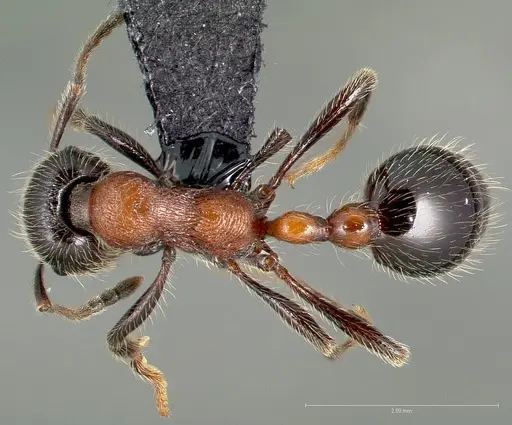
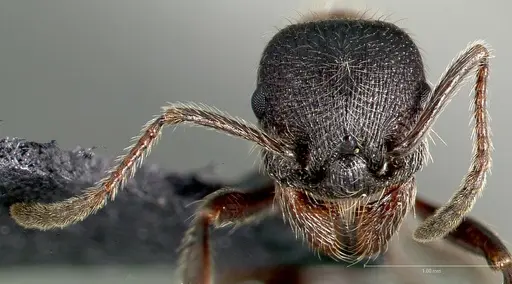
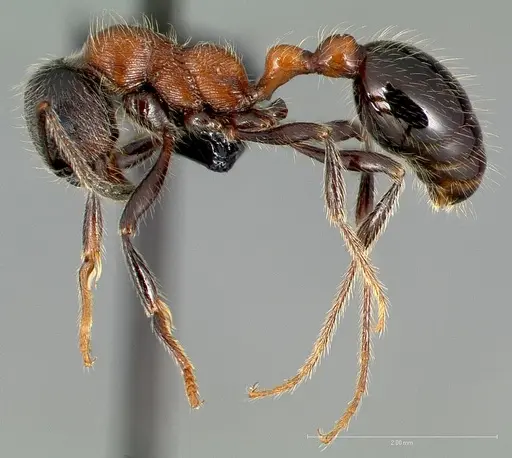
CASENT0005974
View on AntWeb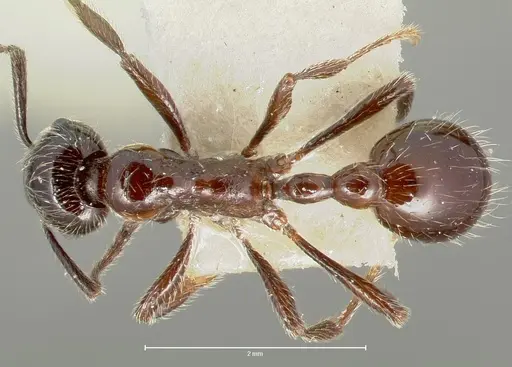
CASENT0007528
View on AntWeb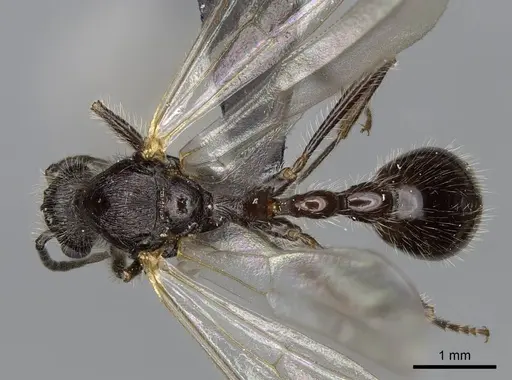
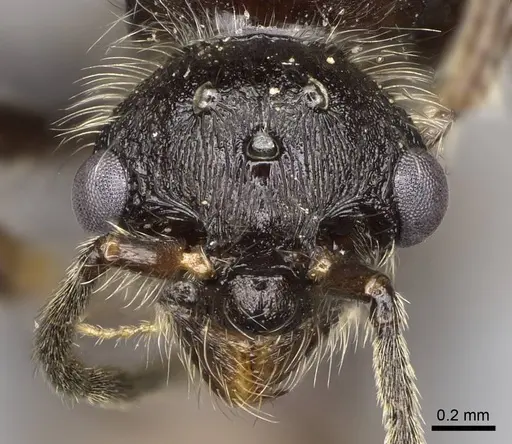
CASENT0106022
View on AntWeb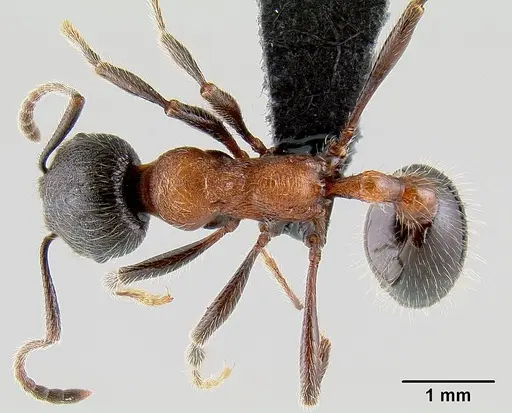
CASENT0862004
View on AntWeb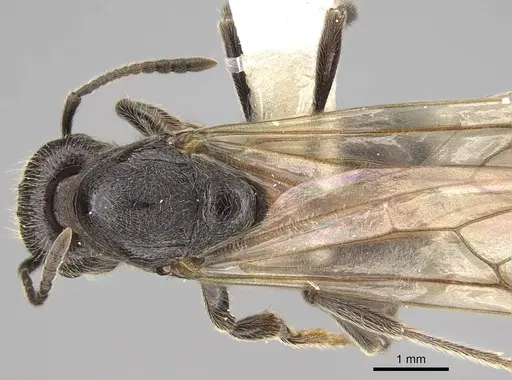
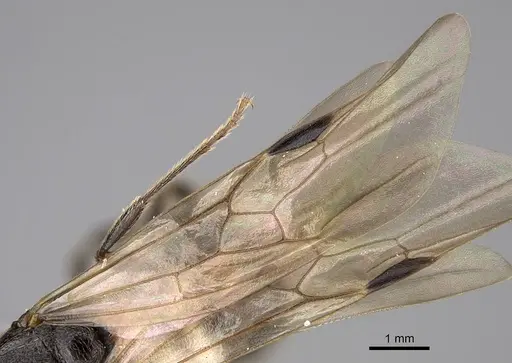
CASENT0907664
View on AntWeb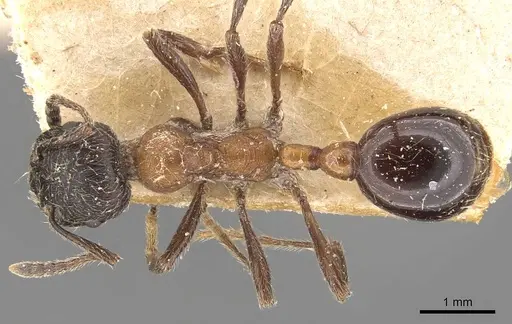
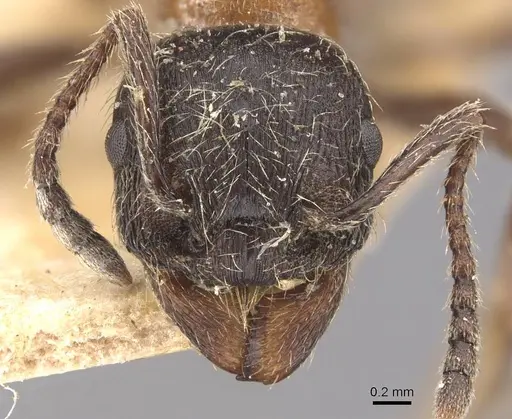
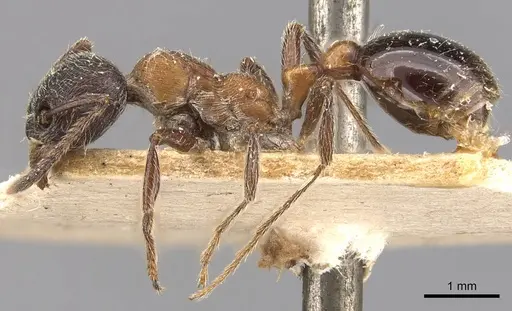
CASENT0922740
View on AntWeb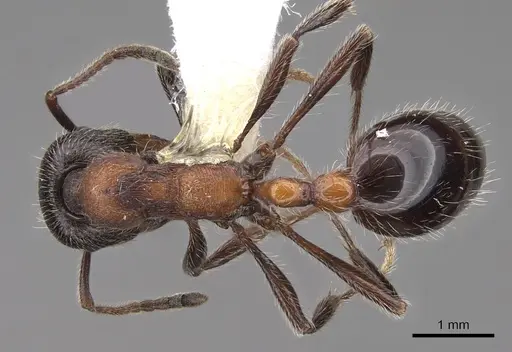
Literature
Loading...Loading products...