

Malagidris belti
- Scientific Name
- Malagidris belti
- Tribe
- Crematogastrini
- Subfamily
- Myrmicinae
- Author
- Forel, 1895
- Distribution
- Found in 1 countries
Malagidris belti Overview
Malagidris belti is an ant species of the genus Malagidris. It is primarily documented in 1 countries , including Madagascar. Detailed taxonomic data and occurrence records can be further explored via authoritative databases such as AntWeb or the Global Biodiversity Information Facility (GBIF).
Malagidris belti
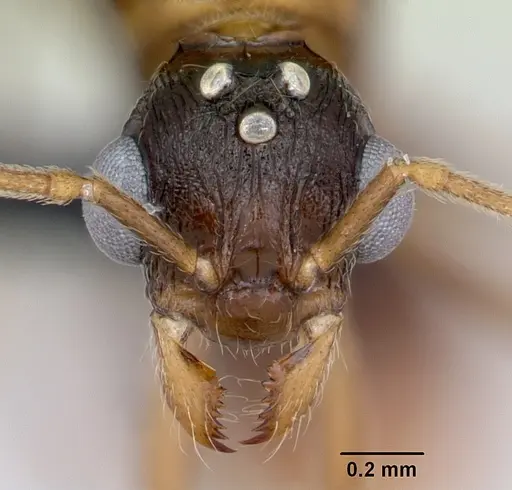
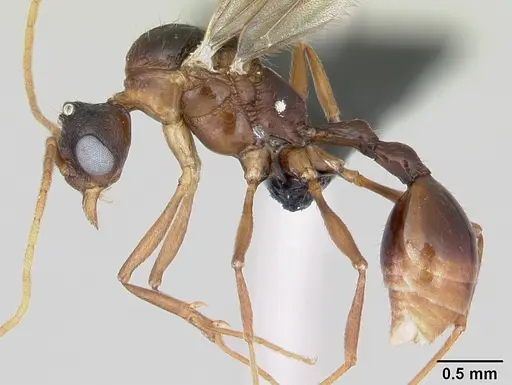
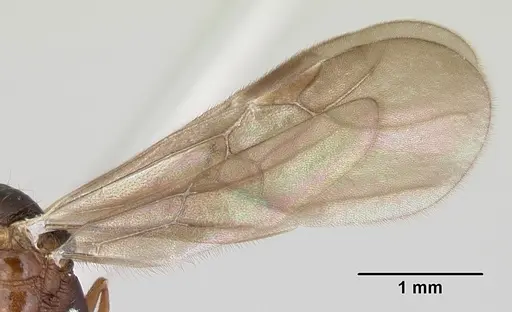
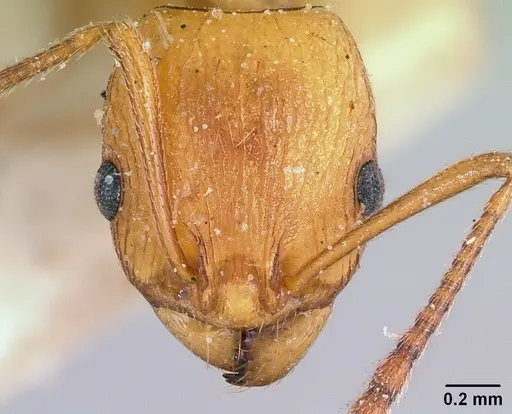
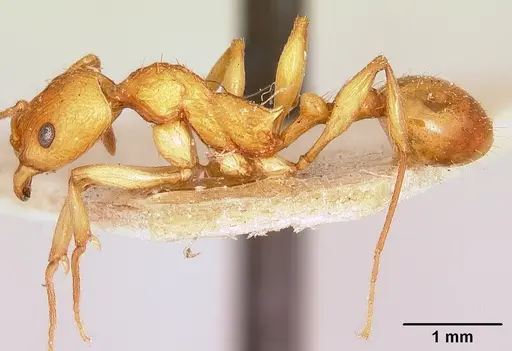
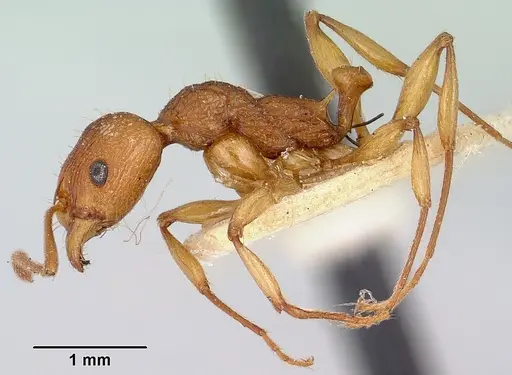
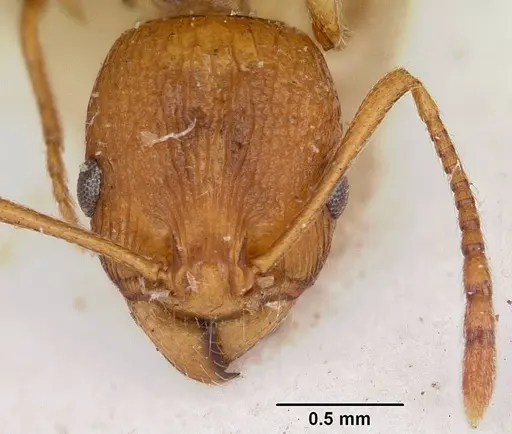
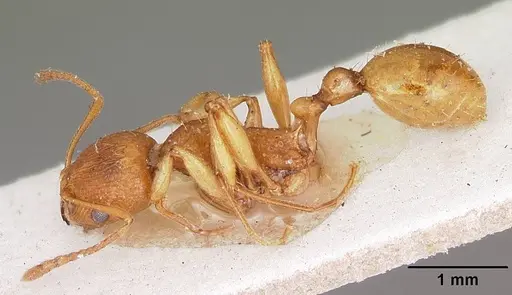
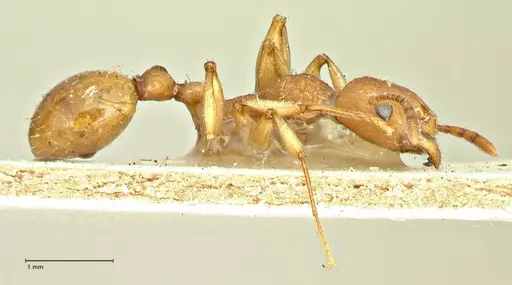
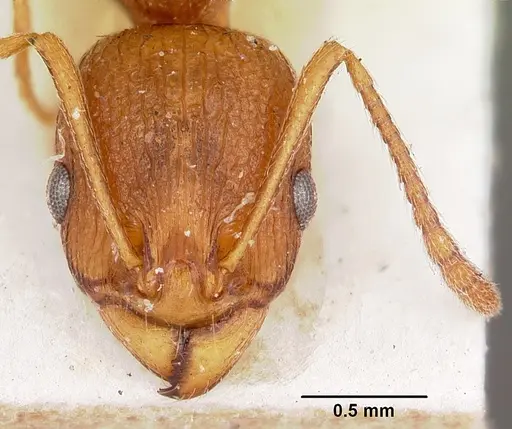
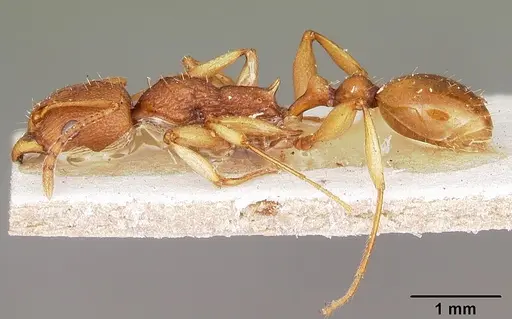
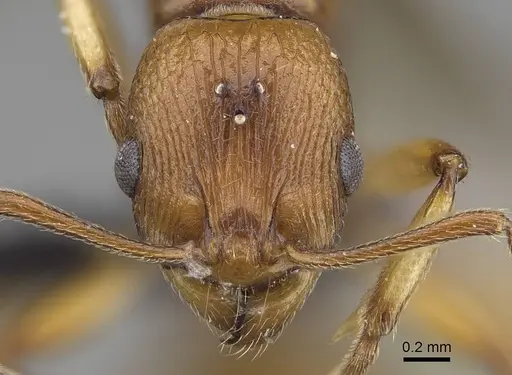
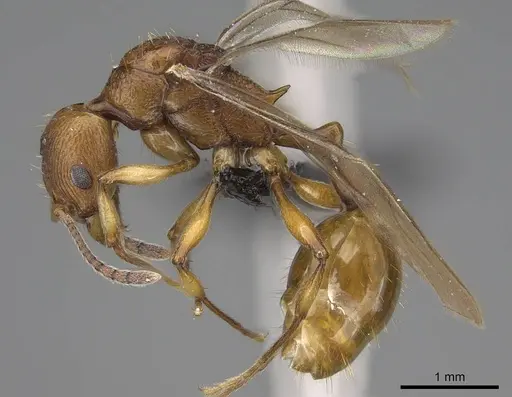
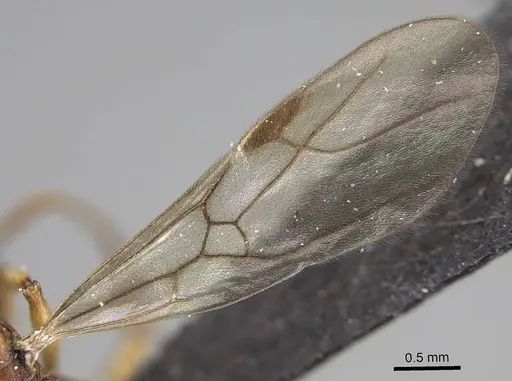
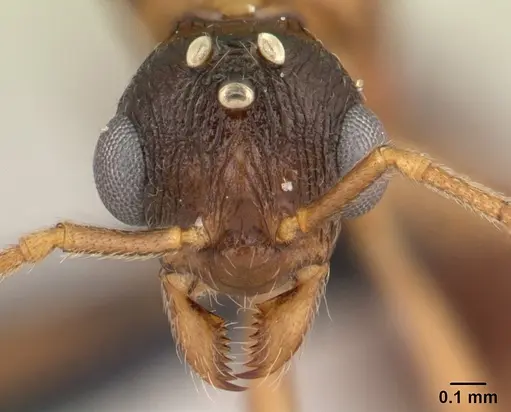
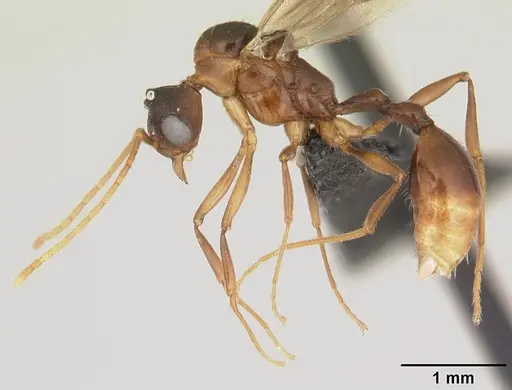
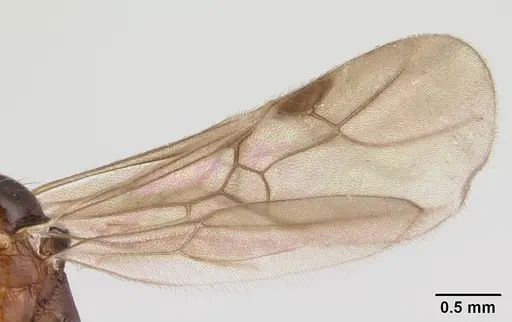
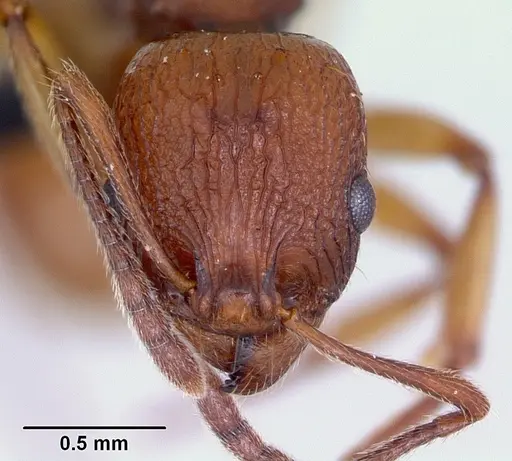
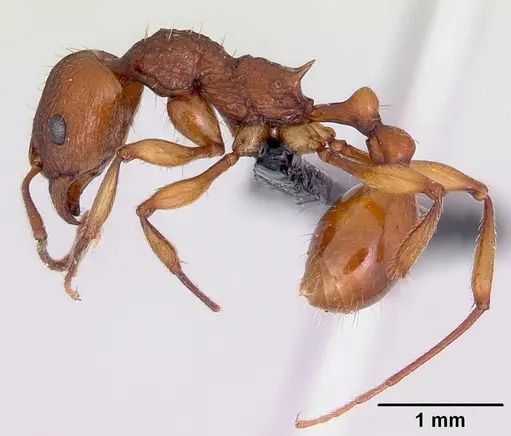
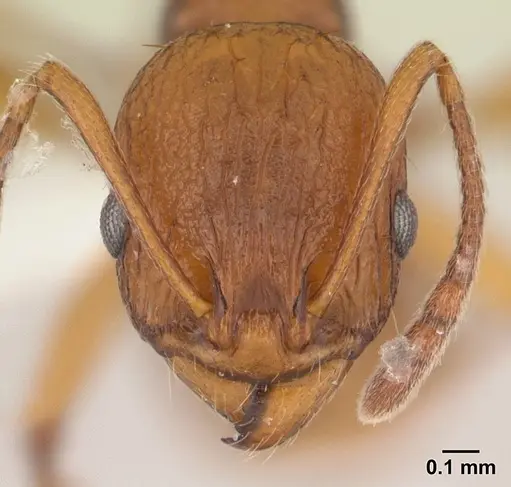
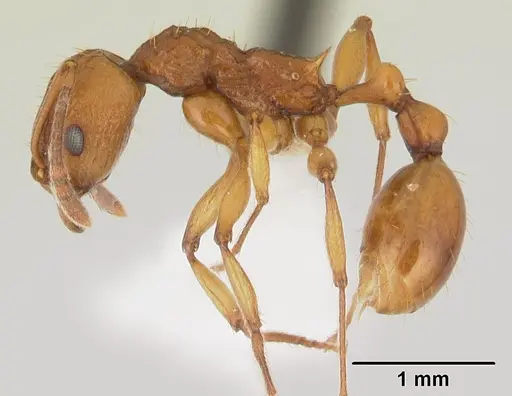
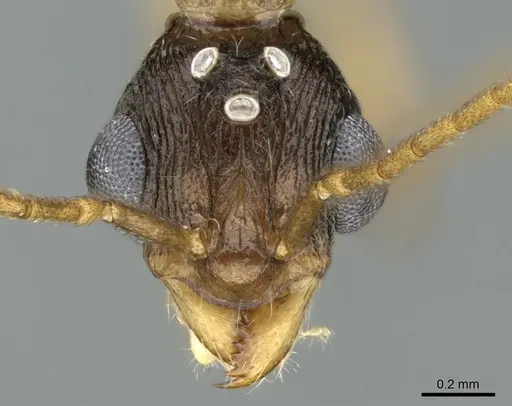
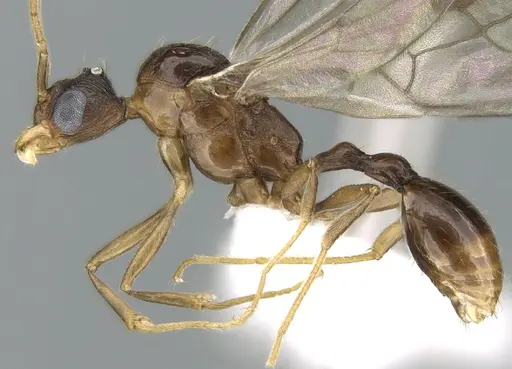
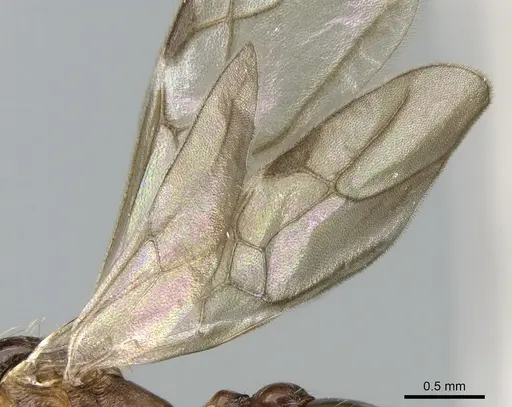
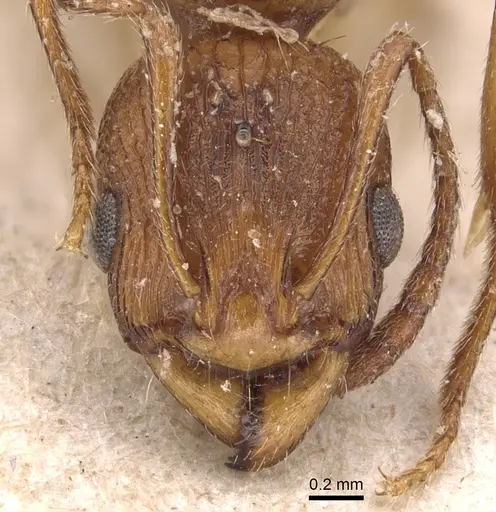
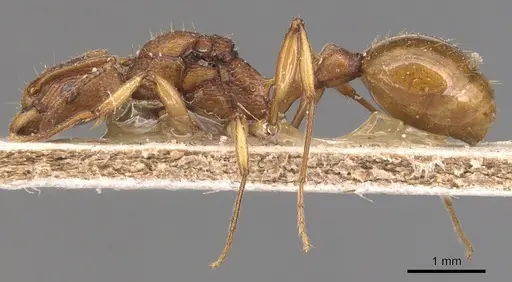
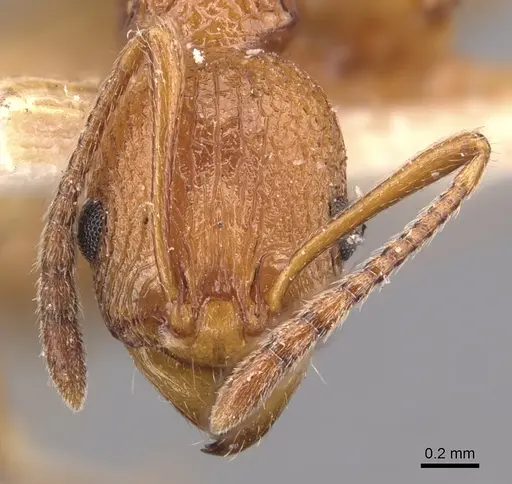
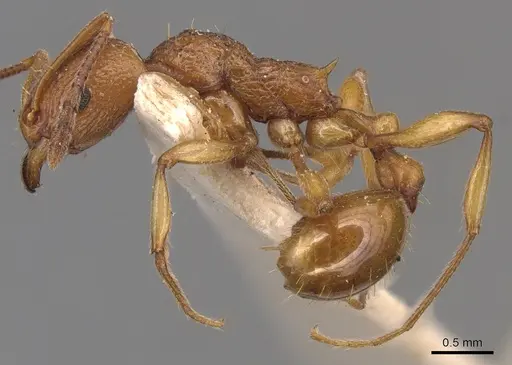
Malagidris belti is a medium-sized ant endemic to Madagascar, where it inhabits montane rainforest environments. Workers measure 4.9-5.4mm in total length and have an orange-brown to reddish coloration with distinctive longitudinal rugae on the head. The queens are larger at 6.0-6.2mm and are alate (winged). This species is primarily ground-nesting, with a unique preference for nesting in moss, though workers also forage in leaf litter and have been observed ascending low vegetation. The combination of moss nesting behavior and montane rainforest habitat makes this a humidity-dependent species with specific environmental needs.
Quick Summary
- Difficulty: Medium
- Origin & Habitat: Malagidris belti is endemic to Madagascar, specifically found in montane rainforest habitats [1]. The species nests in moss on the ground, and workers have been collected from leaf litter and by beating low vegetation, indicating they are ground-dwelling but will ascend plants to forage [2].
- Colony Type: Colony structure is unconfirmed. No documented data exists on whether this species is single-queen (monogyne) or multi-queen.
- Size & Growth:
- Antkeeping:
- Temperature: Montane rainforest suggests moderate temperatures, aim for roughly 20-24°C with a gentle gradient. Start in this range and observe colony activity to fine-tune.
- Humidity: High humidity is essential due to moss-nesting behavior. Keep the nest substrate consistently moist but not waterlogged. Provide a humid environment with some drier areas for the ants to self-regulate.
- Diapause: Unknown for this species. Madagascar has mild seasonal variation, so a winter dormancy period may not be required. Observe colony behavior for signs of reduced activity.
- Nesting: This species naturally nests in moss, suggesting they prefer humid, naturalistic setups. A naturalistic setup with moist substrate or a Y-tong/plaster nest with good humidity retention works well. The nest should have tight chambers scaled to their medium size.
- Behavior: Workers are active foragers that search both on the ground and in vegetation. They have relatively short propodeal spines and moderate pilosity. The species shows typical Myrmicinae foraging patterns, likely omnivorous, collecting nectar, honeydew, and small prey. Escape risk is moderate, use standard barrier methods. As a Myrmicinae species in the tribe Crematogastrini, this ant has a modified stinger used to smear venom onto enemies rather than pierce flesh.
- Common Issues: humidity management is critical, they nest in moss and likely die in dry conditions, wild-caught colonies may have parasites or diseases that are difficult to treat, lack of documented care information means keepers must experiment with conditions, slow growth or long development times may frustrate beginners expecting faster results, escape prevention should be adequate for medium-sized ants but they can climb well
Nest Preferences and Housing
In the wild, Malagidris belti nests in moss in montane rainforest environments, which tells us this species requires high humidity and likely benefits from a naturalistic setup. The workers have been collected from leaf litter and by beating low vegetation, showing they are comfortable moving between ground and plant surfaces. For captive care, a naturalistic terrarium-style setup with moist soil and moss covering part of the nest area works well. Alternatively, a Y-tong or plaster nest with good humidity retention can work, provided you maintain consistent moisture. The nest chambers should be appropriately sized for medium-sized ants, not too tight, not too spacious. Include both humid chambers and slightly drier areas so the ants can self-regulate their microclimate. [1][2]
Feeding and Diet
As a Myrmicinae species, Malagidris belti is likely omnivorous, similar to other ants in this subfamily. In the wild, they probably consume nectar from flowers, honeydew from aphids and scale insects, and small insects or other arthropods for protein. For captive colonies, offer a varied diet: sugar water or honey as an energy source, and protein sources like small crickets, mealworms, or fruit flies. The exact preferences of this species are unconfirmed, so experimentation may be needed. Feed protein 1-2 times per week and keep a sugar source available at all times. Remove uneaten prey after 24-48 hours to prevent mold.
Temperature and Environmental Conditions
Since Malagidris belti comes from Madagascar's montane rainforests, they likely prefer moderate temperatures with high humidity. Madagascar's climate is tropical, but montane areas are cooler than the lowlands. Aim for temperatures in the 20-24°C range, this provides a comfortable baseline. Use a heating cable on one side of the nest to create a gentle gradient if your room temperature runs cooler. Monitor colony behavior: if workers are clustered near the heat source, increase slightly, if they avoid heated areas, reduce temperature. Humidity is particularly important given their moss-nesting behavior, keep the nest substrate consistently moist but avoid standing water. Good ventilation helps prevent mold while maintaining humidity. [1]
Behavior and Colony Dynamics
Workers of Malagidris belti are active foragers that search both on the ground and in vegetation, as evidenced by specimens being collected from leaf litter and by beating low vegetation. They have relatively short propodeal spines and moderate pilosity (setae) distributed across their body. The species has not been extensively studied in terms of behavior, so specific traits like aggression level or foraging patterns are inferred from related Myrmicinae. Queens are alate (winged) and larger than workers at 6.0-6.2mm. Colony foundation has not been documented for this species. [1]
Defense Mechanism
As a member of the subfamily Myrmicinae and tribe Crematogastrini, Malagidris belti possesses a modified, flattened stinger adapted for smearing venom onto enemies rather than piercing flesh. This is a common defense strategy in this tribe. While the venom is not dangerous to humans, the ant can spread irritant compounds on any threat that gets close.
Acquiring and Establishing a Colony
Malagidris belti is endemic to Madagascar, making wild collection difficult and potentially harmful to native populations. The most ethical approach is to seek captive-bred colonies from specialized ant breeders who work with rare or exotic species. If obtaining a wild-caught colony, ensure you have proper permits and that collection is legal. When introducing a queen or colony to captivity, use a test tube setup initially with moist cotton as a water source. Allow the colony to settle for a few weeks before offering food. Given the limited documented care information for this species, be prepared to observe and adjust conditions based on colony behavior and health.
Frequently Asked Questions
How long does it take for Malagidris belti to produce first workers?
The exact development timeline is unknown, this species has not been studied in captivity. Development timing may differ from typical Myrmicinae patterns, so be prepared for a potentially longer wait.
What temperature should I keep Malagidris belti at?
Aim for 20-24°C based on their montane rainforest habitat in Madagascar. Use a heating cable on part of the nest to create a gentle gradient if needed, and adjust based on colony activity.
Do Malagidris belti ants sting?
Malagidris belti is a Myrmicinae ant with a modified stinger designed to smear venom rather than pierce. The venom is not considered dangerous to humans.
Are Malagidris belti good for beginners?
This species is not ideal for beginners due to limited documented care information and specific humidity requirements. The lack of established husbandry guidelines means you may need to experiment with conditions. Experienced antkeepers interested in rare Madagascar species would be better suited for this challenge.
What do Malagidris belti eat?
Like other Myrmicinae ants, they are likely omnivorous. Offer sugar water or honey for energy, and protein sources like small crickets, mealworms, or fruit flies. The exact preferences of this species are unconfirmed, so offer variety and observe what they accept.
How big do Malagidris belti colonies get?
Colony size data is not available for this species. Based on related Myrmicinae and their medium worker size, colonies likely reach several hundred workers over time, but this is an estimate.
Do Malagidris belti need hibernation?
Diapause requirements are unknown for this species. Madagascar has mild seasonal variation, so a true hibernation period may not be necessary. Monitor your colony for seasonal changes in activity and adjust care accordingly.
Can I keep multiple Malagidris belti queens together?
Colony structure (monogyne vs polygyne) has not been documented for this species. Until more information is available, it is not recommended to combine unrelated queens, as fighting is likely.
What type of nest should I use for Malagidris belti?
Given their moss-nesting behavior in the wild, a naturalistic setup with moist substrate and live or artificial moss works well. Alternatively, a Y-tong or plaster nest with good humidity retention is suitable. The key is maintaining high humidity.
Why is my Malagidris belti colony declining?
The most likely causes are improper humidity (too dry), temperature stress, or poor nutrition. Since this species requires high humidity from mossy environments, dry conditions are particularly harmful. Ensure the nest substrate stays consistently moist. Also check for parasites, which commonly affect wild-caught colonies.
Report an Issue
The current care sheet is based fully on literature. See inconsistencies, or something that's incorrect? Please , it will be resolved after review from an admin. Contributing to the blogs tab also helps providing information, to make us be able to further improve the caresheets. Thank you for your support!
References

This caresheet is licensed under CC BY-SA 4.0 .
CASENT0012721
View on AntWeb


CASENT0078774
View on AntWeb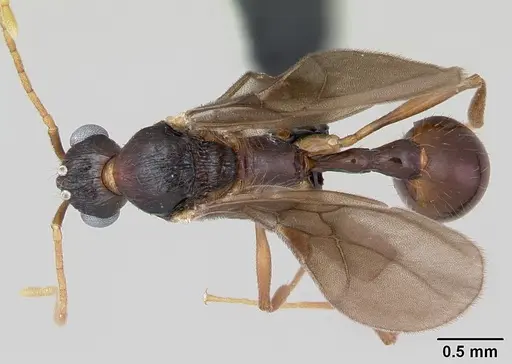
CASENT0101063
View on AntWeb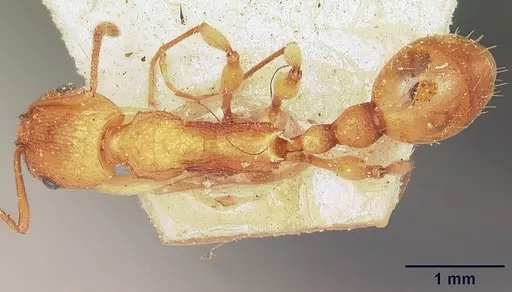
CASENT0101064
View on AntWeb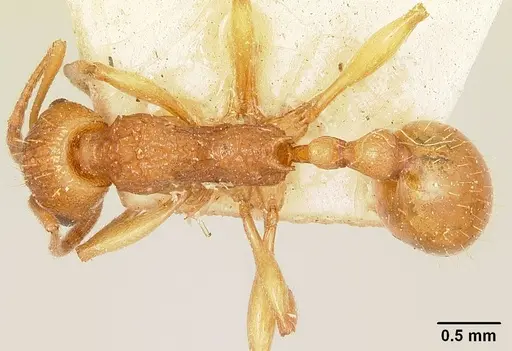
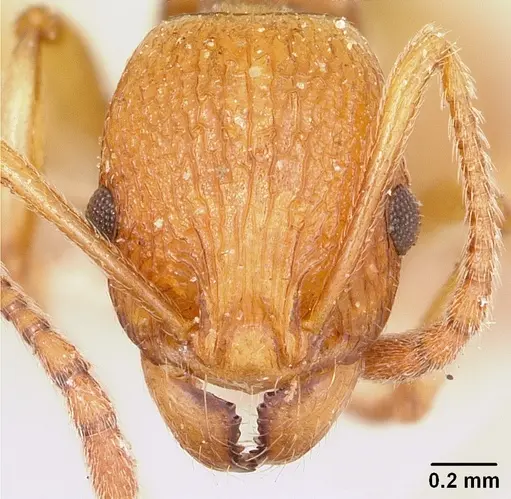
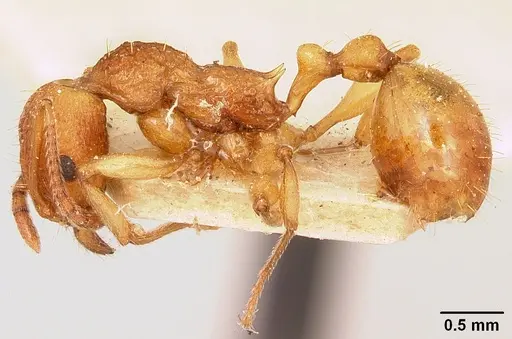
CASENT0101648
View on AntWeb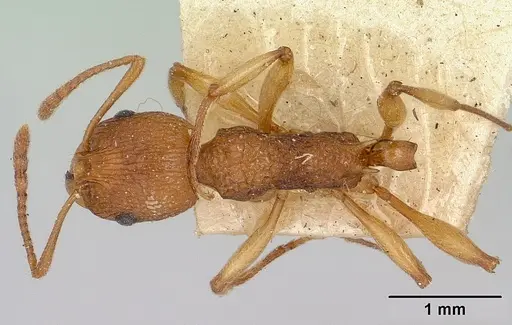
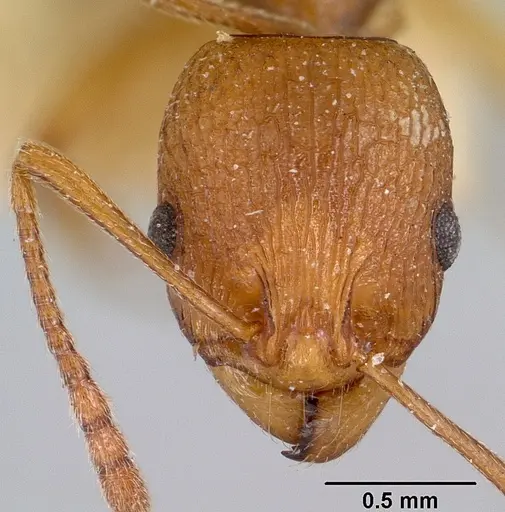
CASENT0104608
View on AntWeb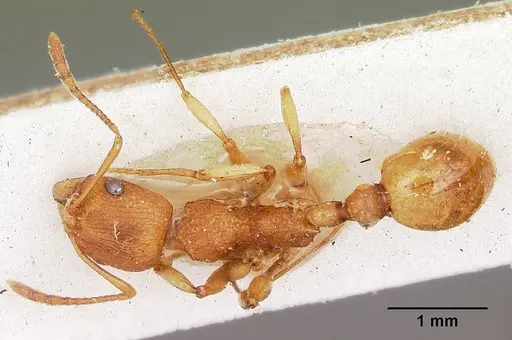
CASENT0104609
View on AntWeb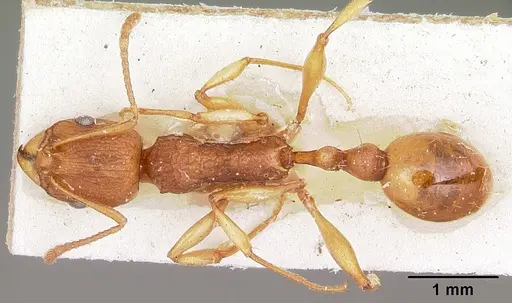
CASENT0114653
View on AntWeb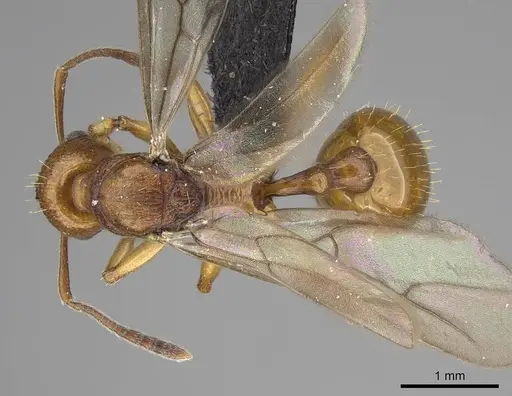
CASENT0116003
View on AntWeb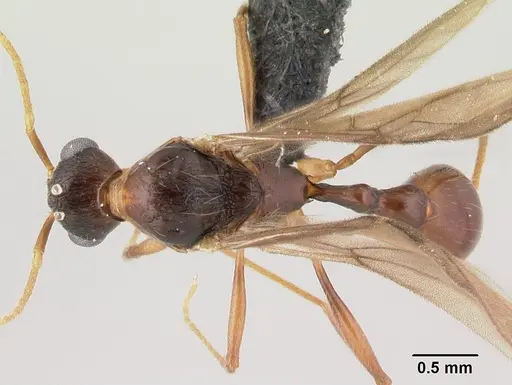
CASENT0119117
View on AntWeb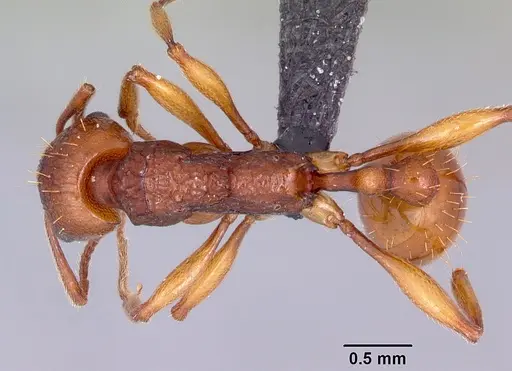
CASENT0127740
View on AntWeb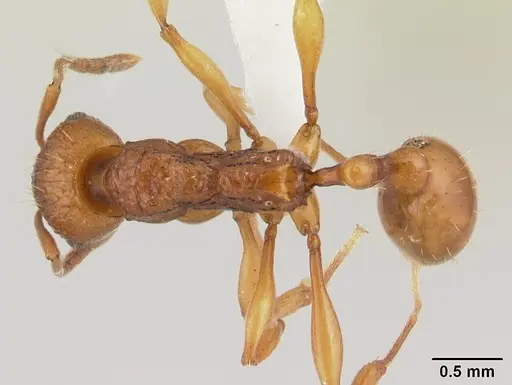
CASENT0195167
View on AntWeb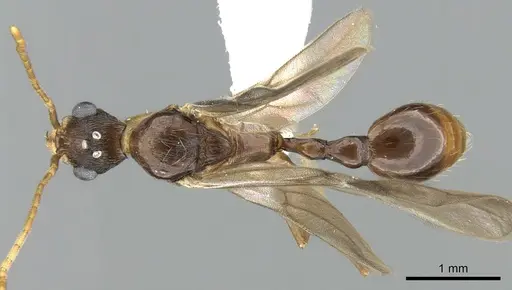
CASENT0904715
View on AntWeb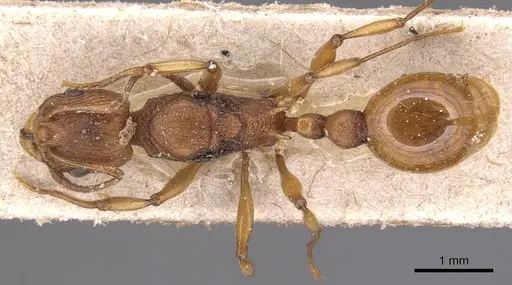
CASENT0904716
View on AntWeb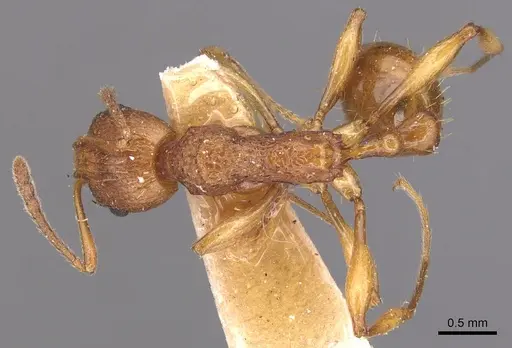
Literature
Loading...Loading products...