

Malagidris alperti
- Scientific Name
- Malagidris alperti
- Tribe
- Crematogastrini
- Subfamily
- Myrmicinae
- Author
- Bolton & Fisher, 2014
- Distribution
- Found in 1 countries
Malagidris alperti Overview
Malagidris alperti is an ant species of the genus Malagidris. It is primarily documented in 1 countries , including Madagascar. Detailed taxonomic data and occurrence records can be further explored via authoritative databases such as AntWeb or the Global Biodiversity Information Facility (GBIF).
Malagidris alperti
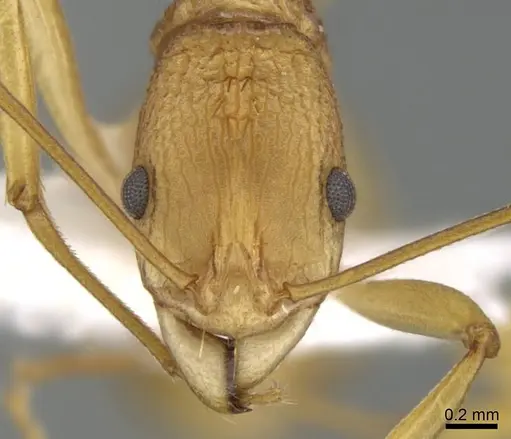
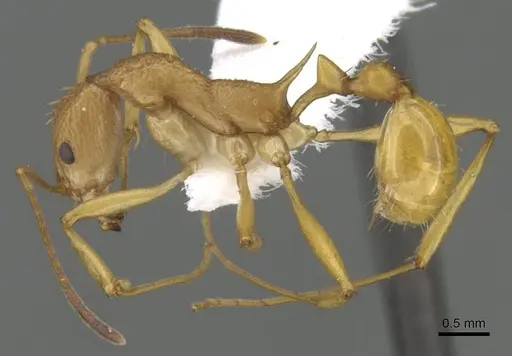
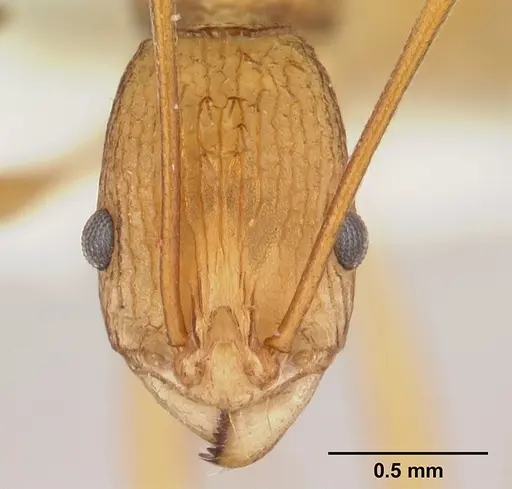
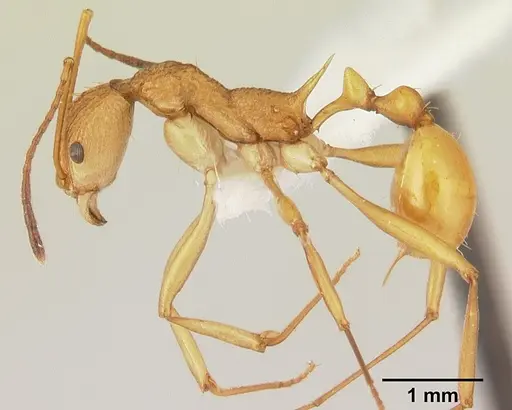
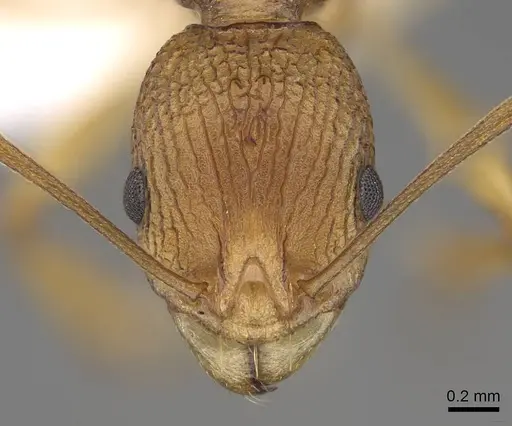
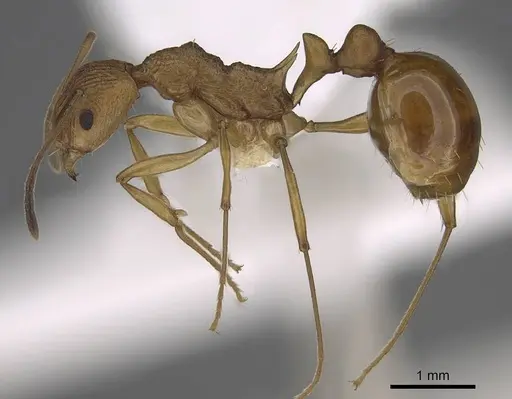
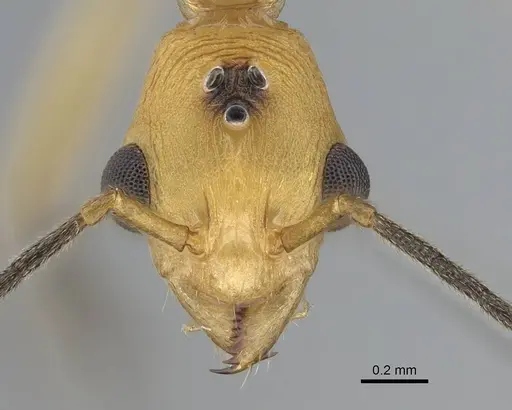
Malagidris alperti is a medium-sized ant endemic to Madagascar, with workers measuring 5.8-6.5mm [1]. Workers are yellow to light orange-yellow with distinctive long scapes, elongated body, and notably long propodeal spines [1]. The head has a characteristic indentation visible in profile behind the eyes, and the dorsum shows sharp longitudinal sculpturing [1]. This species belongs to the Myrmicinae subfamily and is closely related to Eutetramorium. The most unusual trait is their ergatoid queen, a wingless reproductive that develops from a worker-like form rather than the typical winged queen [1]. They inhabit lowland secondary forest and littoral forest in Madagascar, foraging on the ground [1].
Quick Summary
- Difficulty: Expert
- Origin & Habitat: Endemic to Madagascar, found in lowland secondary forest and littoral forest where they forage on the ground [1]. This is a rare genus with limited distribution.
- Colony Type: Single-queen colonies with ergatoid replacement reproductives. The queen is wingless (ergatoid), which means she cannot fly, she develops from a worker-like form and mates on the ground [1]. This is different from typical ants where queens are winged and fly to start new colonies.
- Colony: Monogyne
- Size & Growth:
- Queen: 6.8mm (ergatoid queen) [1]
- Worker: 5.8-6.5mm [1]
- Colony: Unknown, no colony size data available
- Growth: Unknown, no development data available
- Development: Unknown, no direct development studies exist. Based on related Malagidris and Myrmicinae patterns, estimate 6-10 weeks at optimal temperature. (No species-specific development data exists. Related genera suggest moderate growth rates.)
- Antkeeping:
- Temperature: No specific data exists. Based on Madagascar lowland forest habitat (tropical), aim for 24-28°C with a slight gradient. Monitor colony activity and adjust accordingly.
- Humidity: Based on lowland forest habitat, they prefer moderate to high humidity (60-80%). Keep the nest substrate consistently moist but not waterlogged.
- Diapause: Unknown, no seasonal data available for this species. Madagascar is tropical with year-round warm conditions, so diapause may not be required.
- Nesting: No specific nesting data exists. Based on ground-foraging behavior, they likely nest in soil or rotting wood. A naturalistic setup with soil substrate or a Y-tong/plaster nest with moisture retention would be appropriate.
- Behavior: Workers are ground-foragers in Madagascar's lowland forests. No specific aggression or stinging data is available for this species, but Myrmicinae ants can sting. Their small size (under 7mm) means escape prevention should be taken seriously, use tight-fitting lids and appropriate barriers. The ergatoid queen system means colonies may have replacement reproductives available if the primary queen dies.
- Common Issues: no captive husbandry data exists, this is an extremely rare species in the hobby with no established care protocols, ergatoid queens cannot fly, which affects how new colonies are established compared to typical ants, tropical species may be sensitive to temperature drops below 20°C, no documented diet acceptance, unknown what foods they will readily accept in captivity, wild-caught colonies may carry parasites or diseases not well-understood
Understanding Ergatoid Queens
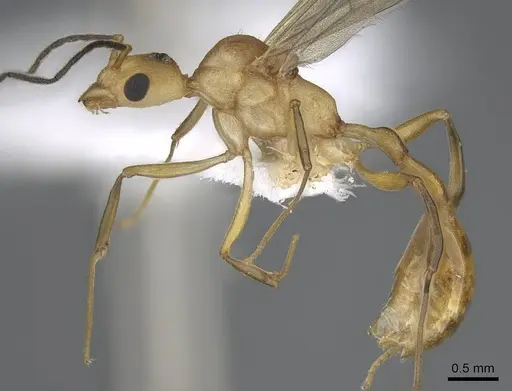
Malagidris alperti has an ergatoid queen, this is one of the most unusual aspects of this species. Unlike typical ant queens that are winged and fly away to start new colonies, ergatoid queens are wingless and develop from worker-like forms [1]. They have reduced or absent ocelli (simple eyes) and their overall morphology is more similar to workers than to typical winged queens [1]. This means the queen cannot fly to find a mate or establish a new colony away from the nest. Instead, mating likely occurs on or near the nest, and new colony establishment may involve different behaviors than what most antkeepers are used to. The presence of ergatoid reproductives also means the colony has built-in replacement queens if the primary queen dies or becomes unable to reproduce, a survival mechanism that makes the colony more resilient.
Housing and Nest Setup
Since no captive husbandry data exists for this species, recommendations are based on inference from their natural habitat. They forage on the ground in lowland Madagascar forests, so a naturalistic setup with a soil substrate would closely mimic their natural environment. The substrate should be kept moderately moist to support the humidity levels they naturally experience. A Y-tong or plaster nest with good moisture retention would also work well, as these materials help maintain stable humidity. Given their worker size of 5.8-6.5mm, standard nest chambers sized for medium Myrmicinae are appropriate. Ensure escape prevention is adequate, while not tiny, they can still fit through small gaps. Provide a temperature gradient in the 24-28°C range, with a cooler area available if the colony needs to regulate. [1]
Feeding and Diet
The natural diet of Malagidris alperti has not been documented in scientific literature. As ground-foraging Myrmicinae, they likely have a varied diet similar to other forest-floor ants in the Crematogastrini tribe. Start with protein sources like small insects (fruit flies, small mealworms, crickets) and offer sugar sources (honey water, sugar water) to test acceptance. Given their Madagascar forest habitat, they may have access to honeydew from aphids or scale insects in the wild. Observe your colony's preferences and adjust feeding accordingly. As a precaution, provide protein regularly (2-3 times per week) and keep sugar water available at all times. Remove uneaten prey after 24-48 hours to prevent mold.
Temperature and Seasonal Care
No specific temperature studies exist for this species, but their Madagascar lowland forest habitat provides clues. Madagascar's lowlands are tropical with year-round warm temperatures, typically 24-30°C. Keep your colony in this range, ideally around 26°C. A heating cable or mat on one side of the nest creates a gradient allowing the ants to self-regulate. Place heating on top of the nest to avoid drying out the substrate. Since no diapause data exists and Madagascar lacks cold winters, this species likely does not require hibernation. Maintain consistent warm temperatures year-round. Watch for signs of stress, if workers cluster away from heated areas, reduce temperature, if they become sluggish, slightly increase it. [1]
Colony Establishment and Growth
Establishing a colony of this species presents unique challenges. The ergatoid queen cannot fly, so you will likely need to obtain an already-established colony rather than attempting to found one from a lone queen. Colony size data does not exist in scientific literature, but based on worker size and related genera, colonies likely reach several hundred workers over time. Growth rate is unknown, expect a moderate pace typical of medium-sized Myrmicinae. The ergatoid queen system may allow for more stable colony development since replacement reproductives are available if needed. Be patient with growth, as this is not a commonly kept species and there is no established baseline for captive development timelines. [1]
Frequently Asked Questions
How do I start a Malagidris alperti colony?
Starting a colony is challenging because ergatoid queens cannot fly. Unlike typical ants where you can catch a flying queen, you will likely need to obtain an already-established colony. The ergatoid queen mates on or near the nest rather than during a nuptial flight, so colony establishment methods differ from standard antkeeping.
What do Malagidris alperti ants eat?
Their natural diet is unstudied. Based on related forest-floor Myrmicinae, offer small insects (fruit flies, pinhead crickets, small mealworms) as protein and sugar sources (honey water, sugar water) to test acceptance. Start with protein 2-3 times weekly and keep sugar water available constantly.
What temperature do Malagidris alperti ants need?
No specific studies exist, but their Madagascar lowland forest habitat suggests 24-28°C. Aim for around 26°C as a starting point and create a slight gradient so ants can self-regulate. Avoid temperatures below 20°C.
Do Malagidris alperti ants need hibernation?
Diapause requirements are unknown. Based on their tropical Madagascar habitat with year-round warm conditions, hibernation is likely not required. Maintain consistent temperatures year-round.
Are Malagidris alperti good for beginners?
No. This is an expert-level species because no captive husbandry data exists, they are extremely rare in the antkeeping hobby, and their ergatoid queen system differs from typical antkeeping. There are no established care protocols to follow.
How big do Malagidris alperti colonies get?
Maximum colony size is unknown, no scientific data exists on colony size for this species. Based on worker size and related genera, expect several hundred workers at maturity.
Do Malagidris alperti ants sting?
Stinging behavior has not been documented for this species. As Myrmicinae, they have a stinger but its use and potency are unknown. Given their small to medium size (under 7mm), any sting would likely be mild if present.
Can I keep multiple Malagidris alperti queens together?
Colony structure data is limited. The species has ergatoid (wingless) queens that serve as replacement reproductives, but this is different from multiple founding queens. Combining unrelated queens has not been studied and is not recommended.
Why is my Malagidris alperti colony not growing?
Without any captive data, diagnosing growth issues is extremely difficult. Ensure temperatures are in the 24-28°C range, humidity is moderate-high (60-80%), and protein is offered regularly. This species may simply have slow growth rates, or there may be unknown requirements not met. Consider consulting with experienced keepers who have worked with rare Malagasy species.
References

This caresheet is licensed under CC BY-SA 4.0 .
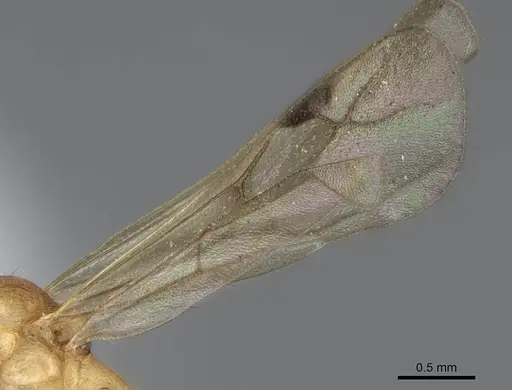
CASENT0170928
View on AntWeb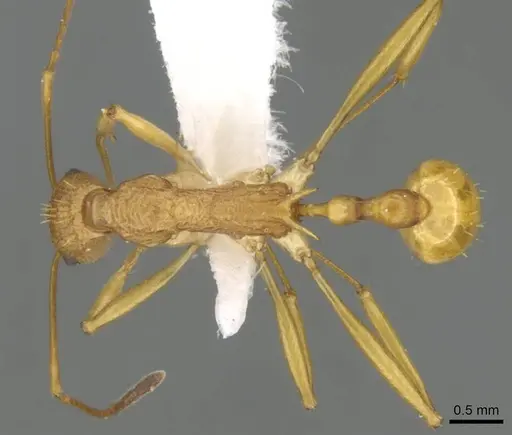
CASENT0170958
View on AntWeb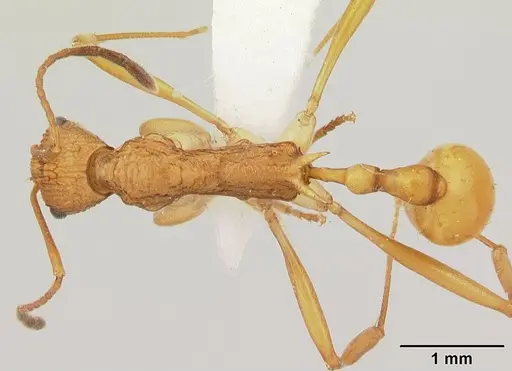
CASENT0248384
View on AntWeb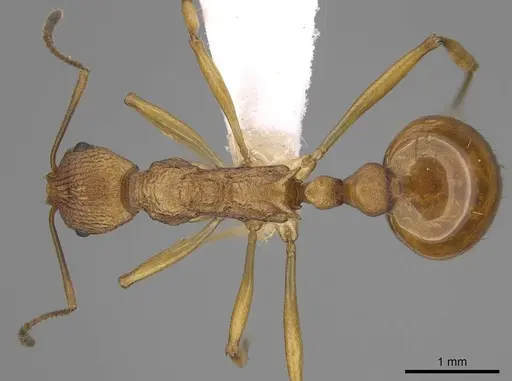
CASENT0248385
View on AntWeb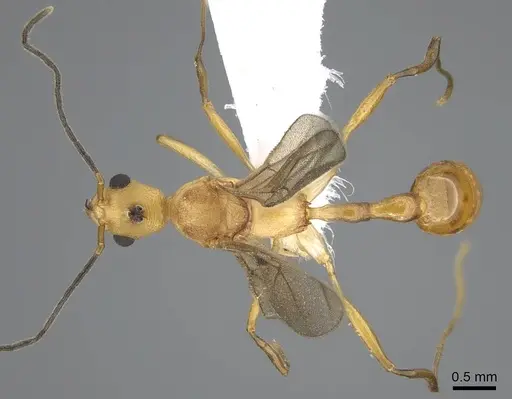
Literature
Loading...Loading products...