

Loweriella boltoni
- Scientific Name
- Loweriella boltoni
- Tribe
- Bothriomyrmecini
- Subfamily
- Dolichoderinae
- Author
- Shattuck, 1992
- Distribution
- Found in 3 countries
Loweriella boltoni Overview
Loweriella boltoni is an ant species of the genus Loweriella. It is primarily documented in 3 countries , including Brunei Darussalam, Indonesia, Malaysia. Detailed taxonomic data and occurrence records can be further explored via authoritative databases such as AntWeb or the Global Biodiversity Information Facility (GBIF).
Loweriella boltoni
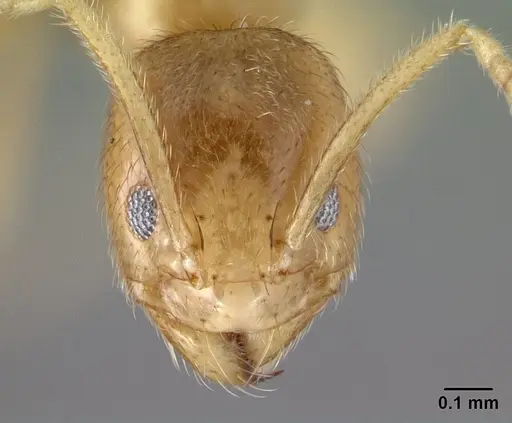
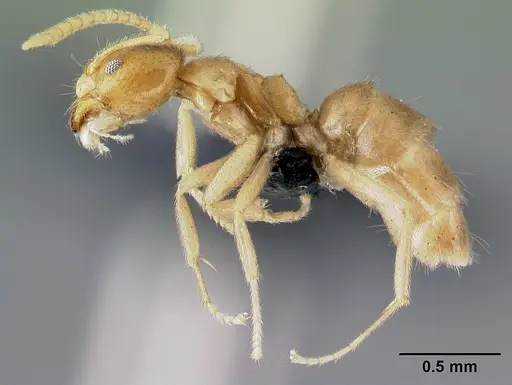
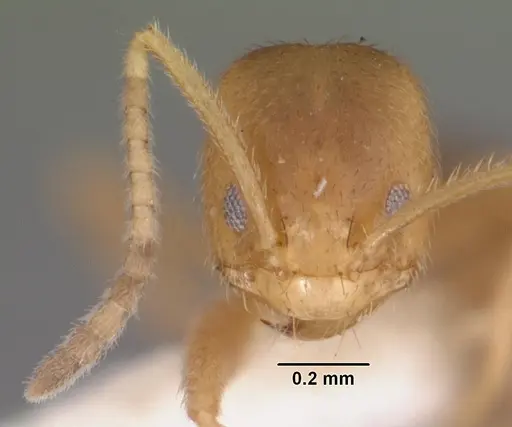
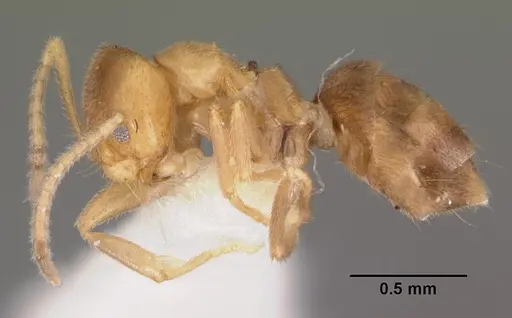
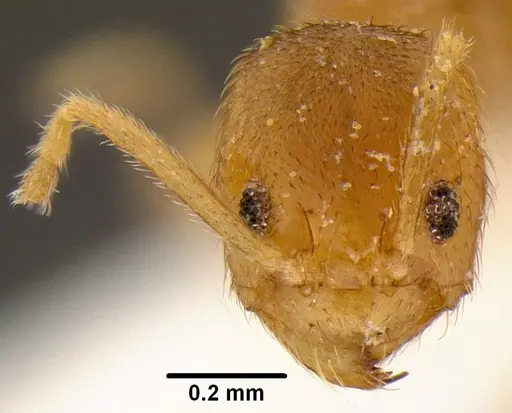
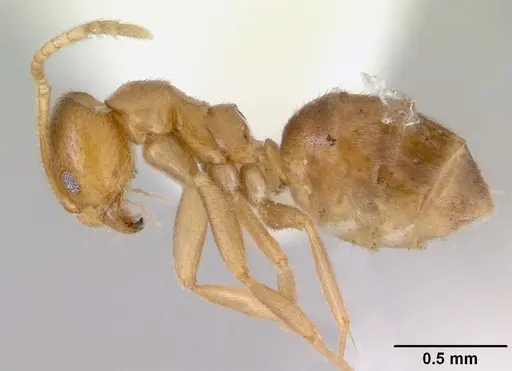
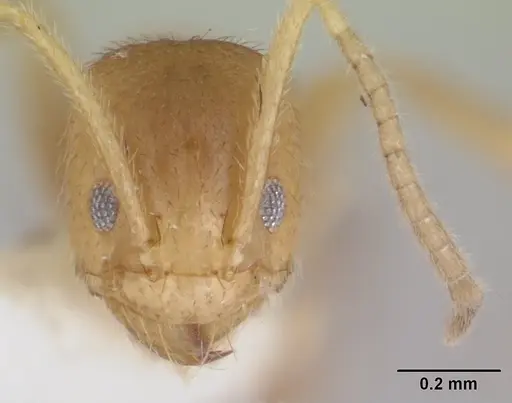
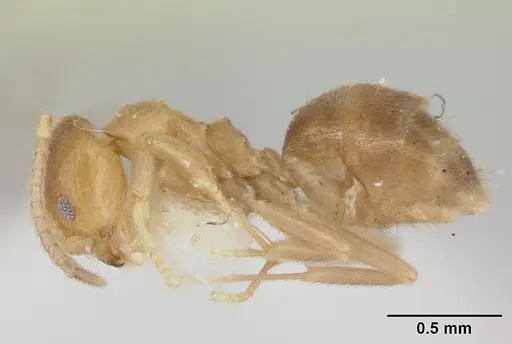
Loweriella boltoni is an extremely rare rainforest ant and the sole member of its genus. Workers are tiny, measuring just 0.48-0.51mm in head width, with a light yellowish-brown coloration [1]. This species is known only from northwestern Borneo, specifically northern Sarawak in Malaysia and Brunei, where it inhabits lowland dipterocarp rainforests [2][1]. Most specimens have been collected from leaf litter samples, with a single collection from the base of a tree [1]. The genus is placed in the tribe Bothriomyrmecini and shares morphological similarities with Bothriomyrmex, including a broadly convex clypeus and relatively small compound eyes, but can be distinguished by its well-developed frontal carina and other specific anatomical features [1]. Almost nothing is known about this species' biology in the wild, making it one of the most poorly documented ants in the hobby.
Quick Summary
- Difficulty: Expert
- Origin & Habitat: Northwestern Borneo (northern Sarawak, Malaysia and Brunei), lowland dipterocarp rainforest [2][1]
- Colony Type: Unknown, no queens, males, or larvae have ever been collected [1]
- Size & Growth:
- Queen: Unknown, queens have never been collected [1]
- Worker: 0.48-0.51mm head width, workers measure approximately 2-3mm total length [1]
- Colony: Unknown, likely small based on typical leaf-litter ant patterns
- Growth: Unknown
- Development: Unknown, no brood development data exists (No data available, estimates based on related Dolichoderinae suggest 4-8 weeks at tropical temperatures, but this is purely speculative)
- Antkeeping:
- Temperature: Warm tropical conditions, aim for 24-28°C based on its lowland rainforest origin. Use a heating cable on one side of the nest to create a gentle gradient
- Humidity: High humidity required, these are rainforest floor ants. Keep the nest substrate consistently moist but not waterlogged. Provide a water tube for drinking access. Mist the outworld occasionally
- Diapause: Unknown, as a tropical species from Borneo, diapause is unlikely but not confirmed
- Nesting: Naturalistic setup with moist substrate works best. Given their tiny size and rainforest origin, a Y-tong or acrylic nest with tight chambers and good moisture retention would be appropriate. Provide multiple small chambers scaled to their minute size
- Behavior: No behavioral observations have been documented in scientific literature. Based on related Dolichoderinae and their tiny size, they are likely docile and not aggressive. Workers probably forage individually or in small groups on the forest floor, searching for honeydew and tiny prey. Escape prevention is critical due to their extremely small size, they can squeeze through the tiniest gaps. Use fine mesh and tight-fitting barriers
- Common Issues: almost no biological data exists, keepers are essentially pioneering captive care for this species, tiny size makes escape prevention challenging, standard barriers may not contain them, no confirmed diet preferences, keepers must experiment to determine accepted foods, colony structure unknown, we don't know if they are single-queen or multi-queen, no hibernation data, seasonal care requirements are entirely unknown, no documented founding behavior, claustral vs semi-claustrl is unknown
Discovery and Rarity
Loweriella boltoni was described by Shattuck in 1992 and remains known only from a handful of specimens collected in Borneo [1]. This makes it one of the rarest ants in the antkeeping hobby, with virtually no biological data available. The fact that no queens, males, or larvae have ever been collected speaks to how elusive this species is, workers are rarely encountered even in their natural habitat [1]. Most specimens come from leaf litter extractions, suggesting they live in the dark, humid microhabitat of the forest floor. For antkeepers, this represents both a challenge and an opportunity: you will be among the first to attempt captive husbandry for a species that has never been scientifically studied in captivity.
Natural Habitat and Distribution
This species is endemic to northwestern Borneo, specifically found in northern Sarawak (Malaysia) and Brunei [1]. The type locality and all known collections come from lowland dipterocarp rainforest, a hot, humid tropical environment with consistent year-round temperatures. Collections have been made using pitfall traps in these forests, confirming their presence in ground-level microhabitats [2]. The combination of being found in leaf litter and at the base of trees suggests they nest in rotting wood, under bark, or in the soil beneath leaf cover, typical behavior for small Dolichoderinae in tropical rainforests. Their restricted distribution to a relatively small geographic area makes wild collection difficult and emphasizes the value of any captive colonies for understanding this species.
Identification and Morphology
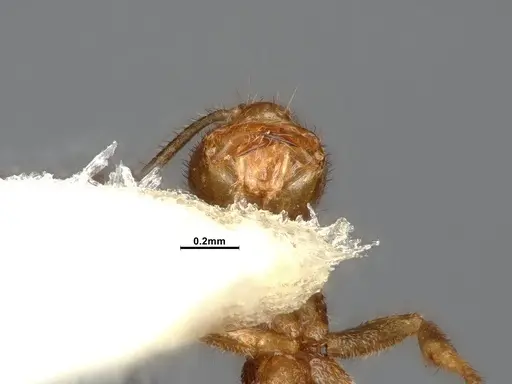
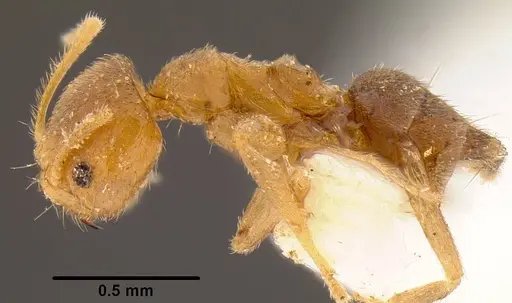
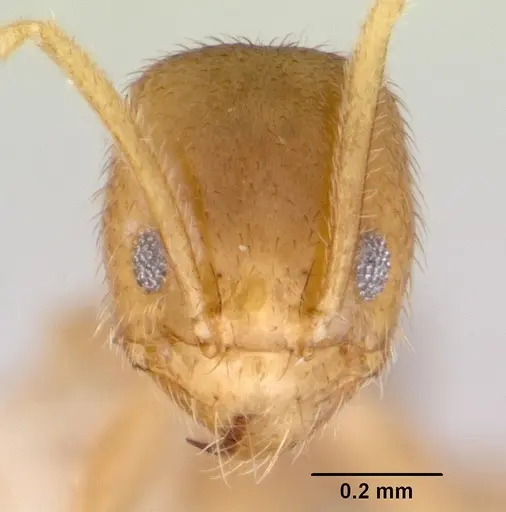
Workers are tiny, measuring only 0.48-0.51mm in head width, making them among the smallest ants in the Dolichoderinae subfamily [1]. They have a light yellowish-brown coloration and are covered with coarse, semi-erect to decumbent hairs across most of their body. The species can be distinguished from the similar genus Bothriomyrmex by several key features: a well-developed frontal carina, a notched medial hypoclypeus, mandibles with more teeth, and a distinctive keel-shaped fourth gastral sternite [1]. The broadly convex anterior clypeal margin and relatively small compound eyes are shared with Bothriomyrmex, which is why these genera were historically confused. For keepers, their tiny size means extreme care is needed when handling and housing them, they can easily escape through standard mesh barriers.
Housing and Care Recommendations
Since no captive husbandry data exists for this species, care must be based on inference from related Dolichoderinae and their natural habitat. Provide a naturalistic or acrylic nest with small chambers scaled to their minute size, passages should be narrow and tight. Maintain high humidity similar to rainforest floor conditions: substrate should feel consistently moist but never waterlogged. Temperature should be warm, in the 24-28°C range, which is typical for lowland tropical species. A heating cable on one side of the nest creates an appropriate thermal gradient. For escape prevention, use fine mesh (at least 0.5mm or smaller) as standard barriers will not contain these tiny ants. Feed small live prey like fruit flies, springtails, or other micro-arthropods, along with occasional sugar sources like diluted honey or sugar water. Start with very small portions and observe what workers accept.
Feeding and Diet
The diet of Loweriella boltoni has not been documented in scientific literature. However, based on typical Dolichoderinae behavior and their small size, they likely forage for honeydew from aphids and scale insects, plus small soft-bodied arthropods in the leaf litter. In captivity, offer small live prey items such as fruit flies (Drosophila), springtails, or tiny mealworm pieces. Sugar sources should also be offered, diluted honey, sugar water, or commercial ant nectars are often accepted by Dolichoderinae. Start with tiny portions and observe which items workers actually consume. Remove uneaten food after 24-48 hours to prevent mold. Given how little we know about this species, keepers should experiment carefully and document what foods are accepted.
Colony Structure and Reproduction
This is perhaps the most significant knowledge gap for Loweriella boltoni. No queens, males, or larvae have ever been collected, meaning we have no direct information about their colony structure, founding behavior, or reproductive biology [1]. The genus is placed in the tribe Bothriomyrmecini, which includes other Dolichoderinae that may exhibit various colony structures. Based on related genera, they are likely claustral founders (queen seals herself in and raises first workers on stored fat), but this is unconfirmed. Keepers obtaining wild colonies should observe carefully for any queen presence and document colony development over time. Any captive reproduction would represent significant new knowledge for science.
Frequently Asked Questions
How long does it take for Loweriella boltoni eggs to develop into workers?
This is entirely unknown, no scientific data exists on brood development for this species. Based on typical Dolichoderinae patterns in tropical environments, development might take 4-8 weeks at warm temperatures, but this is a pure estimate with no supporting data.
What do Loweriella boltoni ants eat?
Their diet has not been documented. Based on related Dolichoderinae, they likely accept small live prey (fruit flies, springtails) and sugar sources (honey, sugar water). Start with tiny portions and observe what workers actually consume.
Can I keep multiple queens of Loweriella boltoni together?
We don't know, no queens have ever been collected, so colony structure is completely unknown. Do not attempt combining unrelated queens until more is known about their natural colony structure.
What temperature should I keep Loweriella boltoni at?
Based on their lowland rainforest origin in Borneo, aim for warm tropical temperatures around 24-28°C. A heating cable on one side of the nest can create an appropriate gradient.
Are Loweriella boltoni good for beginners?
No, this species is not recommended for beginners. Almost nothing is known about their care requirements, and they are among the rarest and most poorly documented ants in captivity. They require expert-level attention to humidity, temperature, and escape prevention.
How big do Loweriella boltoni colonies get?
Unknown, no large colonies have been documented. Based on typical leaf-litter ant patterns, colonies are likely small, possibly under 100 workers.
Do Loweriella boltoni need hibernation?
Unlikely, as a tropical species from Borneo, they probably do not require a diapause period. However, this has not been studied.
Why are my Loweriella boltoni dying?
Without any captive data, causes of mortality are speculative. Common issues with poorly-known species include: inappropriate humidity (too dry or too wet), temperature stress, escape-related losses, and stress from captivity. Document your setup and conditions carefully when attempting to keep this species.
When should I move Loweriella boltoni to a formicarium?
There is no established guidance for this species. Given their tiny size and likely preference for humid conditions, keeping them in a test tube with good moisture access is advisable until the colony grows substantially. A naturalistic setup with moist substrate would be more appropriate than a dry formicarium.
References

This caresheet is licensed under CC BY-SA 4.0 .
CASENT0009998
View on AntWeb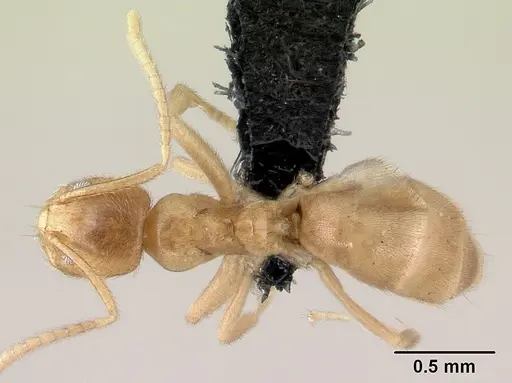
CASENT0102371
View on AntWeb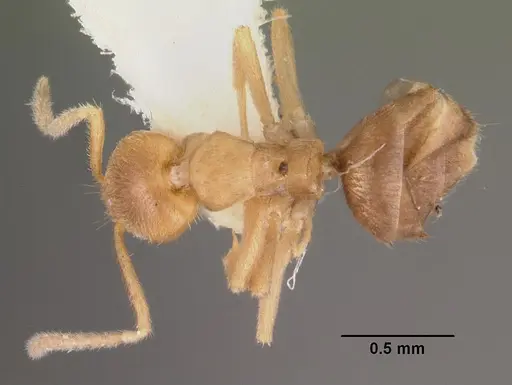
CASENT0106173
View on AntWeb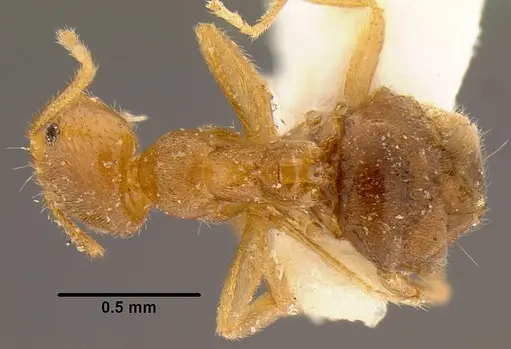
CASENT0172291
View on AntWeb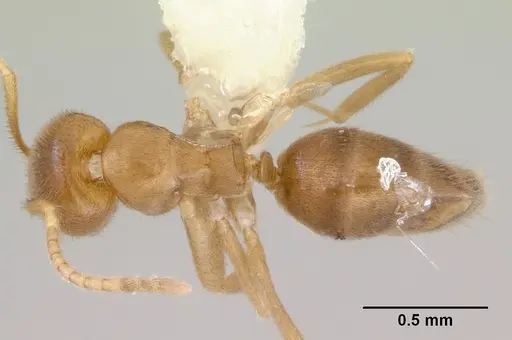
CASENT0178492
View on AntWeb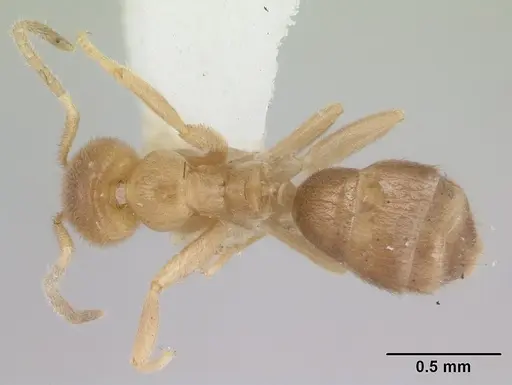
CASENT0317913
View on AntWeb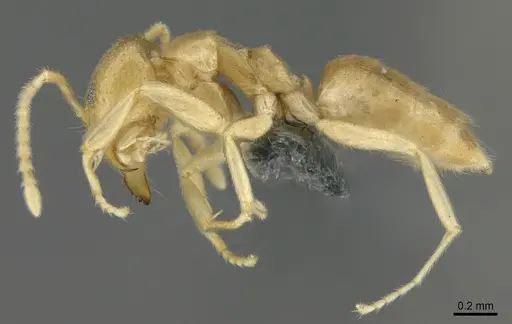
CASENT0379723
View on AntWeb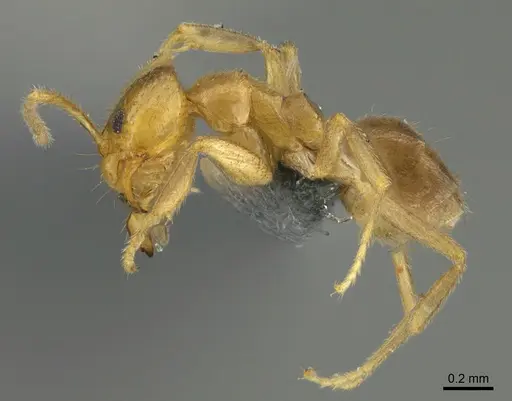
CASENT0379728
View on AntWeb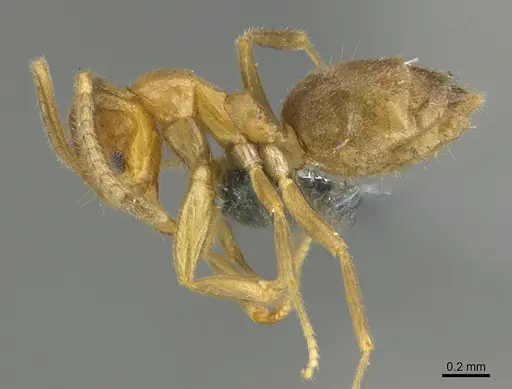
CASENT0383994
View on AntWeb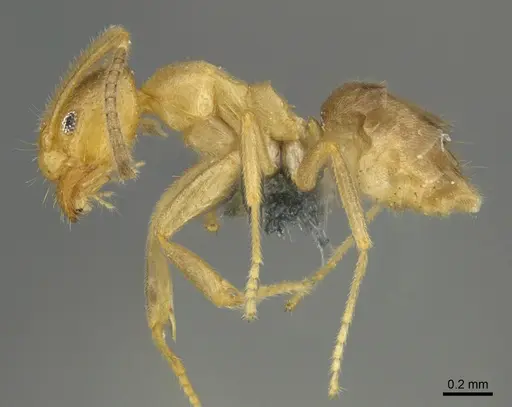
CASENT0384107
View on AntWeb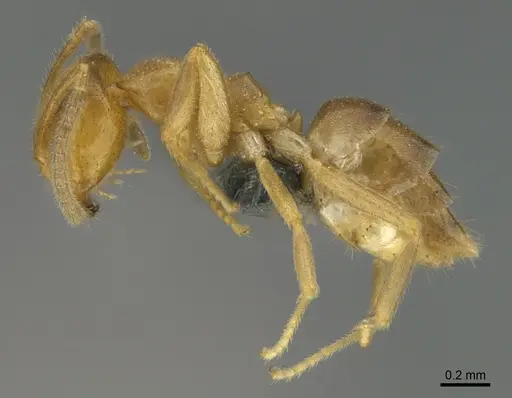
CASENT0384134
View on AntWeb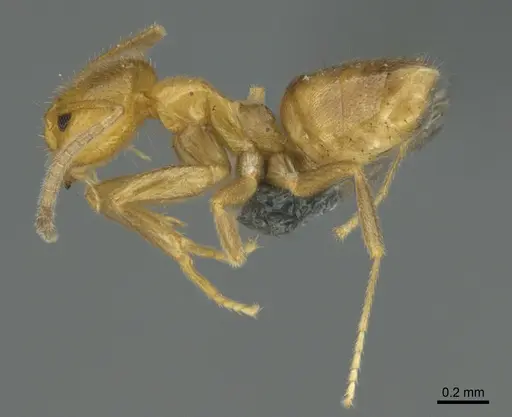
CASENT0722549
View on AntWeb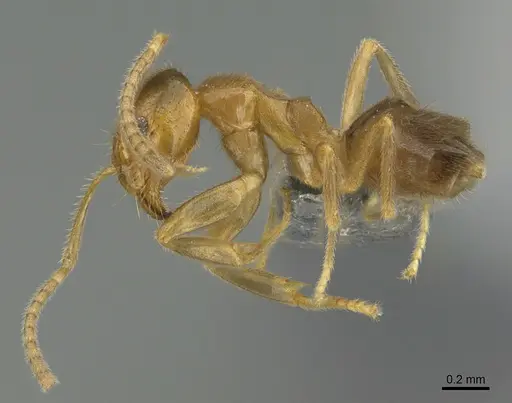
Literature
Loading...Loading products...