

Lordomyrma tortuosa
- Scientific Name
- Lordomyrma tortuosa
- Tribe
- Crematogastrini
- Subfamily
- Myrmicinae
- Author
- Mann, 1921
- Distribution
- Found in 2 countries
Lordomyrma tortuosa Overview
Lordomyrma tortuosa is an ant species of the genus Lordomyrma. It is primarily documented in 2 countries , including Fiji, Wallis and Futuna. Detailed taxonomic data and occurrence records can be further explored via authoritative databases such as AntWeb or the Global Biodiversity Information Facility (GBIF).
Lordomyrma tortuosa
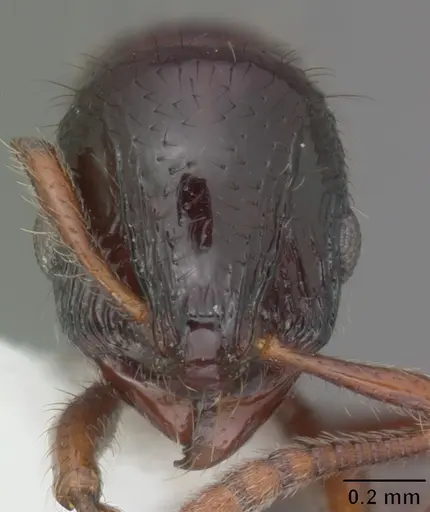
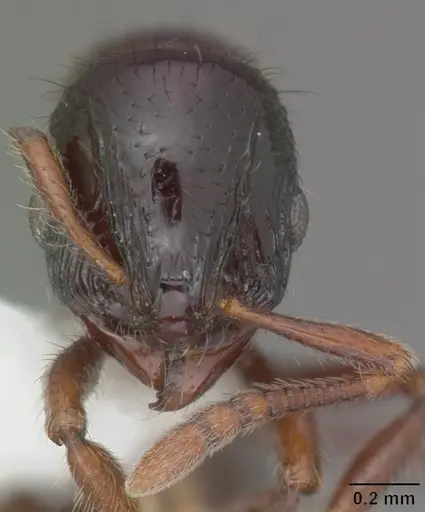
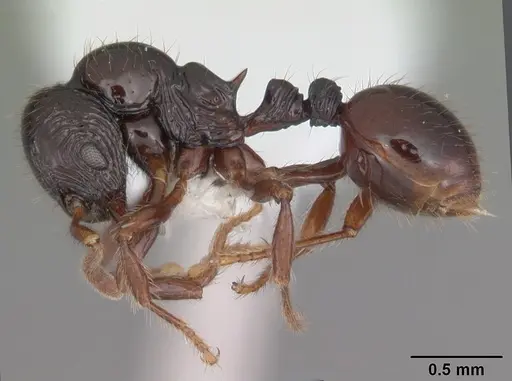
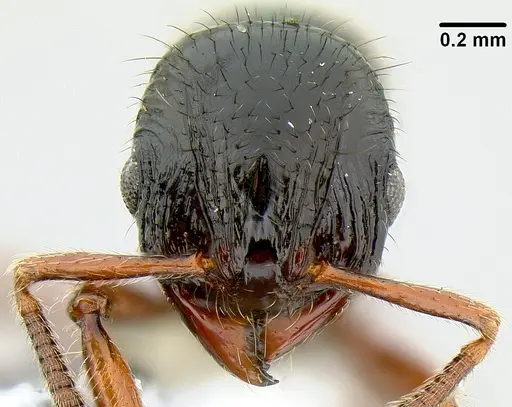
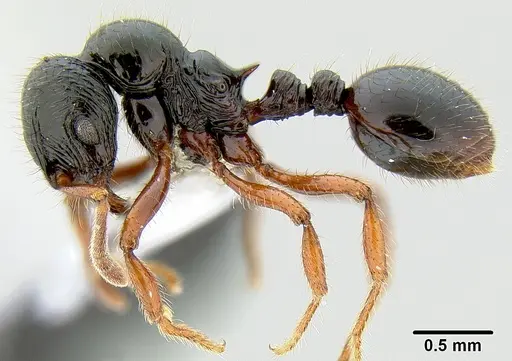
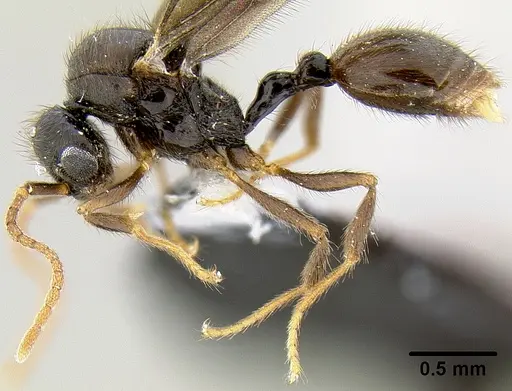
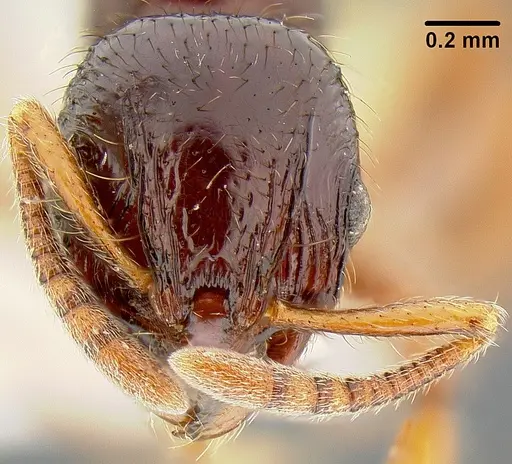
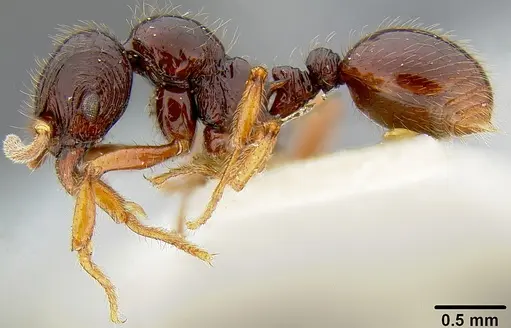
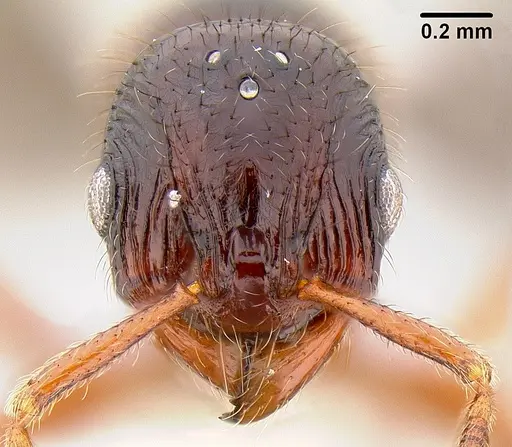
Lordomyrma tortuosa is a large-sized Myrmicinae ant native to Fiji, measuring 4.15-4.53mm in total length [1]. Workers have a distinctive shiny reddish-brown coloration with a massive, strongly convex promesonotum that bulges above the head and propodeum, giving them a hunched appearance [1][2]. The face features prominent arcuate carinae (curved ridges) that help distinguish this species from related Fijian Lordomyrma [2]. This species is the most geographically widespread Lordomyrma in Fiji, found across eight islands including Viti Levu, Vanua Levu, Taveuni, and Ovalau [1][2]. Workers are often found foraging on mossy stones in ravines and along river banks, where they glean surfaces for small prey [1].
Quick Summary
- Difficulty: Medium
- Origin & Habitat: Fiji endemic, found on 8 islands across the archipelago. Inhabits lower elevations, typically below 500m. Nests in small colonies in logs, under stones, and leaf litter [1][2]. Workers forage on mossy stones in ravines and river banks [1].
- Colony Type: Colony structure is not well documented. Likely single-queen colonies based on typical Myrmicinae patterns. Nests are small, with colonies found in logs and under stones [2].
- Size & Growth:
- Queen: Not documented in primary literature, estimated 6-8mm based on genus patterns for large Myrmicinae
- Worker: 4.15-4.53mm [1]
- Colony: Small colonies, exact maximum unknown but colonies in logs and under stones suggest under 500 workers
- Growth: Moderate, inferred from typical Myrmicinae development
- Development: Estimated 6-8 weeks at optimal tropical temperatures based on genus-level data for related Myrmicinae (Direct development data unavailable, estimate based on typical Myrmicinae patterns. Tropical species likely develops faster than temperate relatives.)
- Antkeeping:
- Temperature: Keep at 24-28°C, tropical species from Fiji requires warm conditions. A gentle gradient allows workers to self-regulate
- Humidity: High humidity preferred (70-85%). Maintain moist nest substrate, these ants naturally inhabit damp forest floor and mossy environments [1][2]
- Diapause: No, tropical species from Fiji does not require hibernation. Maintain warm conditions year-round
- Nesting: Prefers naturalistic setups with moist substrate. Y-tong nests or plaster nests work well. Provide damp soil/sand mixture and avoid drying out. Small colony size means compact nest chambers are appropriate [1][2]
- Behavior: Workers are active foragers, commonly seen gleaning surfaces of stones for small prey [1]. The sting is present but weak, described as having reduced sides and a weak apex [3]. Escape risk is moderate due to medium worker size. Generally not aggressive but will sting if threatened. Forages actively on surfaces rather than ground-dwelling only.
- Common Issues: small colony size means colonies are fragile and sensitive to disturbance, tropical humidity requirements can lead to mold issues if ventilation is poor, weak sting may give false sense of security, still capable of defending, lower elevation origin means they may not tolerate cool temperatures, wild-caught colonies may have parasites that are difficult to treat
Natural History and Distribution
Lordomyrma tortuosa is endemic to Fiji, making it a truly special species for antkeepers interested in Pacific fauna. It holds the distinction of being the most widespread Lordomyrma species in Fiji, with confirmed records from eight islands: Beqa, Gau, Kadavu, Koro, Moala, Taveuni, Vanua Levu, and Viti Levu [1][2]. This broad distribution across the archipelago suggests adaptability to different local conditions.
The species shows a strong preference for lower elevations, researchers found only 2 of 32 specimens recorded above 500m altitude [1]. This lowland preference is important for keepers to understand, as it indicates these ants prefer warmer, possibly more humid conditions than highland species. In their natural habitat, workers are often observed foraging on mossy stones in ravines and actively gleaning the surfaces of stones along river banks [1]. This gleaning behavior, where workers pick off small prey from surfaces, is distinctive and differs from typical ground-foraging ants.
Nests are found in decaying logs and under stones, indicating a preference for moist, sheltered microhabitats [2]. The small colony size noted in research (colonies found in logs and under stones) suggests this species does not form large supercolonies [2].
Identification and Morphology
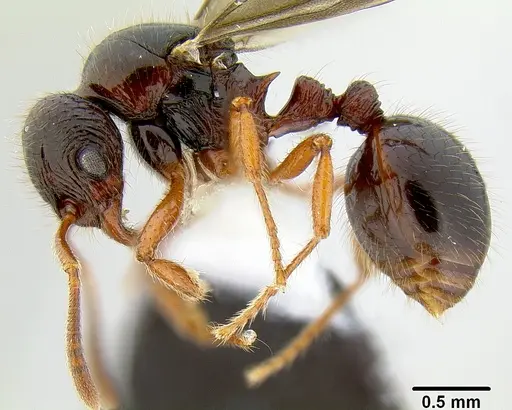
Lordomyrma tortuosa is a relatively large Myrmicinae ant, with workers measuring 4.15-4.53mm in total length [1]. The most distinctive morphological feature is the massive promesonotum, the fused thorax section, which is strongly convex and visibly bulges above both the head and propodeum when viewed from the side [1][2]. This gives the ant a hunched, arched appearance that helps distinguish it from related species.
The head and body have a shiny reddish-brown coloration with lighter appendages [1]. The face features strong arcuate (curved) carinae that originate near the eyes and extend toward the back of the head, forming the upper margin of a broad, poorly defined scrobe (a groove for the antenna) [1]. Additionally, longitudinal carinae run inward from the frontal carinae, another distinguishing feature [2].
The propodeal spines are modestly sized, straight, and triangular, roughly equal to the width of the front coxa [1]. All dorsal surfaces bear abundant suberect to erect hairs, with the longest hairs equaling or exceeding the length of the eye [1]. This hairy appearance is characteristic of the genus.
Housing and Nest Preferences
For captive care, Lordomyrma tortuosa does well in naturalistic or semi-naturalistic setups that replicate their natural log-dwelling and leaf litter habitat. A Y-tong (acrylic) nest with a chamber volume of roughly 10-20ml works well for founding colonies, scaling up as the colony grows. Alternatively, a plaster nest with built-in water chamber maintains humidity well.
The key to success with this species is maintaining consistently high humidity. These ants naturally inhabit damp forest floor environments and mossy river banks [1], so the nest substrate should remain moist but not waterlogged. A moisture gradient is ideal, allow one section of the nest to be slightly damper while keeping another area moderately moist.
Because colonies stay relatively small (likely under a few hundred workers), avoid oversized nests. Tight-fitting lids are essential, and while they are not tiny ants, they can still squeeze through small gaps. Use standard escape prevention measures for medium-sized Myrmicinae.
The outworld can be decorated with leaf litter, moss, and small stones to encourage natural foraging behaviors. Since workers are known to glean surfaces in the wild [1], providing textured surfaces in the foraging area may promote natural activity.
Feeding and Diet
In the wild, Lordomyrma tortuosa workers are active surface foragers that glean prey from stones and other surfaces [1]. This suggests they are generalist predators, likely feeding on small arthropods including springtails, mites, and other micro-invertebrates found in leaf litter.
For captive feeding, offer small live prey items such as fruit flies, pinhead crickets, small mealworms, and most importantly, live springtails. Springtails are an ideal staple as they match the natural prey size and can be maintained in the outworld. Occasional offering of other small insects is beneficial.
Sugar sources may be accepted, though this species is not primarily honeydew-feeding. You can offer a drop of diluted honey or sugar water occasionally, but protein should form the majority of the diet. Observe your colony's preferences, some colonies will readily accept sugar while others ignore it.
Feed small prey items 2-3 times per week for established colonies. Remove any uneaten prey after 24-48 hours to prevent mold issues in the humid environment these ants require.
Temperature and Seasonal Care
As a tropical species endemic to Fiji, Lordomyrma tortuosa requires warm conditions year-round. Maintain temperatures between 24-28°C in the nest area. This can be achieved using a heating cable or mat on one side of the nest to create a gentle thermal gradient, allowing workers to move between warmer and cooler areas.
Unlike temperate species, this ant does not require diapause or hibernation. Maintaining consistent warm temperatures is important for colony health and development. Avoid temperatures below 20°C for extended periods, as this species is adapted to lowland tropical conditions.
The lower elevation preference in the wild (most records below 500m) indicates they prefer warmer conditions than might be assumed for a Pacific island species. Room temperature alone may be insufficient in cooler climates, supplemental heating is recommended. [1]
Defense and Sting
Lordomyrma tortuosa possesses a functional stinger, as documented in Kugler's 1997 study of sting morphology in the genus [3]. However, the sting is described as weak with very reduced sides and a weak apex [3]. This suggests the sting is not particularly potent compared to some other Myrmicinae.
In practice, these ants are not particularly aggressive and will typically flee rather than attack when disturbed. However, they will sting if cornered or if the nest is directly threatened. The sting sensation is likely mild to moderate, painful enough to be noticeable but not severe.
For antkeepers, this means standard precautions are sufficient. While the sting is not dangerous, it is still a defense mechanism, so avoid provoking the colony, especially during founding when the queen is most vulnerable.
Frequently Asked Questions
How long does it take for Lordomyrma tortuosa to produce first workers?
Exact development time is not documented, but based on typical Myrmicinae patterns for tropical species, expect first workers (nanitics) in approximately 6-8 weeks after the queen lays eggs. This estimate assumes optimal warm conditions around 26°C.
Can I keep Lordomyrma tortuosa in a test tube?
Yes, test tubes work well for founding colonies. Use a standard test tube setup with a water reservoir, but ensure humidity is maintained. Because they require high humidity, you may need to use a test tube setup with a larger water chamber or transition to a more humidity-retentive nest (plaster or Y-tong) once the colony reaches 10-20 workers.
Do Lordomyrma tortuosa ants sting?
Yes, they have a stinger, but it is described as weak with reduced structure [3]. The sting is not dangerous to healthy humans and causes mild to moderate discomfort. These ants are not aggressive and will typically flee rather than sting.
What do Lordomyrma tortuosa eat?
They are generalist predators. Feed small live prey such as springtails, fruit flies, small crickets, and other micro-arthropods. They may occasionally accept sugar sources like diluted honey, but protein should form the bulk of their diet.
Are Lordomyrma tortuosa good for beginners?
They are moderate difficulty. The main challenges are maintaining high humidity and providing appropriate small live prey. They are not as forgiving as some common species, but with attention to humidity and feeding, they are manageable for intermediate antkeepers.
How big do Lordomyrma tortuosa colonies get?
Colonies remain relatively small. Based on natural nest observations (small colonies in logs and under stones), maximum colony size is likely under 500 workers. This makes them suitable for keepers who prefer more compact colonies.
Do Lordomyrma tortuosa need hibernation?
No. As a tropical Fiji endemic, they do not require diapause or hibernation. Keep them warm year-round at 24-28°C.
When should I move Lordomyrma tortuosa to a formicarium?
Move from test tube to a proper nest (Y-tong or plaster) when the colony reaches roughly 15-30 workers and the test tube begins to feel cramped. Ensure the new nest can maintain humidity, plaster nests with water chambers work well for this humidity-dependent species.
Can I keep multiple queens together?
Colony structure is not well documented for this species. Based on typical Myrmicinae patterns, single-queen colonies are most likely. Combining unrelated queens is not recommended as it has not been studied and could result in aggression.
References

This caresheet is licensed under CC BY-SA 4.0 .
CASENT0010851
View on AntWeb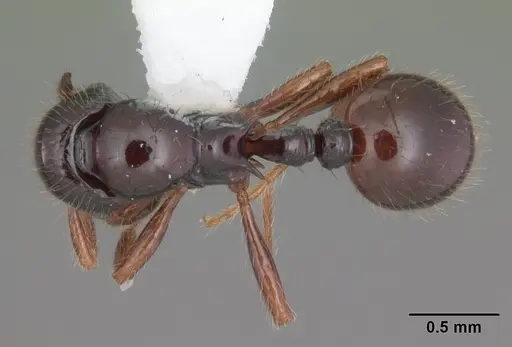
CASENT0171000
View on AntWeb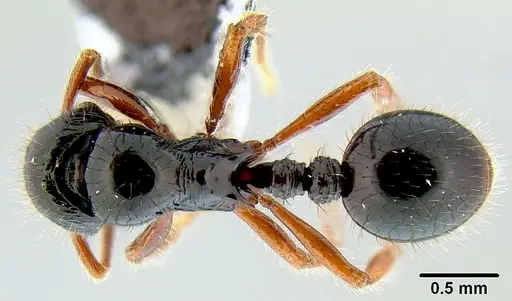
CASENT0171001
View on AntWeb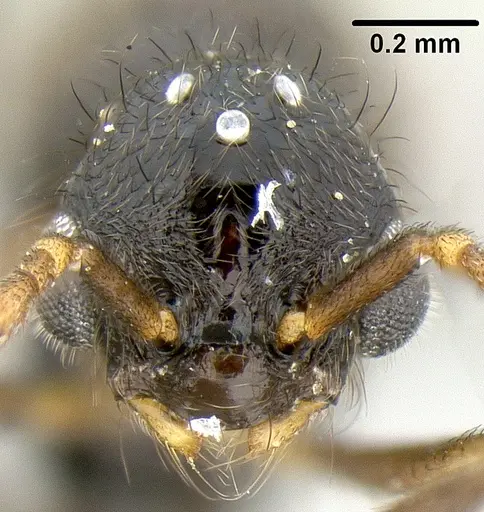
CASENT0171013
View on AntWeb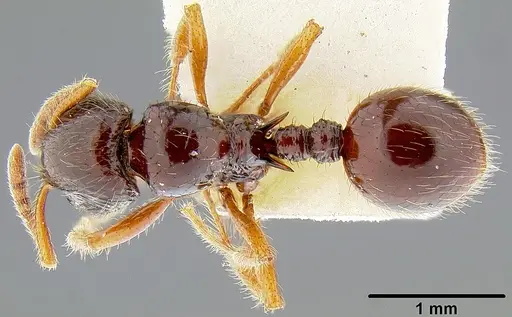
CASENT0171096
View on AntWeb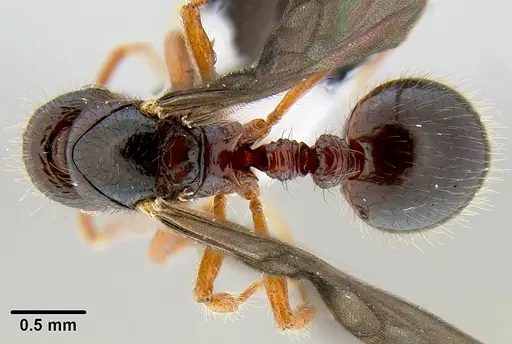
Literature
Loading...Loading products...