

Lordomyrma epinotalis
- Scientific Name
- Lordomyrma epinotalis
- Tribe
- Crematogastrini
- Subfamily
- Myrmicinae
- Author
- Mann, 1919
- Distribution
- Found in 1 countries
Lordomyrma epinotalis Overview
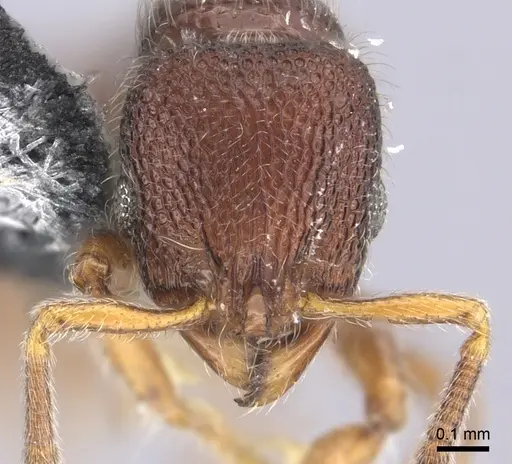
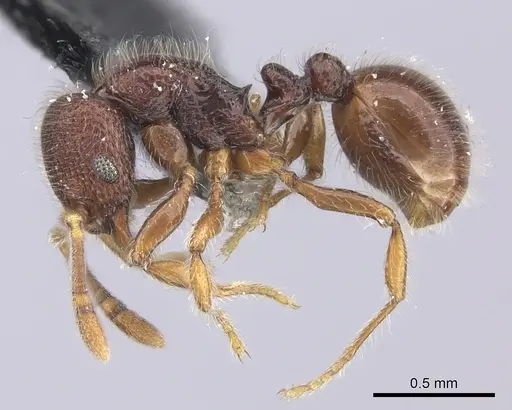
Lordomyrma epinotalis is an ant species of the genus Lordomyrma. It is primarily documented in 1 countries , including Solomon Islands. Detailed taxonomic data and occurrence records can be further explored via authoritative databases such as AntWeb or the Global Biodiversity Information Facility (GBIF).
Lordomyrma epinotalis
Lordomyrma epinotalis is a small to medium-sized Myrmicinae ant native to the Solomon Islands archipelago in the Pacific. Workers measure approximately 4-6mm and have the typical chunky body shape common to the Crematogastrini tribe. The species was originally described as Lordomyrma epinotalis in 1919 by Mann before being transferred to the genus Lordomyrma by Kugler in 1994 [1]. These ants inhabit the tropical rainforests of islands like Makira, Guadalcanal, Ysabel, and Malaita, where they nest in rotting wood or under stones in the humid forest understory [2]. The genus Lordomyrma is known for having a functional sting, though in this species the sting apparatus appears relatively weak and may have limited effectiveness as a defense mechanism [3].
Quick Summary
- Difficulty: Medium
- Origin & Habitat: Solomon Islands, tropical Pacific archipelago with humid rainforest climate. Found on multiple islands including Makira, Guadalcanal, Ysabel, Ugi, San Cristoval, and Malaita. In nature they nest in rotting wood and under stones in shaded, damp forest areas [2][4].
- Colony Type: Unconfirmed, colony structure has not been directly studied. Based on related Crematogastrini species, likely single-queen (monogyne) colonies, but this requires confirmation.
- Founding: Claustral
- Size & Growth:
- Queen: Estimated 6-8mm based on genus patterns, not directly measured for this species
- Worker: Approximately 4-6mm based on original description [4]
- Colony: Unknown, no colony size data available for this species
- Growth: Moderate, inferred from related tropical Myrmicinae
- Development: Estimated 6-10 weeks at tropical temperatures (25-28°C) based on genus-level data for related Crematogastrini (Direct development data unavailable, estimate based on typical tropical Myrmicinae patterns. Warmer temperatures within this range will speed development.)
- Antkeeping:
- Temperature: Keep at 24-28°C (warm tropical conditions). A slight gradient allowing workers to self-regulate is ideal. Room temperature in most homes may be too cool, consider gentle bottom heating if needed [5].
- Humidity: High humidity required, aim for 70-85%. Keep the nest substrate consistently moist but not waterlogged. These forest-floor ants need damp conditions similar to their natural rainforest habitat. Provide a water tube for drinking water [5].
- Diapause: No, being a tropical species from the Solomon Islands, they do not require hibernation or winter dormancy. Maintain warm temperatures year-round [5].
- Nesting: Rotting wood or test tube setups work well. In captivity, they do well in test tubes with a water reservoir or in small acrylic nests with moist substrate. Provide narrow chambers scaled to their size. They prefer dark, humid nest conditions [5].
- Behavior: Generally peaceful and non-aggressive. Workers are moderate foragers that search for food in typical Myrmicinae fashion. They are not known to be escape artists but being small (4-6mm), standard escape prevention measures should still be used. The sting is present but appears weak and ineffective [3]. They are docile enough for beginners but require specific tropical conditions. Workers are moderately active and will forage for both protein and sugar sources.
- Common Issues: tropical humidity requirements mean mold can be a problem if ventilation is poor, cold temperatures will slow or stop brood development, keep warm, small colony sizes mean slower population growth, patience required, wild-caught colonies may have parasites or diseases that cause captive failures, test tube setups need careful water management to avoid flooding the colony
Housing and Nest Setup
Lordomyrma epinotalis does well in standard test tube setups commonly used for small Myrmicinae ants. Use a test tube with a water reservoir sealed with a cotton plug, this provides both drinking water and humidity. The tube should be wrapped in dark material to create the dark, sheltered environment these forest ants prefer. For larger colonies, a small acrylic formicarium with moist chambers works well. The nest material should remain damp but not sitting in water. A layer of substrate at the bottom of the outworld allows for natural foraging behavior. Because they come from humid tropical forests, avoid dry setups entirely. [5]
Feeding and Diet
Like most Myrmicinae, these ants are omnivorous and will accept both protein and sugar sources. Offer sugar water, honey, or diluted maple syrup as a constant carbohydrate source. For protein, provide small insects like fruit flies, small mealworms, or cricket pieces. Feed protein 2-3 times per week, removing any uneaten prey after 24 hours. Fresh killed insects are preferred over dried. A varied diet helps ensure colony health. Observe your colony's preferences, some colonies are more protein-oriented than others. Always ensure clean water is available. [5]
Temperature and Humidity Management
Being from the Solomon Islands, these ants require warm, humid conditions. Maintain temperatures between 24-28°C (75-82°F). Below 22°C, brood development slows significantly, and prolonged cold can be fatal. You can use a heating cable on one side of the nest to create a gentle gradient, but avoid direct heat on the colony. Humidity should stay high at 70-85%. In test tube setups, the water reservoir naturally maintains humidity. Monitor for condensation, heavy condensation indicates good humidity, while dry walls mean you need more moisture. Mist the outworld occasionally but avoid getting water directly on the nest. [5]
Colony Development and Growth
A newly mated queen will dig a small chamber and seal herself inside to raise her first brood, this is called claustral founding and is typical for Myrmicinae. She will not leave the nest to forage during this time, living entirely on her stored fat reserves. The first workers (called nanitics) are usually smaller than mature workers and emerge after several weeks. After the nanitics arrive, the queen stops caring for the brood directly and becomes purely egg-laying. Colony growth is moderate, expect several months before you have a visible worker population. Patience is key with this species, as small colonies grow slowly. A healthy colony will eventually reach dozens to perhaps hundreds of workers. [5]
Behavior and Temperament
Lordomyrma epinotalis is a docile species that poses no real threat to keepers. While they possess a sting apparatus, it appears structurally weak and is unlikely to penetrate human skin effectively [3]. Workers go about their business calmly and are not aggressive toward the keeper. They are moderate foragers that will send workers out to collect food. Their small size (4-6mm) means they can squeeze through small gaps, use standard escape prevention with fine mesh on any openings. They are not particularly skittish and can be observed during foraging. The colony will establish a clean brood area and tend to their queen with typical ant behaviors.
Frequently Asked Questions
How long does it take for Lordomyrma epinotalis to have first workers?
Expect 6-10 weeks from egg to first worker at warm tropical temperatures (25-28°C). This is an estimate based on related species, as direct development data for this species is not available. Cooler temperatures will significantly slow development.
Do Lordomyrma epinotalis ants sting?
They have a sting apparatus, but it appears to be relatively weak and ineffective. The sting bulb makes up about 28% of the total sting length, and the shaft is described as slender and seemingly unable to pierce effectively [3]. Most keepers would not feel a sting from this species.
What temperature do Lordomyrma epinotalis need?
Keep them warm at 24-28°C (75-82°F). Being from tropical Solomon Islands, they need year-round warmth. Room temperature may be too cool, consider gentle bottom heating if your home stays below 22°C.
Are Lordomyrma epinotalis good for beginners?
They are rated as medium difficulty. They require specific tropical warmth and humidity, which is more demanding than temperate species. However, they are docile and not escape artists. If you can maintain warm, humid conditions consistently, they are manageable for beginners interested in tropical species.
How big do Lordomyrma epinotalis colonies get?
The maximum colony size is unknown, this data has not been documented. Based on related Crematogastrini, they likely reach dozens to a few hundred workers rather than massive colonies.
What do Lordomyrma epinotalis eat?
They are omnivorous like most Myrmicinae. Offer sugar water, honey, or maple syrup for carbohydrates. For protein, provide small insects like fruit flies, small mealworms, or cricket pieces. Feed protein 2-3 times per week.
Do Lordomyrma epinotalis need hibernation?
No, they are a tropical species from the Solomon Islands and do not require hibernation. Keep them warm year-round at 24-28°C.
Can I keep multiple Lordomyrma epinotalis queens together?
This has not been studied. The colony structure (monogyne vs polygyne) is unconfirmed for this species. It is not recommended to combine unrelated foundress queens, as they may fight.
What humidity do Lordomyrma epinotalis need?
High humidity at 70-85%. Their natural habitat is the humid rainforest floor of the Solomon Islands. Keep the nest substrate consistently moist but not waterlogged.
When should I move Lordomyrma epinotalis to a formicarium?
Keep them in a test tube setup until the colony reaches at least 20-30 workers. Moving too early can stress the colony. When moving, ensure the new setup has matching humidity levels.
Where is Lordomyrma epinotalis found in the wild?
They are endemic to the Solomon Islands in the Pacific. Known locations include Makira, Guadalcanal, Ysabel, Ugi, San Cristoval, and Malaita islands [4][2].
Why is my Lordomyrma epinotalis colony dying?
Common causes include: temperatures below 22°C (cold kills this tropical species), low humidity (below 70%), mold from poor ventilation, or stress from too-early colony disturbance. Check your temperature and humidity first. Wild-caught colonies may also carry parasites.
References

This caresheet is licensed under CC BY-SA 4.0 .
CASENT0219728
View on AntWeb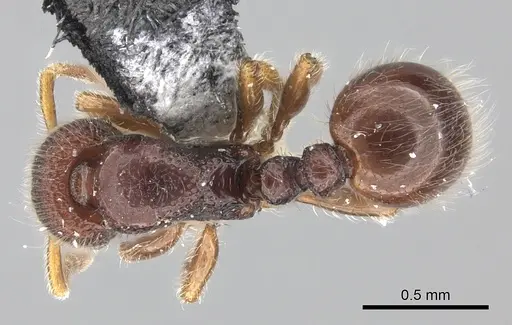
Literature
Loading...Loading products...