

Lordomyrma desupra
- Scientific Name
- Lordomyrma desupra
- Tribe
- Crematogastrini
- Subfamily
- Myrmicinae
- Author
- Sarnat, 2006
- Distribution
- Found in 1 countries
Lordomyrma desupra Overview
Lordomyrma desupra is an ant species of the genus Lordomyrma. It is primarily documented in 1 countries , including Fiji. Detailed taxonomic data and occurrence records can be further explored via authoritative databases such as AntWeb or the Global Biodiversity Information Facility (GBIF).
Lordomyrma desupra
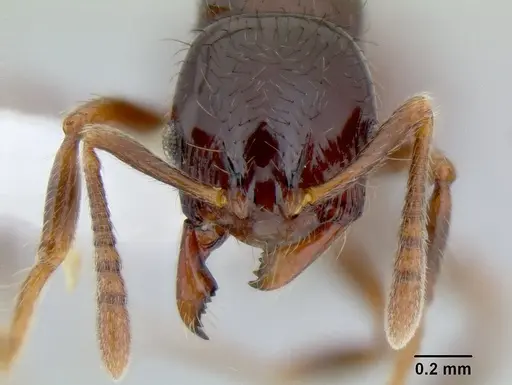
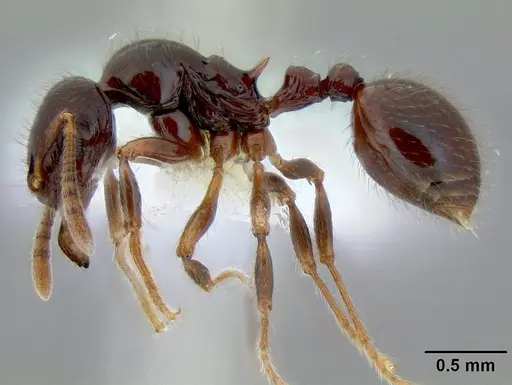
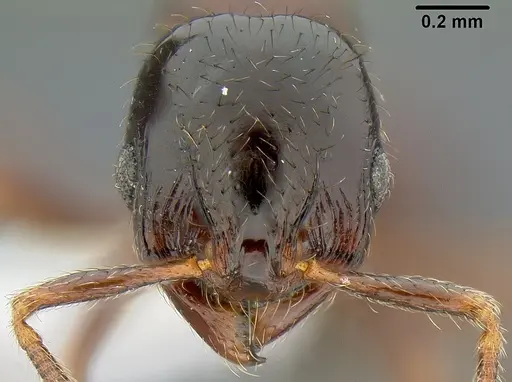
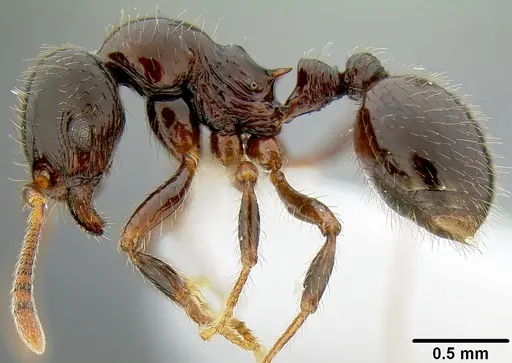
Lordomyrma desupra is a medium to large ant species endemic to the higher elevations of northern Viti Levu in Fiji. Workers measure 3.55-4.18mm and have a distinctive reddish-brown coloration with a notably large, bulging promesonotum (the middle body section) that in larger workers rises above the level of their head and rear body. They possess straight to slightly downcurved propodeal spines and are covered in yellowish hairs. This species is unusual among Fijian ants because it lives almost exclusively in the forest canopy rather than on the ground, they've been collected from Hydnophytum ant-plants and through canopy fogging, with virtually no specimens found in ground litter samples [1][2].
What makes L. desupra particularly interesting is its size variation, it shows wider variation in worker size than other Fijian Lordomyrma species, with smaller workers having noticeably smaller promesonotums and propodeal spines. This arboreal lifestyle means these ants are well-adapted to climbing and likely prefer elevated spaces in captivity [1].
Quick Summary
- Difficulty: Expert
- Origin & Habitat: Endemic to Fiji, found only in higher elevations (around 850m) of mountain ranges in northern Viti Levu. They live in the forest canopy, particularly in Hydnophytum ant-plants, and have never been collected from ground litter [1][2].
- Colony Type: Colony structure is unconfirmed. Based on related Lordomyrma species, likely single-queen colonies, but this has not been documented.
- Size & Growth:
- Queen: Unknown, queen measurements not described in available literature [1]
- Worker: 3.55-4.18mm [1][3]
- Colony: Unknown, no colony size data available
- Growth: Unknown, no development data available
- Development: Unknown, no direct measurements exist. Based on typical Myrmicinae patterns, estimate 6-10 weeks at optimal temperature, but this is a rough guess. (No published development data exists for this species. Related Lordomyrma species suggest moderate development times, but this is speculative.)
- Antkeeping:
- Temperature: Likely prefers warm, stable conditions typical of tropical arboreal ants. Based on their Fijian highland origin (around 850m elevation), they may tolerate slightly cooler temperatures than lowland tropical species. Start around 24-28°C and observe colony activity. Avoid temperatures below 20°C or above 32°C as a precaution.
- Humidity: As an arboreal species from humid Fiji, they likely prefer moderate to high humidity (60-80%). Their natural canopy habitat suggests they avoid desiccation. Keep nest substrate consistently moist but not waterlogged, with some drier areas available.
- Diapause: Unknown, no published data on overwintering requirements. As a tropical species from consistent Fiji climate, they may not require a diapause period, but this is unconfirmed.
- Nesting: Arboreal species, they naturally nest in tree hollows and ant-plants. In captivity, a Y-tong (AAC) nest or plaster nest with narrow chambers works well. Provide climbing structures and vertical space. Avoid deep soil-based setups that don't allow for climbing.
- Behavior: Likely docile and non-aggressive based on related Lordomyrma species. They are arboreal and will spend significant time climbing rather than walking on flat surfaces. Escape risk is moderate, their 4mm size is small enough to escape through small gaps, so standard barrier precautions apply. Foraging behavior is unconfirmed, but related species are generalist foragers.
- Common Issues: arboreal nature means they need vertical climbing space, horizontal-only nests may cause stress, no published care information exists, this is an expert-level species with significant unknowns, humidity control is critical, arboreal species are sensitive to drying out, escape prevention needed despite moderate size, they are adept climbers, wild-caught colonies may be difficult to establish due to unknown founding requirements
Natural History and Distribution
Lordomyrma desupra is a rare endemic ant known only from the higher elevations of northern Viti Levu, Fiji. The species was described by Sarnat in 2006 from specimens collected at Monasavu Road around 850m elevation. Unlike most ant species that are collected from ground litter, L. desupra has almost exclusively been found in the forest canopy, collected using fogging methods that spray insecticide into trees to knock down ants living in branches and leaves. They've also been found nesting inside Hydnophytum ant-plants, which are specialized plants that form hollow structures where ants can live [1][2].
This arboreal lifestyle is unusual among Fijian ants and explains why the species was only discovered relatively recently despite Fiji being well-studied entomologically. The single ground collection (a small worker on a log near Vaturu Dam) likely represents a forager that wandered down from the canopy. The species shows remarkable size variation among workers, larger workers have a massively developed promesonotum that visibly bulges above their head and propodeum, while smaller workers have much more modest proportions [1].
Housing and Nest Preferences
Based on their arboreal natural history, Lordomyrma desupra requires a setup that accommodates climbing behavior. A Y-tong (AAC) nest or plaster formicarium with narrow chambers works better than deep soil-based nests. Provide multiple chambers connected by tunnels that allow the colony to move between areas of different humidity. Include vertical elements like twigs, mesh, or cork bark that the ants can climb on, they will likely establish their brood in one area while using other areas for foraging and waste.
Because they come from humid Fiji forests, humidity control is important. Keep the nest substrate consistently moist but not saturated, the ants should be able to move between damp and drier areas. A water reservoir connected to the nest helps maintain stable humidity. Avoid placing the nest near heating elements that would cause rapid drying. Ventilation should be adequate to prevent mold but not so open that humidity drops quickly. [1]
Feeding and Diet
The diet of Lordomyrma desupra has not been documented in scientific literature. Based on related Lordomyrma species and their arboreal lifestyle, they are likely generalist foragers that collect honeydew from aphids and scale insects, and hunt small arthropods in the canopy. In captivity, offer a varied diet including sugar water or honey as a constant energy source, and protein sources like small crickets, fruit flies, or mealworms. Since they're arboreal, placing food at elevated positions (on cork bark or twigs) may encourage natural foraging behavior.
Start with small prey items and sugar water, then observe what the colony accepts. Remove uneaten prey after 24-48 hours to prevent mold. As a precaution, avoid overfeeding, start with tiny amounts and adjust based on consumption. The lack of published diet data means some experimentation may be needed to determine their preferences.
Temperature and Seasonal Care
As a tropical species from Fiji, Lordomyrma desupra likely prefers warm conditions. Their highland origin (around 850m) suggests they may tolerate slightly cooler temperatures than pure lowland tropical ants, but they should still be kept warm. Aim for temperatures in the 24-28°C range as a starting point, then observe colony behavior, if workers are consistently clustered in warmer areas of the nest, slightly increase temperature, if they avoid heated areas, reduce temperature.
Regarding diapause or hibernation, no data exists. Fiji has a relatively stable climate year-round with temperatures varying only slightly between seasons. It's likely that this species does not require a winter rest period, but this is an educated guess rather than confirmed fact. Maintain consistent temperatures year-round unless the colony clearly shows reduced activity patterns that suggest seasonal behavior. [1]
Behavior and Temperament
Lordomyrma desupra and related species are generally docile and non-aggressive. Workers are moderate-sized (3.55-4.18mm) and likely not painful stingers, though their sting capability has not been documented. They are arboreal by nature, which means they are adept climbers and will readily walk up vertical surfaces.
Escape prevention is important, while not among the smallest ants, they can still escape through small gaps. Use standard barrier methods like Fluon on nest edges and ensure any connections between outworld and nest are secure. Their docile nature means they are unlikely to aggressively defend their nest, but they may flee rather than fight when disturbed. The colony will likely establish a network of chambers and corridors rather than a single brood pile, reflecting their natural canopy-dwelling behavior where they spread through tree hollows. [1][2]
Frequently Asked Questions
How long does it take for Lordomyrma desupra to produce first workers?
The egg-to-worker timeline is unknown, no scientific data exists for this species. Based on typical Myrmicinae development, expect 6-10 weeks at optimal warm temperatures, but this is a rough estimate. Be patient with this species as growth rates are unconfirmed.
What is the best nest type for Lordomyrma desupra?
A Y-tong (AAC) or plaster nest with narrow chambers works best. This species is arboreal and needs vertical climbing space, so include cork bark, twigs, or mesh in the outworld. Avoid deep soil-only setups.
Do Lordomyrma desupra ants sting?
Sting capability has not been documented, but based on related species and their moderate size (3.55-4.18mm), they are unlikely to deliver a painful sting to humans. They are considered docile.
Can I keep multiple queens together?
Colony structure is unconfirmed for this species. No documented evidence exists for multi-queen colonies or pleometrosis (multiple queens founding together). Do not combine unrelated queens, this has not been studied and could result in fighting.
What do Lordomyrma desupra eat?
Diet is unconfirmed. Based on related species, offer sugar water or honey as a constant energy source, plus small protein prey like fruit flies, small crickets, or mealworms. Place food at elevated positions to encourage natural arboreal foraging.
Are Lordomyrma desupra good for beginners?
No. This is an expert-level species due to significant knowledge gaps in care requirements, their arboreal nature requiring specialized housing, and lack of published husbandry information. Choose more established species first.
Do Lordomyrma desupra need hibernation?
Diapause requirements are unknown. As a tropical Fiji species from consistent climate, they likely do not require hibernation. Maintain stable warm temperatures year-round unless the colony shows clear seasonal activity changes.
How big do Lordomyrma desupra colonies get?
Maximum colony size is unknown. No published colony size data exists for this species. Based on related Lordomyrma species, colonies may reach several hundred workers, but this is speculative.
Why are my Lordomyrma desupra dying?
Common issues include: improper humidity (too dry for this arboreal species), lack of climbing space in the nest, temperatures outside their preferred range (24-28°C), or stress from unknown requirements. This species has significant care unknowns, so troubleshooting is challenging.
Where is Lordomyrma desupra found in the wild?
Only in the higher elevations (around 850m) of northern Viti Levu, Fiji. They live exclusively in the forest canopy, including inside Hydnophytum ant-plants, and have never been found in ground litter samples.
References

This caresheet is licensed under CC BY-SA 4.0 .
CASENT0106145
View on AntWeb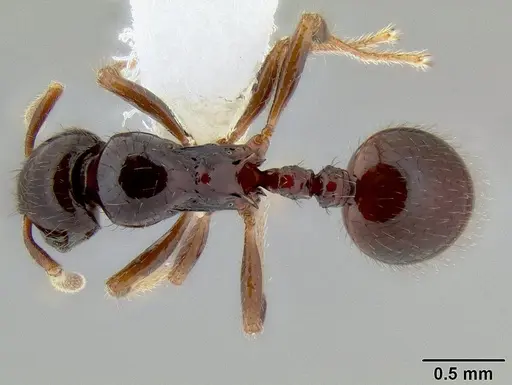
CASENT0171002
View on AntWeb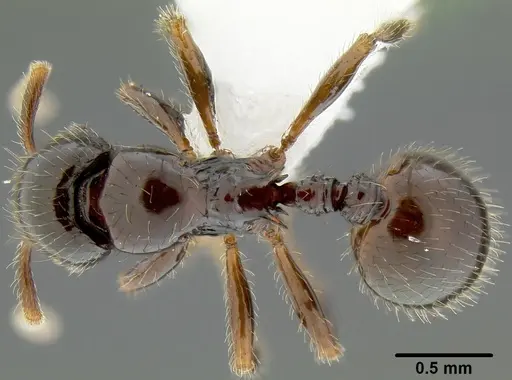
Literature
Loading...Loading products...