

Lordomyrma cryptocera
- Scientific Name
- Lordomyrma cryptocera
- Tribe
- Crematogastrini
- Subfamily
- Myrmicinae
- Author
- Emery, 1897
- Distribution
- Found in 1 countries
Lordomyrma cryptocera Overview
Lordomyrma cryptocera is an ant species of the genus Lordomyrma. It is primarily documented in 1 countries , including Papua New Guinea. Detailed taxonomic data and occurrence records can be further explored via authoritative databases such as AntWeb or the Global Biodiversity Information Facility (GBIF).
Lordomyrma cryptocera
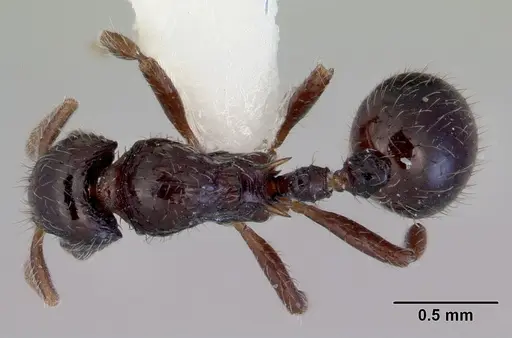
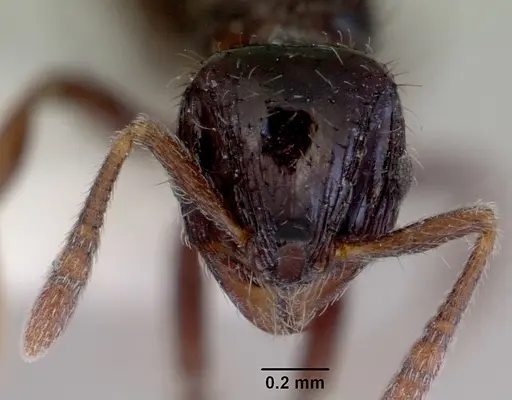
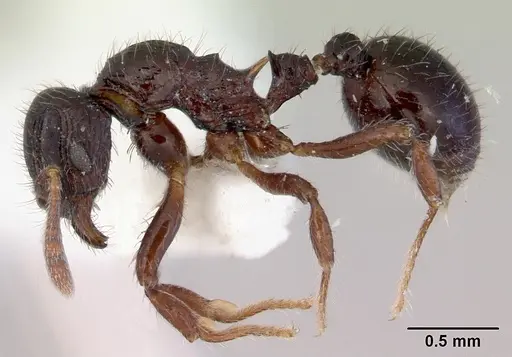
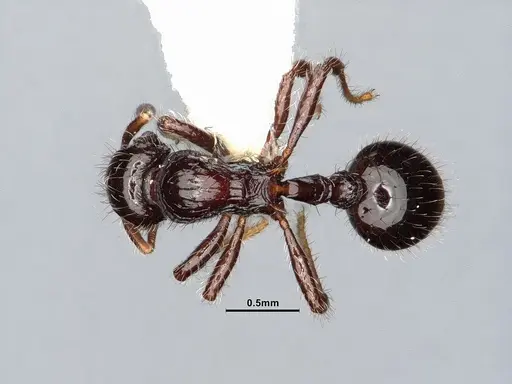
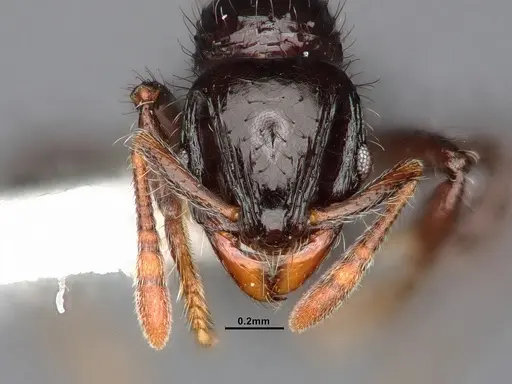
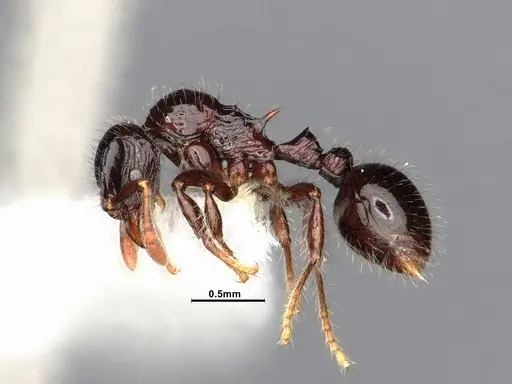
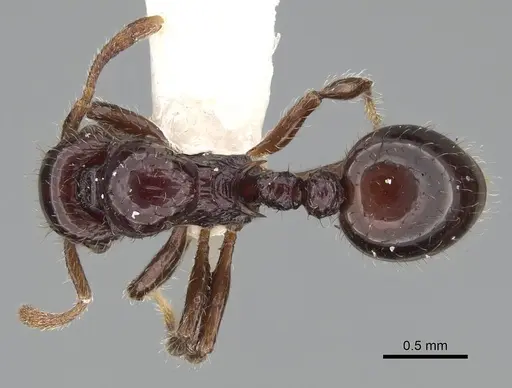
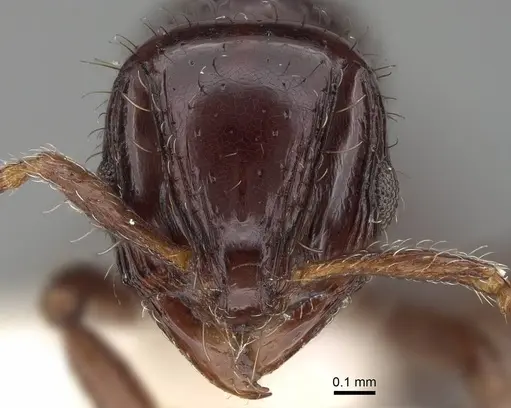
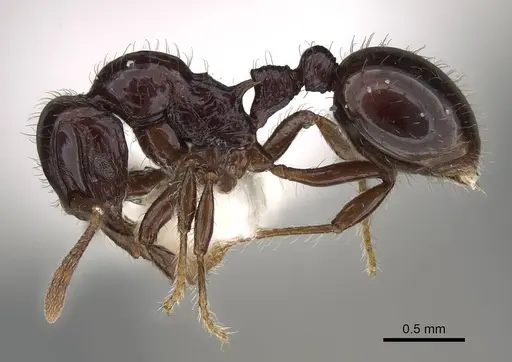
Lordomyrma cryptocera is a tiny, cryptic ant species native to Papua New Guinea. Workers are very small, measuring around 0.66mm in head width and 0.92mm in body length, making them among the smaller ants in the hobby [1]. They belong to the Myrmicinae subfamily within the Crematogastrini tribe. This species was originally described by Emery in 1897 from the Lemien area near Aitape in Papua New Guinea [1]. The genus Lordomyrma contains relatively small, slender ants that are often found nesting in rotting wood, leaf litter, or under stones in their native tropical habitats. As a New Guinea species, these ants are adapted to warm, humid conditions year-round.
Quick Summary
- Difficulty: Medium
- Origin & Habitat: Papua New Guinea, tropical forest environments, typically found in rotting wood, leaf litter, and under stones in lowland areas [1][2]
- Colony Type: Likely single-queen colonies based on typical genus patterns. Colony structure is not directly documented for this specific species.
- Colony: Monogyne
- Founding: Claustral
- Size & Growth:
- Queen: Unconfirmed, likely 4-6mm based on genus estimates
- Worker: 0.66mm head width,0.92mm body length [1]
- Colony: Unknown, likely small colonies of dozens to low hundreds based on typical Lordomyrma patterns
- Growth: Moderate, estimated 6-10 weeks from egg to first worker at tropical temperatures
- Development: 6-10 weeks (estimated based on related tropical Myrmicinae) (Development time estimated from genus patterns and tropical climate adaptation. Actual timeline unconfirmed for this species.)
- Antkeeping:
- Temperature: 24-28°C, they are a tropical species requiring warm conditions. A heating cable on one side of the nest creates a gentle gradient.
- Humidity: High humidity, aim for 70-85%. Keep the nest substrate consistently moist but not waterlogged. These ants come from humid tropical forests.
- Diapause: No, as a tropical species, they do not require hibernation. Maintain warm temperatures year-round.
- Nesting: Prefers moist, humid environments. A Y-tong (AAC) nest or plaster nest works well. They are tiny and require appropriately scaled chambers. Provide access to a damp outworld for foraging.
- Behavior: This is a very small, cryptic ant species. They are likely non-aggressive and shy, typical of the genus. Escape prevention is critical due to their tiny size, they can squeeze through the smallest gaps. Use fine mesh barriers and tight-fitting lids. They are likely nocturnal or crepuscular foragers.
- Common Issues: escape prevention is critical due to their very small size, they can slip through gaps that larger ants cannot, high humidity requirements can lead to mold if ventilation is poor, slow growth may lead to overfeeding or unnecessary disturbance, tropical species are sensitive to temperature drops, avoid cold drafts, wild-caught colonies may have parasites that are difficult to detect
Housing and Nest Setup
Lordomyrma cryptocera is a tiny ant species requiring appropriately scaled housing. Use a Y-tong (AAC) nest or plaster nest with very small, tight chambers. The chambers should be narrow, these ants are only about 1mm long and will feel exposed in large, open spaces. Provide a water reservoir connected to the nest chamber to maintain humidity. The outworld should be small and escape-proof, these ants are so tiny they can squeeze through standard barrier setups. Apply Fluon or use fine mesh (at least 0.5mm) on all openings. A small test tube setup works well for founding colonies, use a narrow-bore test tube with a cotton plug and water reservoir. [1][2]
Temperature and Humidity
As a tropical Papua New Guinea species, Lordomyrma cryptocera requires warm, humid conditions. Keep the nest area at 24-28°C. A small heating cable placed on top of the nest (never under, as it causes excessive drying) can maintain temperatures. Avoid temperature fluctuations and cold drafts, these ants are not temperature tolerant. Humidity should be high, around 70-85%. The nest substrate should remain consistently moist but never waterlogged. You can achieve this by connecting a water reservoir to the nest or using a moist plaster setup. Mist the outworld occasionally to maintain humidity in the foraging area.
Feeding and Diet
Like most Lordomyrma species, L. cryptocera is likely omnivorous. Offer small protein sources such as fruit flies, pinhead crickets, small mealworms, or other tiny insects. They may also accept sugar sources like honey water or sugar water, though this is not confirmed for this specific species. Feed small amounts every 2-3 days and remove uneaten food promptly to prevent mold. Due to their tiny size, prey items should be appropriately sized, even a small fruit fly is a substantial meal for these ants.
Colony Development
Colony growth is likely moderate. As a tropical species, development from egg to first worker likely takes 6-10 weeks at optimal temperatures. The first workers (nanitics) will be very small, even by this species' standards. Do not disturb the founding queen unnecessarily, claustral queens seal themselves in and raise their first brood alone. Once workers emerge, they will begin foraging for food. Colony size likely remains small, possibly reaching only dozens to low hundreds of workers. This is typical for the genus. Be patient, small cryptic ants develop slowly and may appear inactive for long periods.
Behavior and Temperament
Lordomyrma cryptocera is a shy, cryptic species typical of the genus. They are not aggressive and will likely flee rather than engage threats. Workers are tiny and may be difficult to observe. They are likely nocturnal or crepuscular foragers. Escape prevention is absolutely critical, their small size means they can escape through gaps invisible to the human eye. Always use fine mesh barriers and check all connections regularly. Do not house this species with larger, more aggressive ants if keeping multiple colonies.
Frequently Asked Questions
How long does it take for Lordomyrma cryptocera to produce first workers?
Based on typical tropical Myrmicinae development, expect 6-10 weeks from egg to first worker at optimal temperatures (24-28°C). This is an estimate as specific development data for this species is not available.
What do Lordomyrma cryptocera ants eat?
They likely accept small protein sources like fruit flies, tiny crickets, and small insects. Sugar sources like honey water may also be accepted. Feed small amounts every few days and remove uneaten food.
Do Lordomyrma cryptocera ants sting?
Being a Myrmicinae species, they have a stinger, but due to their extremely tiny size (workers are less than 1mm), they are unlikely to penetrate human skin or cause any noticeable pain.
Can I keep multiple queens together?
Combining unrelated queens of this species has not been documented. Based on typical genus patterns, they are likely single-queen (monogyne) colonies. It is not recommended to house multiple foundress queens together.
What temperature do Lordomyrma cryptocera ants need?
Keep them warm at 24-28°C. They are tropical ants and do not tolerate cool temperatures. Use a small heating cable if room temperature is below this range.
Do Lordomyrma cryptocera need hibernation?
No, as a tropical Papua New Guinea species, they do not require hibernation. Maintain warm temperatures year-round.
How big do Lordomyrma cryptocera colonies get?
Colony size is not documented, but based on typical Lordomyrma patterns, colonies likely remain small at dozens to low hundreds of workers.
Are Lordomyrma cryptocera good for beginners?
This species is rated as medium difficulty. Their small size and high humidity requirements make them more challenging than common species like Lasius or Camponotus. They require excellent escape prevention and stable tropical conditions.
Why are my Lordomyrma cryptocera escaping?
Their tiny size means they can squeeze through the smallest gaps. Use fine mesh (0.5mm or smaller), apply Fluon to barrier edges, and check all connections regularly. Even a tiny gap is an escape route for these ants.
When should I move Lordomyrma cryptocera to a formicarium?
Keep them in a test tube setup for the founding stage. Once the colony reaches 20-30 workers and the test tube becomes crowded, you can move them to a small Y-tong or plaster nest with appropriate humidity control.
References

This caresheet is licensed under CC BY-SA 4.0 .
Literature
Loading...Loading products...