

Lophomyrmex taivanae
- Scientific Name
- Lophomyrmex taivanae
- Tribe
- Crematogastrini
- Subfamily
- Myrmicinae
- Author
- Forel, 1912
- Distribution
- Found in 1 countries
Lophomyrmex taivanae Overview
Lophomyrmex taivanae is an ant species of the genus Lophomyrmex. It is primarily documented in 1 countries , including Taiwan, Province of China. Detailed taxonomic data and occurrence records can be further explored via authoritative databases such as AntWeb or the Global Biodiversity Information Facility (GBIF).
Lophomyrmex taivanae
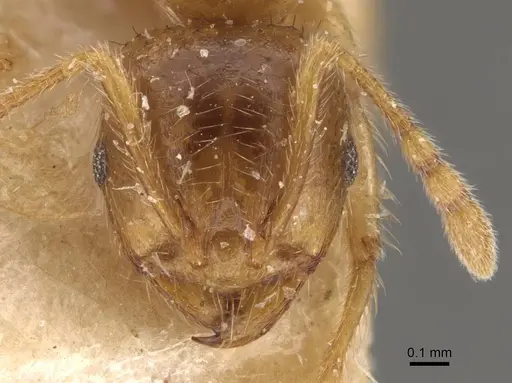
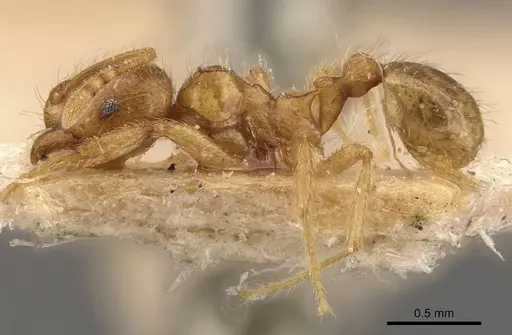
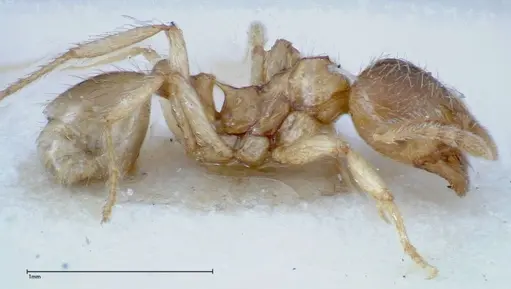
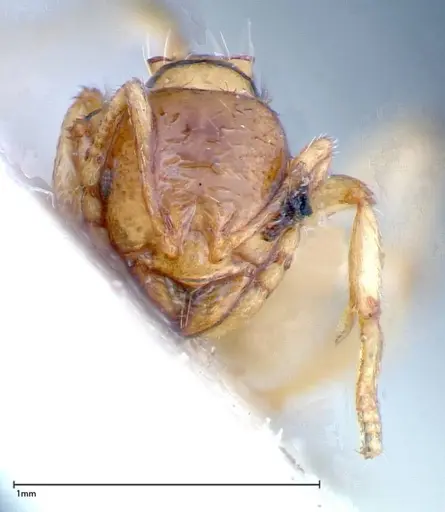
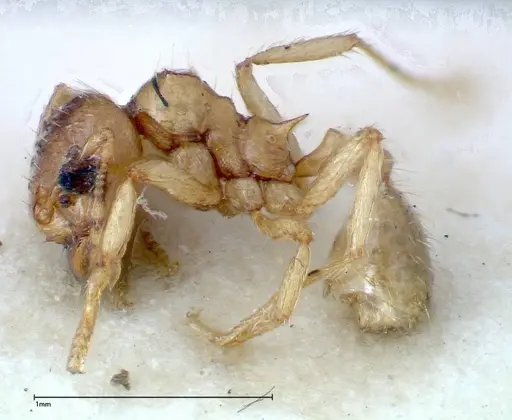
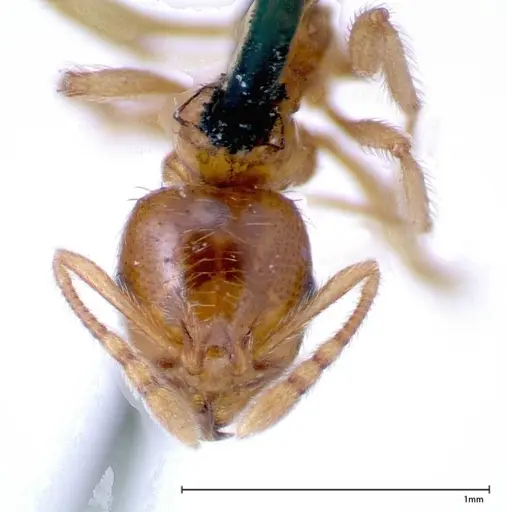
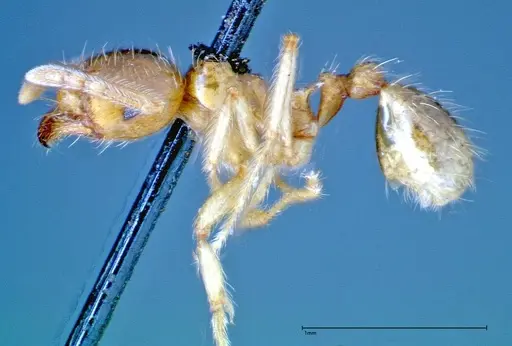
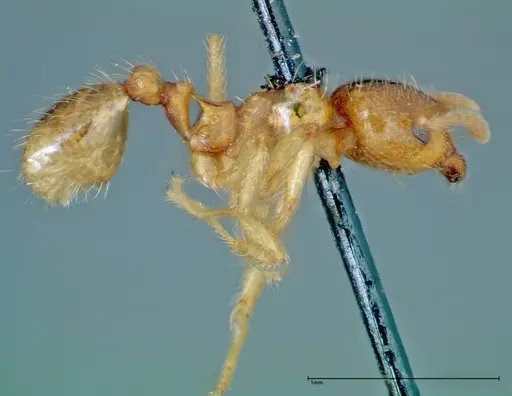
Lophomyrmex taivanae is a tiny myrmicine ant endemic to Taiwan, measuring just 2.4-3.1mm in total length. Workers are pale yellow to brownish yellow in color, sometimes with a more orange tinge on the head. This species belongs to the quadrispinosus group, characterized by two small anterodorsal pronotal teeth (small spines or denticles on the front of the thorax) [1]. The genus Lophomyrmex is known for their small size and relatively simple colony structures.
This species remains poorly studied in the scientific literature, virtually nothing has been documented about their biology, colony structure, or captive care requirements. As a Taiwan endemic, they likely prefer warm, humid conditions consistent with the island's subtropical climate. Their tiny size makes them challenging to house and requires excellent escape prevention.
Quick Summary
- Difficulty: Medium
- Origin & Habitat: Taiwan (endemic island), subtropical climate with high humidity
- Colony Type: Unknown, colony structure has not been documented in scientific literature
- Size & Growth:
- Queen: Undocumented, no queen measurements available
- Worker: 2.4-3.1mm
- Colony: Estimated small, likely under 500 workers based on tiny worker size and genus patterns
- Growth: Unknown, no development data available
- Development: Estimated 6-8 weeks based on typical Myrmicinae development at warm temperatures (No direct data exists for this species, estimate based on related small Myrmicinae ants in subtropical climates)
- Antkeeping:
- Temperature: Warm conditions around 24-28°C, inferred from Taiwan's subtropical climate. A gentle gradient allowing workers to self-regulate is recommended.
- Humidity: Moderate to high, aim for 60-80% humidity. Keep substrate consistently moist but not waterlogged.
- Diapause: Unlikely, Taiwan's mild climate does not require true hibernation. Colony may show reduced activity during cooler months.
- Nesting: No specific data on natural nesting. Likely prefers humid microhabitats. Test tubes or acrylic nests with moisture reservoirs work well for small Myrmicinae.
- Behavior: No specific behavioral studies exist for this species. Based on genus patterns, they are likely relatively docile with moderate foraging activity. Their tiny size means excellent escape prevention is essential, they can squeeze through standard test tube openings. Handle with care as they are easily crushed.
- Common Issues: tiny size makes escape likely without fine mesh barriers, no documented care information means trial and error required, small colony size means slow growth and potential for loss if stressed, wild-caught colonies may have parasites or diseases not yet understood, humidity control is critical, too dry causes brood loss, too wet causes mold
Housing and Escape Prevention
Lophomyrmex taivanae is an extremely small ant, with workers measuring only 2.4-3.1mm. This tiny size is the single most important factor in their captive care, they are exceptional escape artists that can squeeze through gaps invisible to the human eye. Standard test tube setups require additional barriers. Apply Fluon (liquid PTFE) to all rim edges and use tight-fitting cotton plugs. If using any connecting tubes or outworlds, ensure all junctions are sealed with tape or plug with cotton at least 2-3cm deep. Many antkeepers use double-cotton setups for species this small. For observation, acrylic or ytong nests work well, but ensure all edges and any cable holes are sealed with petroleum jelly or fluon. The nesting area should be dark and humid, these ants prefer concealed spaces.
Temperature and Climate
As a Taiwan endemic, Lophomyrmex taivanae comes from a subtropical climate with warm temperatures year-round and high humidity. Keep the nest area at 24-28°C for optimal activity and brood development. Room temperature (around 22-24°C) is likely acceptable, but you may need a small heating cable or mat on one side of the nest to reach the warmer end of this range. Create a gentle thermal gradient so workers can self-regulate by moving between warmer and cooler areas. Place the heating element on top of the nest, not underneath, to avoid drying out the substrate too quickly. During cooler months, expect reduced activity but no true diapause is required, these ants do not experience cold winters in their native habitat.
Feeding and Nutrition
No specific dietary studies exist for this species. Based on typical Myrmicinae behavior and their small size, they likely are omnivorous with a preference for small protein sources. Offer small insects like fruit flies, pinhead crickets, or small mealworms. They probably cannot tackle prey much larger than themselves. Sugar sources may be accepted, you can offer a drop of sugar water or honey diluted with water, but remove uneaten sugar sources within 24-48 hours to prevent mold. Feed protein roughly twice weekly, adjusting based on colony size and consumption. Always ensure fresh water is available, a small water tube with cotton wick works well for tiny ants.
Humidity and Moisture
Taiwan's climate is humid, and Lophomyrmex taivanae likely requires consistent moisture. Keep the nest substrate damp but not waterlogged, the substrate should feel moist to the touch but no water should pool or drip. A water reservoir attached to the test tube or nest (like a water tube for humidity) helps maintain stable moisture levels. Monitor for condensation on the nest walls, some condensation is good, but excessive moisture leads to mold which can be fatal to small colonies. If mold appears, reduce humidity slightly and remove any contaminated food promptly. Dry air causes desiccation and brood loss, so avoid placing nests near air conditioning vents or heating sources.
Colony Establishment
Since nothing is documented about colony founding for this species, we must make educated inferences. Most Myrmicinae are claustral, the queen seals herself in a chamber and lives off stored fat reserves until her first workers (nanitics) emerge. Provide a founding queen with a small test tube setup with a damp cotton ball for humidity. Keep her in darkness and do not disturb for 4-8 weeks. Expect 6-10 weeks before the first workers emerge based on typical Myrmicinae development. The first workers will be very small (nanitics) and the colony will grow slowly at first. Be patient, small colonies are vulnerable to stress and require consistent conditions to establish successfully.
Frequently Asked Questions
How long does it take for Lophomyrmex taivanae to produce first workers?
No specific data exists, but based on typical Myrmicinae development at warm temperatures, expect 6-10 weeks from egg to first worker. The exact timeline depends on temperature, warmer (around 26-28°C) speeds development while cooler temperatures slow it.
Are Lophomyrmex taivanae good for beginners?
Probably not ideal for beginners. This species has no documented care information, meaning you will be experimenting with conditions. Their tiny size also makes them challenging to house and easy to lose. If you are experienced with small Myrmicinae and can provide excellent escape prevention, they can be kept successfully.
Do Lophomyrmex taivanae ants sting?
Given their tiny size (2.4-3.1mm), any sting would be barely perceptible to human skin. Most small Myrmicinae have stingers but cannot penetrate human skin effectively. They are not considered dangerous.
How big do Lophomyrmex taivanae colonies get?
No colony size data exists for this species. Based on their tiny worker size and genus patterns, colonies likely reach a few hundred workers at most. Expect slow growth and small colony sizes.
Can I keep multiple Lophomyrmex taivanae queens together?
Unknown, colony structure has not been documented for this species. Do not attempt combining unrelated queens without documented evidence that they can found colonies pleometrotically (multiple queens starting a nest together).
What do Lophomyrmex taivanae eat?
No specific dietary data exists. Based on typical Myrmicinae, they likely accept small live prey (fruit flies, small crickets) and may take sugar water or honey. Offer small protein sources and sugar, removing uneaten food promptly.
Do Lophomyrmex taivanae need hibernation?
Unlikely, Taiwan has a subtropical climate without true winters. No diapause requirement is expected, though colony activity may decrease during cooler months.
Why are my Lophomyrmex taivanae escaping?
Their tiny size (2.4-3.1mm) makes them exceptional escape artists. Standard barriers are insufficient. Apply Fluon to all edges, use deep cotton plugs (2-3cm), and seal all tube connections with tape. Check for gaps smaller than 1mm.
When should I move Lophomyrmex taivanae to a formicarium?
Wait until the colony reaches at least 20-30 workers before considering a formicarium. Small colonies do better in simple test tube setups where humidity is easier to control. A small acrylic or ytong nest can be used once the colony is established.
What temperature is best for Lophomyrmex taivanae?
Keep nest areas at 24-28°C based on Taiwan's subtropical climate. Room temperature (22-24°C) may be acceptable. Use a small heat source on one side of the nest to create a gradient if needed.
References

This caresheet is licensed under CC BY-SA 4.0 .
CASENT0901263
View on AntWeb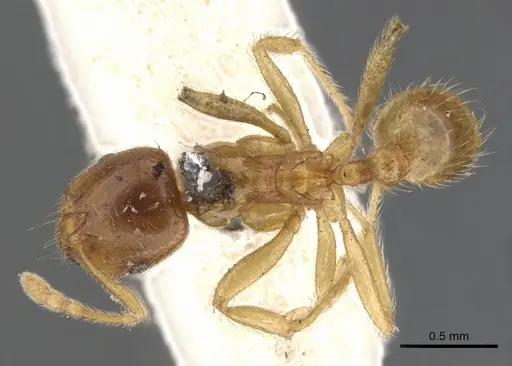
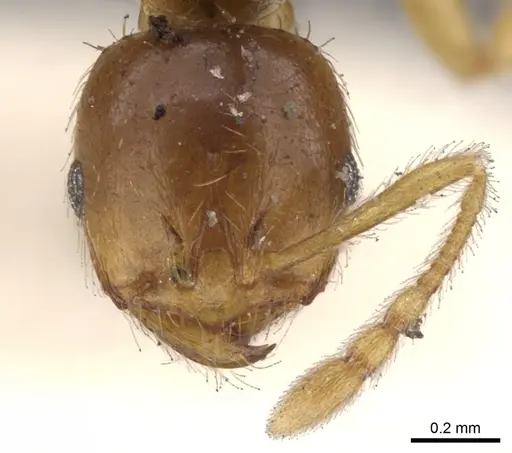
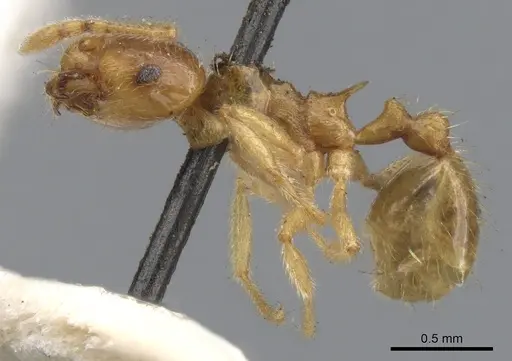
CASENT0908881
View on AntWeb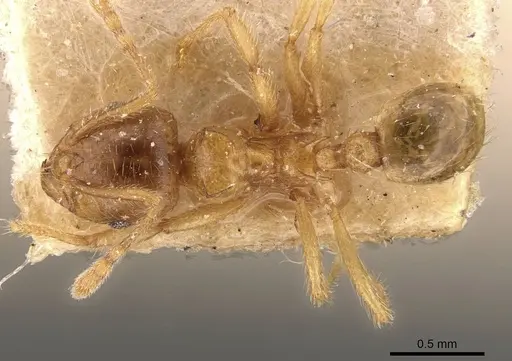
FOCOL0298
View on AntWeb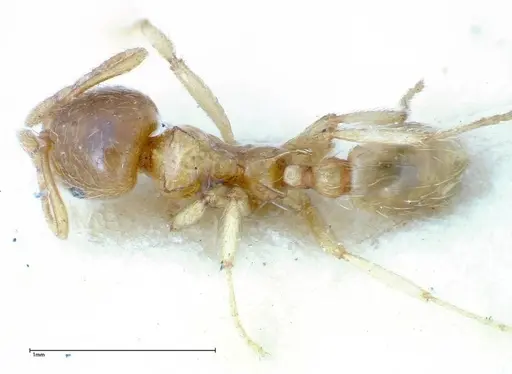
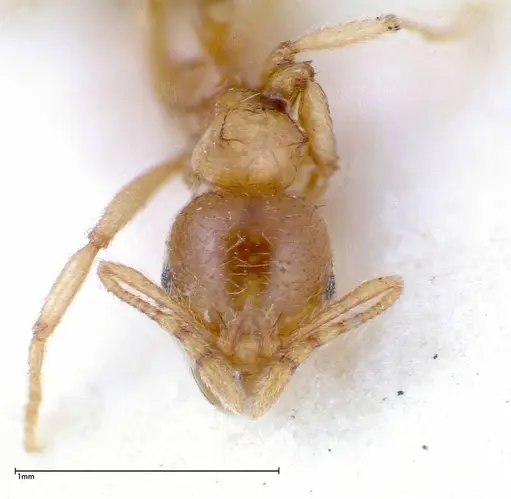
FOCOL0299
View on AntWeb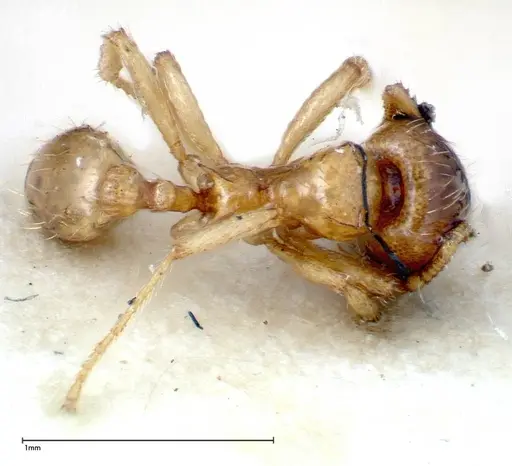
FOCOL0300
View on AntWeb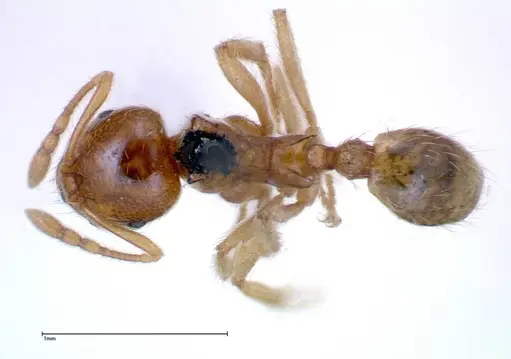
Literature
Loading...Loading products...