

Loboponera basalis
- Scientific Name
- Loboponera basalis
- Tribe
- Ponerini
- Subfamily
- Ponerinae
- Author
- Bolton & Brown, 2002
- Distribution
- Found in 1 countries
Loboponera basalis Overview
Loboponera basalis is an ant species of the genus Loboponera. It is primarily documented in 1 countries , including Gabon. Detailed taxonomic data and occurrence records can be further explored via authoritative databases such as AntWeb or the Global Biodiversity Information Facility (GBIF).
Loboponera basalis
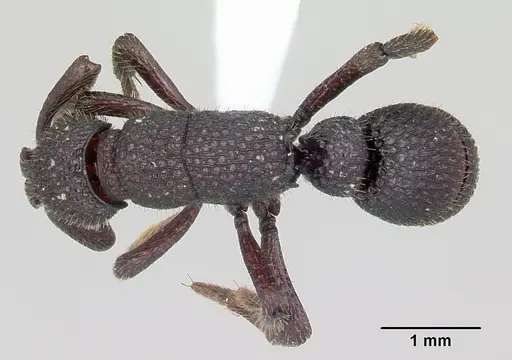
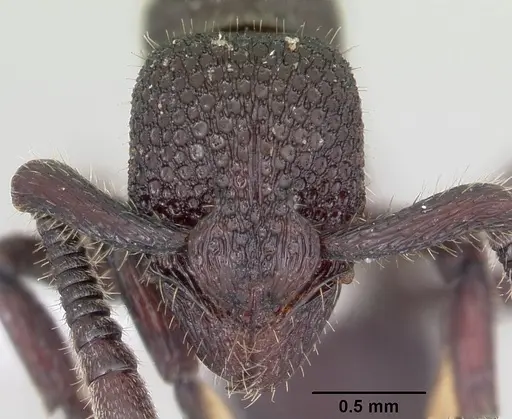
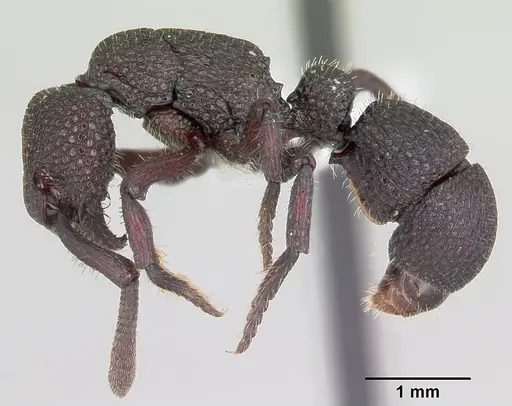
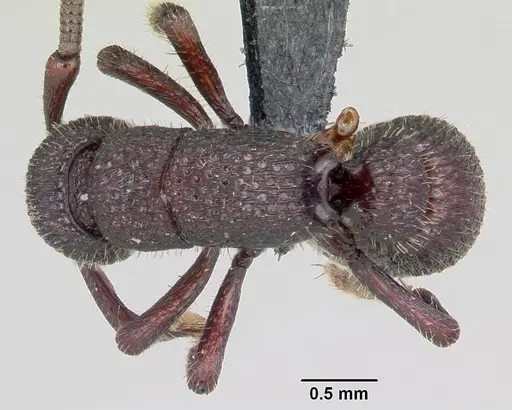
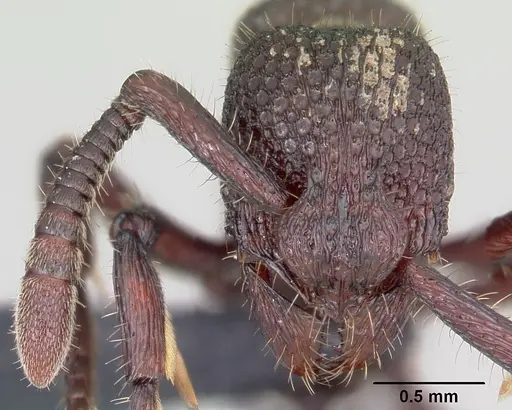
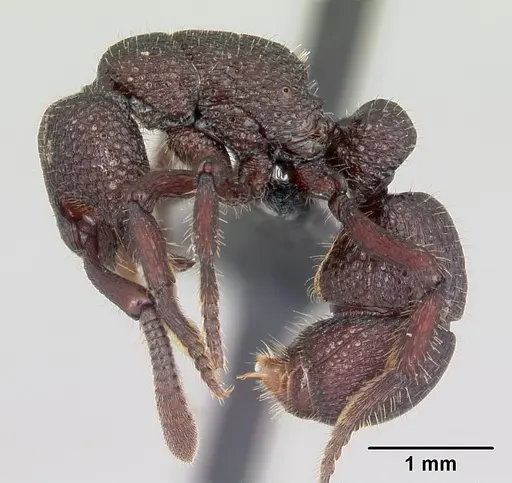
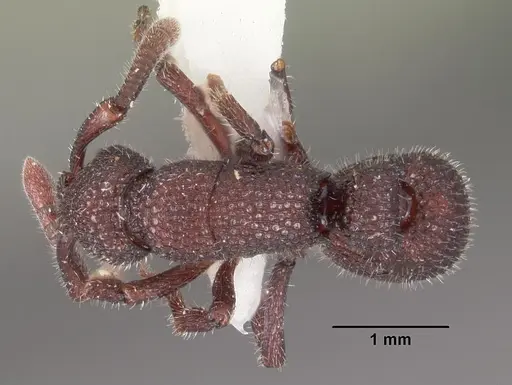
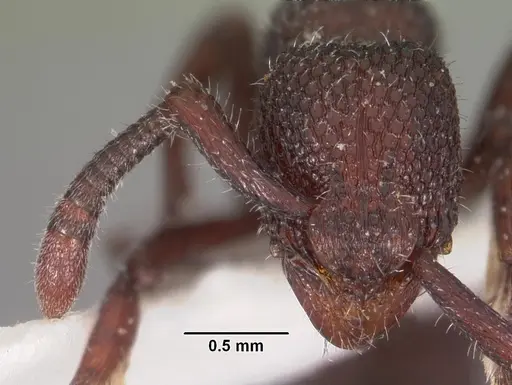
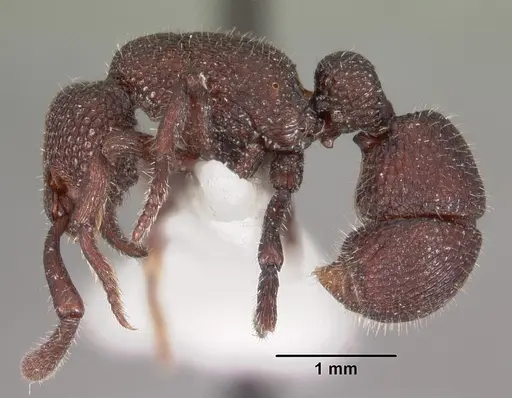
Loboponera basalis is a medium-sized ant belonging to the subfamily Ponerinae, native to West African rainforests. Workers measure 5.9-6.6mm and have a distinctive glossy appearance with longitudinal ridged sculpture on their body. The species gets its name from the unique structure at the base of the first gastral tergite, which has a conspicuous triangular tooth extending forward, a feature that immediately sets it apart from related species. These ants live in rotten wood within rainforest litter, making them a cryptic forest-floor species found across Ivory Coast, Ghana, and Cameroon [1].
This species belongs to the vigilans group within Loboponera and remains poorly studied in captivity. As a Ponerine ant, they likely share characteristics with relatives like Plectroctena, predatory or omnivorous hunters with potent stings. Their rainforest origin suggests they need stable, warm, and humid conditions to thrive.
Quick Summary
- Difficulty: Medium
- Origin & Habitat: West African rainforests, specifically Ivory Coast, Ghana, and Cameroon. They nest in rotten wood within rainforest litter at elevations ranging from 110m to 900m [2][3][1].
- Colony Type: Unconfirmed, colony structure has not been documented in scientific literature. Ponerinae ants are typically monogyne (single queen), but this has not been verified for L. basalis specifically.
- Size & Growth:
- Queen: Unconfirmed, only worker measurements are available. Based on related Ponerinae, queens likely exceed 7mm [1].
- Worker: 5.9-6.6mm [1]
- Colony: Unknown, no colony size data exists. Related rainforest Ponerinae typically form colonies of several hundred workers.
- Growth: Unknown, no development data exists for this species. Ponerinae generally grow at moderate rates.
- Development: Unconfirmed, no direct measurements exist. Based on genus-level inference from similar Ponerinae species, expect 6-10 weeks at optimal temperature. This is a rough estimate only. (No specific development data exists for this species. Related Ponerinae in the genus typically require 6-8 weeks from egg to worker at warm temperatures.)
- Antkeeping:
- Temperature: Likely 22-26°C based on rainforest origin and related species. Provide a gentle thermal gradient allowing workers to self-regulate. Room temperature in most homes (20-24°C) should be acceptable as a starting point
- Humidity: High humidity required, rainforest litter ants need consistently moist substrate. Keep nest substrate damp but not waterlogged, with some drier areas available for the ants to self-regulate. Think damp forest floor conditions
- Diapause: Unknown, no documented winter dormancy for this species. As a tropical rainforest ant, they likely do not require formal hibernation but may reduce activity during cooler periods. Monitor colony activity levels and adjust accordingly.
- Nesting: Natural nesting occurs in rotten wood within rainforest litter. In captivity, a naturalistic setup with damp substrate and small cavities works well. Y-tong nests or plaster nests with moisture reservoirs can replicate their preferred conditions. Avoid dry, airy setups.
- Behavior: Likely predatory or omnivorous like other Ponerinae, with workers hunting small invertebrates in the leaf litter. Their medium size and potent sting (typical of Ponerinae) make them capable defenders. Escape risk is moderate, these are not tiny ants, but standard barriers and proper lids should prevent escapes. Activity level is likely moderate, with workers actively foraging through substrate. Temperament is unknown but Ponerinae ants are typically more defensive and willing to sting when threatened compared to many Formicinae or Myrmicinae.
- Common Issues: limited availability, this is not a common species in the antkeeping hobby, no established captive breeding protocols, all specimens likely wild-caught, humidity management is critical, rainforest species decline rapidly in dry conditions, temperature stability matters, avoid drafts and temperature fluctuations, predatory diet requirements may limit feeding options compared to easier species
Natural History and Distribution
Loboponera basalis is endemic to West African rainforests, with confirmed records from Ivory Coast, Ghana, and Cameroon. The species was originally described by Bolton & Brown in 2002 from specimens collected in Ivory Coast, specifically from Lamto and Nzi Noua areas. They inhabit the rainforest floor litter layer, nesting within rotting wood fragments buried in the decomposing leaf matter. This microhabitat provides consistent humidity, protection from predators, and access to prey items like small invertebrates and arthropods.
The elevation range spans from approximately 110m in lowland Gabonese rainforests to 800-900m in highland Cameroon areas. This suggests the species can tolerate a range of conditions but requires the humidity and stability of forested environments. Their distribution pattern indicates they are not common, most ant surveys in the region record few individuals, suggesting naturally low colony densities typical of specialized rainforest litter ants. [1][2][3]
Housing and Nest Setup
Because Loboponera basalis naturally nests in rotting wood within rainforest litter, your setup should replicate these conditions. A naturalistic terrarium with a deep layer of damp forest floor substrate works well, use a mixture of soil, sand, and decaying leaf matter to create a substrate that holds moisture while allowing for burrowing.
Alternatively, a Y-tong (acrylic) nest with moisture chambers can work if you maintain high ambient humidity. The key is preventing the nest from drying out, these rainforest species are extremely sensitive to desiccation. If using a test tube setup, ensure the cotton is kept moist and cover the setup to maintain humidity. Avoid setups with excessive ventilation that would dry the air quickly.
Provide hunting space in the outworld where workers can forage. Include small hiding spots and clutter that mimics the debris-filled forest floor they naturally inhabit.
Feeding and Diet
As a Ponerinae ant, Loboponera basalis is likely predatory or omnivorous, similar to related genera like Plectroctena and Boloponera. In the wild, they probably hunt small invertebrates found in leaf litter, springtails, mites, small beetles, and other micro-arthropods form their natural diet.
In captivity, offer small live prey items like fruit flies, pinhead crickets, small mealworms, and other appropriately-sized insects. Protein-rich foods should form the bulk of their diet. You may also offer occasional sugar sources like honey or sugar water, though Ponerinae often show less interest in sweets than Formicinae or Myrmicinae.
Feed every 2-3 days, adjusting based on colony size and consumption. Remove uneaten prey after 24-48 hours to prevent mold. A well-fed colony will have workers with distended abdomens storing food reserves.
Temperature and Humidity Management
Maintain temperatures in the 22-26°C range, this aligns with their West African rainforest origin and typical Ponerinae requirements. A heating cable on one side of the nest can create a thermal gradient, but ensure the warm end doesn't exceed 28°C. Room temperature in most homes should suffice as a starting point.
Humidity is more critical than temperature for this species. The rainforest litter environment they inhabit is constantly moist. Keep the substrate consistently damp but not waterlogged, aim for conditions where the substrate feels like a wrung-out sponge. Mist the setup regularly and consider using a moisture reservoir in your nest setup.
Monitor for condensation on the nest walls, this indicates adequate humidity. If condensation disappears quickly after misting, the setup is too dry. Conversely, standing water indicates excessive moisture that can drown colonies and promote mold.
Colony Development and Growth
No specific development data exists for Loboponera basalis. Based on related Ponerinae species, expect the following approximate timeline: eggs hatch in 1-2 weeks, larvae develop over 3-4 weeks, and pupation takes 2-3 weeks. Total time from egg to first worker (nanitic) is roughly 6-10 weeks at optimal temperature.
First workers will be smaller than mature workers (nanitics) and the colony will grow gradually. Ponerine colonies typically grow more slowly than many common ant species, patience is essential. A founding colony may take 6-12 months to reach 20-30 workers, and several years to reach larger sizes.
Queen laying rate is likely modest compared to faster-reproducing Myrmicinae. The colony will expand gradually as the queen produces workers that then take over foraging and brood care duties.
Frequently Asked Questions
How long does it take for Loboponera basalis to produce first workers?
The egg-to-worker timeline is unconfirmed for this species. Based on related Ponerinae, expect approximately 6-10 weeks at optimal temperature (22-26°C). This is a rough estimate only, actual development time may vary.
What do Loboponera basalis ants eat?
They are likely predatory or omnivorous like other Ponerinae. Offer small live prey like fruit flies, pinhead crickets, and small mealworms. Protein-rich insects should form their primary diet. They may accept occasional sugar sources like honey water.
What temperature and humidity do they need?
Keep temperatures around 22-26°C with a gentle gradient. Humidity is critical, maintain consistently damp substrate conditions similar to a rainforest floor. Do not let the nest dry out.
Are Loboponera basalis good for beginners?
No, this is not a recommended species for beginners. They are rarely available, require specific humidity conditions, and no established captive breeding protocols exist. Their care requirements are poorly documented compared to more common species.
How big do Loboponera basalis colonies get?
Colony size is unconfirmed, but related rainforest Ponerinae typically reach several hundred workers. Expect slow growth, colonies will take months to reach even 30-50 workers.
Can I keep multiple Loboponera basalis queens together?
Colony structure is unconfirmed for this species. Ponerinae are typically monogyne (single queen), but polygyny has not been documented. Do not attempt combining unrelated queens without specific evidence this species tolerates it.
Do they need hibernation or diapause?
Diapause requirements are unknown. As a tropical rainforest species, they likely do not require formal hibernation. They may reduce activity during cooler periods but should not be subjected to cold temperatures.
Why are my Loboponera basalis dying?
The most likely causes are: low humidity (rainforest species die quickly in dry conditions), temperature stress (avoid drafts and temperatures below 20°C), or inadequate prey (they need protein-rich food). Wild-caught colonies may also carry parasites or be stressed from collection.
References

This caresheet is licensed under CC BY-SA 4.0 .
Literature
Loading...Loading products...