

Lioponera varians
- Scientific Name
- Lioponera varians
- Subfamily
- Dorylinae
- Author
- Clark, 1924
- Distribution
- Found in 1 countries
Lioponera varians Overview
Lioponera varians is an ant species of the genus Lioponera. It is primarily documented in 1 countries , including Australia. Detailed taxonomic data and occurrence records can be further explored via authoritative databases such as AntWeb or the Global Biodiversity Information Facility (GBIF).
Lioponera varians
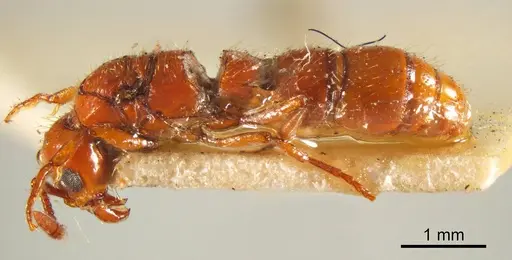
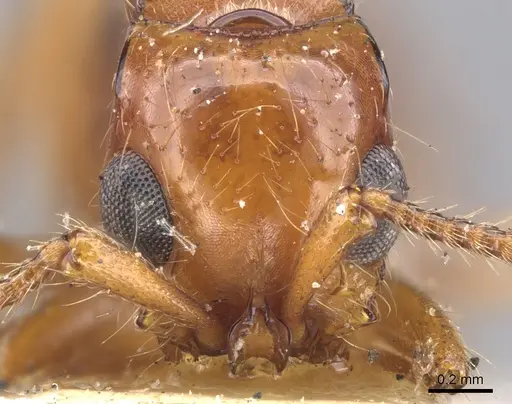
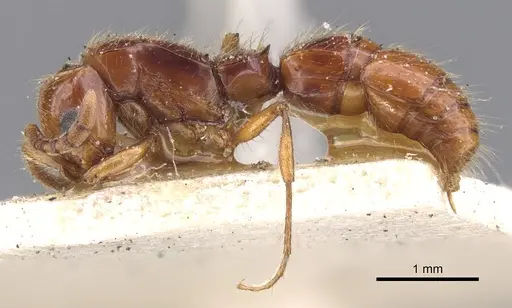
Lioponera varians is an Australian ant species belonging to the subfamily Dorylinae (army ants). Workers are medium-sized with notably large eyes compared to many other Dorylinae species, and they display variable coloration as the species name suggests [1]. This species has been recorded from the drier regions of Western Australia's South-West Botanical Province and the neighbouring Eremaean Botanical Province, with additional records from the Darling River region of New South Wales [1]. The large eyes are a distinctive feature that sets this species apart from many of its blind or small-eyed relatives in the Dorylinae subfamily.
Quick Summary
- Difficulty: Unknown, limited data available
- Origin & Habitat: Native to Australia, specifically Western Australia (South-West Botanical Province and Eremaean Botanical Province) and the Darling River region of New South Wales. Found in drier, arid to semi-arid habitats [1].
- Colony Type: Unconfirmed, colony structure has not been documented in scientific literature
- Size & Growth:
- Queen: Unknown, not measured in available literature
- Worker: Unknown, not measured in available literature
- Colony: Unknown, no colony size data available
- Growth: Unknown
- Development: Unknown, no development data available for this species (Development timeline cannot be estimated from available data. Related Dorylinae species typically develop faster than many other ant subfamilies, but specific timelines for Lioponera are unconfirmed.)
- Antkeeping:
- Temperature: Likely tolerates a range given Australian arid to semi-arid distribution. Based on similar Australian Dorylinae, room temperature (20-26°C) is likely suitable. Provide a temperature gradient allowing ants to self-regulate.
- Humidity: Low to moderate, from drier Australian regions. Allow nest substrate to dry partially between waterings. Avoid overly damp conditions.
- Diapause: Unknown, Australian species may experience reduced activity during cooler months but true hibernation requirements are unconfirmed.
- Nesting: Natural nesting habits unconfirmed. Based on Dorylinae patterns, likely nests in soil or under stones. For captivity, a test tube setup with moist substrate or a small formicarium with干燥 substrate would be appropriate starting point.
- Behavior: Behavior is poorly documented. As a Dorylinae member, likely predaceous like other army ants, hunting small invertebrates. Large eyes suggest more visual activity than typical blind Dorylinae. Escape prevention should be moderate, workers likely medium-sized but specific dimensions unknown.
- Common Issues: limited data makes care recommendations uncertain, this species is poorly studied, colony founding behavior unknown, difficulty establishing colonies from wild-caught queens is unknown, no documented temperature or humidity preferences, keepers must experiment carefully, growth rate and development timeline unconfirmed, patience required during founding phase, availability is rare in antkeeping hobby, few keepers have experience with this species
Species Overview and Identification
Lioponera varians is a distinctive Australian ant species that was originally described as Lioponera varians by Clark in 1924,later transferred to Cerapachys, and now placed in Lioponera following recent taxonomic revisions [1]. The species is most easily identified by its notably large eyes compared to other Dorylinae species, and the dorsolateral carina that curves toward the eye. The name 'varians' reflects the variable coloration this species displays. This ant is found across two major Australian botanical provinces, the South-West Botanical Province and the neighbouring Eremaean Botanical Province in Western Australia, with additional records from the Darling River region in New South Wales [1].
Natural Habitat and Distribution
Lioponera varians occupies the drier regions of southwestern Australia, an area characterized by Mediterranean climate with hot, dry summers and mild, wet winters. The species has been collected from the South-West Botanical Province and extends into the neighboring Eremaean Botanical Province, which represents more arid interior regions. The presence in the Darling River region of New South Wales suggests the species may have a broader distribution than currently documented. This distribution pattern suggests the species is adapted to drier conditions compared to many other Dorylinae that prefer humid environments. [1]
Housing and Nesting
Since specific nesting habits are not documented for this species, housing recommendations must be based on what we know about related Dorylinae and the species' arid distribution. A test tube setup with a water reservoir works well for colony founding. For established colonies, a small formicarium with moderate humidity is appropriate, avoid the very wet conditions preferred by some tropical Dorylinae. The substrate should allow for some drying between waterings. Given the large eyes, this species may be more visually active than typical army ants, so providing some light cycles may be beneficial. Escape prevention should be standard, these are not tiny ants, so standard barriers should suffice.
Feeding and Diet
As a Dorylinae ant, Lioponera varians is likely predaceous like other army ants, hunting small invertebrates such as springtails, mites, and tiny insects. Dorylinae typically do not collect honeydew or tend aphids. Offer small live prey items appropriate to the colony size. During founding, the queen will likely need access to small prey to feed herself and her brood. Once workers arrive, they should be offered regular small live insects. Sugar sources are unlikely to be accepted given the predatory nature of Dorylinae. Feed small prey items every few days, removing any uneaten prey to prevent mold.
Temperature and Seasonal Care
Given the species' distribution in the drier regions of southern Australia, Lioponera varians likely tolerates a range of temperatures. Room temperature in the low-to-mid 20s Celsius should be suitable. Provide a temperature gradient so the colony can choose its preferred zone. During Australian winter (roughly June to August), the colony may show reduced activity, this is not true hibernation but a slowing of metabolism. No specific diapause requirements have been documented. If you notice decreased activity during cooler months, reduce feeding and do not be alarmed.
Behavior and Temperament
The large eyes of this species suggest it may be more visually oriented than typical Dorylinae, which are often blind or have reduced eyes. This could indicate more active foraging during the day and greater use of visual cues. Like other army ants, they likely hunt in groups and may exhibit raiding behavior. Workers are probably medium-sized and capable of defending the colony. Specific aggression levels are unconfirmed, but Dorylinae are generally not aggressive toward humans due to their small stingers. Escape risk is moderate, not tiny ants, but specific dimensions are unknown. [1]
Frequently Asked Questions
How do I care for Lioponera varians ants?
Care for Lioponera varians is not well documented due to limited scientific data. Based on related Dorylinae and the species' arid Australian distribution, use a test tube setup for founding, maintain moderate humidity with drying periods between waterings, keep at room temperature (20-26°C), and feed small live prey like springtails or fruit flies. This is an experimental species in antkeeping with no established husbandry protocols.
What do Lioponera varians eat?
As a Dorylinae (army ant), Lioponera varians is likely predaceous. Offer small live invertebrates such as springtails, fruit flies, and other tiny insects. They probably do not accept sugar sources or honeydew. Remove uneaten prey promptly to prevent mold issues.
How big do Lioponera varians colonies get?
Colony size is unknown, no scientific data documents maximum colony size for this species. Based on related Dorylinae, colonies may reach several hundred workers, but this is an estimate only.
Does Lioponera varians need hibernation?
Diapause requirements are unconfirmed. The species comes from southern Australia where winters are mild but show reduced activity. If your colony slows during cooler months, reduce feeding and maintain slightly cooler temperatures, this appears to be a natural seasonal slowdown rather than true hibernation.
Can beginners keep Lioponera varians?
This species is not recommended for beginners due to limited documented care information. The lack of established husbandry protocols means keepers must be prepared to experiment and adapt care based on colony response. Consider starting with better-documented species before attempting Lioponera varians.
How long does it take for Lioponera varians to produce first workers?
Development timeline is unconfirmed, no scientific data exists for egg-to-worker development time. Based on typical Dorylinae patterns, expect several weeks to a couple of months at warm temperatures, but this is a rough estimate only.
Is Lioponera varians a monogyne or polygyne species?
Colony structure is unconfirmed. No scientific documentation exists regarding whether this species forms single-queen or multi-queen colonies.
What makes Lioponera varians distinctive?
Lioponera varians is distinguished by its notably large eyes compared to other Dorylinae species, and its variable coloration (reflected in the species name 'varians'). The dorsolateral carina curving toward the eye is another identifying feature [1].
References

This caresheet is licensed under CC BY-SA 4.0 .
ANTWEB1008253
View on AntWeb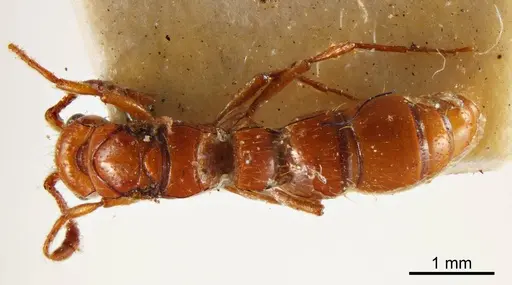
CASENT0902758
View on AntWeb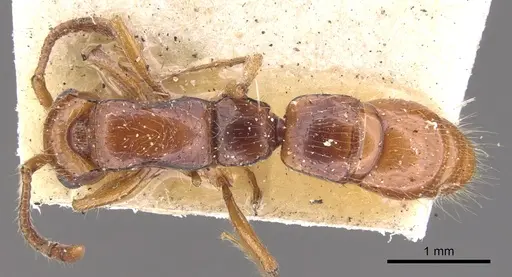
Literature
Loading...Loading products...