

Lioponera singularis
- Scientific Name
- Lioponera singularis
- Subfamily
- Dorylinae
- Author
- Forel, 1900
- Distribution
- Found in 1 countries
Lioponera singularis Overview
Lioponera singularis is an ant species of the genus Lioponera. It is primarily documented in 1 countries , including Australia. Detailed taxonomic data and occurrence records can be further explored via authoritative databases such as AntWeb or the Global Biodiversity Information Facility (GBIF).
Lioponera singularis
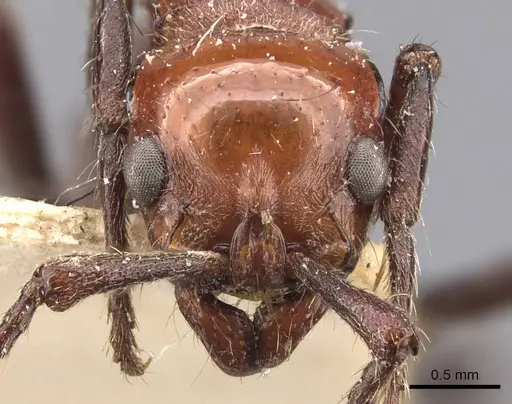
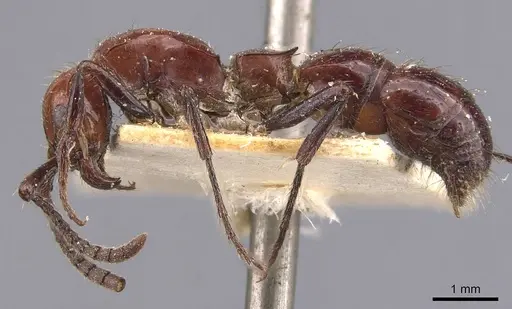
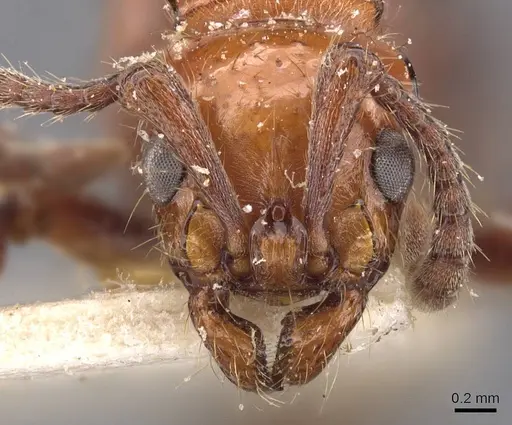
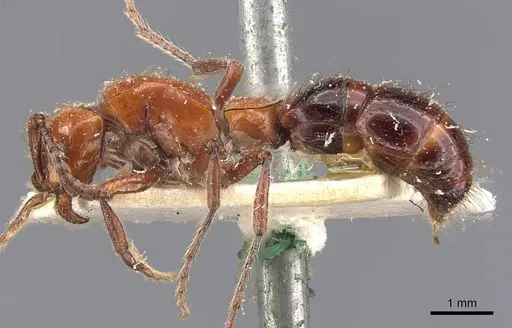
Lioponera singularis is a predatory ant species native to Australia, formerly classified as Lioponera singularis [1]. These are medium-sized ants belonging to the Dorylinae subfamily, commonly known as army ants or spider ants. Workers are typically dark reddish-brown to black, with distinctive lateral carinae (ridge-like structures) on the head [1]. As predatory ants, they are active hunters that specialize in capturing other arthropods. In their natural habitat across Australian forests and woodlands, they form moderate-sized colonies with a single queen. Their hunting behavior involves raiding parties that search for prey, making them fascinating but challenging to keep in captivity.
Quick Summary
- Difficulty: Medium
- Origin & Habitat: Australia, found across various habitats including forests, woodlands, and urban areas. They nest in soil, under stones, or in rotting wood.
- Colony Type: Monogyne (single queen colonies), based on typical Dorylinae patterns
- Colony: Monogyne
- Founding: Semi-claustral
- Size & Growth:
- Queen: Estimated 8-10mm based on genus Lioponera
- Worker: Estimated 4-7mm based on genus patterns
- Colony: Estimated 500-2000 workers based on related Dorylinae
- Growth: Moderate, inferred from genus patterns
- Development: Estimated 6-10 weeks at optimal temperature based on related Dorylinae species (Development time is estimated based on genus patterns, direct measurements unavailable for this species)
- Antkeeping:
- Temperature: Keep at 22-26°C. A gentle heat gradient allows ants to regulate their temperature.
- Humidity: Moderate humidity around 50-60%. They prefer slightly drier conditions than many tropical ants.
- Diapause: Likely requires a mild winter rest period (diapause) of 2-3 months at 10-15°C, consistent with Australian temperate origins.
- Nesting: Y-tong nests or plaster nests work well. They prefer dark, secure nesting areas with narrow chambers. Provide a moisture area but avoid overly wet conditions.
- Behavior: Lioponera singularis is a predatory species with active hunting behavior. Workers are aggressive hunters that will raid insect colonies and capture live prey. They are primarily nocturnal or crepuscular, becoming more active during cooler hours. Escape prevention is important, while not extremely small, they are agile and will exploit gaps. They have a moderate sting, primarily used for subduing prey.
- Common Issues: Predatory nature means they require constant live prey, failure to provide adequate protein leads to colony decline, Limited availability in the antkeeping hobby makes this species difficult to acquire, Slow colony establishment compared to more common species may frustrate beginners, Winter diapause is essential, keeping them warm year-round can shorten lifespan, Wild-caught colonies may carry parasites that can devastate captive populations
Housing and Nest Setup
Lioponera singularis adapts well to various captive setups. Y-tong (acrylic) nests or plaster nests with narrow chambers work best, as they provide the dark, secure environment these ants prefer. The nest should include a water reservoir section to maintain moderate humidity without requiring constant misting. An outworld (foraging area) should be connected to the nest, large enough for hunting activities and prey placement. Use a test tube setup for founding colonies, providing a dark cover to simulate natural nesting conditions. Escape prevention is important, while not among the smallest ants, they are agile and can squeeze through small gaps. Apply fluon or similar barriers to all connections.
Feeding and Diet
As predatory ants, Lioponera singularis requires a protein-rich diet based on live prey. Offer small insects such as fruit flies, pinhead crickets, mealworms, and other appropriately sized arthropods. They will readily accept most small invertebrates. Feed every 2-3 days, adjusting based on colony size and consumption. A sugar source (honey or sugar water) may be accepted occasionally, but protein prey should form the primary diet. Remove uneaten prey after 24 hours to prevent mold. Growing colonies will consume more prey as the worker population increases.
Temperature and Seasonal Care
Maintain temperatures between 22-26°C for optimal colony health and development. A heat gradient allows ants to self-regulate, place a heating cable on one end of the nest, ensuring it warms only a portion of the setup. During Australian winter months (June-August), gradually reduce temperatures to 10-15°C for a 2-3 month diapause period. This winter rest is essential for colony health and longevity. Monitor colony behavior during diapause, they should become less active but not become lethargic. Resume normal temperatures gradually in spring.
Behavior and Colony Dynamics
Lioponera singularis exhibits typical Dorylinae behavior with active raiding and prey capture. Workers hunt individually or in small groups, using their mandibles to subdue prey. The colony will establish a central nest with the queen and brood, sending foragers to the outworld for hunting. Unlike some army ants, they do not form massive supercolonies. Queens are relatively long-lived compared to workers. Colonies grow moderately, expect several months before the first workers (nanitics) appear, then gradual growth over 1-2 years to reach moderate colony size. Workers may live several months, with the colony maintaining a stable population through continuous brood production.
Frequently Asked Questions
How long does it take for Lioponera singularis to produce first workers?
Expect 6-10 weeks from egg to first worker at optimal temperature (22-26°C). This is an estimate based on related Dorylinae species, as specific development data for this species is unavailable.
What do Lioponera singularis ants eat?
They are predatory ants requiring live prey. Feed small insects like fruit flies, pinhead crickets, and mealworms. Protein should be the primary food source. They may occasionally accept sugar water or honey as a supplement.
Can I keep multiple queens together?
Not recommended. Lioponera singularis is likely monogyne (single queen). Combining unrelated queens has not been documented and would likely result in aggression.
Do Lioponera singularis need hibernation?
Yes, they likely require a winter rest period (diapause) of 2-3 months at 10-15°C, reflecting their Australian temperate origins. This rest period is important for colony health.
Is Lioponera singularis good for beginners?
This species is rated Medium difficulty and is not ideal for complete beginners. Their predatory diet requiring live prey and specific temperature needs make them more challenging than common species like Lasius or Camponotus.
How big do Lioponera singularis colonies get?
Based on related Dorylinae species, colonies likely reach 500-2000 workers over 1-2 years. They are not among the largest army ant species.
When should I move my colony to a formicarium?
Move from test tube to a proper nest setup once the colony reaches 20-30 workers and the test tube shows signs of degradation. Ensure the new setup has appropriate chamber sizes and humidity control.
Why are my Lioponera singularis dying?
Common causes include: insufficient live prey (they need constant protein), improper temperature (too cold or too hot), excessive humidity causing mold, or stress from disturbance. Review each care aspect and adjust accordingly.
Where can I get Lioponera singularis ants?
This species has limited availability in the antkeeping hobby. Check specialized ant vendors or breeder networks. Wild collection may be possible in their Australian range but check local regulations.
References

This caresheet is licensed under CC BY-SA 4.0 .
CASENT0907064
View on AntWeb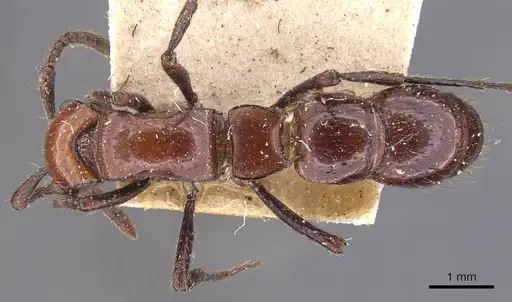
CASENT0907065
View on AntWeb
Literature
Loading...Loading products...