

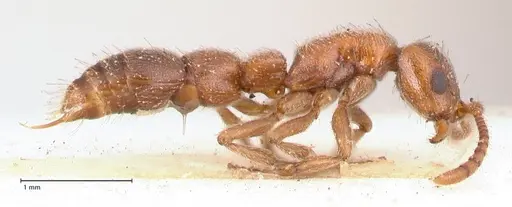
Lioponera singaporensis
- Scientific Name
- Lioponera singaporensis
- Subfamily
- Dorylinae
- Author
- Viehmeyer, 1916
- Distribution
- Found in 1 countries
Lioponera singaporensis Overview
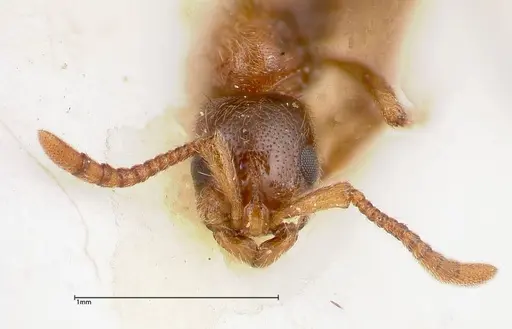
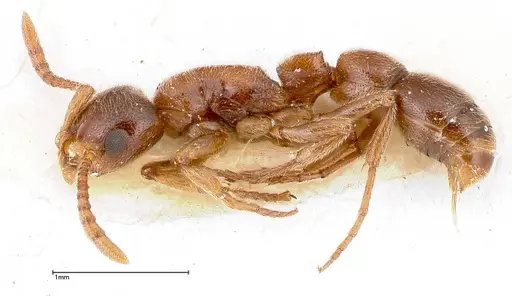
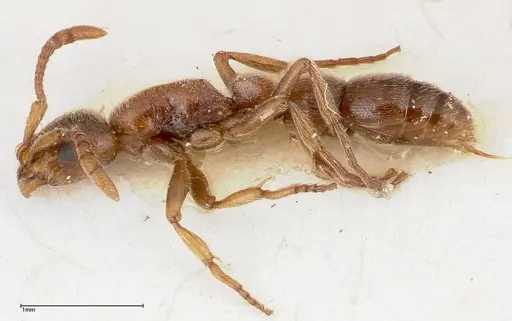
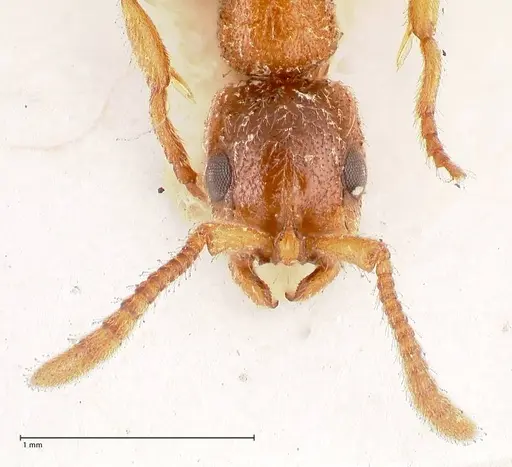
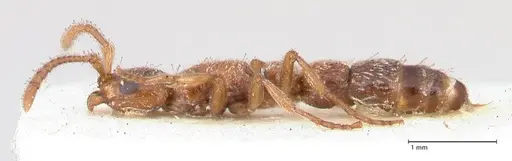
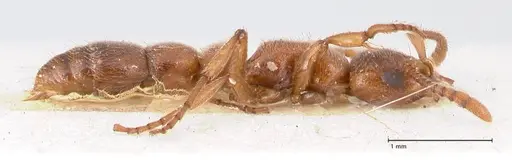
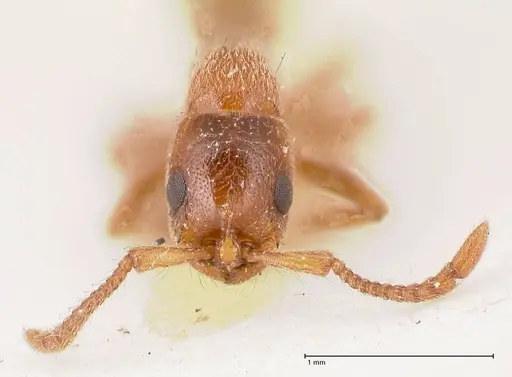
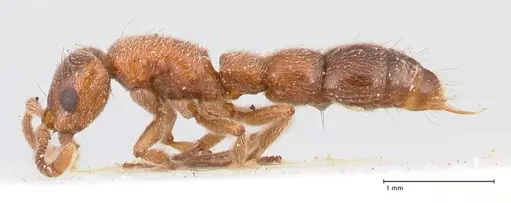
Lioponera singaporensis is an ant species of the genus Lioponera. It is primarily documented in 1 countries , including Singapore. Detailed taxonomic data and occurrence records can be further explored via authoritative databases such as AntWeb or the Global Biodiversity Information Facility (GBIF).
Lioponera singaporensis
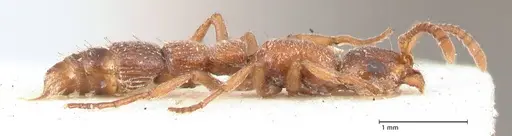
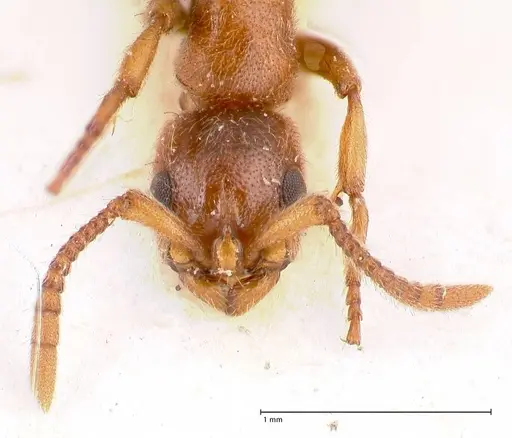
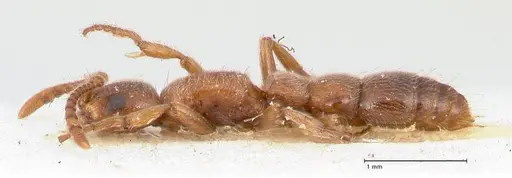
Lioponera singaporensis is a rare, small ant species native only to Singapore, where it was first discovered nesting in hollow twigs of mango and mangosteen trees. Workers are part of the longitarsus group within Lioponera, characterized by their arboreal or subarboreal lifestyle, they nest in natural cavities like hollow twigs, beetle burrows, and channels in wood or bark rather than in soil. This species has only been documented a few times in the wild, making it one of the less studied ants in the hobby. The genus Lioponera was formerly classified as Cerapachys, and these ants are closely related to army ants (Dorylinae subfamily), though they differ significantly in their nesting habits.
Quick Summary
- Difficulty: Expert
- Origin & Habitat: Singapore, only known from this location. In the wild, they nest exclusively in hollow twigs, branches, and beetle burrows in trees (arboreal or subarboreal nesting) [1][2][3].
- Colony Type: Colony structure is unconfirmed. Only a single colony has been documented in the wild, found in a hollow twig.
- Size & Growth:
- Queen: Unknown, queen has not been described in scientific literature
- Worker: Unknown, exact measurements not published
- Colony: Unknown, only one colony has ever been documented
- Growth: Unknown
- Development: Unknown, no development data exists for this species (Based on related Dorylinae species, expect development to take several weeks to months, but this is purely speculative)
- Antkeeping:
- Temperature: Unknown, no specific data exists. Given their Singapore origin (tropical), aim for warm conditions around 24-28°C. Monitor colony activity to find the ideal range.
- Humidity: Unknown, no specific data. Their natural habitat in hollow twigs suggests they prefer moderately humid conditions with some ventilation. Avoid both waterlogging and complete drying.
- Diapause: Unknown, no data on overwintering requirements. As a tropical species from Singapore, they likely do not require a diapause period.
- Nesting: This is critical, they are arboreal nesters that naturally live in hollow twigs and branches. Provide a naturalistic setup with small-diameter tubes or channels that mimic hollow twigs. Test tubes may work if positioned horizontally or at an angle to simulate a twig cavity. Avoid soil-based nests.
- Behavior: Behavior is poorly documented. As a Dorylinae relative, they are likely predatory on small invertebrates. Their tiny size and arboreal lifestyle suggest they are shy and may be nocturnal or crepuscular. Escape prevention is important given their small size, they could potentially squeeze through small gaps. No data on sting potency exists, but being a Dorylinae relative, they likely have a functional sting.
- Common Issues: this species has never been kept in captivity before, no husbandry guidance exists, extreme rarity means finding a colony is nearly impossible, no information on diet acceptance, must experiment cautiously, unknown if they accept sugar or require live prey exclusively, no data on colony founding behavior or queen claustrality
Housing and Nesting
Lioponera singaporensis presents unique housing challenges because they are strictly arboreal nesters in the wild. In nature, they live in hollow twigs, beetle burrows, and other cavities within wood and bark, never in soil. For captivity, you need to replicate these conditions as closely as possible. Small-diameter glass or acrylic tubes (similar to those used for tiny tropical ants) work best, positioned horizontally or at a slight angle to mimic a natural twig cavity. Avoid standard soil formicariums or plaster nests unless the ants clearly adapt. The nesting chamber should be small and snug, these ants likely feel secure in tight spaces like their natural twig homes. Provide a small outworld with access to small live prey. Escape prevention is important given their tiny size, use fine mesh and ensure all connections are sealed. [1][2][3]
Feeding and Diet
Diet requirements are completely unstudied for this species. As members of the Dorylinae subfamily (army ants and their relatives), they are almost certainly predatory on small invertebrates. In the wild, they likely hunt micro-arthropods, springtails, and other tiny creatures found in tree bark and hollow twigs. For captivity, start with small live prey like springtails, fruit flies, and pinhead crickets. Observe whether they accept pre-killed prey, some Dorylinae relatives only accept moving prey. Sugar acceptance is unknown, some Dorylinae species do not take sugar at all. Offer sugar water or honey occasionally but do not rely on it as a primary food source. Feed small amounts every 2-3 days and remove uneaten prey within 24 hours to prevent mold.
Temperature and Environmental Conditions
No specific temperature or humidity data exists for this species. However, being native only to Singapore (a tropical rainforest climate), they almost certainly require warm, humid conditions year-round. Aim for temperatures in the range of 24-28°C, which aligns with typical indoor room temperatures in many homes. If your room is cooler, use a gentle heating cable on one side of the nest to create a slight gradient. For humidity, their natural hollow-twig habitat suggests they prefer moderate humidity (around 60-80%) without being waterlogged. Provide a water tube for drinking and occasional misting of the outworld. Do not hibernate this species, Singapore has no winter, so they likely remain active year-round. [1]
Acquiring This Species
Lioponera singaporensis is one of the rarest ants in the antkeeping hobby. It has only been documented a few times in scientific literature, all from Singapore, and has never been reported in the ant trade or hobby collections. You are extremely unlikely to find this species for sale from any commercial ant breeder. The only way to obtain this species would be to collect it in Singapore, which would require permits and is complicated by the species' rarity and the fact that it nests in tree branches rather than ground-level colonies. For these reasons, this species is not recommended for antkeepers regardless of experience level. Instead, consider other Dorylinae species that are available in the hobby, such as army ants (Dorylus species) or other Cerapachyini that have documented care requirements. [1][2][3]
Frequently Asked Questions
Is Lioponera singaporensis available for purchase?
No. This species has never been documented in the antkeeping hobby and is extremely rare even in scientific collections. It is only known from Singapore and has never been offered by commercial ant breeders. You are extremely unlikely to find this species for sale anywhere.
What do Lioponera singaporensis ants eat?
Diet is unconfirmed, but as Dorylinae relatives, they are almost certainly predatory on small live invertebrates. Start with springtails, fruit flies, and other tiny live prey. Sugar acceptance is unknown, some army ant relatives do not take sugar at all. Experiment cautiously and remove uneaten prey promptly.
What temperature do they need?
No specific data exists, but as a Singapore-native species, aim for warm tropical conditions around 24-28°C. This is similar to typical room temperature in many homes. If your room is cooler, use a gentle heat source.
Do they need hibernation?
No. Singapore has a tropical climate with no winter, so this species likely does not require any diapause or hibernation period. Keep them at warm, stable temperatures year-round.
How big do colonies get?
Unknown. Only one wild colony has ever been documented, and colony size was not recorded. Related Dorylinae species can have colonies ranging from dozens to thousands of workers, but we have no data for this specific species.
Are they good for beginners?
No. This species is not recommended for any antkeeper. There is zero documented husbandry information, they are extremely rare, and their arboreal nesting requirements are unique. Even expert antkeepers would struggle to keep this species without any baseline care data.
Can I keep multiple queens together?
Unknown. The colony structure of this species has never been studied. Only a single wild colony has been documented, and the queen has never been described scientifically. We do not know whether they are monogyne (single queen) or polygyne (multiple queens).
Where does Lioponera singaporensis live in the wild?
Only in Singapore. They have been found nesting in hollow twigs and branches of mango and mangosteen trees. They are arboreal or subarboreal, meaning they live in trees and woody vegetation, not in soil or underground nests.
References

This caresheet is licensed under CC BY-SA 4.0 .
CASENT0911265
View on AntWeb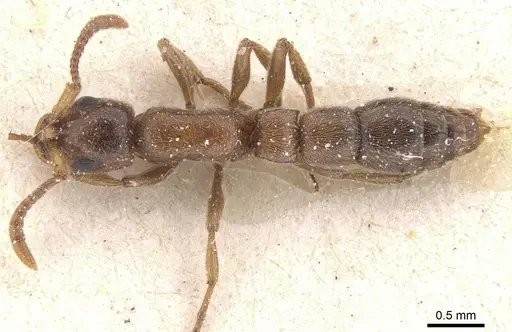
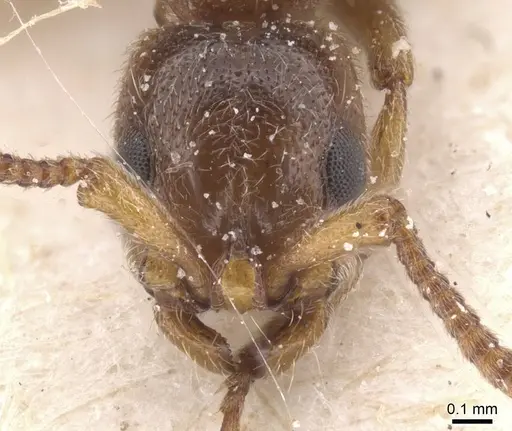
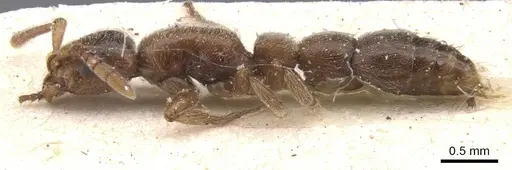
FOCOL0335
View on AntWeb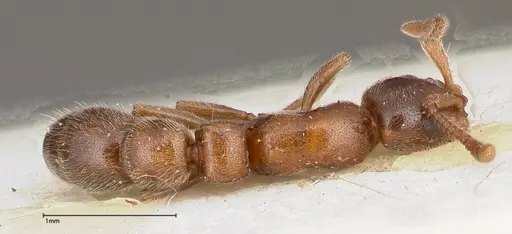
FOCOL0336
View on AntWeb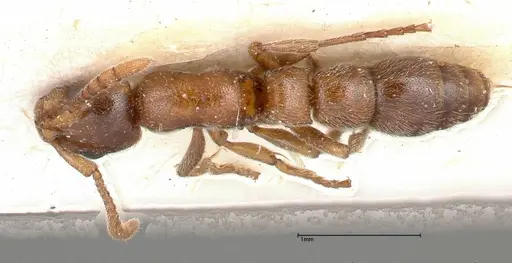
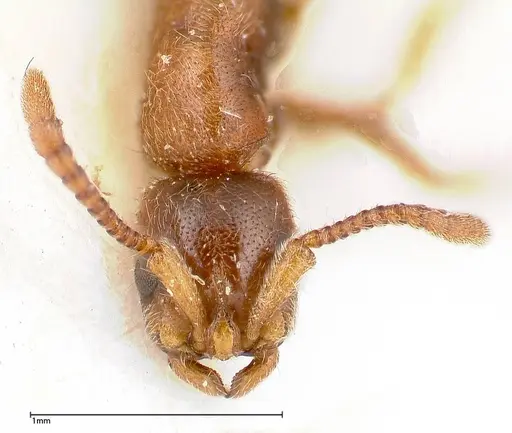
FOCOL0807
View on AntWeb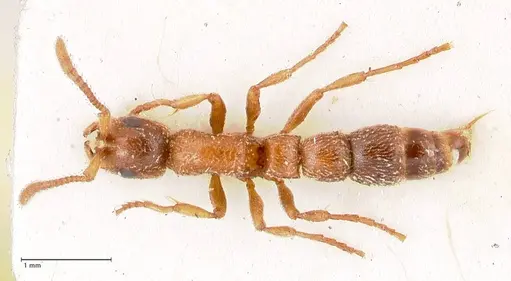
FOCOL0808
View on AntWeb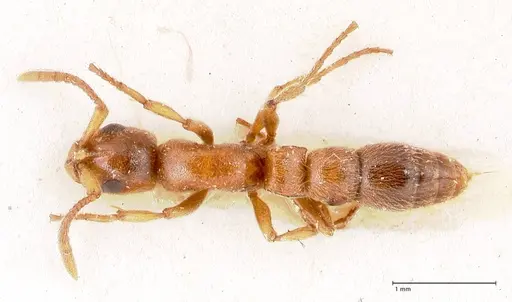
FOCOL0809
View on AntWeb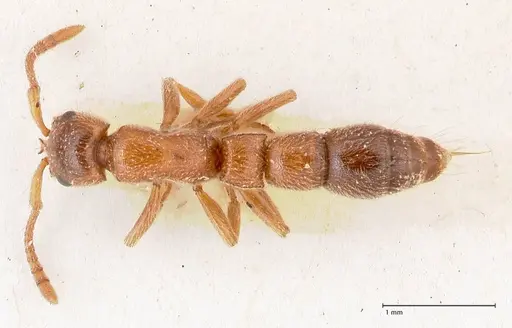
Literature
Loading...Loading products...