

Lioponera punctatissima
- Scientific Name
- Lioponera punctatissima
- Subfamily
- Dorylinae
- Author
- Clark, 1924
- Distribution
- Found in 1 countries
Lioponera punctatissima Overview
Lioponera punctatissima is an ant species of the genus Lioponera. It is primarily documented in 1 countries , including Australia. Detailed taxonomic data and occurrence records can be further explored via authoritative databases such as AntWeb or the Global Biodiversity Information Facility (GBIF).
Lioponera punctatissima
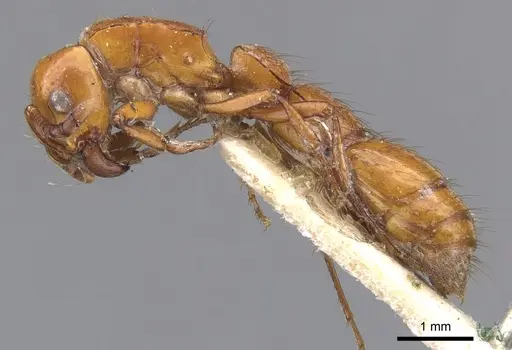
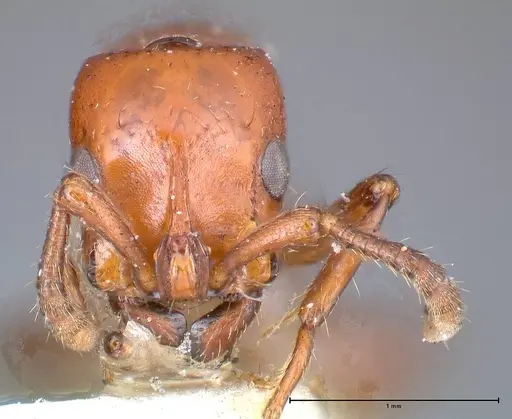
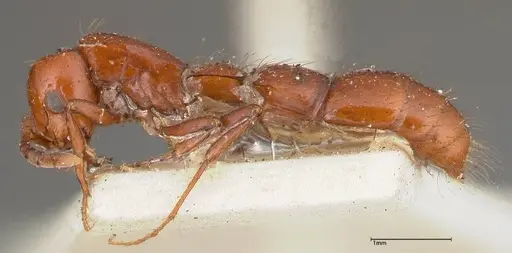
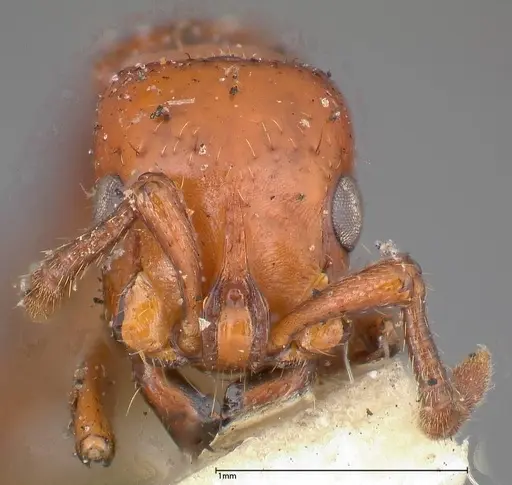
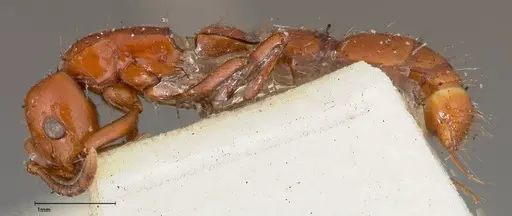
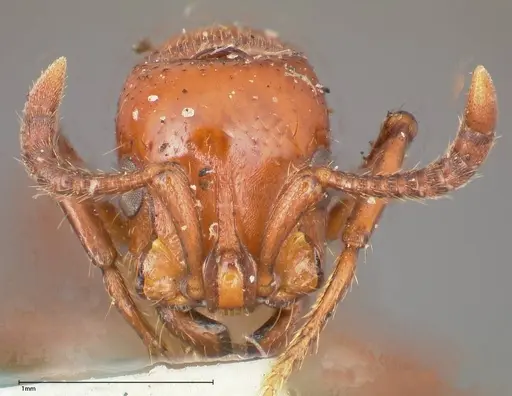
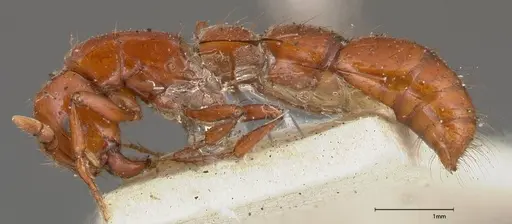
Lioponera punctatissima is a rare predatory ant species native to Western Australia. Workers and queens were originally described from specimens collected near Mundaring, in the Perth region [1]. The species has been reclassified multiple times, first as Lioponera punctatissima, then Lioponera punctatissima, and now Lioponera punctatissima . These are small to medium-sized ants with typical doryline morphology, compact body, short legs, and powerful mandibles adapted for hunting other ants and their brood. The species is now extremely rare in the wild, with most recent specimens collected from remote areas rather than the Perth metropolitan region where urbanization has negatively impacted populations .
Quick Summary
- Difficulty: Expert
- Origin & Habitat: Western Australia, Australia. Originally collected from the Perth region (Mundaring), with more recent records from the Pilbara District in the Eremaean Botanical Province. They inhabit dry to semi-arid woodland areas .
- Colony Type: Colony structure is unconfirmed for this specific species. Related Cerapachys species in the region typically have single-queen colonies with relatively small colony sizes .
- Size & Growth:
- Queen: Estimated 6-8mm based on genus-level morphology [1]
- Worker: Estimated 3-5mm based on genus-level morphology [1]
- Colony: Likely small colonies, related species show around 35 workers . Signal if estimated.
- Growth: Moderate, signal if estimated
- Development: Unknown, no direct data. Based on related tropical dorylines, estimate 6-10 weeks at optimal temperature . (Development timeline is unconfirmed for this species. Related Cerapachys species in northern Thailand showed small colony sizes suggesting moderate development rates.)
- Antkeeping:
- Temperature: Keep at 24-28°C. This species comes from temperate Western Australia with mild winters, but related tropical dorylines prefer warmer conditions. A gentle gradient allows thermoregulation .
- Humidity: Low to moderate. Western Australia's climate is dry to semi-arid. Keep nest substrate moderately dry with a small water chamber for humidity control. Avoid overly damp conditions .
- Diapause: Likely yes, Western Australia experiences cool, dry winters. Expect a winter rest period around 10-15°C for 2-3 months. More research needed, signal if inferred.
- Nesting: Natural nesting is poorly documented. Related species nest in soil or under stones in woodland areas. In captivity, a dry Y-tong or plaster nest with a small water reservoir works well. Avoid humid, mold-prone setups.
- Behavior: These are predatory ants that hunt other ant species and their brood, similar to other dorylines. Workers are likely aggressive toward prey but generally non-aggressive toward humans. They have functional stingers but are too small to cause significant discomfort. Escape risk is moderate, use standard barrier techniques. They likely forage in columns or raiding parties, characteristic of doryline ants .
- Common Issues: very rare in the wild, captive colonies are extremely uncommon and may have been wild-caught, increasing parasite risk, predatory diet makes feeding challenging, requires constant supply of live ant brood or small prey, small colony sizes mean colonies are fragile and slow to recover from losses, specific humidity requirements are unknown, trial and error may be needed, difficulty finding this species for sale means most keepers cannot obtain colonies
Species Overview and Identification
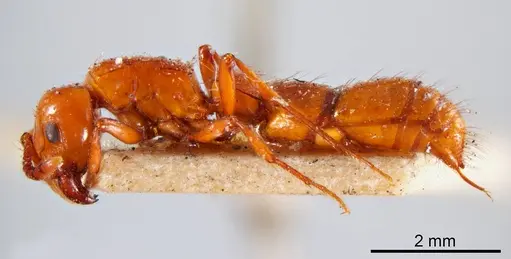
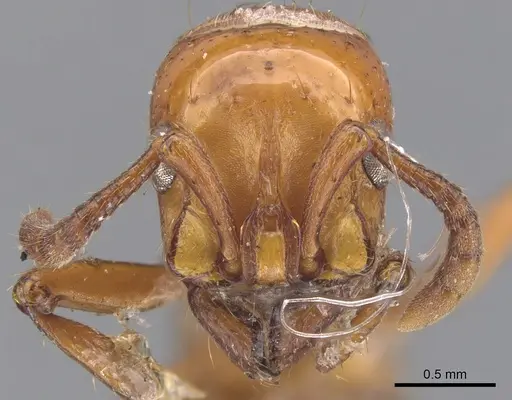
Lioponera punctatissima is a cryptic predatory ant that was originally described from the Perth region of Western Australia in 1924 [1]. The species has undergone several reclassifications, it was first placed in Phyracaces, then moved to Cerapachys, and is now classified as Lioponera following recent taxonomic revisions of the Dorylinae subfamily . These ants are small-bodied predators with the classic doryline morphology: a compact mesosoma (middle body section), short legs, and powerful mandibles designed for capturing and subduing prey. Workers are estimated at 3-5mm, with queens somewhat larger at 6-8mm. The species is considered extremely rare in the wild, with specimens becoming increasingly difficult to find in the Perth area due to urban development .
Natural History and Distribution
This species is endemic to Western Australia, with the type locality near Mundaring in the Perth hills region [1]. More recent records come from the Pilbara District in the Eremaean Botanical Province, indicating a broader distribution than initially known . The species appears to prefer dry to semi-arid woodland habitats, consistent with the climate of much of Western Australia. Like other doryline ants, they are predators that likely raid the nests of other ant species, though specific prey preferences are undocumented. The ants are rarely encountered by collectors, typically appearing as stray workers in hand collections or pitfall traps rather than in large forager groups . This rarity makes them one of the more difficult Australian ants to study and maintain in captivity.
Housing and Nesting
In captivity, Lioponera punctatissima should be housed in a dry to moderately humid setup. A Y-tong (acrylic) nest or plaster nest with a small water chamber works well, the key is avoiding excessive humidity that can lead to mold problems in this dry-adapted species . The outworld (foraging area) should be simple with minimal decorations since these are predatory ants that focus on hunting rather than exploring. Escape prevention is important though not as critical as with tiny species, standard barrier techniques like fluon on container edges are sufficient. Given their rarity and the lack of captive breeding, these ants are essentially expert-only species that few keepers will ever have the opportunity to maintain.
Feeding and Diet
As predatory doryline ants, Lioponera punctatissima requires a diet of live protein prey. In the wild, they likely raid the nests of other ant species, consuming brood and workers . In captivity, the primary food source should be live ant brood (preferably from common feeder ant species like Solenopsis or small Formica), supplemented with other small invertebrates like fruit flies, pinhead crickets, or springtails. Sugar sources are unlikely to be accepted, these are obligate predators without the typical ant sugar-feeding behavior. Feed prey items 2-3 times per week, removing uneaten prey after 24 hours to prevent mold. The predatory nature means they are not suitable for keepers who want a low-maintenance setup.
Temperature and Seasonal Care
Maintain colony temperatures around 24-28°C during the active season. This species comes from temperate Western Australia, which experiences mild winters, expect reduced activity during cooler months . A heating cable on one side of the nest creates a temperature gradient allowing the ants to thermoregulate. During winter (roughly May through August in the Southern Hemisphere), reduce temperatures to around 10-15°C to simulate natural seasonal cooling. This winter rest period is likely important for colony health and may trigger reproductive cycles. Do not cool suddenly, reduce temperatures gradually over 2-3 weeks.
Behavior and Colony Dynamics
Lioponera punctatissima exhibits typical doryline behavior: predatory hunting, likely in coordinated raiding parties rather than solitary foraging . Workers are probably more active at night or during cooler parts of the day to avoid desiccation in their dry native habitat. The colony structure appears to be relatively small, related Cerapachys species in Thailand showed colonies of approximately 35 workers, suggesting this species also maintains modest colony sizes . Queens are alate (winged) based on related species morphology, indicating they disperse for mating flights . Workers likely have functional stingers but due to their small size, the sting is negligible to humans.
Frequently Asked Questions
How long does it take for Lioponera punctatissima to develop from egg to worker?
The exact development timeline is unknown for this species. Based on related Cerapachys species, estimate 6-10 weeks from egg to first worker at optimal temperature (around 26°C). This is an educated guess rather than confirmed data.
What do Lioponera punctatissima ants eat?
These are predatory ants that require live protein prey. Feed them live ant brood from feeder species, supplemented with small insects like fruit flies or pinhead crickets. They are unlikely to accept sugar water or honey. This is not a species for keepers wanting low-maintenance feeding routines.
Are Lioponera punctatissima good for beginners?
No. This is an expert-only species due to several factors: they are extremely rare in the antkeeping hobby, require a constant supply of live prey, need specific humidity conditions that are not well-documented, and colonies are small and fragile. Very few keepers will ever have the opportunity to obtain this species.
What temperature should I keep Lioponera punctatissima at?
Maintain temperatures around 24-28°C during the active season. A heating cable on one side of the nest creates a gradient for thermoregation. During winter, reduce to around 10-15°C for a 2-3 month rest period.
How big do Lioponera punctatissima colonies get?
Based on related Cerapachys species data, colonies likely remain small at around 35-100 workers. This is a species that maintains modest colony sizes rather than producing large supercolonies.
Do Lioponera punctatissima need hibernation?
Likely yes, Western Australia experiences cool, dry winters. Provide a winter rest period at 10-15°C for 2-3 months (roughly May-August in the Southern Hemisphere). This is inferred from their native climate, not directly studied.
Can I keep multiple Lioponera punctatissima queens together?
Colony structure is unconfirmed for this species. Based on related Cerapachys patterns, they likely form single-queen colonies. Combining unrelated queens is not recommended given how rare and valuable these colonies are.
Why are Lioponera punctatissima so rare in the antkeeping hobby?
This species has always been rare in the wild, most records are from single specimens rather than colonies. Urban expansion in the Perth region has further reduced their numbers. Combined with their specific dietary needs and small colony sizes, they have never been established in captive breeding programs.
References

This caresheet is licensed under CC BY-SA 4.0 .
ANTWEB1008248
View on AntWeb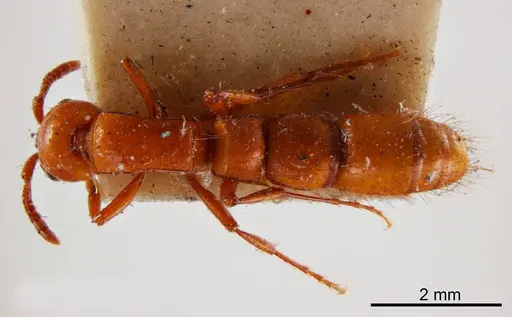
CASENT0902757
View on AntWeb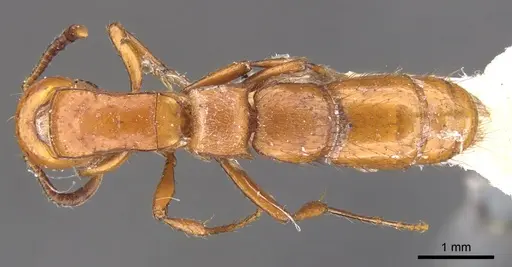
FOCOL0337-1
View on AntWeb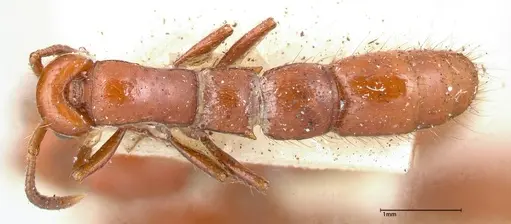
FOCOL0337-2
View on AntWeb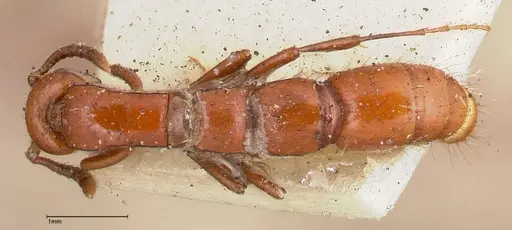
FOCOL0337-3
View on AntWeb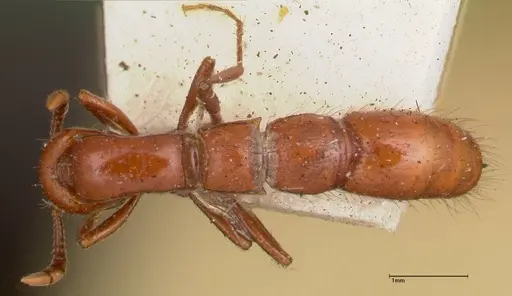
Literature
Loading...Loading products...