

Lioponera picipes
- Scientific Name
- Lioponera picipes
- Subfamily
- Dorylinae
- Author
- Clark, 1924
- Distribution
- Found in 1 countries
Lioponera picipes Overview
Lioponera picipes is an ant species of the genus Lioponera. It is primarily documented in 1 countries , including Australia. Detailed taxonomic data and occurrence records can be further explored via authoritative databases such as AntWeb or the Global Biodiversity Information Facility (GBIF).
Lioponera picipes
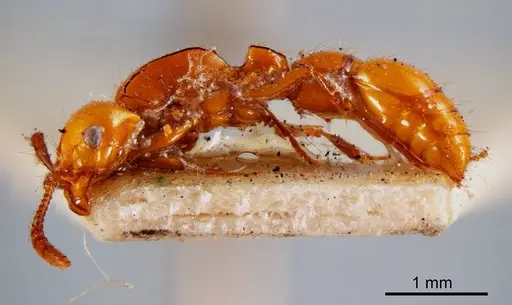
Lioponera picipes is a small predatory ant species native to Western Australia, belonging to the Dorylinae subfamily (army ants). Workers are modest in size with the distinctive morphological feature of lateral node margins that converge strongly toward the top [1]. This species originates from the eastern wheatbelt region of Western Australia around Tammin, an area with a Mediterranean climate featuring warm, dry summers and cool, wet winters [1]. As a Dorylinae species, these ants are predatory hunters that rely on capturing live prey rather than foraging for sweet substances. The genus Lioponera contains species that are less commonly studied than other army ants, making this an unusual choice for antkeeping.
Quick Summary
- Difficulty: Expert
- Origin & Habitat: Western Australia, specifically the eastern wheatbelt region around Tammin. This area experiences a Mediterranean climate with hot, dry summers and mild, wet winters.
- Colony Type: Colony structure is unconfirmed. Dorylinae species typically have single-queen colonies, though this has not been specifically documented for L. picipes.
- Size & Growth:
- Queen: Estimated 5-7mm based on genus patterns, not directly measured for this species
- Worker: Estimated 3-5mm based on genus patterns, not directly measured for this species
- Colony: Unknown, likely moderate colony size typical of Dorylinae
- Growth: Unknown, likely moderate growth rate
- Development: Estimated 6-10 weeks based on typical Dorylinae development patterns (Development timeline has not been directly studied for this species. Estimates based on related Dorylinae species.)
- Antkeeping:
- Temperature: Keep at 22-26°C, mimicking warm Australian conditions. A temperature gradient allows ants to regulate their body heat.
- Humidity: Moderate humidity around 50-60%. Western Australian wheatbelt environments are relatively dry, so avoid overly damp conditions.
- Diapause: Likely requires a mild winter rest period (2-3 months at 10-15°C) given the Mediterranean climate of their native range.
- Nesting: Dorylinae ants typically nest in soil or under stones. In captivity, a naturalistic setup with moist substrate and moderate nesting space works well. Avoid overly humid conditions that can cause mold.
- Behavior: These ants are predatory and will hunt small invertebrates. They forage in groups rather than individually, characteristic of army ant behavior. Workers are likely moderately aggressive when defending the colony. Escape prevention is important given their small size, use fine mesh barriers. They are not known to be particularly defensive compared to some other Dorylinae species.
- Common Issues: very limited species-specific care information makes proper husbandry challenging, predatory diet requires constant access to live small prey, difficult for beginners, colony founding is difficult as queen must hunt during semi-claustral founding, winter dormancy requirements are not well understood, may be difficult to source as they are not commonly available in the antkeeping hobby
Housing and Nest Setup
Lioponera picipes can be housed in a naturalistic setup with a moist soil substrate deep enough for the colony to create tunnels. A test tube setup works for founding colonies, but established colonies benefit from a formicarium with multiple chambers. The nesting area should be dark and humid but not wet. Provide an outworld area for foraging where you can place prey items. Because they are small, ensure all connections between nest and outworld have tight seals and fine mesh barriers to prevent escapes.
Feeding and Diet
As a Dorylinae species, L. picipes is predatory and requires a diet of small live invertebrates. Offer small live prey such as fruit flies, pinhead crickets, small mealworms, and other appropriately-sized arthropods. The frequency should be based on colony size, a small founding colony may only need prey once or twice weekly, while larger colonies benefit from more frequent feeding. Remove uneaten prey after 24 hours to prevent mold. Sugar water is unlikely to be accepted given the predatory nature of Dorylinae ants, focus on protein sources.
Temperature and Seasonal Care
Maintain temperatures between 22-26°C during the active season. This species comes from Western Australia's wheatbelt, which experiences hot summers and mild winters. During the Australian winter (roughly June-August), expect reduced activity and consider providing a cool period around 10-15°C for 2-3 months to simulate natural seasonal cycles. This winter rest period likely supports colony health and reproduction, though specific diapause requirements are not documented for this species.
Behavior and Colony Dynamics
Dorylinae ants exhibit group foraging behavior, where workers search for prey collectively rather than individually. This makes them active and visible foragers when well-established. The colony will likely have a single queen (typical for the subfamily), and workers cooperate to subdue prey items too large for individual ants to handle. They are not considered highly aggressive toward keepers but will defend the nest vigorously if threatened. The small worker size means they can squeeze through very small gaps, excellent escape prevention is essential.
Frequently Asked Questions
How long does it take for Lioponera picipes to produce first workers?
The exact timeline is unknown, but based on typical Dorylinae development, expect 6-10 weeks from egg to worker at optimal temperatures. Founding colonies can be slow to establish, so patience is required.
What do Lioponera picipes ants eat?
They are predatory ants that require live small invertebrates. Offer fruit flies, small crickets, mealworms, and other tiny arthropods. They are unlikely to accept sugar water or honey.
Can I keep multiple Lioponera picipes queens together?
This has not been documented for this species. Dorylinae are typically single-queen colonies. Combining unrelated queens is not recommended without evidence they can coexist.
Do Lioponera picipes need hibernation?
Based on their Western Australian origin, a mild winter rest period of 2-3 months at 10-15°C is likely beneficial, though not strictly documented for this species.
Are Lioponera picipes good for beginners?
No. This species is rated Expert difficulty due to very limited care information, predatory diet requirements, and the specialized husbandry needs of Dorylinae ants. They are not recommended for beginners.
How big do Lioponera picipes colonies get?
Colony size is not documented for this species. Based on typical Dorylinae, expect several hundred workers at maturity.
What temperature should I keep Lioponera picipes at?
Keep them warm at 22-26°C. A temperature gradient allows the ants to choose their preferred warmth level.
Why is my Lioponera picipes colony declining?
Common causes include insufficient live prey, improper humidity (too dry or too wet), temperature extremes, and stress from excessive disturbance. Ensure they have constant access to appropriate live prey and stable conditions.
When should I move Lioponera picipes to a formicarium?
Move from a test tube setup to a formicarium once the colony reaches 20-30 workers and the test tube shows signs of degradation. Ensure the formicarium has appropriately sized chambers and passages for their small size.
References

This caresheet is licensed under CC BY-SA 4.0 .
ANTWEB1008243
View on AntWeb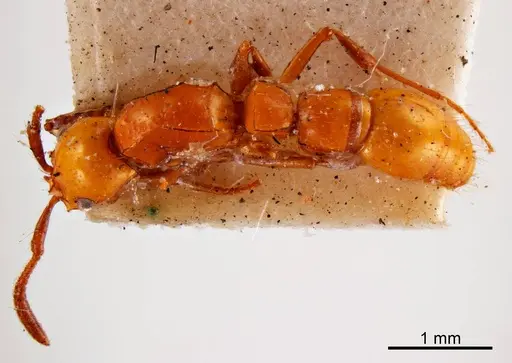
Literature
Loading...Loading products...