

Lioponera nigriventris
- Scientific Name
- Lioponera nigriventris
- Subfamily
- Dorylinae
- Author
- Clark, 1924
- Distribution
- Found in 1 countries
Lioponera nigriventris Overview
Lioponera nigriventris is an ant species of the genus Lioponera. It is primarily documented in 1 countries , including Australia. Detailed taxonomic data and occurrence records can be further explored via authoritative databases such as AntWeb or the Global Biodiversity Information Facility (GBIF).
Lioponera nigriventris
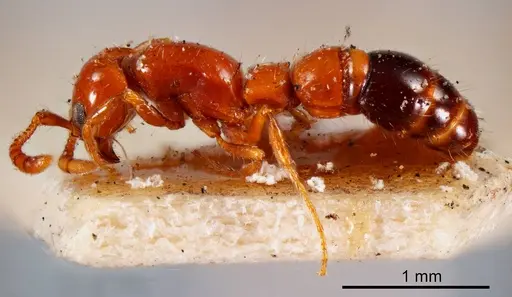
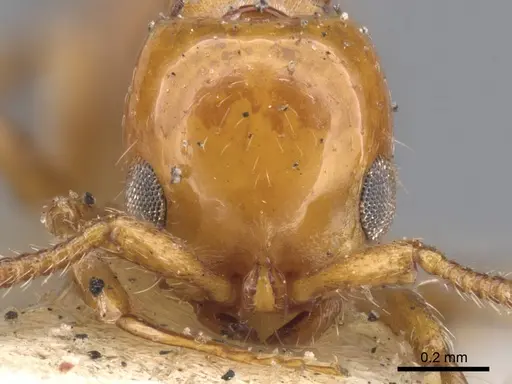
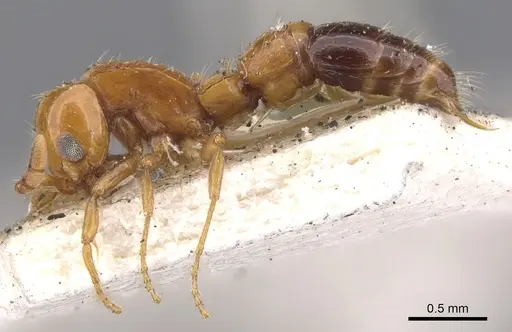
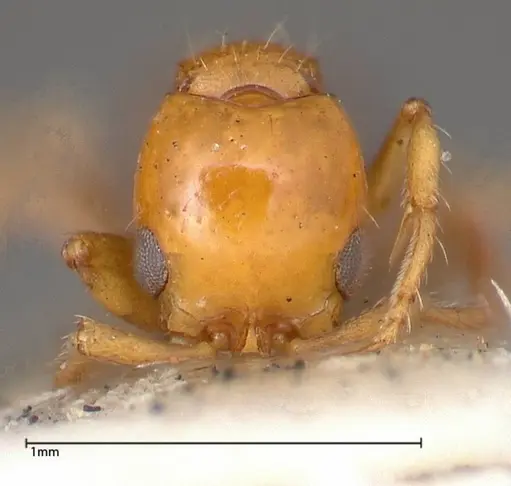
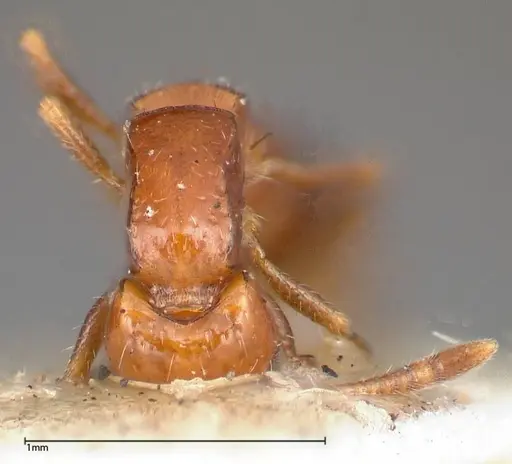
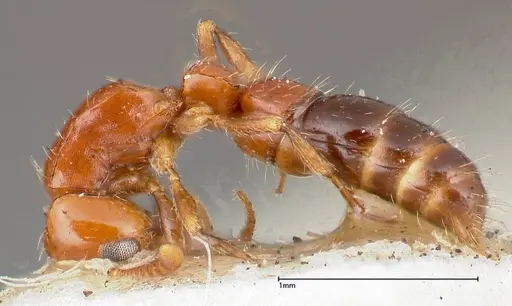
Lioponera nigriventris is a small, inconspicuous ant species native to Western Australia. Originally described as Lioponera nigriventris by Clark in 1924,it was later moved to Cerapachys and then to Lioponera during taxonomic revisions [1]. Workers are small and relatively plain in appearance, typical of the Dorylinae subfamily. This species is found in the south-west and goldfields regions of Western Australia [1]. The species is notable for having ergatoid queens, wingless queens that can serve as replacement reproductives if the primary queen dies, which is relatively common in the Dorylinae group.
Quick Summary
- Difficulty: Unknown, Limited data available
- Origin & Habitat: Western Australia, specifically the south-west and goldfields regions. They inhabit arid to semi-arid environments typical of this region.
- Colony Type: Ergatoid queen system, the type material includes an ergatoid (wingless) queen. This suggests single-queen colonies with replacement reproductives possible.
- Colony: Monogyne
- Size & Growth:
- Queen: Estimated 4-5mm based on genus patterns (ergatoid queens are typically smaller than winged queens)
- Worker: Small, approximately 3-4mm based on genus descriptions
- Colony: Unknown for this specific species, but Dorylinae colonies typically reach several hundred workers
- Growth: Unknown, likely moderate based on related species patterns
- Development: Estimated 6-10 weeks based on typical Dorylinae development patterns (Direct development data unavailable for this species, estimates based on genus-level patterns)
- Antkeeping:
- Temperature: Keep at room temperature (20-25°C). Western Australian species likely tolerate a range from 18-28°C. Provide a gentle gradient if possible.
- Humidity: Low to moderate, arid to semi-arid origin suggests they prefer drier conditions. Keep nest substrate slightly moist but allow drying periods between waterings.
- Diapause: Likely, Western Australian ants typically require a winter rest period. Provide 2-3 months at 10-15°C during winter.
- Nesting: Natural nesting is under stones or in shallow underground chambers. In captivity, a test tube setup or small acrylic nest works well. Ensure escape prevention is adequate for their small size.
- Behavior: Little is documented about their specific behavior, but Dorylinae ants are typically predatory and colonial. They likely hunt small invertebrates and other ants. Workers are small but may show moderate aggression when defending the colony. Escape prevention is important due to their small size.
- Common Issues: limited biological data makes specific care recommendations uncertain, small size requires fine mesh barriers to prevent escapes, predatory diet means they need constant access to live prey, winter rest period is likely required but timing is unconfirmed, wild-caught colonies may have parasites
Species Background and Taxonomy
Lioponera nigriventris was originally described by J. Clark in 1924 as Lioponera nigriventris from specimens collected in Western Australia. The species has undergone several taxonomic changes, moving through Cerapachys before being placed in Lioponera during a 2016 generic revision of the Dorylinae subfamily. The type material includes workers and a single ergatoid queen, a wingless reproductive female that can serve as a replacement queen if needed. This ergatoid queen system is characteristic of many Dorylinae ants and represents an interesting adaptation for colony survival. [1]
Natural Habitat and Distribution
This species is found exclusively in Western Australia, specifically in the south-west and goldfields regions. The south-west of Western Australia features a Mediterranean climate with hot, dry summers and cool, wet winters. The goldfields region is more arid. This suggests the species is adapted to relatively dry conditions with seasonal rainfall. They are described as inconspicuous, meaning they are not particularly noticeable in their natural environment and likely nest in concealed locations under stones or in shallow soil chambers. [1]
Housing and Nesting
In captivity, Lioponera nigriventris can be kept in standard test tube setups for founding colonies. For established colonies, a small acrylic nest or naturalistic setup with flat stones works well. The nest should have narrow chambers appropriate for their small size. Ensure the setup allows for proper humidity control, slightly moist substrate that can dry out between waterings. Due to their small size, use fine mesh or other appropriate barriers to prevent escapes. A small outworld area allows for foraging.
Feeding and Diet
As a Dorylinae ant, Lioponera nigriventris is likely predatory, feeding on small invertebrates and other ants. In captivity, offer small live prey such as fruit flies, pinhead crickets, small mealworms, and other appropriately-sized insects. They likely accept protein-rich foods and may also consume some sugar sources, though this is unconfirmed for the species. Feed every 2-3 days, removing uneaten prey after 24 hours.
Temperature and Seasonal Care
Keep colonies at room temperature, ideally 20-25°C. Western Australian species are adapted to seasonal variation, so provide a winter rest period of 2-3 months at 10-15°C during the cooler months. This simulates their natural seasonal cycle and supports colony health. During active season, a temperature gradient allows ants to self-regulate. Avoid temperatures above 30°C for extended periods.
Colony Structure and Reproduction
The presence of an ergatoid queen in the type material indicates this species has a single-queen colony structure with ergatoid replacement reproductives. Ergatoid queens are wingless and often remain in the nest, serving as backup reproductives if the primary queen dies or becomes unable to lay eggs. This is different from polygynous colonies where multiple queens actively reproduce together. Colony growth is likely moderate, with colonies potentially reaching several hundred workers over time. [1]
Frequently Asked Questions
How long does it take for Lioponera nigriventris to produce first workers?
The exact timeline is unknown, but based on typical Dorylinae development patterns, expect 6-10 weeks from egg to first worker at optimal temperature.
What do Lioponera nigriventris ants eat?
They are likely predatory like other Dorylinae ants. Feed small live prey such as fruit flies, pinhead crickets, and small insects. Sugar sources may be accepted but are not confirmed.
What temperature should I keep Lioponera nigriventris at?
Room temperature of 20-25°C is suitable. They can tolerate 18-28°C but avoid extremes. A winter rest period at 10-15°C for 2-3 months is recommended.
Are Lioponera nigriventris good for beginners?
Due to limited biological data, this species is not ideal for beginners. Only experienced antkeepers should attempt this species.
How big do Lioponera nigriventris colonies get?
Colony size is unconfirmed for this species, but Dorylinae colonies typically reach several hundred workers.
Do Lioponera nigriventris need hibernation?
Yes, a winter rest period of 2-3 months at 10-15°C is likely required, consistent with Western Australian seasonal patterns.
Can I keep multiple Lioponera nigriventris queens together?
This species appears to be monogyne (single queen). Combining unrelated queens is not recommended as it has not been studied.
Where is Lioponera nigriventris found in the wild?
They are found only in Western Australia, specifically in the south-west and goldfields regions.
References

This caresheet is licensed under CC BY-SA 4.0 .
ANTWEB1008242
View on AntWeb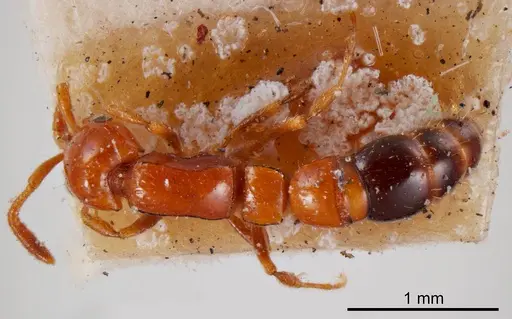
CASENT0902749
View on AntWeb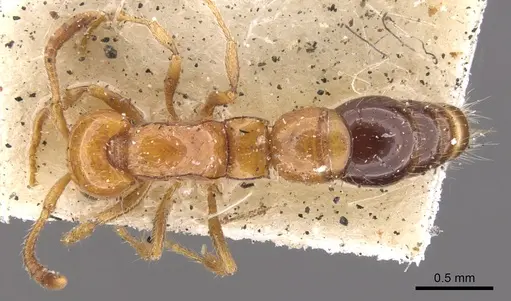
FOCOL0338-1
View on AntWeb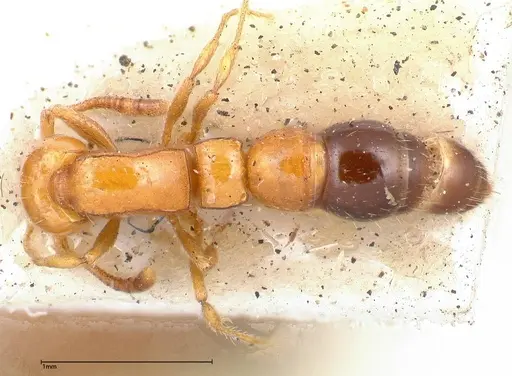
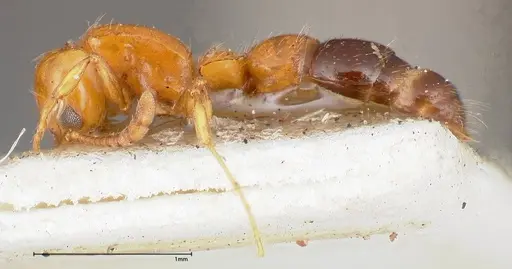
FOCOL0338-2
View on AntWeb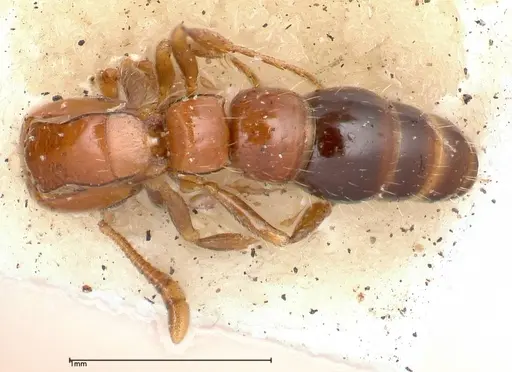
Literature
Loading...Loading products...