

Lioponera larvata
- Scientific Name
- Lioponera larvata
- Subfamily
- Dorylinae
- Author
- Wheeler, 1918
- Distribution
- Found in 1 countries
Lioponera larvata Overview
Lioponera larvata is an ant species of the genus Lioponera. It is primarily documented in 1 countries , including Australia. Detailed taxonomic data and occurrence records can be further explored via authoritative databases such as AntWeb or the Global Biodiversity Information Facility (GBIF).
Lioponera larvata
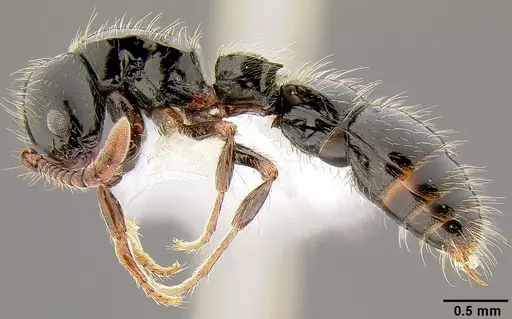
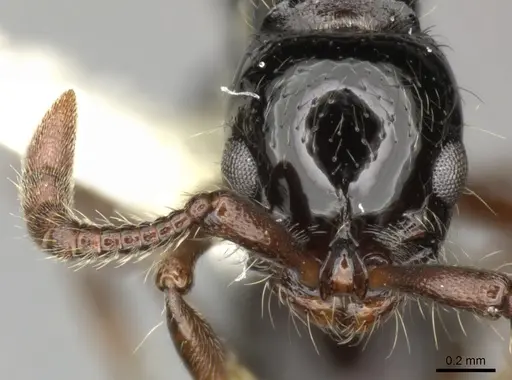
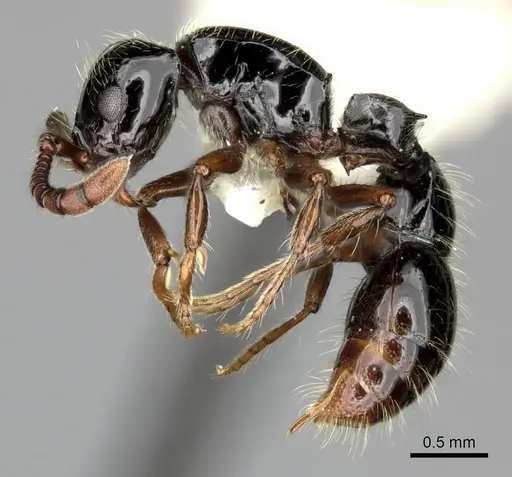
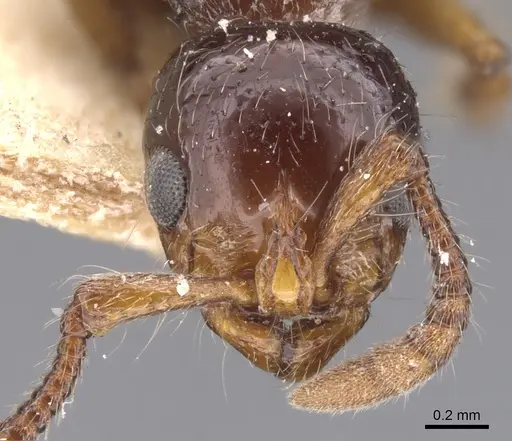
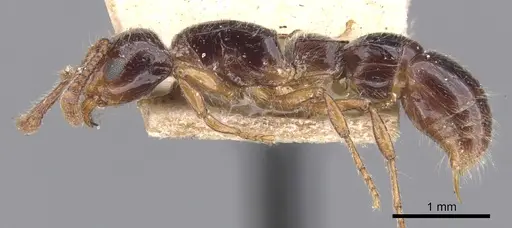
Lioponera larvata is a predatory ant species native to Australia, formerly classified as Lioponera larvata. These ants belong to the subfamily Cerapachyinae and are closely related to army ants, part of a group known for their specialized predatory behaviors. Workers are small to medium-sized predators with distinctive morphological features including marked lateral margination on the petiole, a trait shared with their army ant relatives. The species is primarily subterranean, hunting other invertebrates in soil and leaf litter environments. This is a cryptic, rarely observed species in the wild due to its underground lifestyle, making it a challenging but fascinating species for experienced antkeepers.
Quick Summary
- Difficulty: Expert
- Origin & Habitat: Australia, found in temperate and subtropical regions across the continent. Inhabits soil and leaf litter in forested areas, typically nesting underground or under stones where humidity remains stable.
- Colony Type: Likely monogyne (single queen) based on typical Cerapachyinae patterns, though colony structure is unconfirmed for this specific species.
- Size & Growth:
- Queen: Unconfirmed, estimated 6-8mm based on related Cerapachyinae species
- Worker: Unconfirmed, estimated 3-5mm based on genus patterns
- Colony: Likely small to moderate (100-500 workers) based on typical Cerapachyinae colony sizes
- Growth: Slow to Moderate, inferred from related predatory species
- Development: Estimated 8-12 weeks at optimal temperature based on typical doryline ant development patterns (Development timeline is estimated from related species, specific data for L. larvata is unavailable)
- Antkeeping:
- Temperature: Keep at 22-26°C with a gentle gradient. Australian species tolerate room temperature well but benefit from slight warming. Avoid temperatures below 18°C or above 30°C.
- Humidity: Maintain moderate to high humidity (60-80%). These ants prefer damp substrate conditions similar to their natural forest floor habitat. Keep the nest substrate consistently moist but not waterlogged.
- Diapause: Likely required, Australian temperate populations probably need a winter rest period of 8-12 weeks at 10-15°C. Reduce feeding and activity during this period.
- Nesting: Prefers humid, enclosed spaces. Y-tong (AAC) nests or plaster nests with good moisture retention work well. Provide a moisture gradient so ants can self-regulate. Test tube setups are suitable for founding colonies.
- Behavior: Lioponera larvata is a specialized predator that hunts other small invertebrates. They are secretive and spend most of their time underground, making them less active in the outworld than many ants. Workers are not particularly aggressive toward humans but will defend their nest vigorously. They are not known to be escape artists in the traditional sense, but their small size means standard barrier methods should still be used. Their predatory nature means they require live prey as a primary food source.
- Common Issues: specialized diet makes them difficult to feed, they need regular live prey, not just protein mixes, slow colony growth can lead to keeper impatience and overfeeding, which causes mold problems, wild-caught colonies may carry parasites that are difficult to detect and treat, subterranean lifestyle means they may not forage visibly, leading to false impressions of starvation, humidity management is critical, too dry and they fail to thrive, too wet and mold becomes a problem
Taxonomy and Classification
Lioponera larvata was formerly classified as Lioponera larvata, and you may still encounter this older name in some literature. The species belongs to the subfamily Cerapachyinae, a group of ants closely related to army ants (Dorylinae). Molecular phylogenetic studies place this species within the dorylomorph clade, specifically in a Lioponera clade characterized by marked lateral margination on the petiole [1][2]. The genus Lioponera was revived through systematic research to accommodate this clade [1]. This taxonomic background is important because it tells us about the ant's evolutionary relationships and suggests behaviors typical of army ant relatives, primarily predatory, subterranean lifestyles with specialized hunting strategies.
Natural History and Foraging
In the wild, Lioponera larvata is a specialized predator that hunts other small invertebrates in soil and leaf litter. As a member of the Cerapachyinae, these ants are part of the army ant lineage, though they are not true army ants (which belong to Dorylinae). They likely employ raiding or solitary hunting strategies to capture prey, though specific hunting behaviors have not been documented for this species. Their subterranean lifestyle means they are rarely observed foraging in the open. The species is known from Australian specimens, with documented sampling from multiple locations across the continent [3]. This suggests the species is widespread but cryptic, typical of many underground-dwelling ants.
Housing and Nest Setup
For Lioponera larvata, you should prioritize humidity control and enclosed nesting spaces. Y-tong (AAC) nests or well-moistened plaster nests work best because they maintain stable humidity levels. The nest should have chambers scaled appropriately for their size, not too large, as these ants prefer tight, enclosed spaces. Provide a moisture gradient within the nest so ants can self-regulate their humidity preferences. A test tube setup with a cotton-wrapped water reservoir works well for founding colonies. For outworld space, keep it modest, these ants are not active foragers in the open and prefer to remain near their nest. Include some substrate depth in the outworld to allow for natural foraging behaviors if they emerge.
Feeding and Nutrition
As predatory ants, Lioponera larvata requires live prey as their primary food source. Offer small invertebrates such as fruit flies, small crickets, mealworms, and other appropriately-sized arthropods. The prey should be small enough for workers to subdue and dismember, these are not large ants, so prey should be scaled accordingly. Feed every 2-3 days, removing any uneaten prey after 24 hours to prevent mold. While some Cerapachyinae species may accept protein gels or prepared foods, live prey should form the majority of their diet. Sugar sources are likely not required or may be poorly accepted, these are obligate predators unlike sugar-feeding ants. Observe your colony's acceptance of different prey types and adjust accordingly.
Temperature and Seasonal Care
Maintain temperatures between 22-26°C for optimal colony health and development. Australian species like L. larvata can tolerate room temperature (around 20-22°C) but will be more active and develop faster with slight warming. Provide a temperature gradient so ants can choose their preferred zone. During winter, a diapause period is likely needed, especially if your colony originates from temperate Australian populations. Reduce temperature to 10-15°C for 8-12 weeks in winter, reducing feeding frequency during this rest period. Do not feed heavily during diapause as the ants will be less active and food can mold. Resume normal feeding and warming when the diapause period ends.
Colony Development and Growth
Colony growth for Lioponera larvata is expected to be slow compared to many common ant species. Based on typical Cerapachyinae and doryline ant development patterns, expect 8-12 weeks from egg to first worker (nanitic). The first workers will likely be smaller than mature workers and the colony should be fed minimally during this founding phase. Once workers emerge, growth accelerates but remains moderate. Colonies likely reach 100-500 workers at maturity. The slow growth rate means patience is essential, do not overfeed in an attempt to speed up development, as excess food causes mold problems that can be fatal to small colonies. Monitor colony health through worker activity levels rather than rapid population growth.
Frequently Asked Questions
How long does it take for Lioponera larvata to produce first workers?
Based on related doryline ant species, expect 8-12 weeks from egg to first worker at optimal temperature (22-26°C). This is an estimate as specific development data for this species is not available.
What do Lioponera larvata ants eat?
They are obligate predators requiring live prey. Offer small invertebrates like fruit flies, small crickets, mealworms, and other tiny arthropods. Sugar sources are likely not accepted or needed.
Can I keep Lioponera larvata in a test tube?
Yes, test tubes work well for founding colonies. Use a standard test tube setup with a cotton-wrapped water reservoir. Ensure humidity is maintained and consider a humid outworld.
How big do Lioponera larvata colonies get?
Based on related species, colonies likely reach 100-500 workers at maturity. This is smaller than many common ant species and reflects their cryptic, subterranean lifestyle.
Do Lioponera larvata need hibernation?
Likely yes, Australian temperate populations probably require a winter rest period. Reduce temperature to 10-15°C for 8-12 weeks during winter months and reduce feeding accordingly.
Is Lioponera larvata good for beginners?
No, this is an expert-level species due to its specialized predatory diet, humidity requirements, and slow growth. Beginners should start with more hardy species like Lasius or Tetramorium.
Why is my Lioponera larvata colony not growing?
Slow growth is normal for this species. However, check that you are providing appropriate live prey, maintaining humidity (60-80%), and keeping temperatures stable (22-26°C). Also ensure you are not overfeeding, which causes mold.
Can I keep multiple Lioponera larvata queens together?
Colony structure is unconfirmed for this species. Combining unrelated queens is not recommended as it has not been studied and could result in aggression.
When should I move my colony to a formicarium?
Move to a proper nest (Y-tong, plaster, or naturalistic setup) once the colony reaches 20-30 workers and outgrows the test tube. Ensure the new nest maintains adequate humidity.
References

This caresheet is licensed under CC BY-SA 4.0 .
ANTWEB1008239
View on AntWeb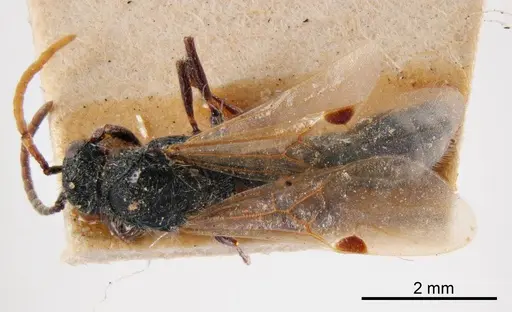
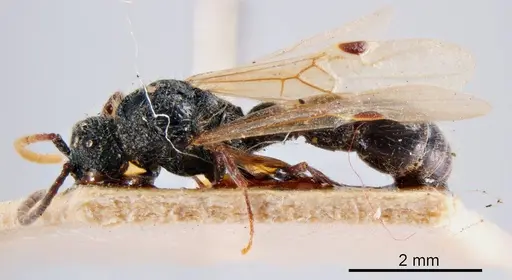
CASENT0106073
View on AntWeb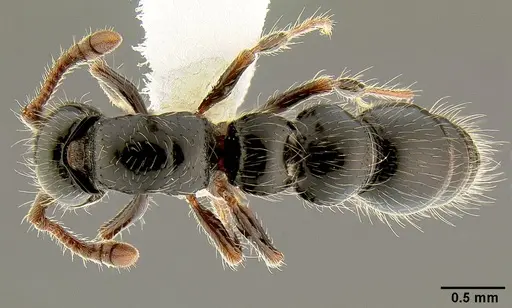
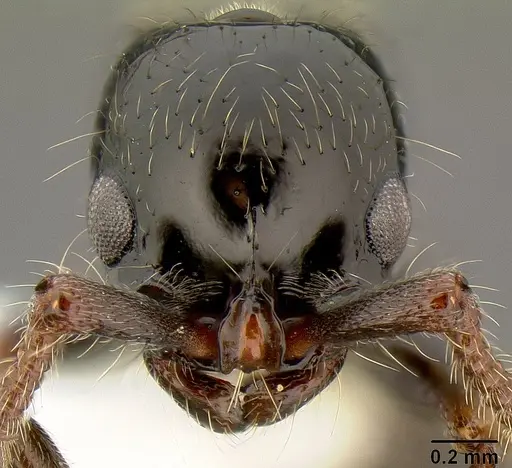
CASENT0249296
View on AntWeb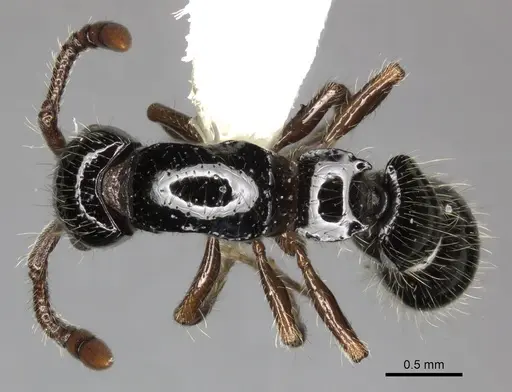
CASENT0902755
View on AntWeb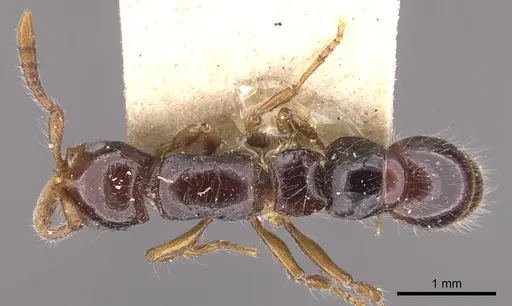
Literature
Loading...Loading products...