

Lioponera greavesi
- Scientific Name
- Lioponera greavesi
- Subfamily
- Dorylinae
- Author
- Clark, 1934
- Distribution
- Found in 1 countries
Lioponera greavesi Overview
Lioponera greavesi is an ant species of the genus Lioponera. It is primarily documented in 1 countries , including Australia. Detailed taxonomic data and occurrence records can be further explored via authoritative databases such as AntWeb or the Global Biodiversity Information Facility (GBIF).
Lioponera greavesi
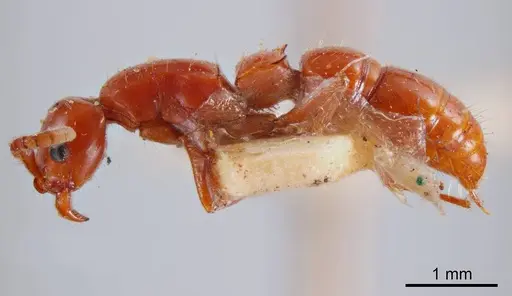
Lioponera greavesi is a medium-sized to large reddish ant species native to Western Australia. These ants are conspicuous in their native habitat, running rapidly over the ground surface while antennating the soil in search of prey [1]. Originally described as Lioponera greavesi in 1934,the species has undergone taxonomic revisions and is now classified under Lioponera [2]. In the wild, they inhabit areas across Western Australia from the Pilbara region in the north through to the southwest, including rehabilitated mine sites where they have been observed in significant numbers [1][2].
Quick Summary
- Difficulty: Medium
- Origin & Habitat: Western Australia, found throughout the state from the Pilbara region southward. These ants are ground-dwelling predators commonly found running over soil surfaces in search of prey [1][2].
- Colony Type: Colony structure is unconfirmed for this species. Dorylinae ants are typically single-queen colonies, but specific data on L. greavesi is lacking.
- Size & Growth:
- Queen: Unknown, no specific measurements available
- Worker: Medium to large [1]
- Colony: Unknown, no colony size data available
- Growth: Unknown
- Development: Unknown, no development data available for this species (Development timeline has not been studied. Related Dorylinae species typically develop faster than many other ant subfamilies due to their predatory lifestyle.)
- Antkeeping:
- Temperature: Inferred: Based on Western Australian distribution, aim for warm conditions around 24-28°C with a slight gradient. Room temperature (22-25°C) is likely suitable. Adjust based on colony activity.
- Humidity: Inferred: Keep nest substrate moderately moist but not waterlogged. Western Australian ants typically tolerate drier conditions than tropical species. Provide a moisture gradient so ants can choose their preferred zone.
- Diapause: Unknown, no specific data on overwintering requirements. Western Australia has mild winters, so a reduced activity period may occur but has not been documented.
- Nesting: Inferred: These ants are ground-dwelling and likely prefer nesting in soil or under stones. A naturalistic setup with compact earth or a Y-tong/plaster nest with narrow chambers works well. Avoid tall open spaces.
- Behavior: Lioponera greavesi is an active predatory ant that forages on the ground surface. They are fast-moving and will actively search for prey rather than waiting at food sources. Workers are medium to large in size, making them relatively easy to observe. Escape risk is moderate, standard barrier methods should suffice, but ensure enclosures are secure as these ants are active and determined. They are not known to be particularly aggressive toward keepers but will defend the colony if threatened.
- Common Issues: no specific colony size data makes growth expectations uncertain, keepers should monitor and adjust care accordingly, predatory feeding requirements mean colonies need consistent access to live prey, which can be more demanding than feeding typical ants, lack of documented captive breeding means establishing a sustainable colony may be challenging, temperature and humidity preferences are inferred rather than confirmed, requiring observation-based adjustments, limited availability in the antkeeping hobby means finding established colonies may be difficult
Natural History and Distribution
Lioponera greavesi is endemic to Western Australia, where it has been recorded across a wide geographic range. The species occurs at least as far north as the Pilbara region and is likely distributed throughout the state [2]. Notably, these ants have been found on rehabilitated mine sites in the Eneabba region, where they were observed in good numbers in 1997 [1]. This suggests the species can adapt to disturbed habitats and may even thrive in post-mining rehabilitation areas. In their natural habitat, these ants are active ground-foragers, running rapidly over the soil surface while using their antennae to detect prey. Their reddish coloration makes them relatively conspicuous compared to many other ant species that blend into their surroundings.
Housing and Nest Setup
For keeping Lioponera greavesi, a naturalistic setup with a compact earth section works well, as these are ground-dwelling ants that naturally nest in soil. A Y-tong (acrylic) nest with narrow to medium chambers can also work, but ensure the passages are not too wide for their size. The nest should have a moisture gradient, keep one section damp while leaving another drier so the ants can regulate their own humidity. Given their predatory nature and active foraging behavior, provide adequate floor space in the outworld for hunting. Use a secure enclosure as these ants are active and may attempt to explore gaps.
Feeding and Diet
As a Dorylinae ant, Lioponera greavesi is predatory and will actively hunt prey. In captivity, offer small live insects such as fruit flies, small crickets, mealworms, and other appropriately-sized invertebrates. They are active hunters that will chase down moving prey, so offering live food is important. Remove any uneaten prey after 24-48 hours to prevent mold. Sugar sources may be accepted occasionally, but protein from live prey should form the primary diet. Feed every 2-3 days, adjusting based on colony size and consumption rates.
Temperature and Seasonal Care
Based on their Western Australian distribution, Lioponera greavesi likely prefers warmer conditions. Aim for temperatures in the range of 24-28°C, though room temperature (22-25°C) is likely acceptable. Use a heating cable on one side of the nest if your room runs cool, placing it on top of the nest to create a gentle warmth gradient. Monitor colony activity, if workers cluster consistently near the heated area, increase temperature slightly, if they avoid it, reduce heat. Winter care is not well documented, but given Western Australia's mild climate, a slight reduction in temperature during winter months may be appropriate rather than a true hibernation.
Behavior and Colony Dynamics
Lioponera greavesi workers are medium to large in size with a distinctive reddish coloration. They are active foragers that move quickly over ground surfaces while actively antennating (touching with their antennae) the soil to locate prey. This species is not known for being particularly aggressive toward humans, but will defend the colony if threatened. Unlike some Dorylinae that form massive colonies, this species likely maintains more moderate colony sizes. Workers are capable of independent foraging and do not rely on raiding behavior seen in some army ants. The colony will likely develop gradually with workers emerging to assist in foraging and brood care. [1]
Frequently Asked Questions
How long does it take for Lioponera greavesi to produce first workers?
The egg-to-worker development timeline has not been documented for this species. Based on typical Dorylinae patterns, expect several weeks to a few months at optimal temperature. You will need to be patient as specific development data is not available.
What do Lioponera greavesi ants eat?
They are predatory ants that hunt live prey. Feed small live insects like fruit flies, small crickets, and mealworms. Remove uneaten prey after 24-48 hours. Occasional sugar water may be accepted but protein should form the primary diet.
Are Lioponera greavesi good for beginners?
This species is rated as medium difficulty. While not the most challenging ant to keep, the lack of specific captive care data means you may need to experiment with conditions. Their predatory diet requires more effort than feeding typical ants sugar water.
What temperature do Lioponera greavesi need?
Aim for 24-28°C based on their Western Australian distribution. Room temperature (22-25°C) is likely suitable. Use a heating cable on one side of the nest if needed to maintain warmth.
How big do Lioponera greavesi colonies get?
Colony size data is not available for this species. Based on related Dorylinae, colonies likely reach several hundred workers, but this is an estimate. They are not known for the massive supercolonies seen in some ant species.
Can I keep multiple Lioponera greavesi queens together?
Colony structure (monogyne vs polygyne) has not been documented for this species. Dorylinae are typically single-queen colonies. It is not recommended to combine unrelated queens without documented evidence that they can coexist.
Do Lioponera greavesi need hibernation?
Diapause requirements are not documented for this species. Western Australia has mild winters, so a true hibernation may not be necessary. A slight reduction in temperature during winter months may be appropriate.
Where is Lioponera greavesi found in the wild?
This species is endemic to Western Australia, occurring from the Pilbara region in the north throughout the state. They have been found on rehabilitated mine sites in the Eneabba region.
References

This caresheet is licensed under CC BY-SA 4.0 .
ANTWEB1008236
View on AntWeb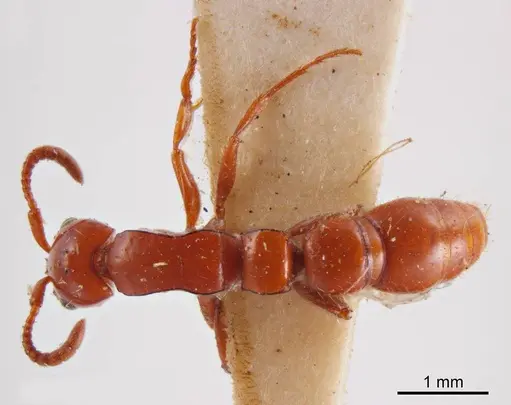
Literature
Loading...Loading products...