

Lioponera gilesi
- Scientific Name
- Lioponera gilesi
- Subfamily
- Dorylinae
- Author
- Clark, 1924
- Distribution
- Found in 1 countries
Lioponera gilesi Overview
Lioponera gilesi is an ant species of the genus Lioponera. It is primarily documented in 1 countries , including Australia. Detailed taxonomic data and occurrence records can be further explored via authoritative databases such as AntWeb or the Global Biodiversity Information Facility (GBIF).
Lioponera gilesi
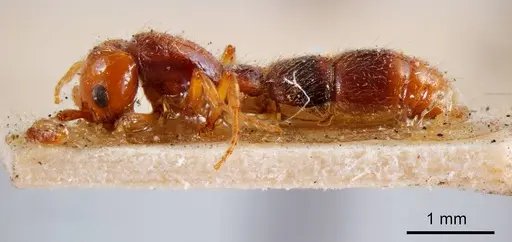
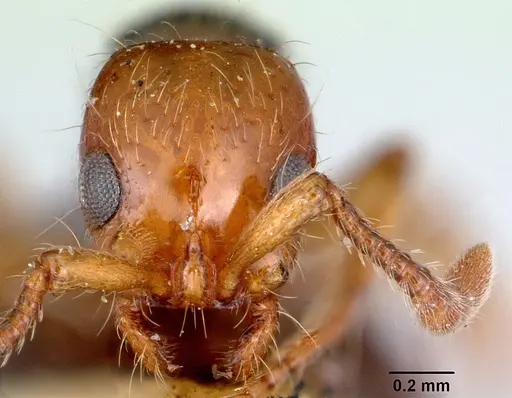
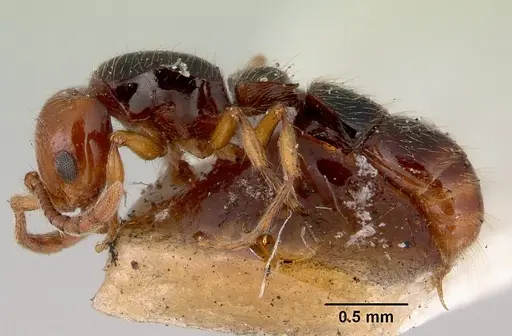
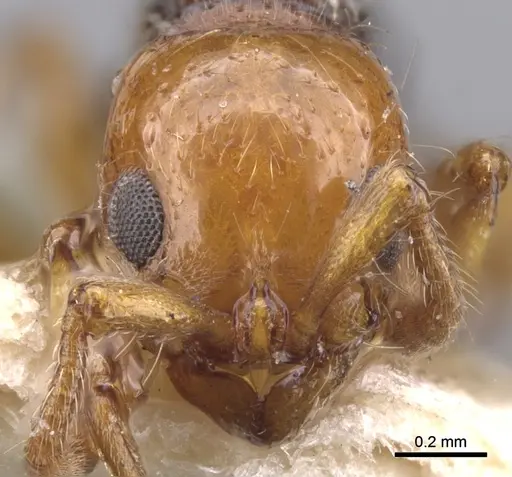
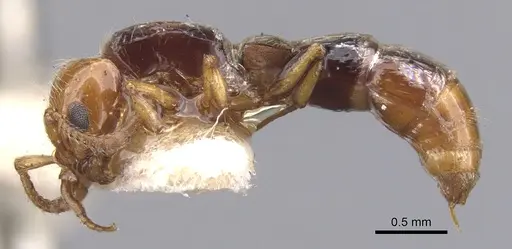
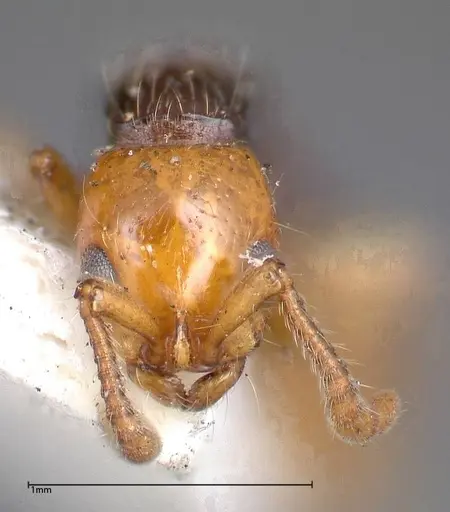
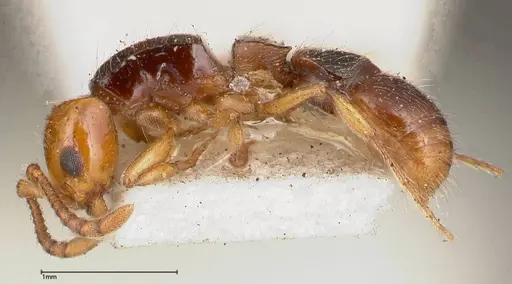
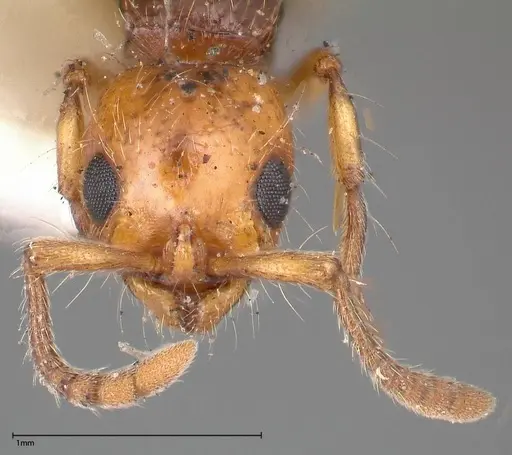
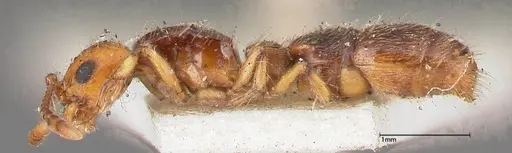
Lioponera gilesi is a small, bicolored ant native to Western Australia. Workers have a distinctive appearance with a pale head that contrasts sharply against a darker body, a useful identification marker in the field. This species belongs to the Dorylinae subfamily, which includes the famous army ants, though Lioponera are much smaller and less dramatic in their foraging behavior. Workers are modest in size, and the species is known for having ergatoid queens (wingless queens that develop from workers) rather than the large, winged queens typical of many ant species [1][2].
This ant is one of the more common Lioponera species found in the woodlands around Perth, making it a realistic target for antkeepers in Australia. The only other confirmed record comes from the Pilbara region at Ethel Creek, suggesting this species prefers specific habitats in southwestern Australia. As a Dorylinae ant, they are predatory, hunting small invertebrates rather than collecting honeydew or seeds [1].
Quick Summary
- Difficulty: Unknown, limited keeper data available
- Origin & Habitat: Southwestern Australia, primarily in woodlands around Perth, Western Australia. One unconfirmed record from the Pilbara region (Ethel Creek). Found in dry to moderately moist woodland habitats [1][2].
- Colony Type: Ergatoid queen system, queens are wingless and develop from workers rather than being large, winged reproductives. Colony structure is not fully documented in scientific literature.
- Size & Growth:
- Queen: Unknown, ergatoid queens are typically smaller than winged queens, likely under 6mm based on related species
- Worker: Small, likely 3-5mm based on genus patterns for small Dorylinae
- Colony: Unknown, likely small to moderate colonies based on typical Lioponera patterns
- Growth: Unknown
- Development: Unknown, estimated 4-8 weeks based on typical Dorylinae development at warm temperatures (No direct development data exists for this species. Estimates based on related Dorylinae species in warm Australian conditions.)
- Antkeeping:
- Temperature: Aim for 22-28°C, these are Australian ants from a warm region, so moderate to warm temperatures are appropriate. A slight gradient allowing workers to self-regulate is beneficial.
- Humidity: Moderate, southwestern Australia has dry summers and mild, wet winters. Keep substrate moderately moist but allow drying between waterings. Avoid both waterlogged and completely dry conditions.
- Diapause: Likely minimal or no true diapause, Western Australia has mild winters. However, activity may slow during cooler months (May-August). Consider a cool period around 15-18°C in winter rather than full hibernation.
- Nesting: Provide a naturalistic setup with soil or a plaster/acrylic nest with narrow chambers. They likely nest in soil or under objects in the wild. A Y-tong or test tube setup works for founding colonies.
- Behavior: Dorylinae ants are typically predatory, hunting small invertebrates. Lioponera gilesi likely forages for micro-prey like springtails, small insects, and other tiny arthropods. They are probably more secretive than aggressive army ants, with smaller colony sizes. Escape prevention should be good, while small, they are not as prone to rapid escape as some tiny ants, but fine mesh is still recommended given their size. Ergatoid queens mean colonies may expand more slowly than species with large winged queens.
- Common Issues: limited scientific data means care requirements are estimates based on genus patterns, colony size and growth rate are unknown, keepers should expect slower development, prey acceptance is uncertain, start with small live prey and observe what they accept, ergatoid queen systems may have different colony dynamics than typical winged-queen species, Australian species may have specific temperature and humidity needs different from temperate ants
Natural History and Distribution
Lioponera gilesi is endemic to southwestern Australia, with its core range centered on the woodlands around Perth in Western Australia. The species was originally described by Clark in 1924 from specimens collected at Mundaring, located in the Perth hills region. Later taxonomic revisions moved it from Phyracaces to Cerapachys, and finally to Lioponera in 2016 [1][2].
The species is one of the more commonly encountered Lioponera in the Perth region, making it a realistic target for field collection by Australian antkeepers. A single unconfirmed record exists from Ethel Creek in the Pilbara region, far north of the main range, though this may represent a different species or vagrant specimen. The species appears to prefer woodland habitats, though specific microhabitat preferences (soil type, vegetation cover, shade levels) are not documented in available literature.
Identification and Morphology
Lioponera gilesi is a small ant with a distinctive bicolored appearance that sets it apart from many related species. The most striking feature is the pale head that contrasts with a darker body, this color pattern is a reliable field identification marker. Workers are relatively small compared to some Dorylinae, which can reach larger sizes.
The species is notable for having ergatoid queens, wingless queens that develop from worker larvae rather than the large, winged queens typical of most ant species. The original type series included three syntype ergatoid queens alongside workers. This ergatoid morphology means queens are smaller than typical winged queens and may be less conspicuous when establishing colonies. [1][2]
Housing and Nest Setup
For Lioponera gilesi, a naturalistic setup with a soil chamber works well, reflecting their likely natural nesting preferences in woodland soil. A Y-tong (acrylic) nest with narrow chambers or a test tube setup for founding colonies are both appropriate options. The chambers should be appropriately scaled to their small worker size, tight enough that they feel secure but with enough space for colony expansion.
Because this is a predatory Dorylinae species, include a foraging area where you can offer live prey. The outworld should be simple and easy to clean, as these ants will need regular feeding with small invertebrates. Escape prevention should be good regardless, while small, they are not extremely fast-moving like some army ants, but fine mesh is still recommended given their ability to squeeze through small gaps.
Feeding and Diet
As a Dorylinae ant, Lioponera gilesi is predatory and will hunt small invertebrates. In captivity, their primary food should be small live prey such as springtails, fruit flies, small mealworms, and other tiny arthropods. Unlike some ants that readily accept sugar water, Dorylinae species are typically more specialized predators and may not strongly prefer sugar sources.
Start with offering small live prey and observe what your colony accepts. You can experiment with other small insects over time, but live prey should form the core of their diet. Feed every 2-3 days or as prey is consumed, removing any uneaten prey to prevent mold. The exact prey preferences of this species are unconfirmed, so some experimentation may be needed.
Temperature and Seasonal Care
Lioponera gilesi comes from southwestern Australia, a region with a Mediterranean climate featuring warm, dry summers and mild, wet winters. Aim for temperatures in the 22-28°C range, warm but not extreme. A slight temperature gradient allowing workers to choose their preferred zone is beneficial.
During the Australian winter (roughly May-August), activity may naturally slow as temperatures drop. Rather than a true hibernation, consider providing a cool period around 15-18°C. This cool rest may support natural colony cycles without the stress of full hibernation conditions that temperate species require. Monitor colony activity, if they remain active year-round at room temperature, that is likely fine given their origin.
Colony Structure and Development
The ergatoid queen system of Lioponera gilesi is a notable feature. Ergatoid queens develop from worker larvae and are wingless throughout their lives, making them morphologically distinct from the large, winged queens typical of most ant species. This may affect colony founding behavior, ergatoid queens may establish colonies differently than winged queens, potentially with more worker involvement from the start.
Colony size is not documented in scientific literature, but based on typical Lioponera patterns, colonies are likely small to moderate, probably under 500 workers at maturity. Growth rate is also unknown. Keepers should expect slower development compared to some faster-growing species, particularly during the founding phase when the colony consists of just a queen and a small number of workers. [1]
Frequently Asked Questions
How long does it take for Lioponera gilesi to produce first workers?
The exact timeline is unknown, but based on typical Dorylinae development in warm conditions, expect first workers (nanitics) within 4-8 weeks after eggs are laid. The founding phase may be slower than species with larger queens due to the smaller ergatoid queen size.
What do Lioponera gilesi ants eat?
They are predatory Dorylinae ants, so their primary diet should be small live invertebrates. Offer springtails, fruit flies, small mealworms, and other tiny arthropods. Sugar sources may be accepted but are not a primary food, focus on protein prey.
Is Lioponera gilesi a good species for beginners?
This species is not well-documented in the antkeeping hobby, and limited scientific data means care requirements are partly estimated. It may be suitable for keepers with some experience who are comfortable with uncertainty. Beginners might prefer more established species with documented care guides.
Can I keep multiple Lioponera gilesi queens together?
The colony structure (monogyne vs polygyne) is not documented. Given the ergatoid queen system, it is possible colonies have a single reproductive queen with potential replacement reproductives. Combining unrelated foundresses is not recommended without documented evidence of pleometrosis acceptance.
What temperature should I keep Lioponera gilesi at?
Aim for 22-28°C, reflecting their origin in warm southwestern Australia. A slight gradient allowing self-regulation is beneficial. They can likely tolerate room temperature (around 20-24°C) in most homes.
Do Lioponera gilesi need hibernation?
True hibernation is likely not required given the mild Western Australian climate. A cool period (15-18°C) during winter months may support natural cycles, but full hibernation is probably unnecessary. Monitor colony activity to determine what your colony prefers.
How big do Lioponera gilesi colonies get?
Maximum colony size is unknown but likely small to moderate based on typical Lioponera patterns, probably under 500 workers at maturity. This is not a large, army-ant-style colony species.
When should I move Lioponera gilesi to a formicarium?
Move from a test tube setup to a formicarium or larger nest once the colony reaches 20-30 workers and the test tube becomes crowded. Ensure the new setup has appropriately sized chambers for their small worker size.
Where can I find Lioponera gilesi in the wild?
This species is found in woodlands around Perth, Western Australia, particularly in the Perth hills region (type locality: Mundaring). They are one of the more common Lioponera in that area. Field collection should only be done where legally permitted.
References

This caresheet is licensed under CC BY-SA 4.0 .
ANTWEB1008235
View on AntWeb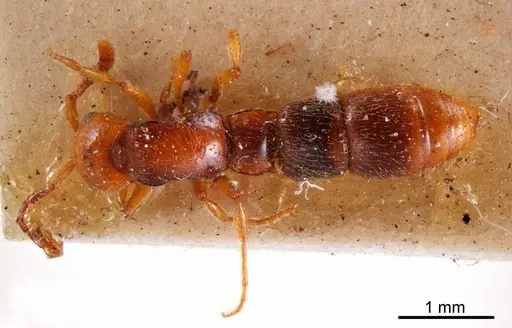
CASENT0172076
View on AntWeb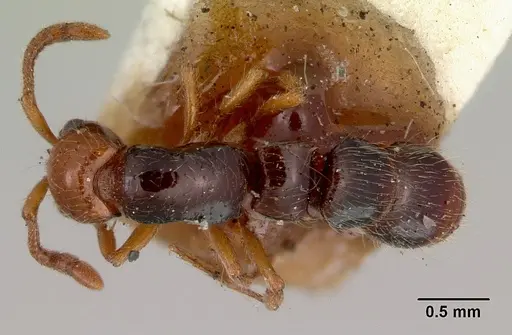
CASENT0902759
View on AntWeb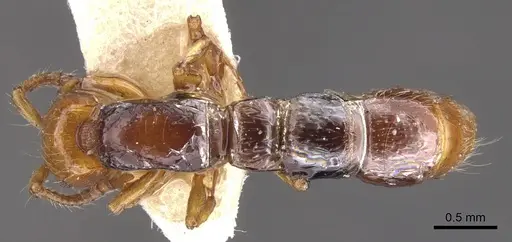
FOCOL0339-1
View on AntWeb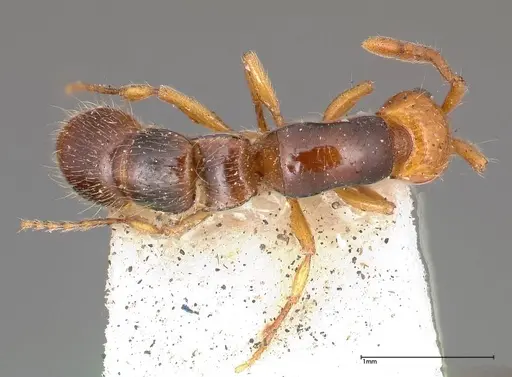
FOCOL0339-2
View on AntWeb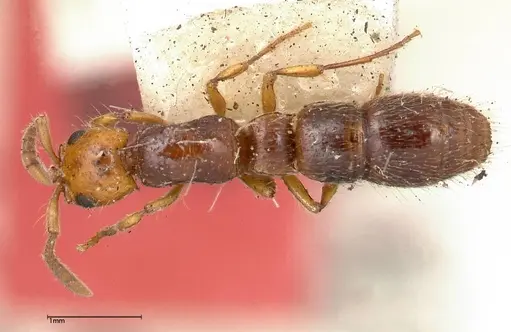
Literature
Loading...Loading products...