

Lioponera elegans
- Scientific Name
- Lioponera elegans
- Subfamily
- Dorylinae
- Author
- Wheeler, 1918
- Distribution
- Found in 1 countries
Lioponera elegans Overview
Lioponera elegans is an ant species of the genus Lioponera. It is primarily documented in 1 countries , including Australia. Detailed taxonomic data and occurrence records can be further explored via authoritative databases such as AntWeb or the Global Biodiversity Information Facility (GBIF).
Lioponera elegans
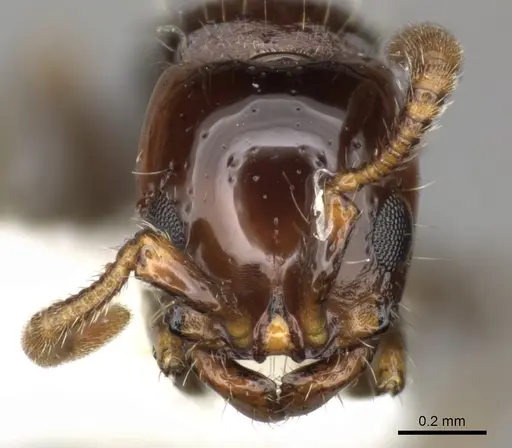
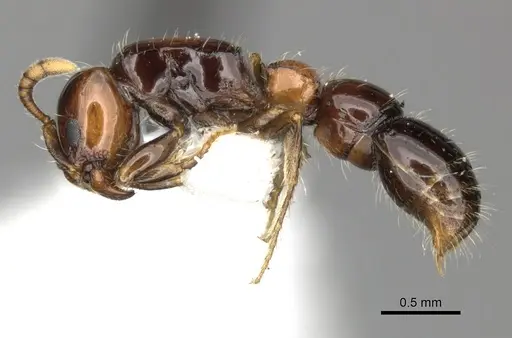
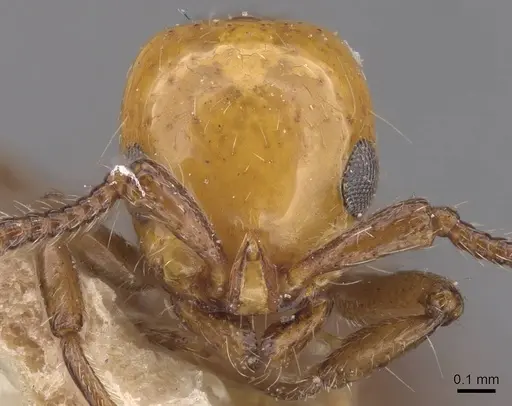
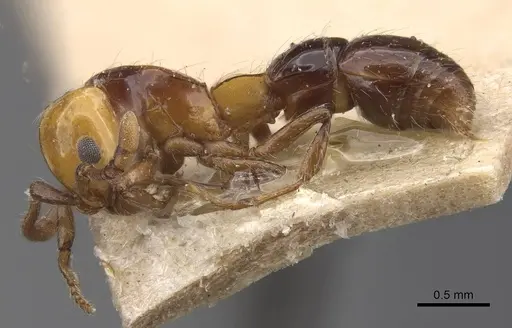
Lioponera elegans is a small predatory ant belonging to the Dorylinae subfamily, formerly known as Lioponera elegans. Workers are slender ants with the characteristic Dorylinae body shape, typically measuring around 4-6mm. The species was originally described from New South Wales near Sydney, with additional specimens recorded from Western Australia's wheatbelt region. As a Dorylinae ant, this species is predatory, hunting small invertebrates in leaf litter and soil. These ants are part of the army ant group, though this particular genus shows less pronounced nomadic behavior than some relatives. The colony structure involves a single queen with ergatoid (wingless) replacement reproductives documented in related Dorylinae species, allowing for colony continuity if the primary queen is lost.
Quick Summary
- Difficulty: Medium
- Origin & Habitat: Australia (New South Wales and Western Australia). Found in temperate regions of southern Australia, from Sydney area to the south-western wheatbelt. They inhabit leaf litter and soil in woodland and forest habitats [1][2].
- Colony Type: Likely monogyne (single queen) with ergatoid replacement reproductives typical of Dorylinae. The colony structure is inferred from related Dorylinae species as specific studies on L. elegans colony organization are lacking.
- Colony: Monogyne
- Founding: Semi-claustral
- Size & Growth:
- Queen: Approximately 6-7mm based on genus estimates
- Worker: Approximately 4-6mm based on genus estimates
- Colony: Likely several hundred workers based on typical Dorylinae colony sizes
- Growth: Moderate, inferred from related Dorylinae
- Development: Estimated 6-10 weeks based on typical Dorylinae development (Development timeline is estimated from related Dorylinae species, specific data for L. elegans is unavailable)
- Antkeeping:
- Temperature: Keep at 22-26°C. Australian temperate to subtropical species, so moderate warmth is appropriate. A gentle temperature gradient allows the colony to self-regulate.
- Humidity: Moderate to high humidity (60-80%). These ants naturally inhabit leaf litter and soil environments that retain moisture. Keep the nest substrate consistently damp but not waterlogged.
- Diapause: Likely required. Being an Australian temperate species, they probably need a winter rest period of 8-12 weeks at 10-15°C. This is inferred from other Australian Dorylinae and should be confirmed through observation.
- Nesting: Prefers humid, naturalistic setups with soil or coco peat substrate. Y-tong nests or test tube setups with moist substrate work well. They need tight enclosures as workers can escape through small gaps.
- Behavior: Lioponera elegans is a predatory ant that hunts small invertebrates in the leaf litter layer. Workers are active foragers, typically hunting in small groups or individually. They are not particularly aggressive toward humans but will defend their nest vigorously. The sting is present but these ants are too small to cause significant discomfort to humans. Escape prevention is important as their small size allows them to slip through standard barriers. They are moderately active and will establish defined foraging patterns.
- Common Issues: colonies often fail due to improper humidity, too dry and brood desiccates, too wet and mold becomes a problem, small size makes escape prevention critical, use fine mesh and tight-fitting lids, predatory diet means colonies can starve if not fed enough live prey, hibernation failure is common, colonies that aren't allowed to rest in winter often decline, wild-caught colonies may carry parasites that can devastate captive populations
Housing and Nest Setup
Lioponera elegans does best in naturalistic or semi-naturalistic setups that mimic their natural leaf litter habitat. A Y-tong (acrylic) nest with moist coco peat or soil substrate works well, providing the darkness and humidity these underground hunters prefer. Test tube setups can work for founding colonies but may need upgrading as the colony grows. The key is maintaining consistent humidity without waterlogging, the substrate should feel damp but you shouldn't see standing water. Provide a water tube for drinking and a foraging area where you can offer prey items. Because of their small size, ensure all connections between the nest and outworld are sealed with cotton or other barriers that prevent escape. A layer of leaf litter in the foraging area helps these ants feel more at home and provides hunting opportunities. [1][2]
Feeding and Diet
As a Dorylinae ant, Lioponera elegans is primarily predatory and requires a protein-rich diet of small live invertebrates. Offer small prey items such as fruit flies, pinhead crickets, small mealworms, and other appropriately sized arthropods. They will typically accept most small insects and can be fed 2-3 times per week, adjusting based on colony size and consumption. Remove uneaten prey after 24-48 hours to prevent mold. While some Dorylinae species occasionally accept sugar sources, this varies by species. Offer a small amount of sugar water or honey occasionally, but do not rely on carbohydrates as a primary food source. The predatory nature means these ants are most successful when kept well-fed on protein, especially during colony growth periods when brood demand is high. [2]
Temperature and Seasonal Care
Maintain temperatures between 22-26°C for optimal colony health and development. Australian temperate species like L. elegans do best with a gentle thermal gradient, allowing workers to move between warmer and cooler areas of the nest. During the Australian winter (roughly June-August in the southern hemisphere), the colony will naturally slow down and should be provided a cooler period around 10-15°C for 8-12 weeks. This mimics their natural seasonal cycle and supports colony health. If you cannot provide natural seasonal variation, a reduced temperature period in winter helps maintain colony rhythm. Watch for signs of stress, workers clustering near heat sources indicates they need it warmer, while avoiding heated areas suggests it's too warm. Avoid temperature extremes above 30°C or below 10°C for extended periods. [2]
Behavior and Colony Dynamics
Lioponera elegans workers are active hunters that forage through leaf litter and soil, seeking small invertebrates. They are not aggressive toward humans and rarely sting, though the sting apparatus is present. The colony will establish foraging routes and become more predictable in their activity patterns as they mature. Workers are moderately sized and can be quick-moving when hunting. The colony structure typically centers on a single queen with ergatoid (wingless) replacement reproductives that can take over if the primary queen dies, this is common in Dorylinae and provides colony continuity. Expect the colony to grow gradually over months to years, with peak growth during warmer seasons when food is abundant. The colony will defend against threats by mobilizing workers and may emit alarm pheromones when disturbed. [2]
Common Problems and Solutions
The most common issues with Lioponera elegans in captivity relate to humidity management and escape prevention. These ants are small enough to slip through standard barriers, so use fine mesh on all ventilation and ensure lid seals are tight. Humidity problems manifest as mold (too wet) or desiccated brood (too dry), aim for consistently damp substrate without standing water. Predatory colonies can starve if not fed enough, especially growing colonies with high protein demands. Offer prey regularly and remove uneaten items promptly. Wild-caught colonies may carry internal parasites that can spread and devastate the colony, quarantine and observe new colonies carefully before introducing them to established setups. Finally, skipping the winter rest period often leads to colony decline over time, so provide a cooler period annually. [2]
Frequently Asked Questions
How long does it take for Lioponera elegans to produce first workers?
Expect first workers (nanitics) approximately 6-10 weeks after the queen lays eggs, assuming optimal temperature around 24°C. This is estimated from related Dorylinae species as specific development data for L. elegans is not available. Growth rate is moderate, the colony will expand gradually after founding.
Can I keep Lioponera elegans in a test tube setup?
Yes, test tubes work well for founding colonies. Use a moist cotton ball at one end to provide humidity, and connect to a small outworld for feeding. The tube should be dark (cover with cloth or paper) to mimic the underground conditions these ants prefer. Upgrade to a larger nest as the colony reaches several hundred workers.
What do Lioponera elegans eat?
They are predatory ants that need live small invertebrates. Offer fruit flies, small crickets, mealworms, and other appropriately sized bugs 2-3 times per week. They may occasionally accept sugar water or honey, but protein-rich prey should be the primary food source.
Do Lioponera elegans need hibernation?
Yes, as an Australian temperate species, they benefit from a winter rest period. Provide 8-12 weeks at 10-15°C during winter (or simulate Australian winter by cooling from June-August). This supports colony health and natural seasonal rhythms.
How big do Lioponera elegans colonies get?
Based on typical Dorylinae colony sizes, expect several hundred workers at maturity. The colony grows gradually over months to years, with growth rate depending on feeding success and temperature.
Are Lioponera elegans good for beginners?
They are rated as medium difficulty. While not the hardest species, they do require attention to humidity, regular feeding of live prey, and proper escape prevention. Beginners should research Dorylinae care before attempting this species.
Why are my Lioponera elegans dying?
Common causes include: improper humidity (too dry or too wet), insufficient prey leading to starvation, lack of winter rest period, escapes through small gaps, or parasites from wild-caught colonies. Check each of these factors and adjust husbandry accordingly.
When should I move Lioponera elegans to a formicarium?
Move from test tube to a larger nest setup when the colony reaches around 50-100 workers and the test tube shows signs of degradation or space limitations. A Y-tong or naturalistic setup with moist substrate works well.
Can I keep multiple Lioponera elegans queens together?
This is not recommended. While colony structure is likely single-queen (monogyne), combining unrelated queens has not been studied for this species. It's best to keep one queen per colony setup.
References

This caresheet is licensed under CC BY-SA 4.0 .
CASENT0249293
View on AntWeb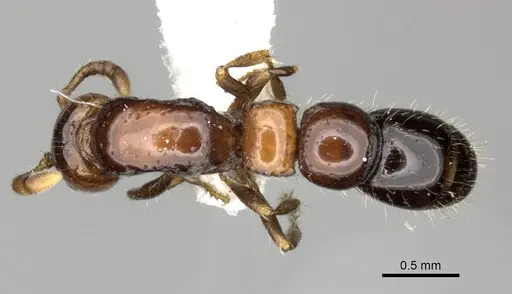
CASENT0915333
View on AntWeb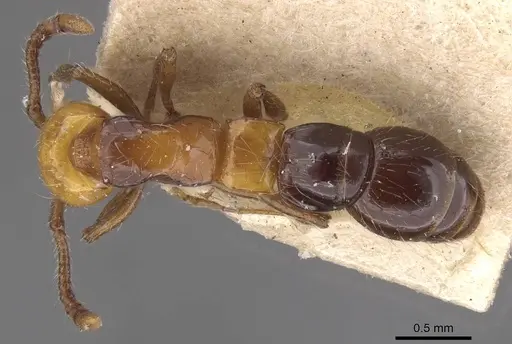
Literature
Loading...Loading products...